
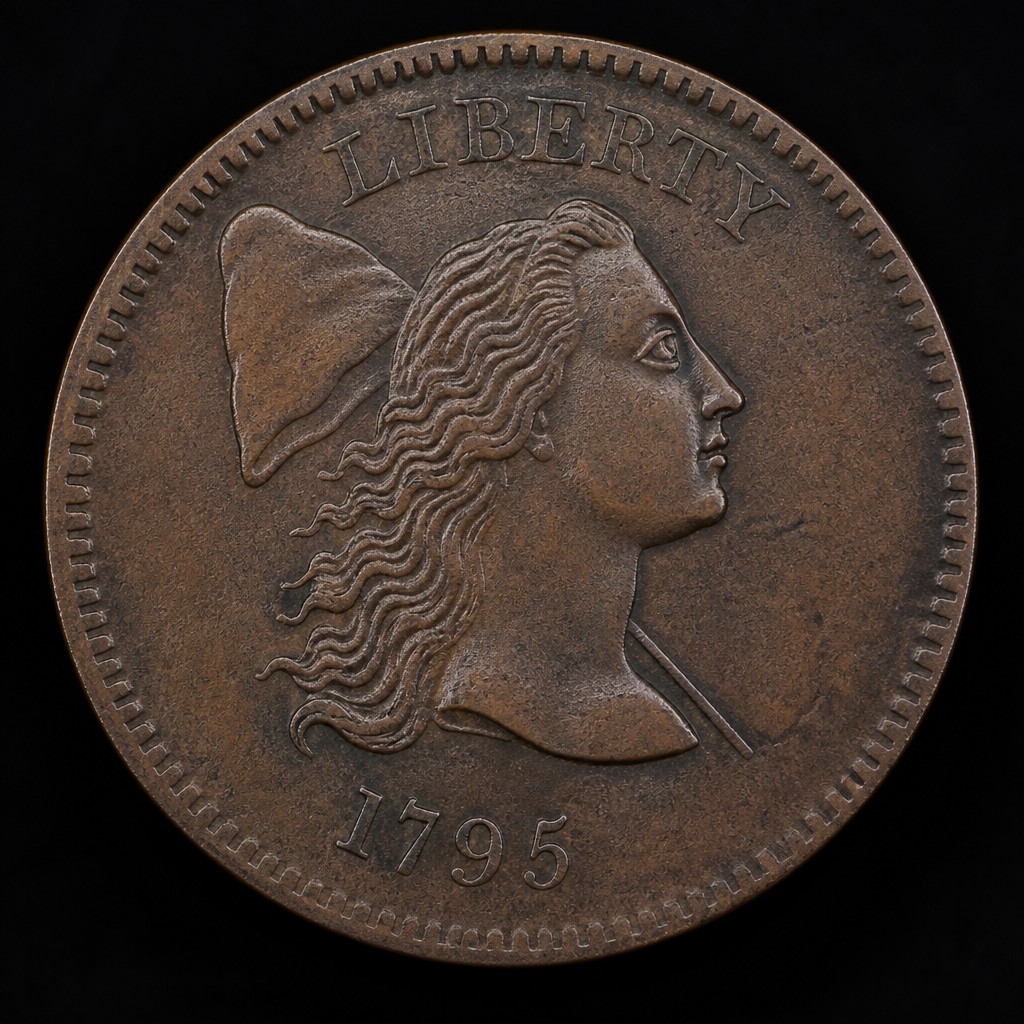
1795 Liberty Cap Large Cent
An early United States large cent from 1795 featuring the Liberty Cap design, struck as America's young Mint worked out production and metal-supply challenges.
- Country
- United States
- Denomination
- One Cent
- Metal
- Copper
Got a coin like this?
Identify any coin from a photo, free.
Overview
The 1795 Liberty Cap large cent belongs to the earliest years of United States federal coinage, part of the Liberty Cap large cent type struck from 1793 to 1796. As one of the first coins issued under the fledgling U.S. Mint, it holds significant historic appeal for early American coinage collectors.
1795 is notable within the type for several distinct varieties, including differences in edge treatment (lettered edge versus plain edge) and planchet thickness, reflecting the Mint's ongoing experimentation and resource constraints in its first years of operation.
History & Background
The Liberty Cap large cent type was introduced in 1793 following the short-lived Chain and Wreath cent designs of that same year, and continued through 1796 before giving way to the Draped Bust design. The large cent was the U.S. Mint's workhorse copper coin in the 1790s, valued at one cent and roughly the size of a modern half dollar.
In 1795, the Mint faced a persistent shortage of copper planchets and had difficulty maintaining consistent thickness and weight standards, leading to notable variety among surviving coins, including a transition from a lettered edge (reading 'ONE HUNDRED FOR A DOLLAR') to a plain edge partway through the year as the Mint sought thinner, more economical planchets.
How to Identify
Obverse: A right-facing Liberty head wearing a soft liberty cap on a pole behind her head, with LIBERTY above and the date 1795 below.
Reverse: A wreath encircling ONE CENT with a fraction (1/100) beneath, and UNITED STATES OF AMERICA around the border.
The coin is a large, thick copper piece, roughly 28–29 mm in diameter and larger than a modern quarter. 1795 examples can be found with either a lettered edge or plain edge; edge type, along with subtle differences in the date's numeral style and planchet thickness, is used by specialists to classify the various 1795 die varieties recognized in large cent reference works.
Value & Collectibility
Values for 1795 Liberty Cap large cents vary enormously with condition, edge type, and specific die variety, ranging from a few hundred dollars for heavily worn, problem examples to many thousands of dollars for well-preserved or rare-variety pieces; exceptional, high-grade specimens can bring tens of thousands of dollars or more at auction.
Because large cents from this era are frequently studied and collected by die variety, specialist attribution can significantly affect desirability and price beyond grade alone. Surface problems such as corrosion, porosity, or old cleaning are common on 18th-century copper and also strongly influence value.
Frequently asked questions
What is a Liberty Cap large cent?
An early United States one-cent coin type struck 1793–1796, showing Liberty wearing a soft cap on the obverse and a wreath around ONE CENT on the reverse.
Why do some 1795 cents have lettered edges and others plain edges?
The Mint changed from a lettered edge to a plain edge partway through 1795 while adjusting planchet thickness and production methods.
How big is a large cent compared to a modern cent?
Considerably larger, roughly the size of a modern half dollar, since large cents were valued by their copper content.
What determines the value of a 1795 large cent?
Condition, edge type, specific die variety, and surface quality all significantly affect price.
What came before and after the Liberty Cap large cent?
It followed the 1793 Chain and Wreath cents and was succeeded by the Draped Bust large cent starting in 1796.
Other coins you may enjoy
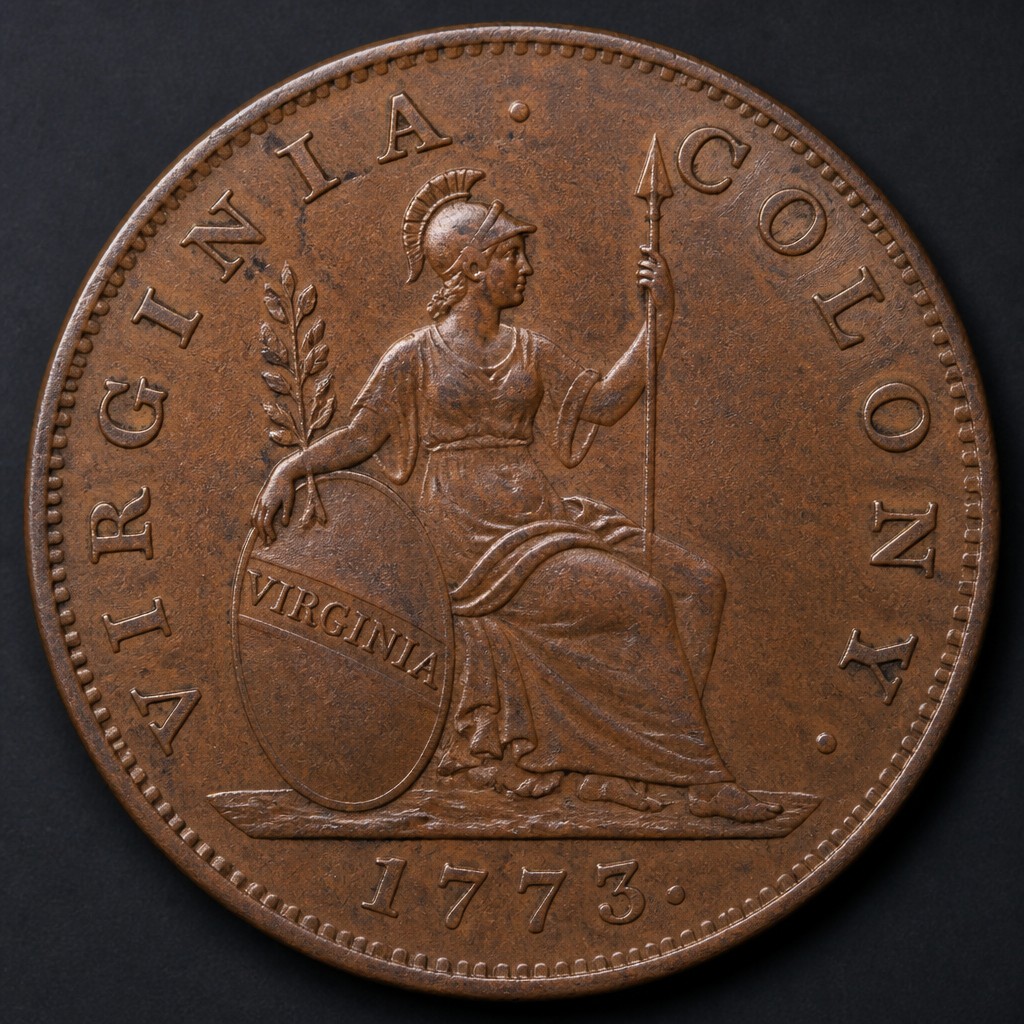
Virginia Halfpenny
1773
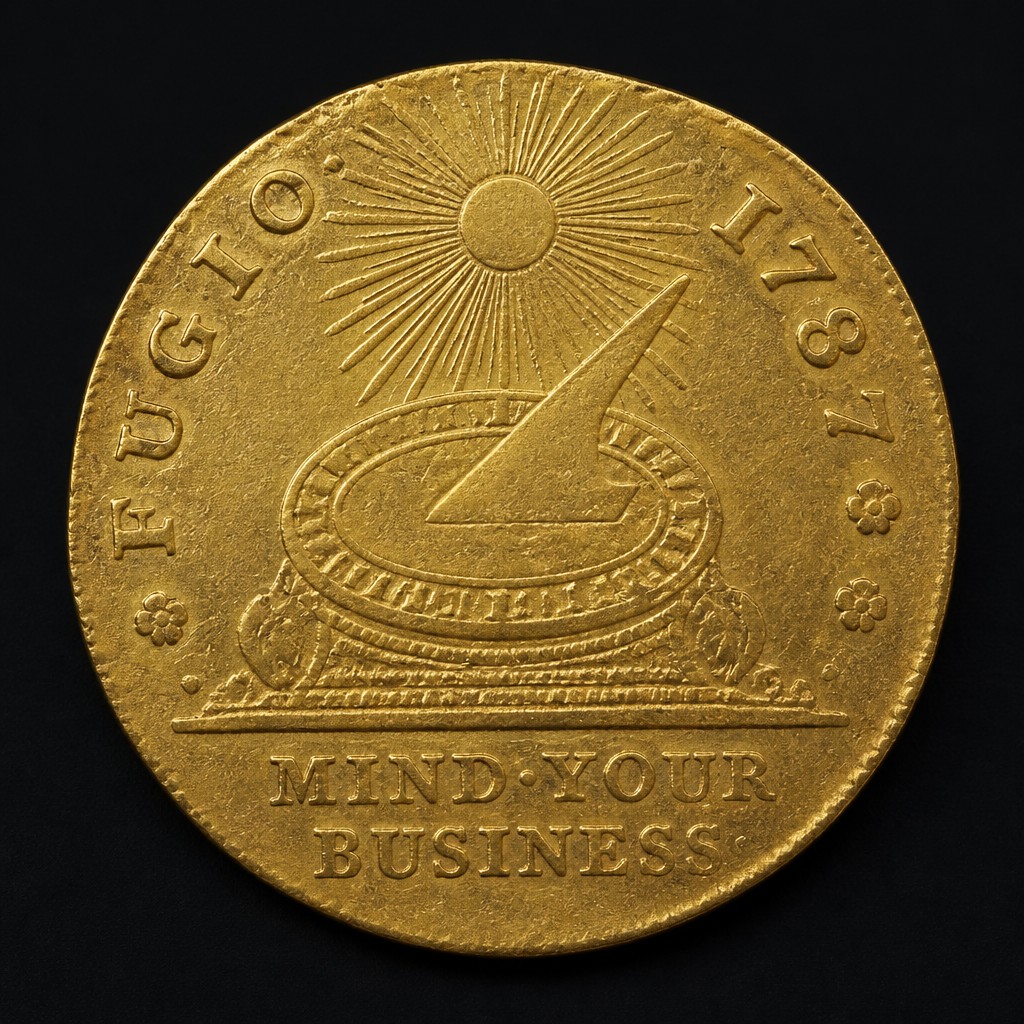
Brasher Doubloon
1787
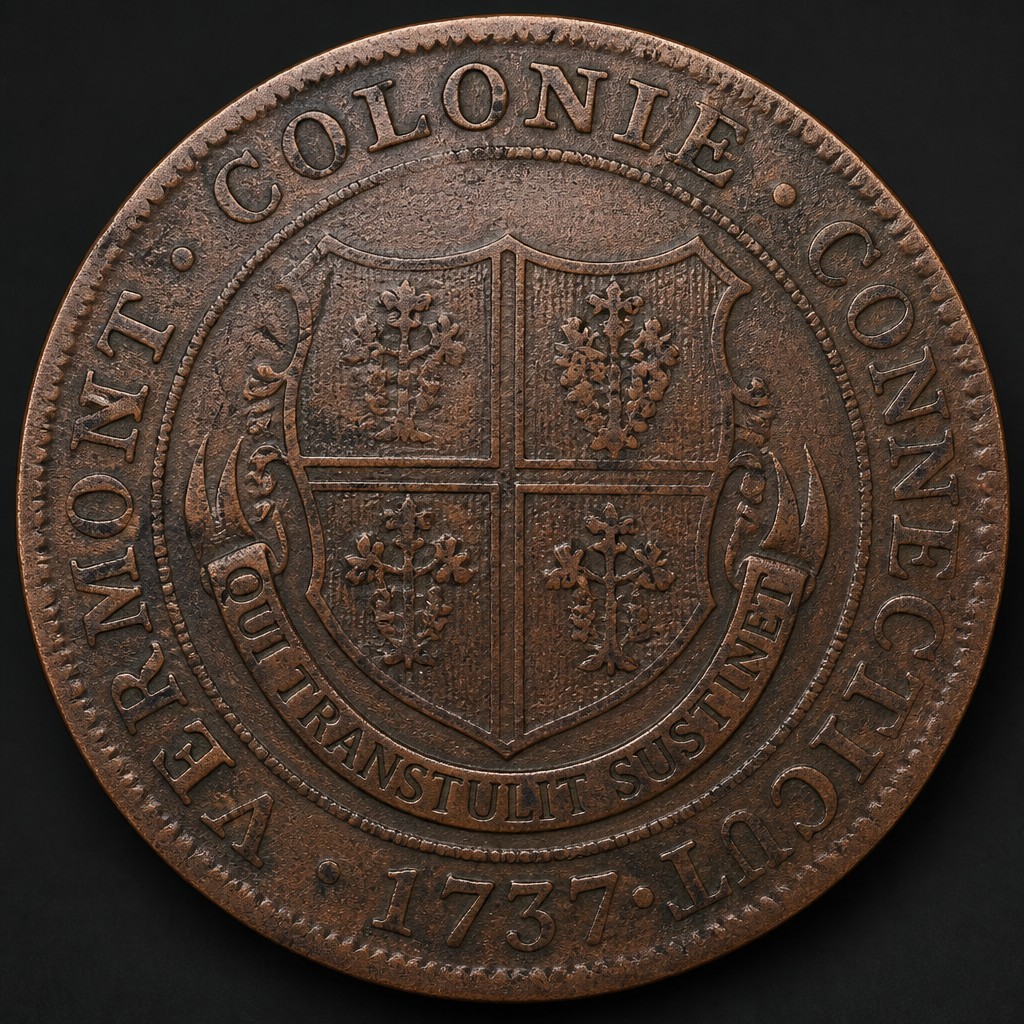
Higley Copper
1737–1739
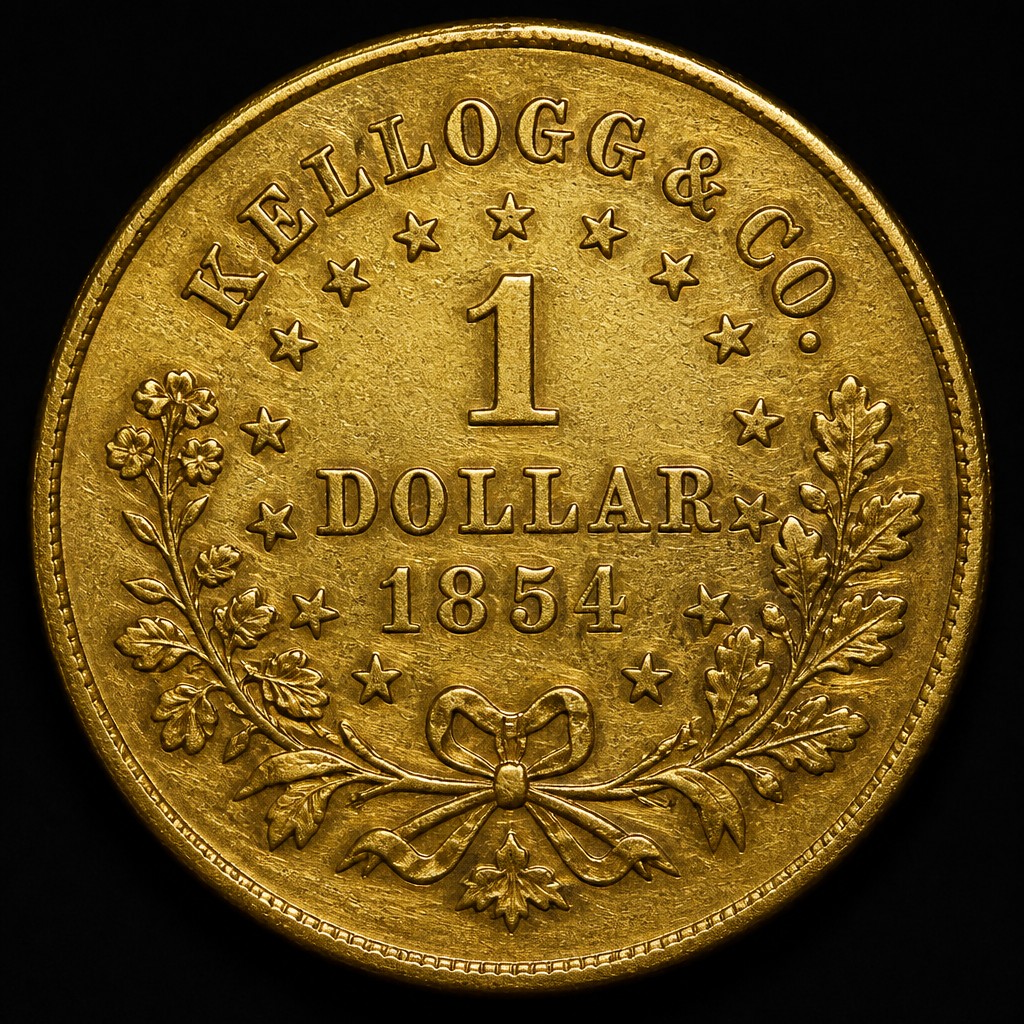
Kellogg & Co. Gold Piece
1854–1855
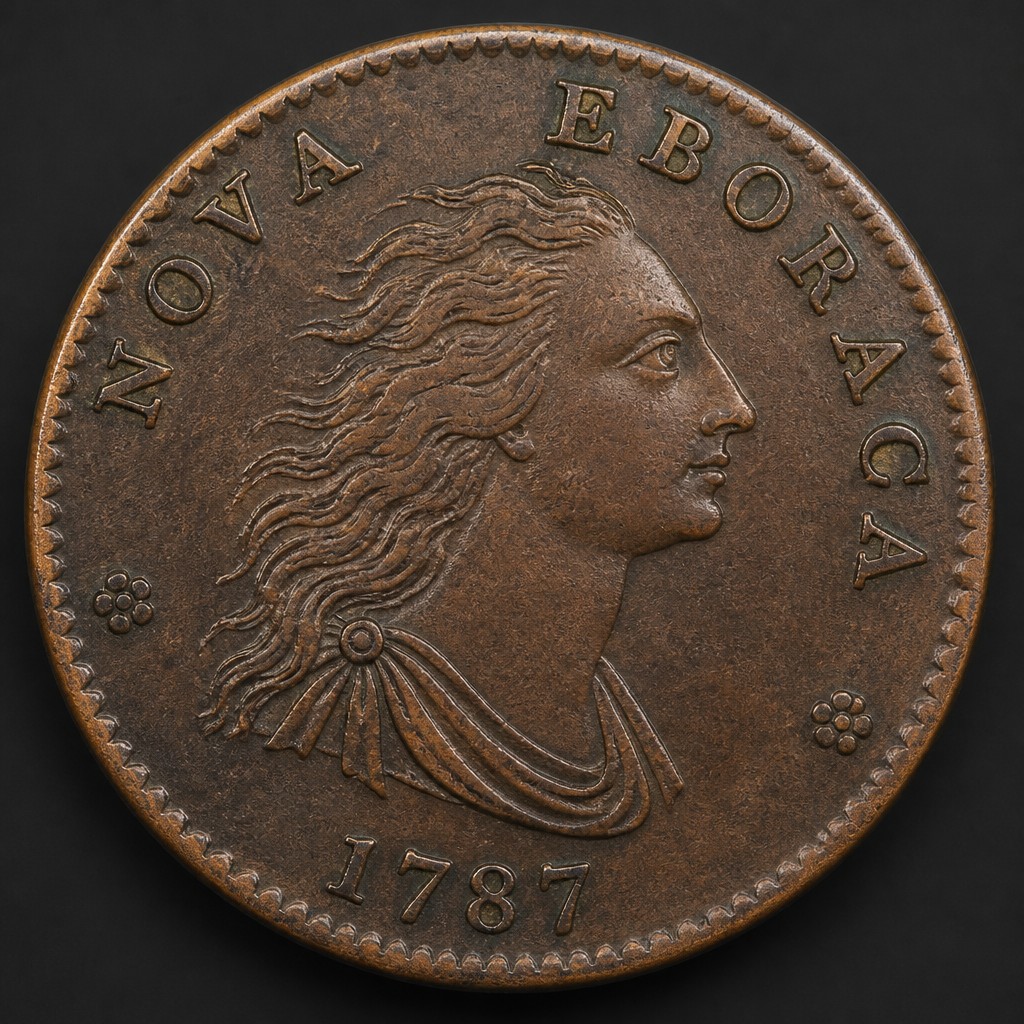
Nova Eborac Copper
1787
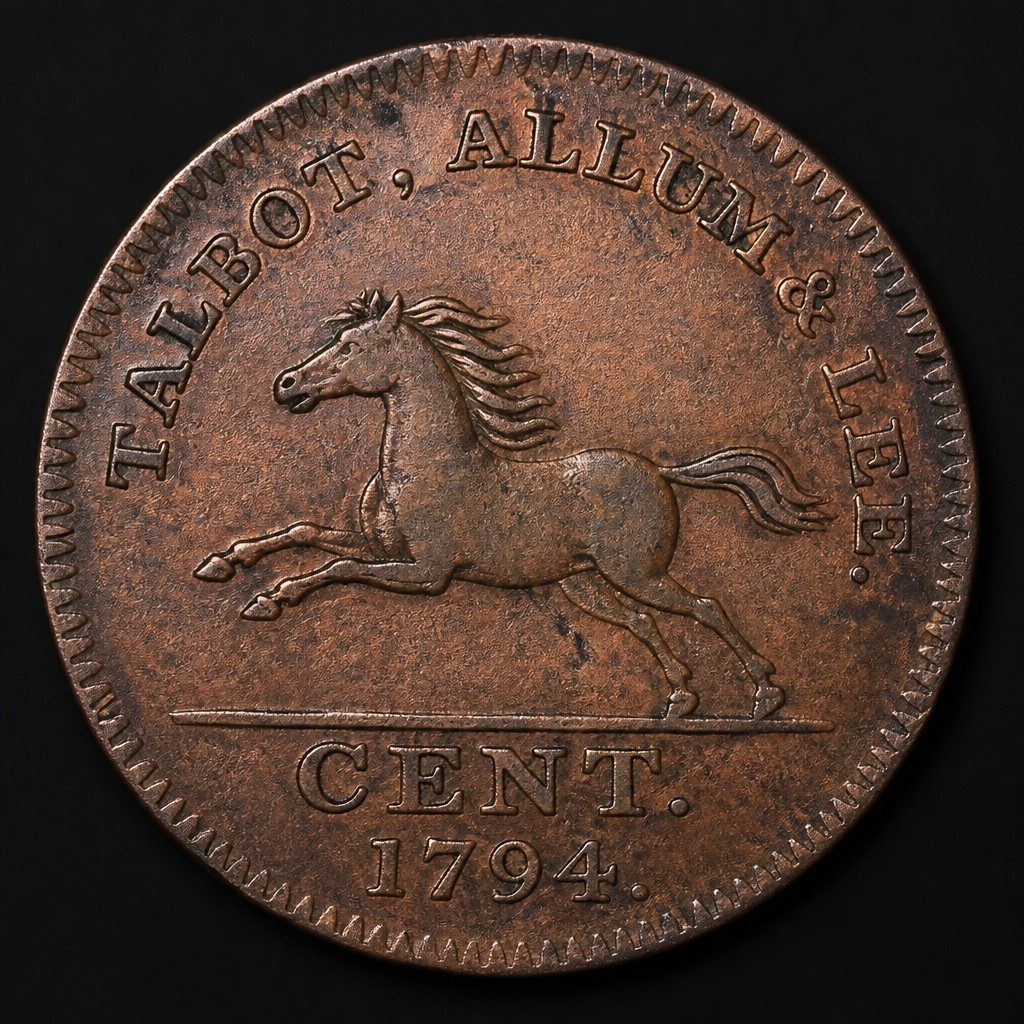
Talbot, Allum & Lee Cent
1794–1795
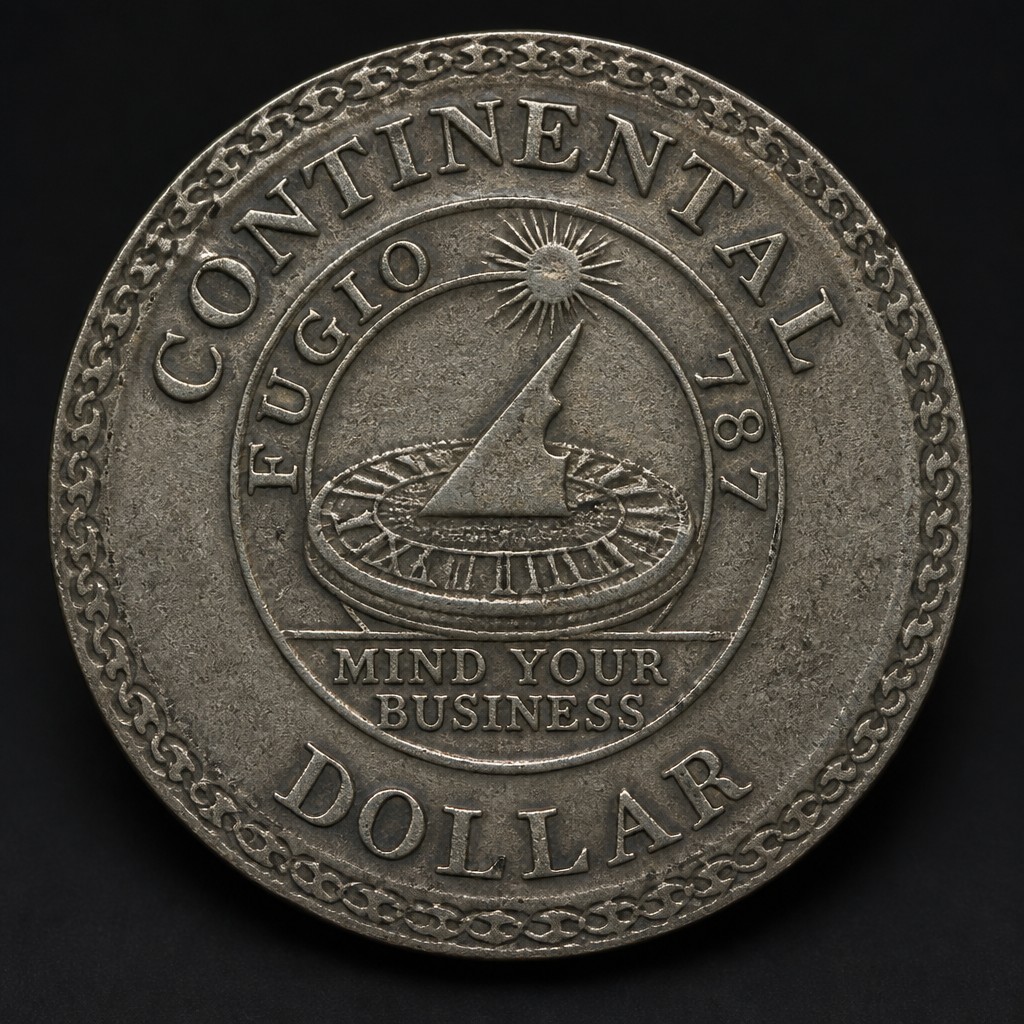
Continental Dollar
1776
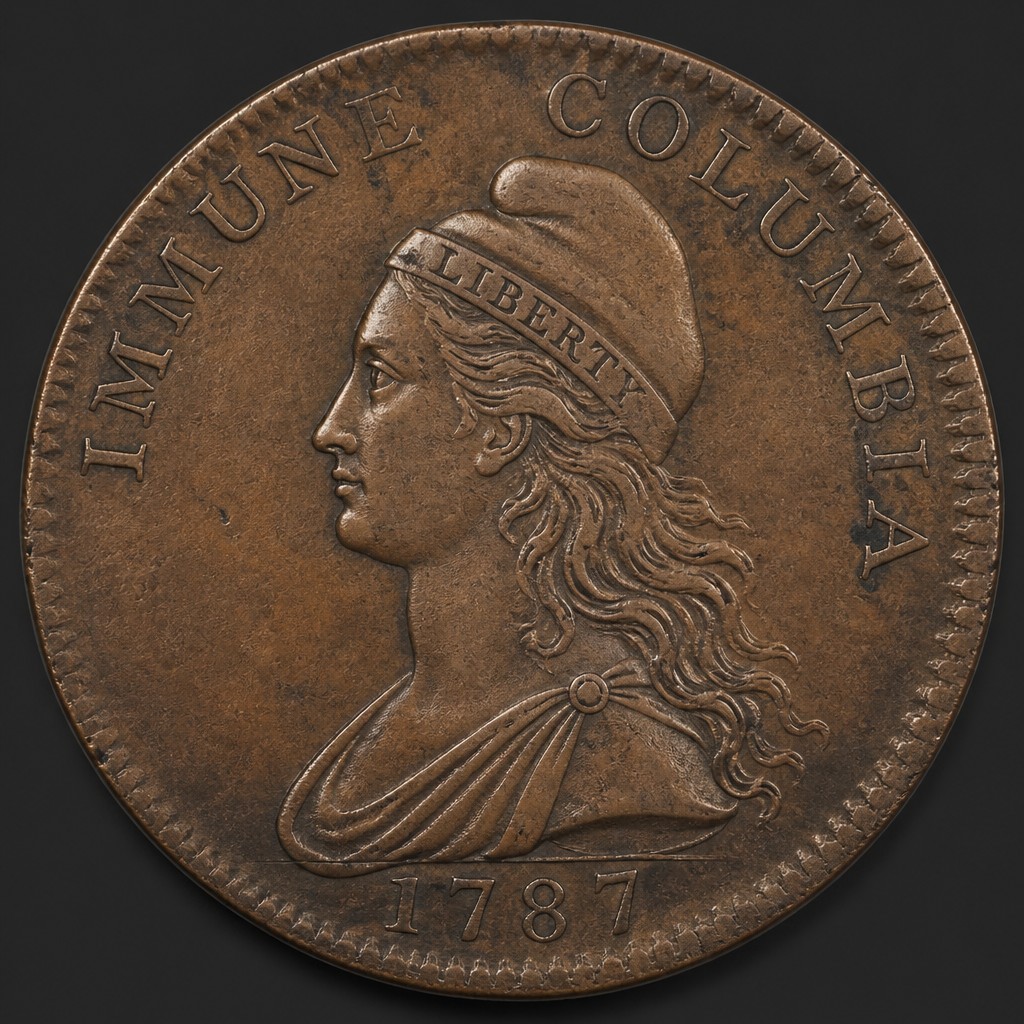
Immune Columbia Copper
circa 1785–1787
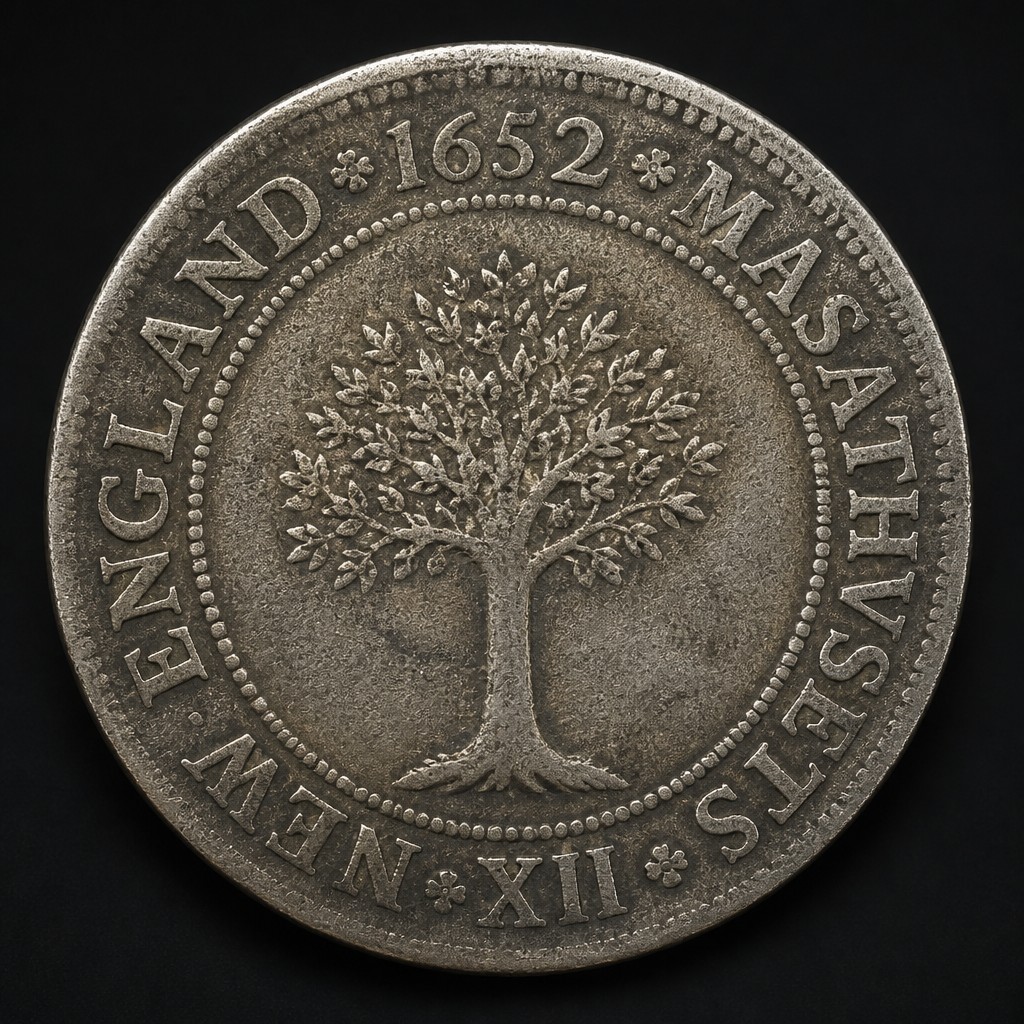
Massachusetts Oak Tree Shilling
Dated 1652, struck circa 1660–1667
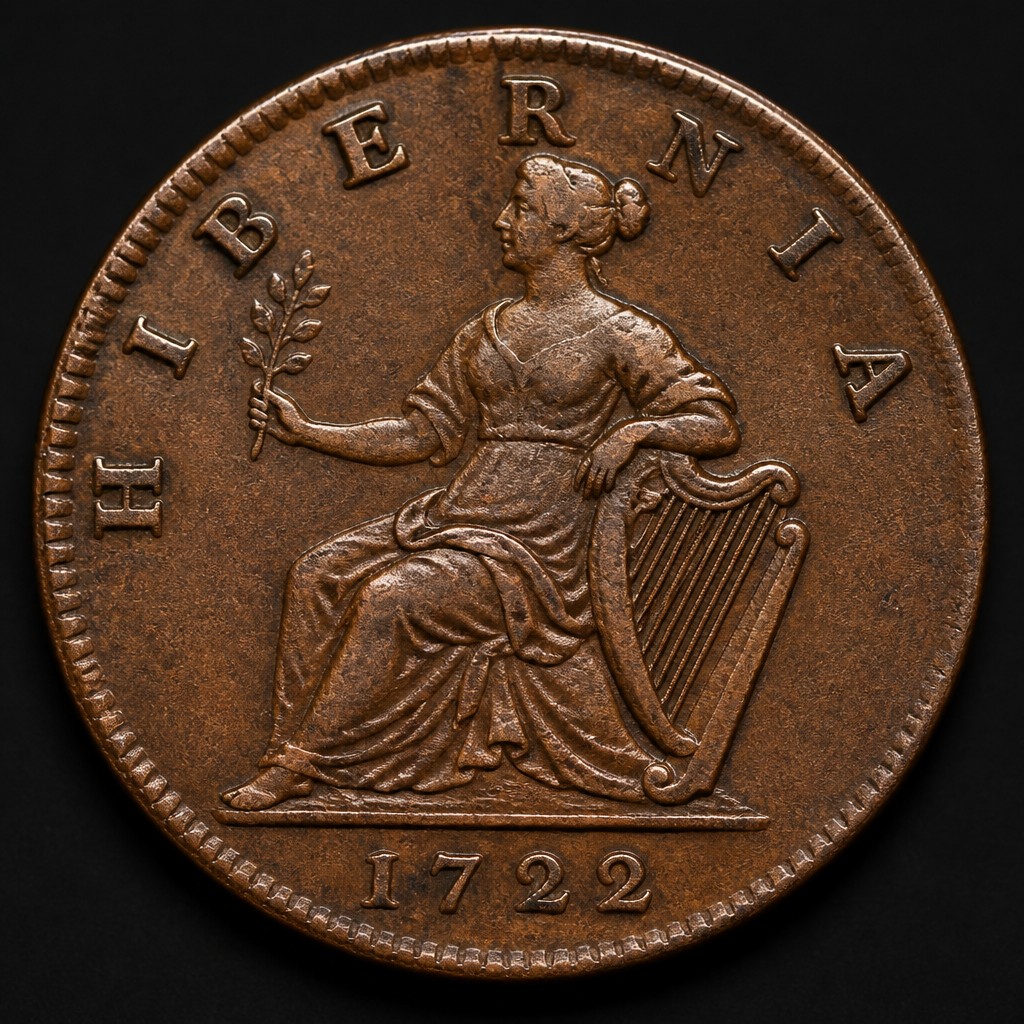
Wood's Hibernia Halfpenny
1722–1724
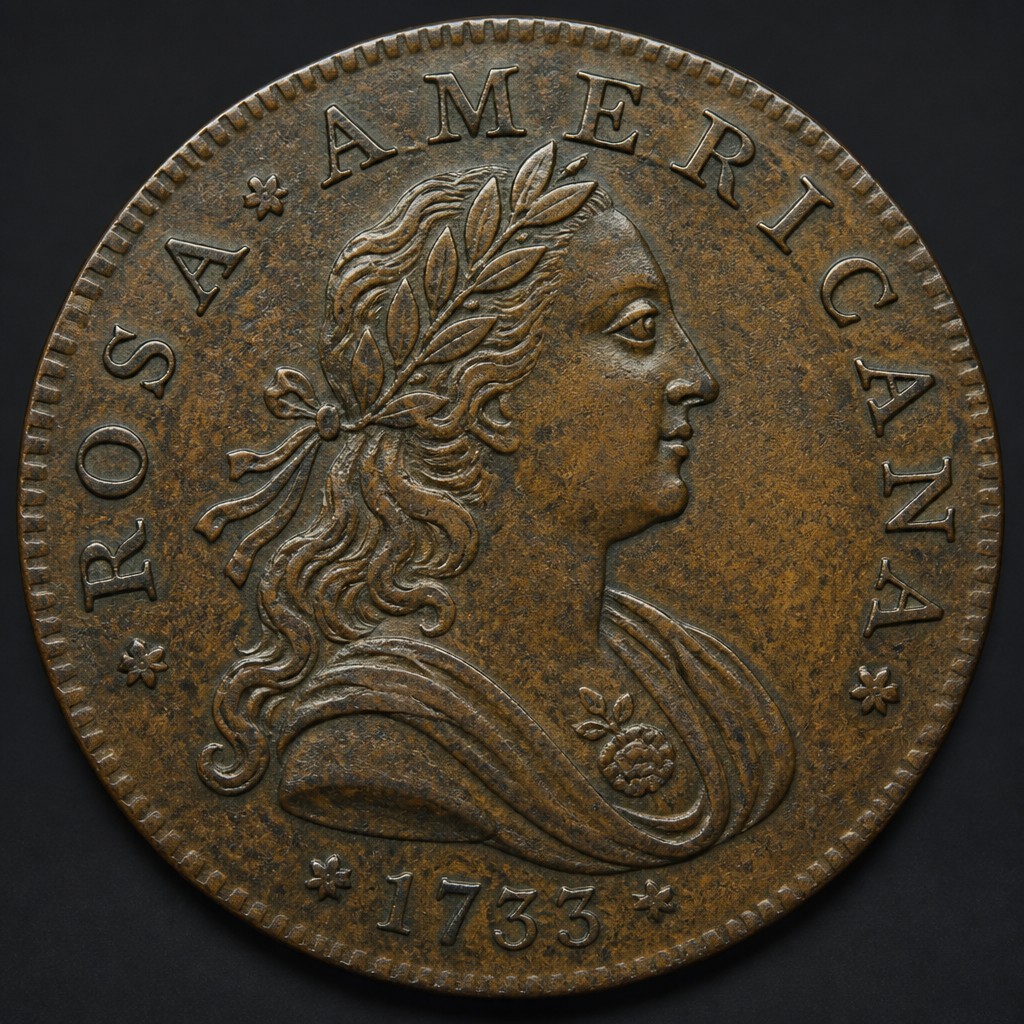
Rosa Americana Coinage
1722–1724 (with pattern issues dated 1733)
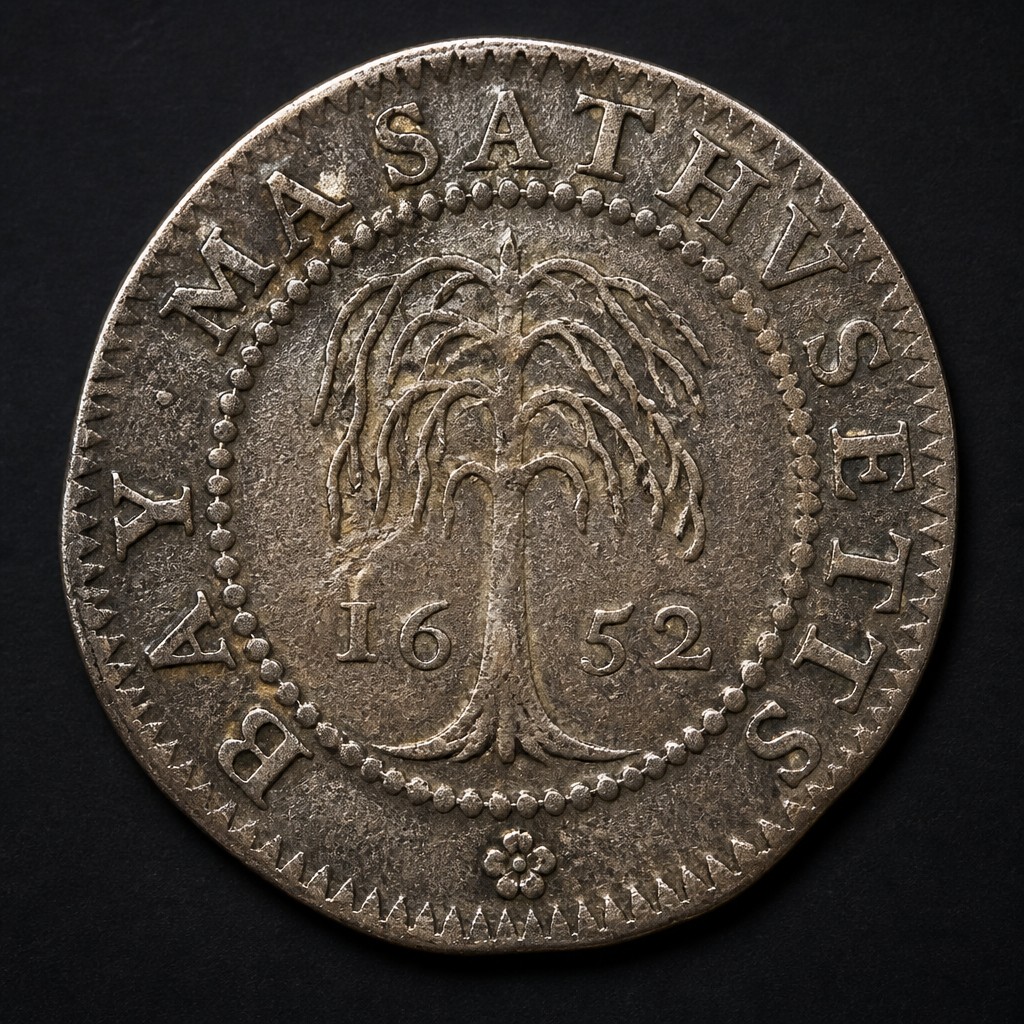
Massachusetts Willow Tree Shilling
Dated 1652, struck circa 1653–1660