
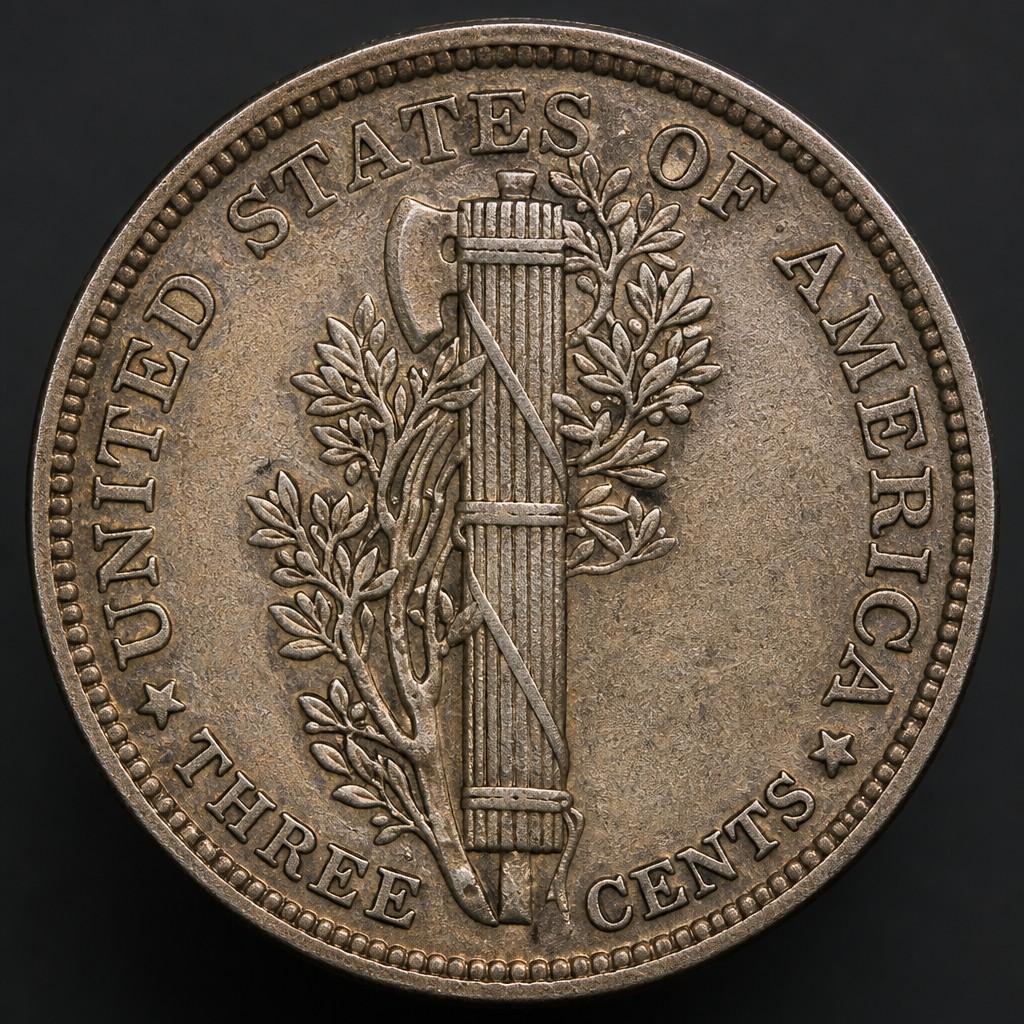
Fasces Three-Cent Nickel
A nickname sometimes applied to the copper-nickel Three-Cent Piece of 1865-1889, whose reverse wreath-and-numeral design is occasionally likened to classical fasces imagery from early pattern experiments.
- Country
- United States
- Denomination
- Three Cents
- Metal
- Copper-Nickel (75% Copper, 25% Nickel)
Got a coin like this?
Identify any coin from a photo, free.
Overview
'Fasces Three-Cent Nickel' is a collector nickname for the Three-Cent Nickel, a small copper-nickel coin struck from 1865 to 1889 to help replace the fractional paper currency and hoarded silver coinage of the Civil War era. The name likely traces back to the pattern (trial) reverse dies considered by the Mint in 1865, some of which experimented with classical Roman-style bundled motifs before the adopted design of a wreath encircling a large numeral III was finalized.
Regardless of nickname, this is a genuinely collected series distinct from the earlier silver three-cent piece, prized for its durability, low cost of entry, and the design work of Mint engraver James B. Longacre.
History & Background
After the Civil War, the US Treasury needed a coin that could replace worn fractional currency notes and stop the hoarding of tiny silver three-cent pieces. Congress authorized a new copper-nickel three-cent coin in 1865, and the Mint tested a range of pattern designs that year before settling on the familiar Liberty head obverse and wreath-and-numeral reverse.
The coin circulated for nearly a quarter century, overlapping for years with its silver three-cent cousin before that series ended in 1873. Production of the nickel three-cent piece finally stopped in 1889 as demand for such small denominations declined.
How to Identify
The obverse depicts a female Liberty head facing left, with UNITED STATES OF AMERICA around the rim and the date below the bust. The reverse shows a large Roman numeral III at center, encircled by a wreath, with CENTS below.
The coin is struck in a copper-nickel alloy giving it a pale, silvery-gray appearance rather than the warm color of bronze cents, and it is noticeably smaller and thinner than a modern nickel. All examples were struck at the Philadelphia mint and carry no mintmark. Collectors should not confuse this coin with the earlier, much smaller Silver Three-Cent Piece (the 'trime'), which has a different design entirely with a six-pointed star on the obverse.
Value & Collectibility
Most dates in this series are affordable in circulated grades, making it a popular type-set coin for collectors wanting one example of a three-cent denomination. Lower-mintage later dates from the 1880s, along with proof-only issues, command higher premiums and are more actively sought by specialists.
Because the series was never widely hoarded, well-struck uncirculated and proof examples are available but can be pricier than the type's modest reputation suggests, particularly in gem condition.
Frequently asked questions
Is there really a fasces on this coin?
No standard three-cent nickel bears a fasces; the nickname likely comes from experimental pattern designs considered in 1865 before the wreath-and-numeral reverse was adopted.
How do I tell it apart from the silver three-cent piece?
The nickel version is larger, has a Liberty head obverse and wreath/numeral reverse, and lacks the star design found on the silver three-cent piece.
What metal is it made of?
A copper-nickel alloy (about 75% copper, 25% nickel), giving it a pale silvery-gray color.
Are there mintmarked examples?
No, every three-cent nickel was struck at the Philadelphia mint, so none carry a mintmark.
Other coins you may enjoy
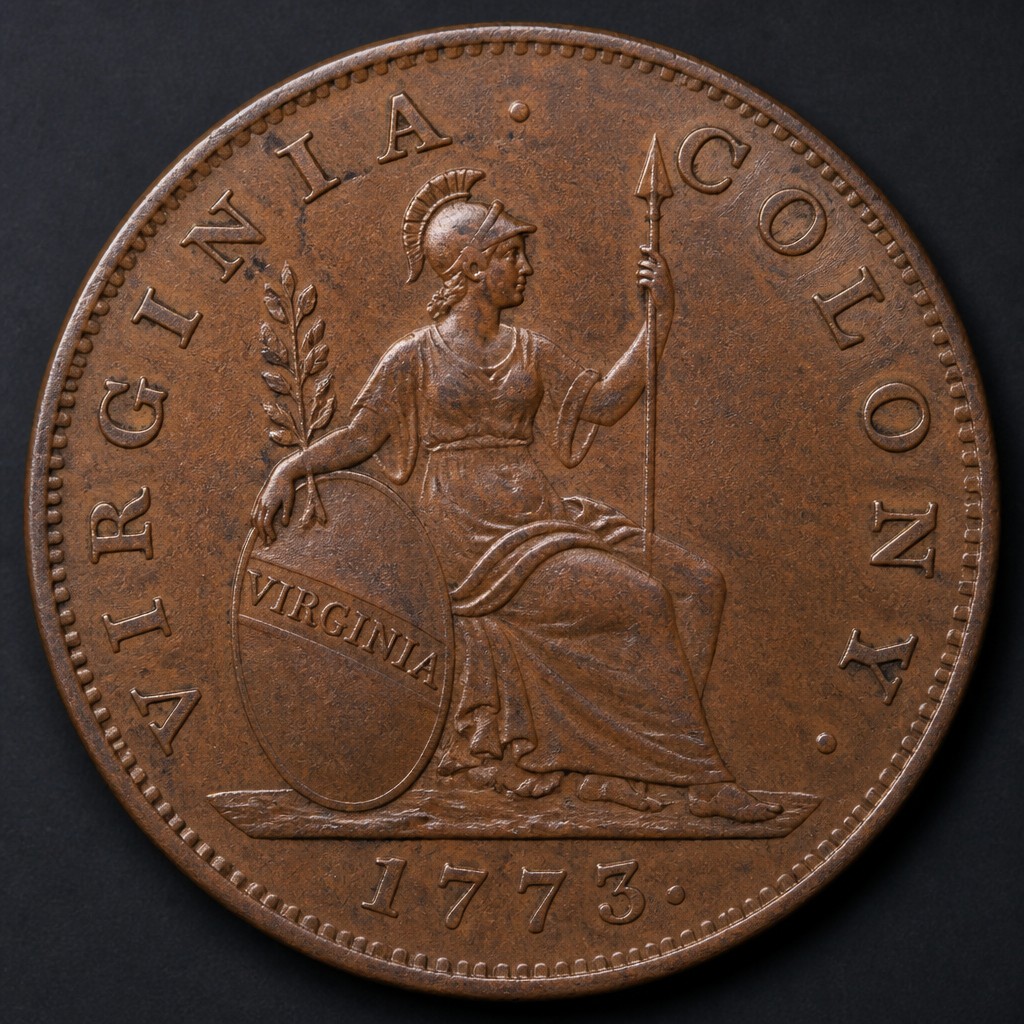
Virginia Halfpenny
1773
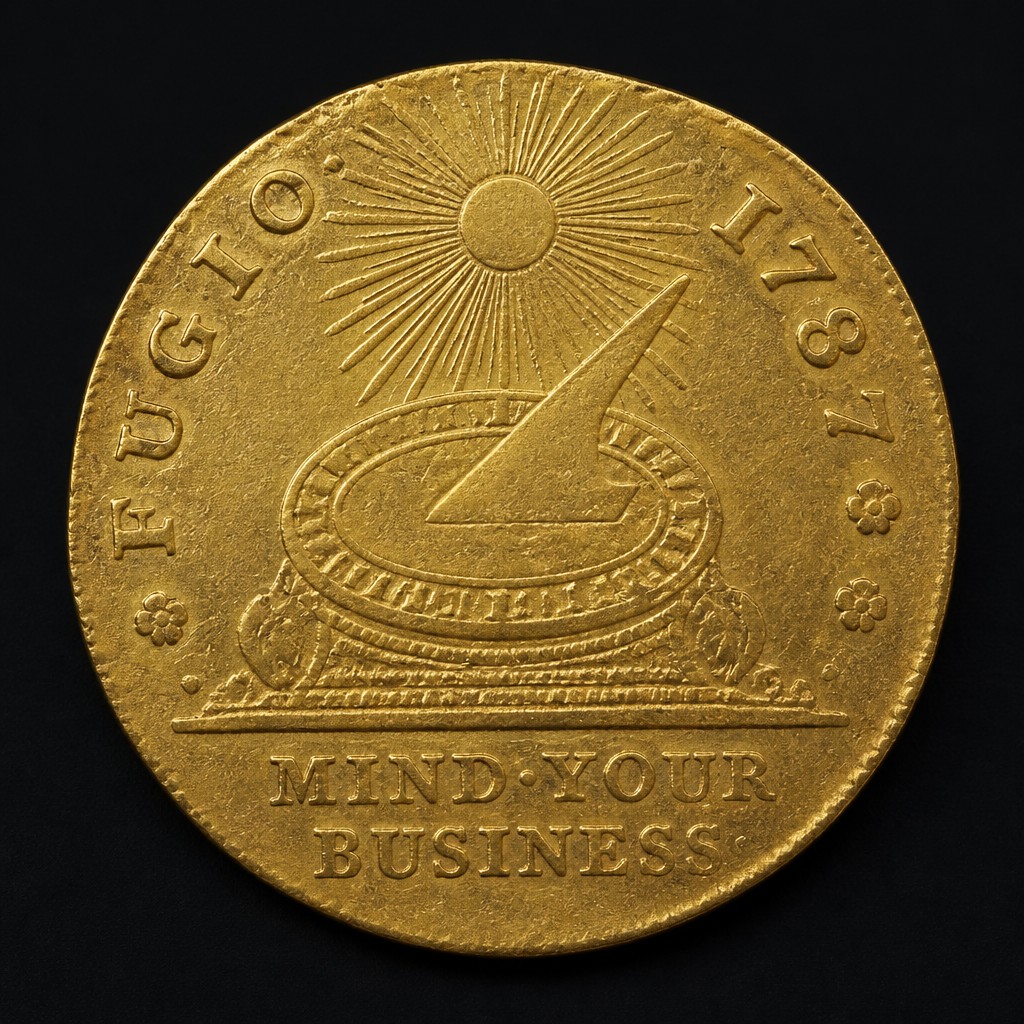
Brasher Doubloon
1787
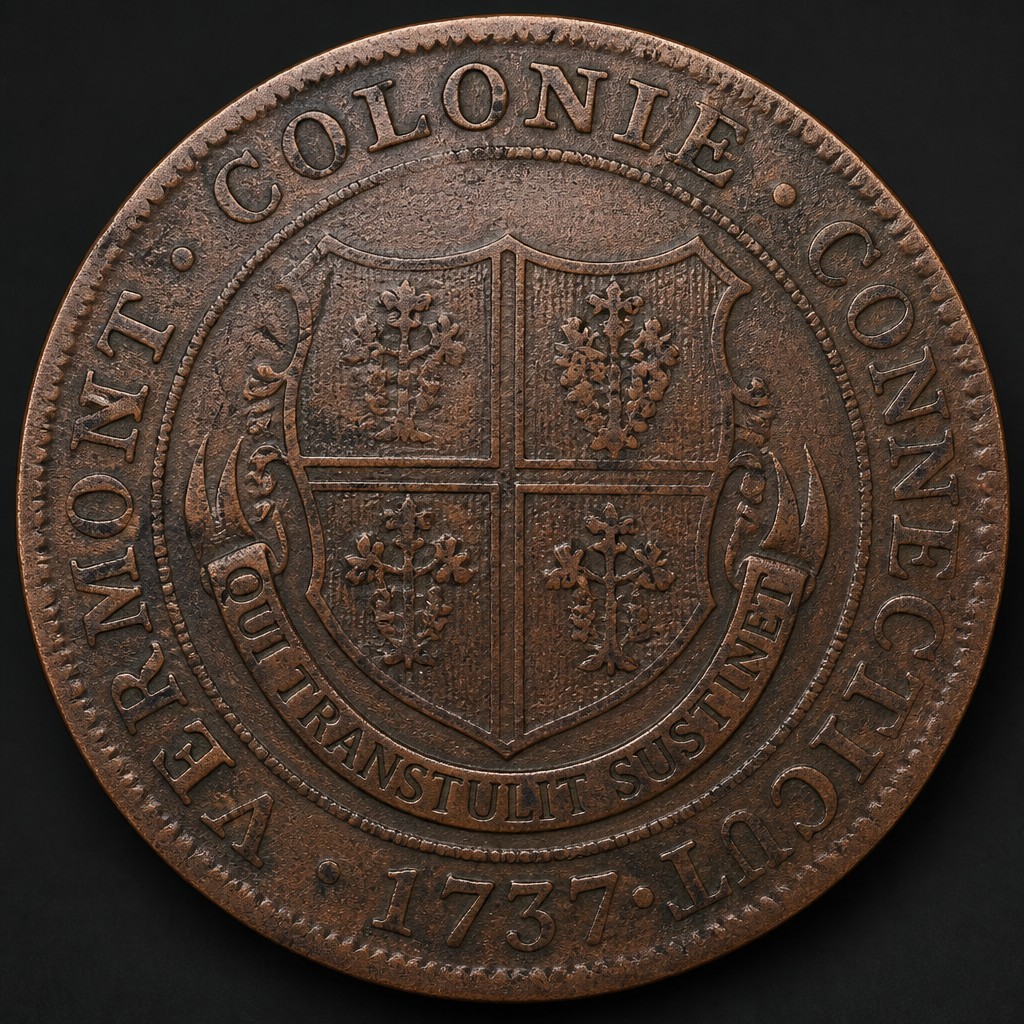
Higley Copper
1737–1739
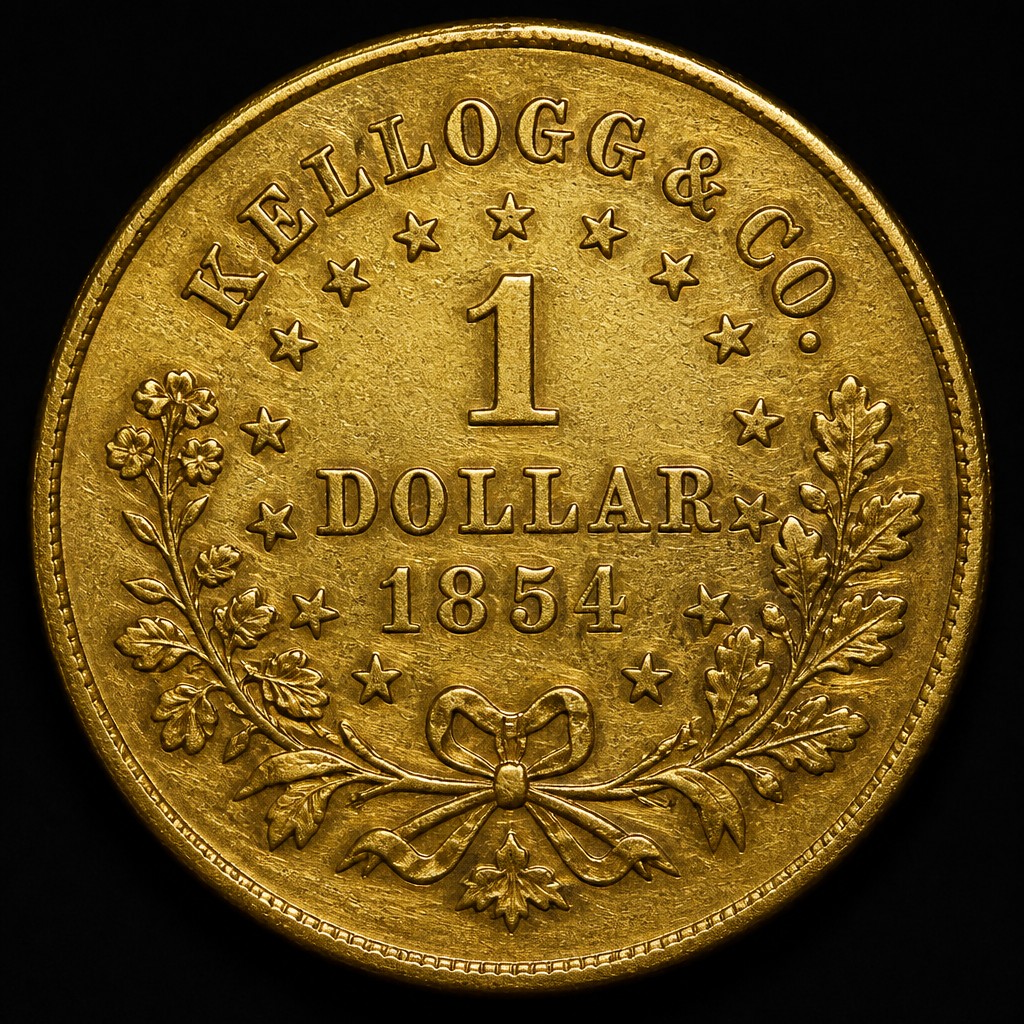
Kellogg & Co. Gold Piece
1854–1855
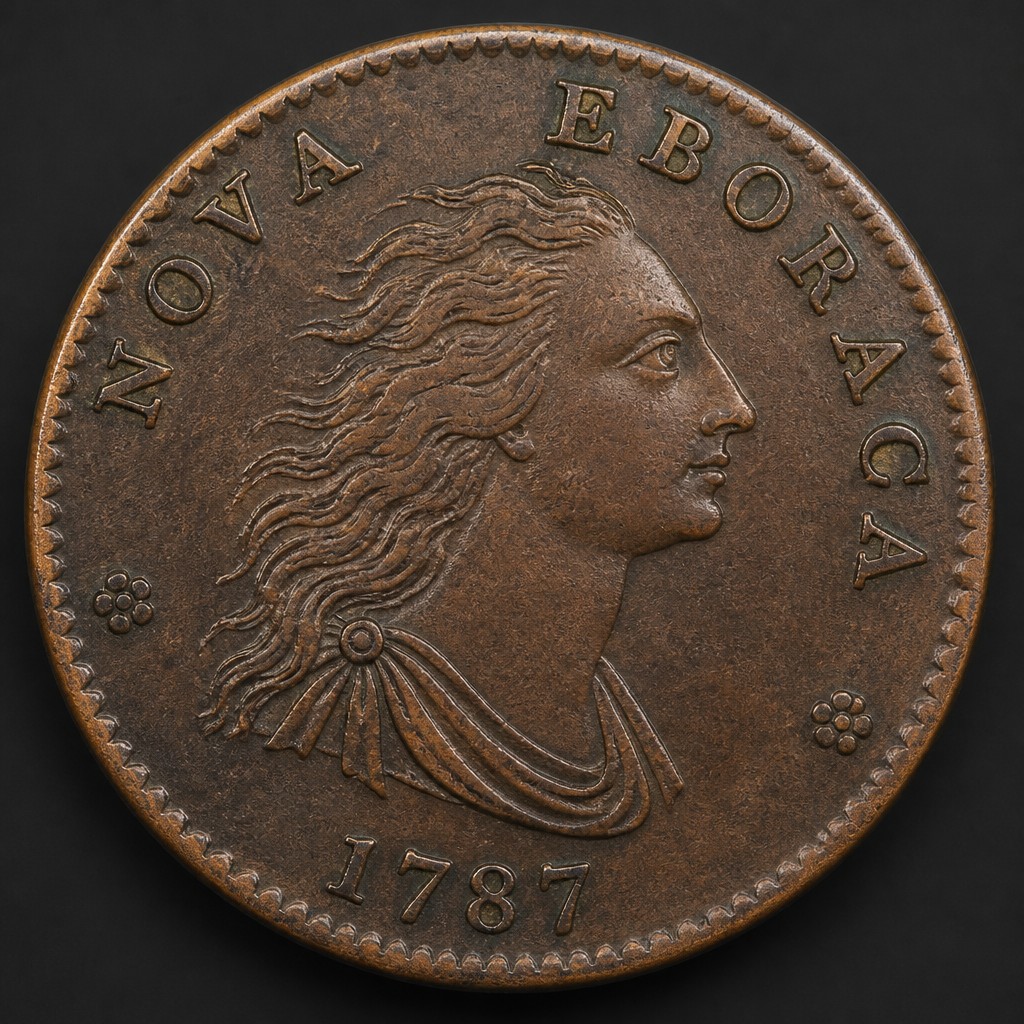
Nova Eborac Copper
1787
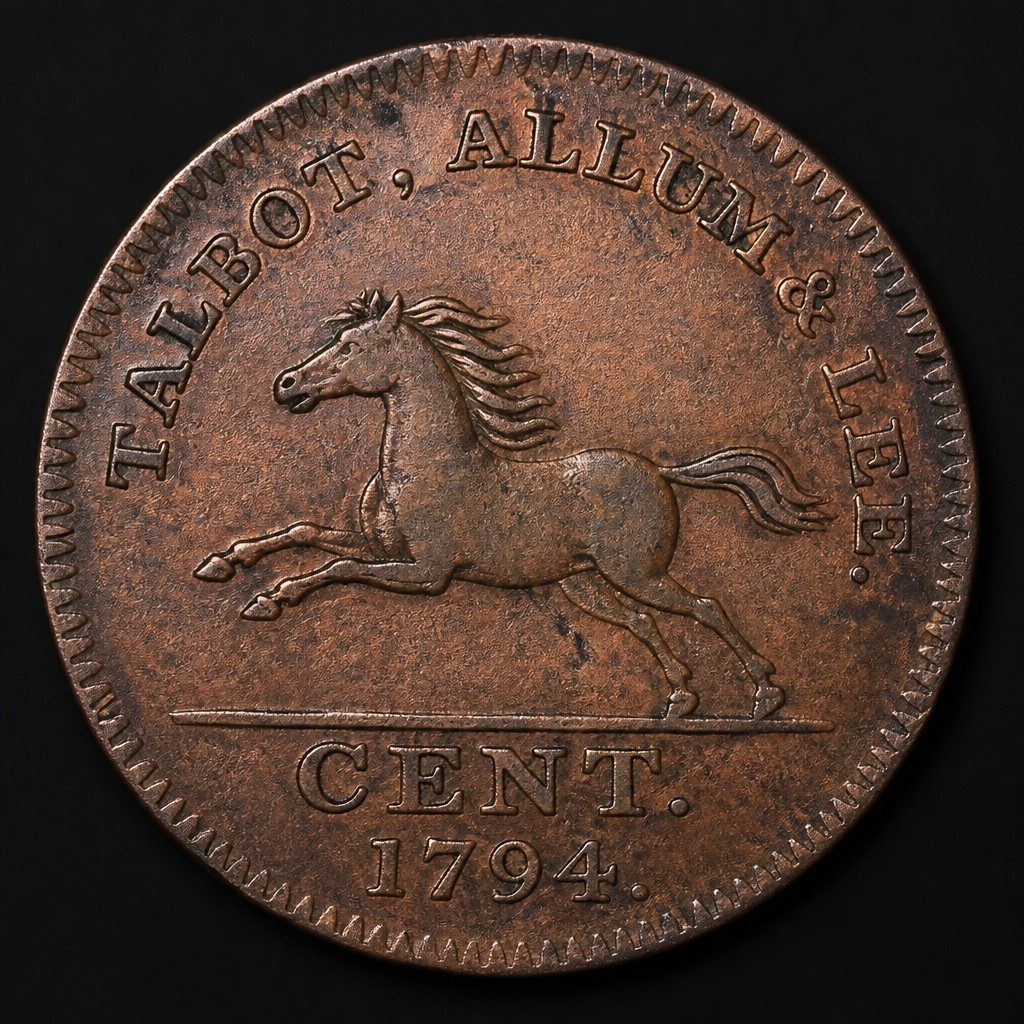
Talbot, Allum & Lee Cent
1794–1795
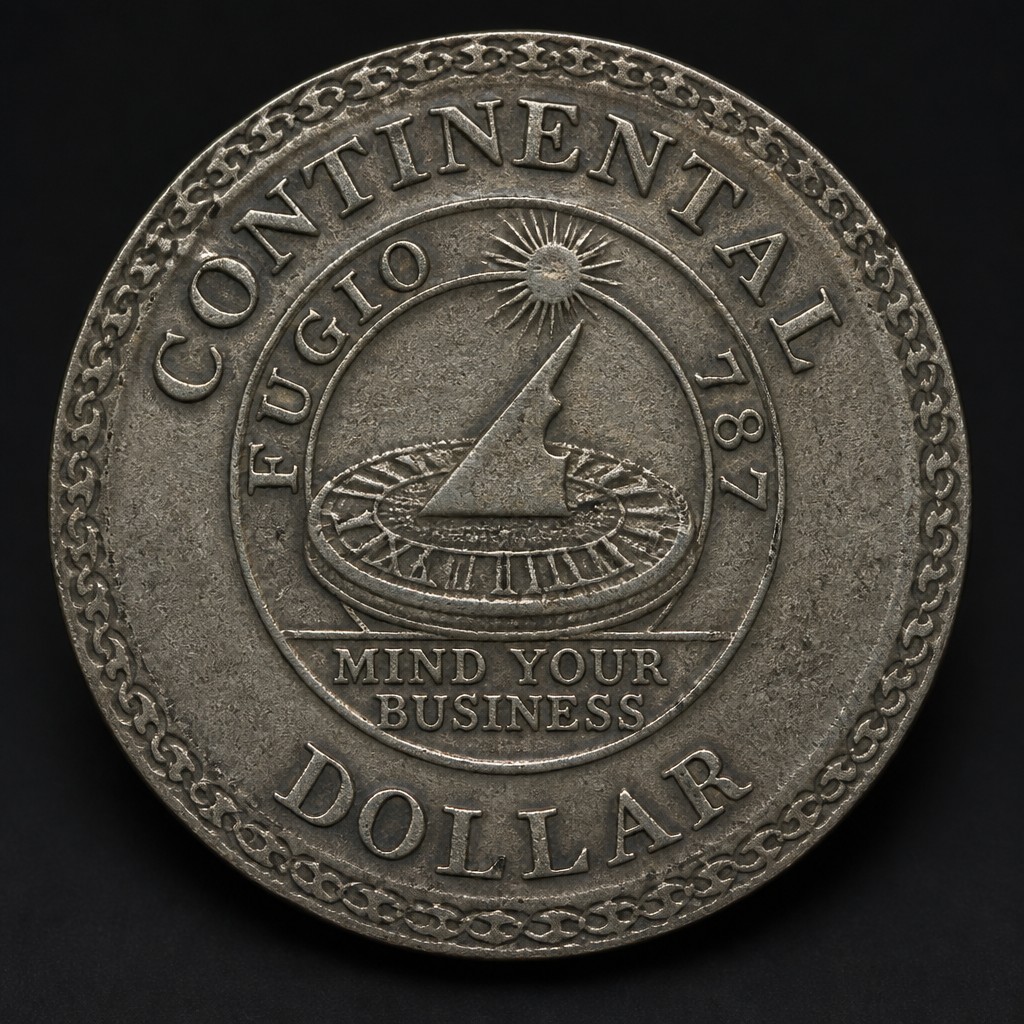
Continental Dollar
1776
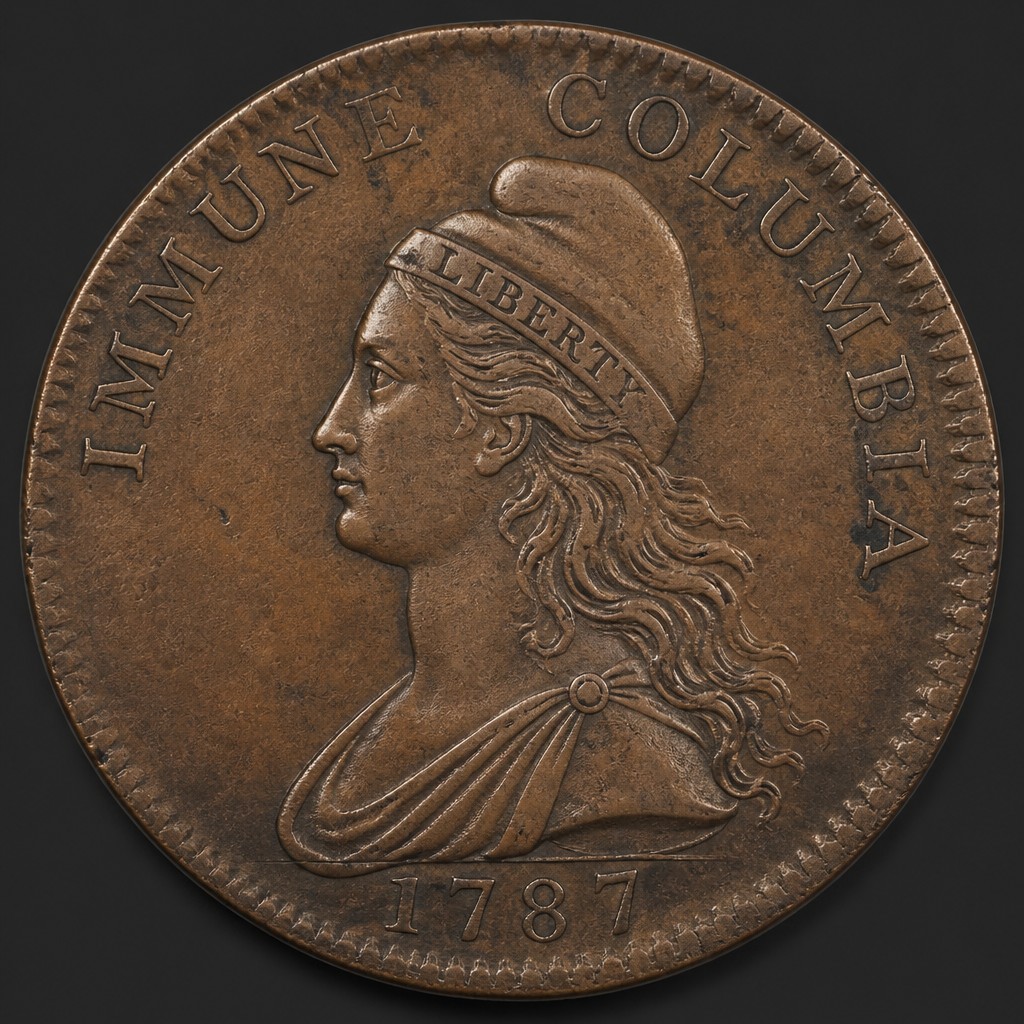
Immune Columbia Copper
circa 1785–1787
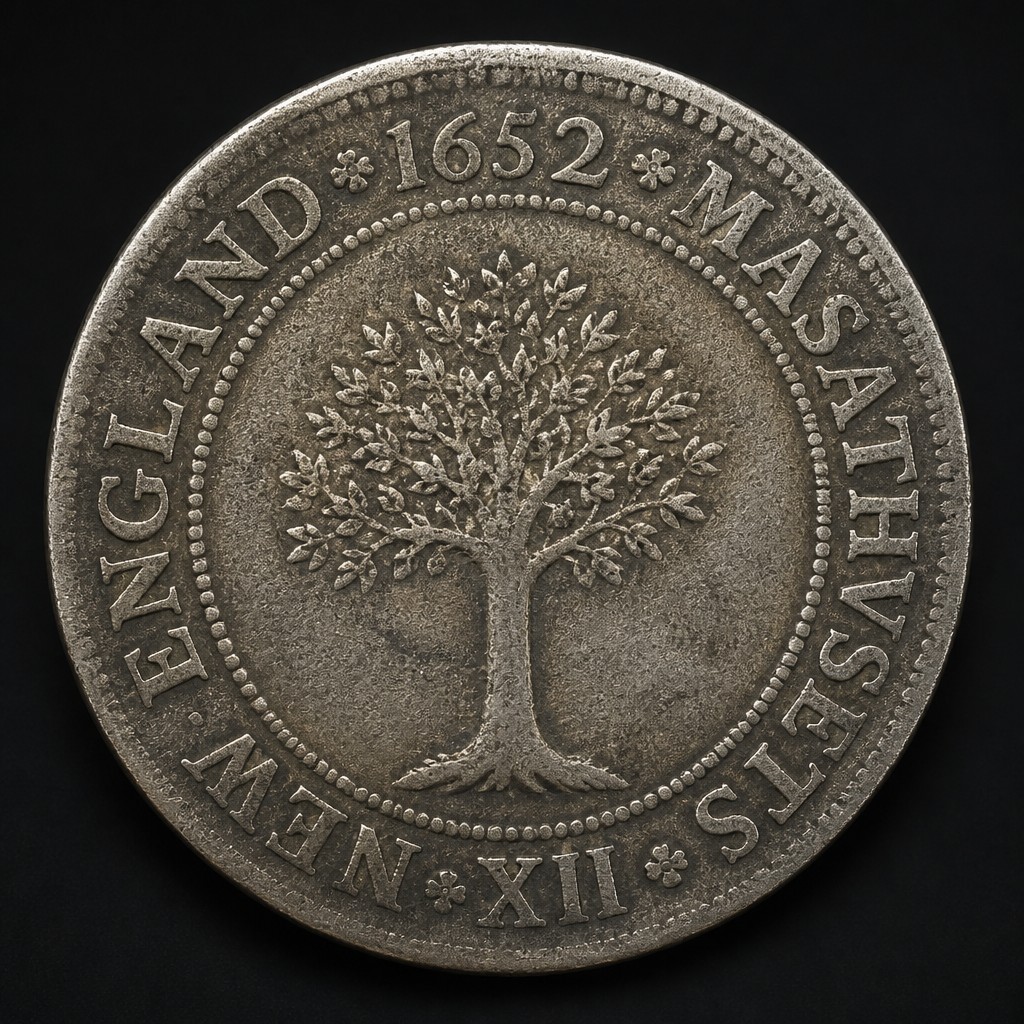
Massachusetts Oak Tree Shilling
Dated 1652, struck circa 1660–1667
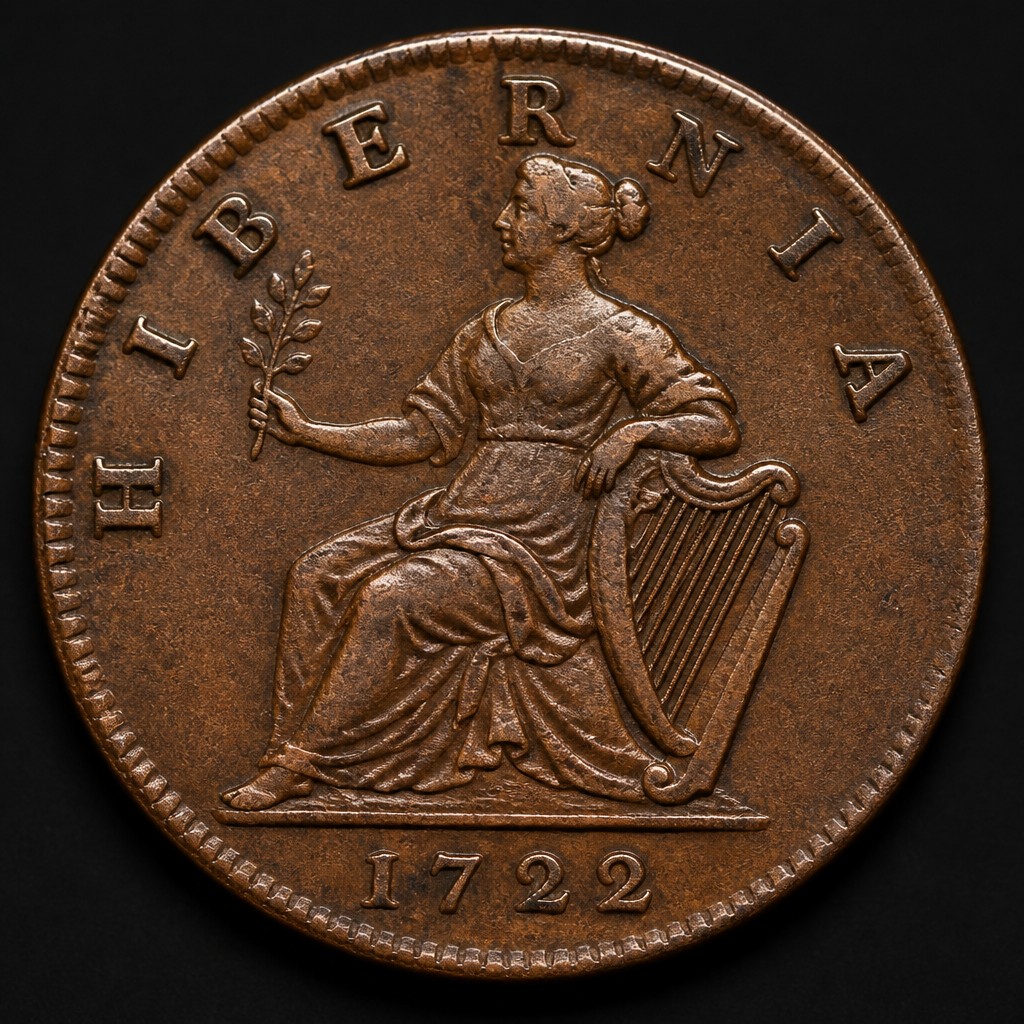
Wood's Hibernia Halfpenny
1722–1724
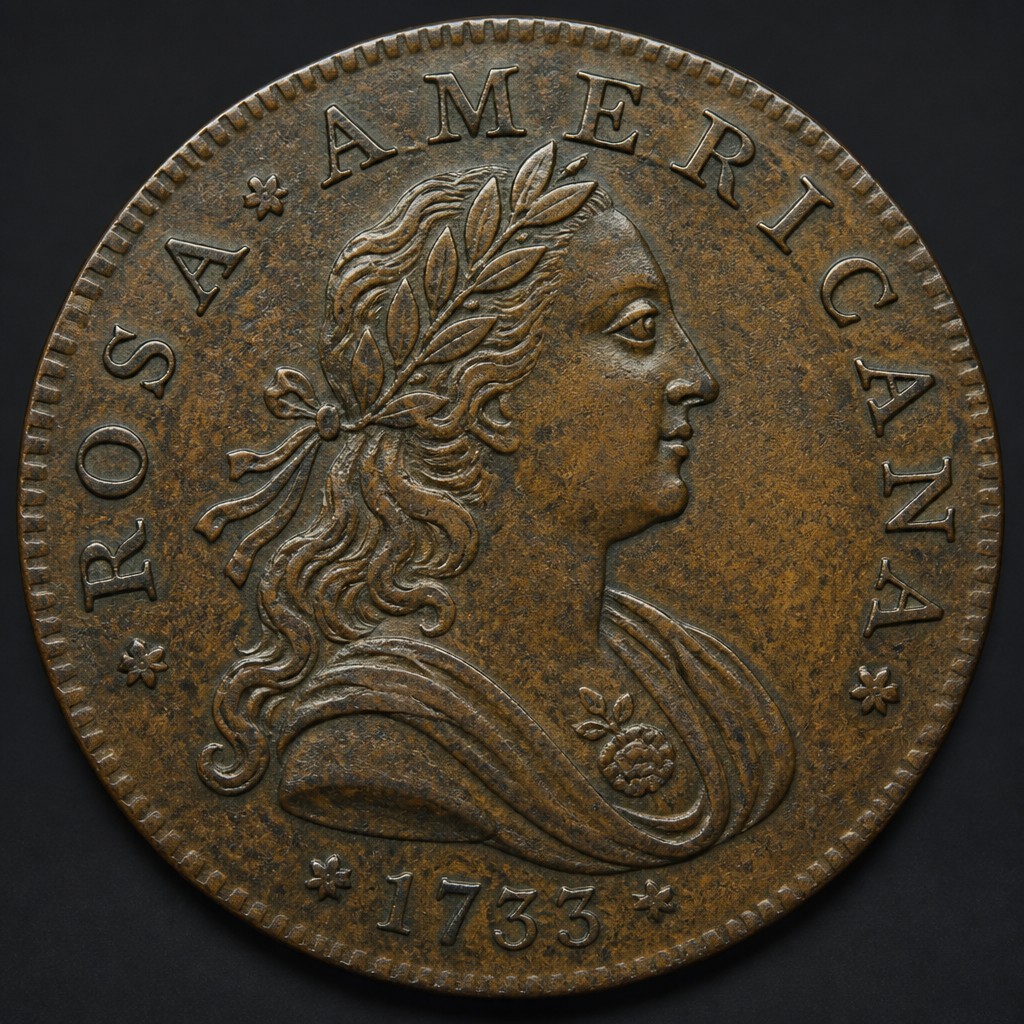
Rosa Americana Coinage
1722–1724 (with pattern issues dated 1733)
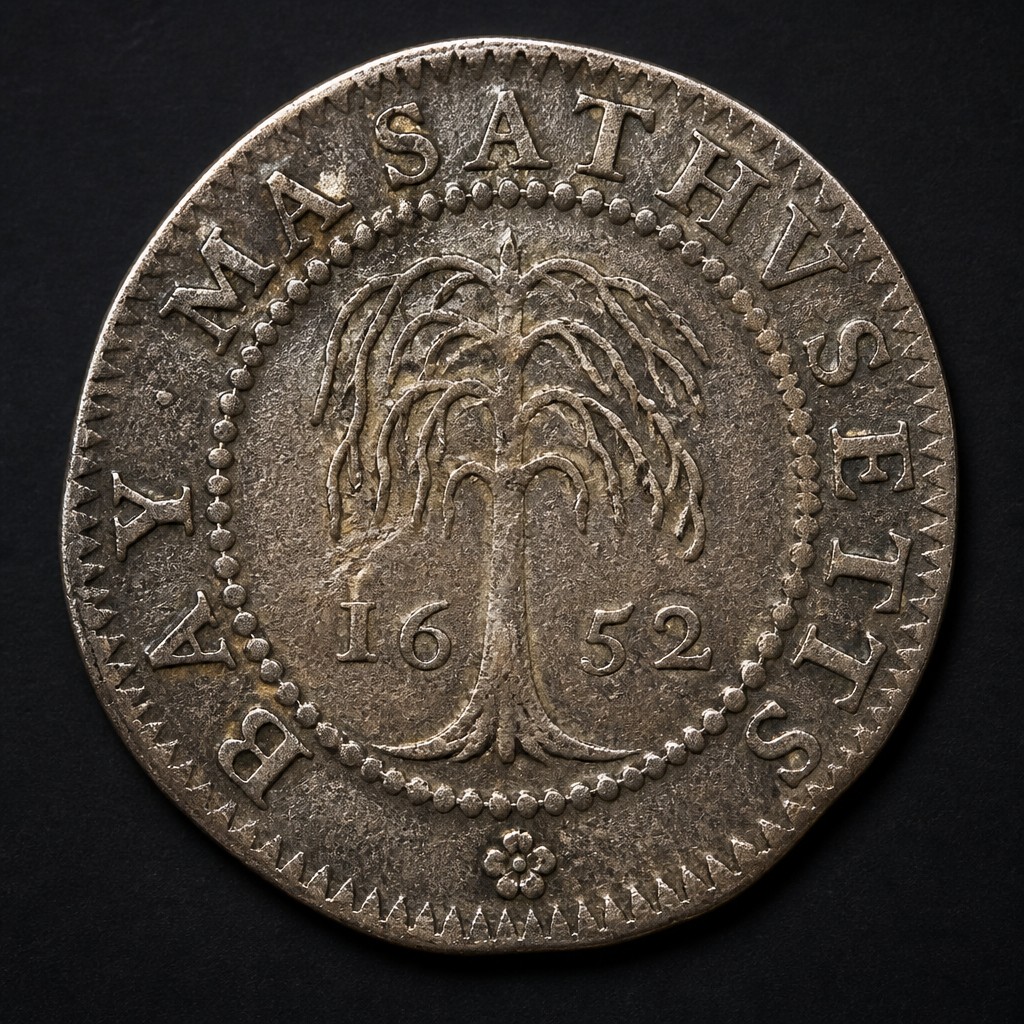
Massachusetts Willow Tree Shilling
Dated 1652, struck circa 1653–1660