Liberty Cap Large Cent
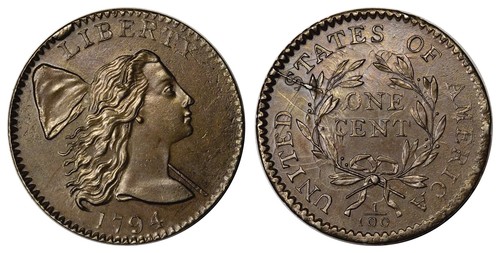
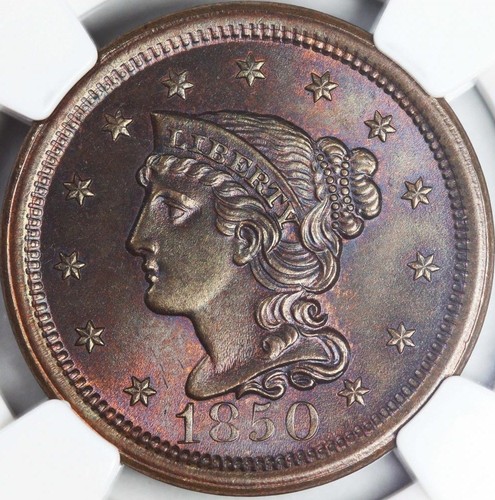
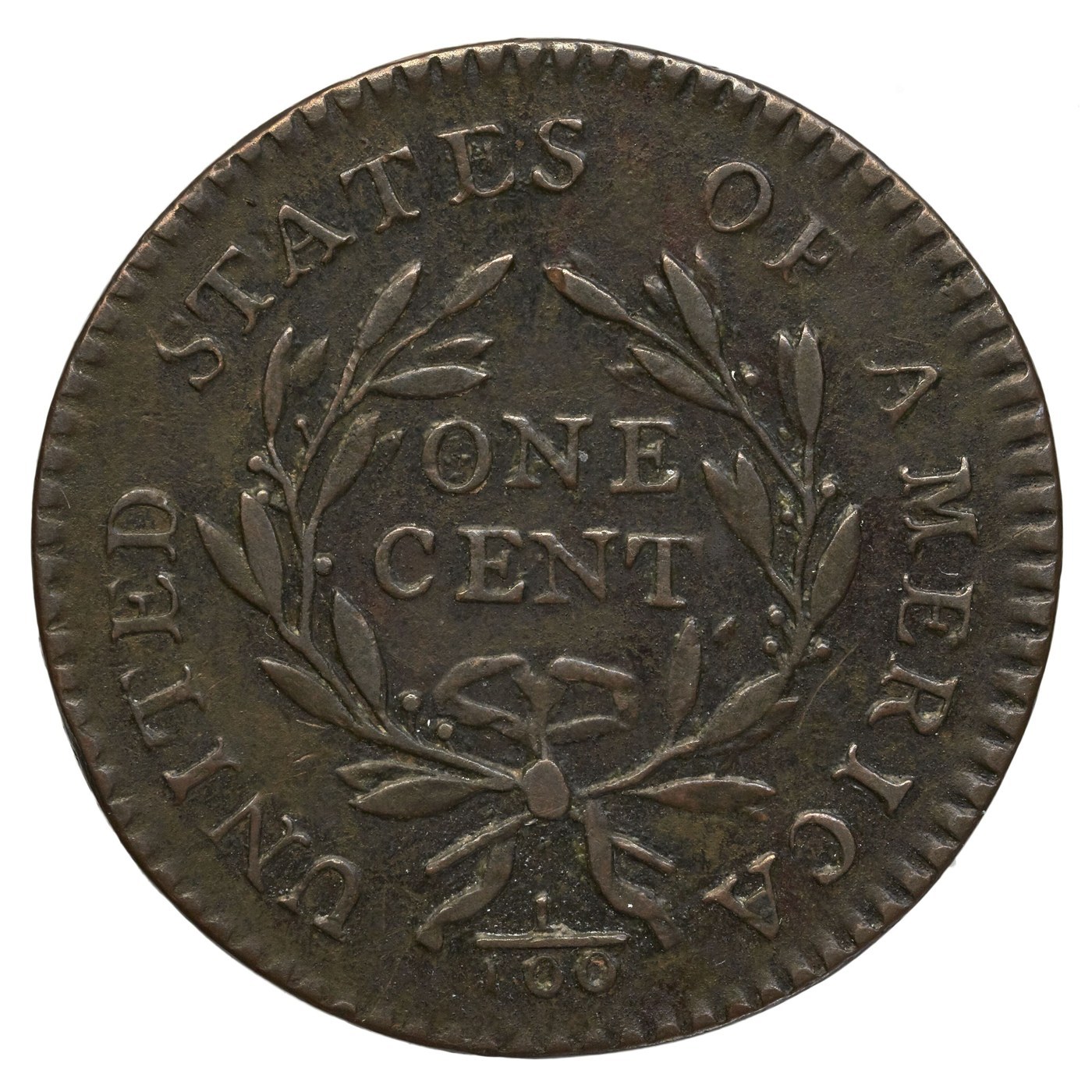
An early U.S. copper cent (1793-1796) showing Liberty with a cap on a pole, flowing hair, and a wreath reverse.
- Country
- United States
- Denomination
- 1 Cent
- Metal
- Copper
Got a coin like this?
Identify any coin from a photo, free.
Overview
The Liberty Cap Large Cent is one of the earliest one-cent coins struck by the United States Mint. It is a large copper piece, considerably bigger than a modern cent, and belongs to the family of "large cents" produced before the Mint reduced the coin's size in 1857.
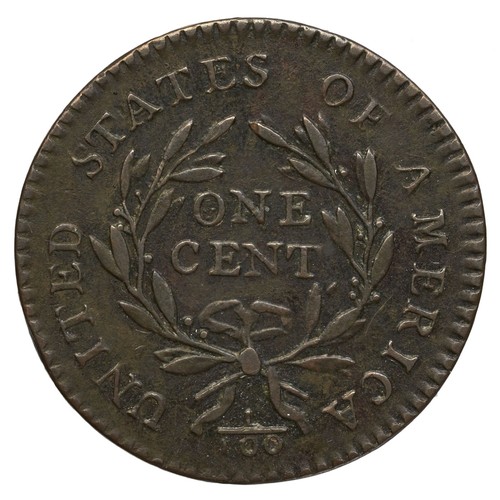
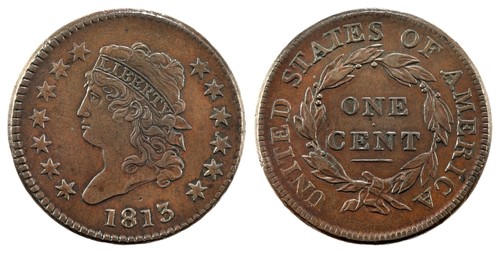
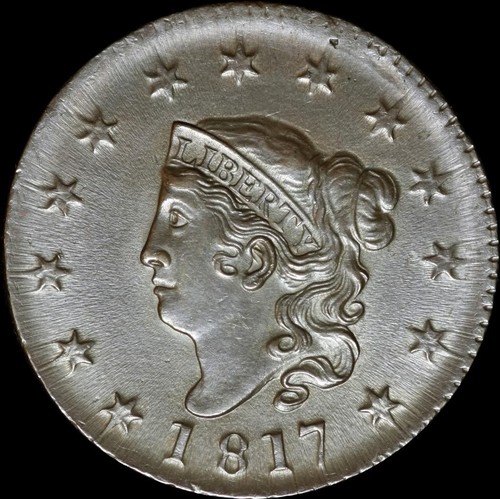
The design shows a right-facing bust of Liberty with flowing hair, and behind her head a soft cap on a pole a classical symbol of freedom which gives the type its name. The word LIBERTY appears above and the date below. The reverse carries a wreath encircling the words ONE CENT, with UNITED STATES OF AMERICA around the rim.
The example pictured here is dated 1794, one of the most collected years of the series because of its many die varieties.
History & Background
The Liberty Cap design first appeared in 1793, replacing the short-lived Flowing Hair "Chain" and "Wreath" cents that had drawn public criticism. It was produced at the Philadelphia Mint the only U.S. mint operating at the time and so the coins carry no mint mark.
The portrait was engraved by Joseph Wright and later refined by other Mint staff, which is why the bust style shifts noticeably across the short run. Collectors often speak of a "Head of 1793," "Head of 1794," and "Head of 1795" within the 1794-dated coins alone, reflecting ongoing die work.
The type was struck only from 1793 through 1796 before Liberty was redesigned again in the Draped Bust cent. Because these coins circulated heavily in a cash-poor early republic, most surviving examples show real wear.
How to Identify
Look first at the obverse: a right-facing Liberty with long flowing hair and a rounded cap set on a pole behind her head. LIBERTY arcs above the portrait and the four-digit date sits below. The reverse shows a single wreath tied with a bow, enclosing ONE CENT, with UNITED STATES OF AMERICA around the edge; a small fraction may appear beneath the wreath.
The coin is pure copper and large roughly the diameter of a modern U.S. half dollar and noticeably heavy for a cent. There is no mint mark, since all were struck in Philadelphia.
Edge treatment varies by year and variety; some carry lettering or ornamentation on the edge. Confirming the specific die variety usually requires close comparison to reference plates.
Value & Collectibility
Liberty Cap large cents are early, historically significant, and scarce, so even heavily worn examples typically trade for a few hundred dollars, and problem-free coins command more. Value is driven strongly by grade, surface quality (copper is prone to corrosion and cleaning), and the specific die variety.
The 1794 date is famous for its many varieties, some common and some quite rare, so two coins of the same year can differ enormously in price. High-grade or rare-variety pieces can reach the low- to mid-thousands of dollars and beyond.
Because condition and authenticity heavily affect value, meaningful appraisal should rely on professional grading rather than a quick visual estimate. Treat any figures here as general context, not a quote.
Frequently asked questions
Why is it called a "large" cent?
Early U.S. cents were struck in pure copper and were much bigger than today's cent about the size of a half dollar. The Mint kept this large format until 1857, when the small cent replaced it.
What does the cap on the pole mean?
It is a liberty cap (or Phrygian cap) on a staff, a long-standing classical emblem of freedom. Its presence behind Liberty's head is what distinguishes this type from the earlier Flowing Hair cents.
Does my 1794 cent have a mint mark?
No. All Liberty Cap cents were made at the Philadelphia Mint, which used no mint mark in this era, so a genuine coin will not carry one.
Is a worn 1794 cent still worth collecting?
Yes. Because of their age and scarcity, even well-circulated examples are collectible and generally carry meaningful value, though condition and variety make a large difference.
Liberty Cap Large Cent guides
In-depth guides for identifying, valuing, and collecting Liberty Cap Large Cent.