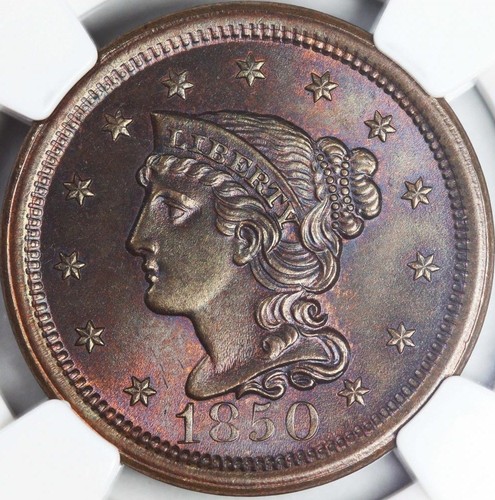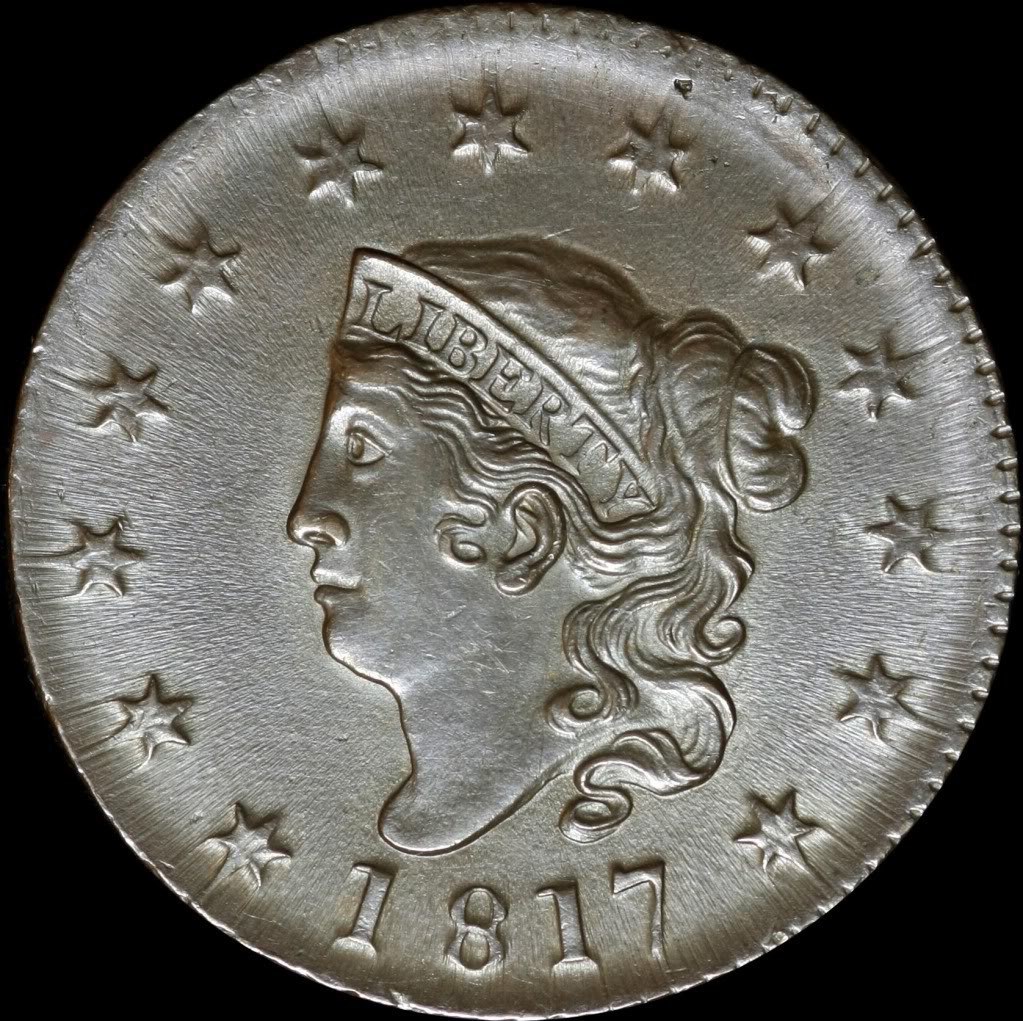
Coronet (Matron Head) Large Cent
A pure-copper U.S. one-cent piece from 1816–1839, showing Liberty in a beaded coronet on the obverse and ONE CENT inside a wreath.
- Country
- United States
- Denomination
- 1 Cent
- Metal
- Copper
Got a coin like this?
Identify any coin from a photo, free.
Overview
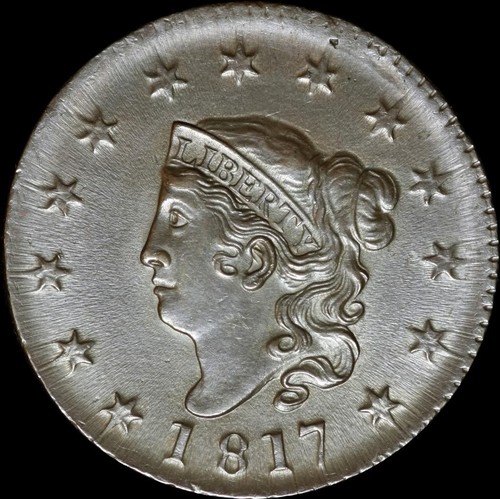
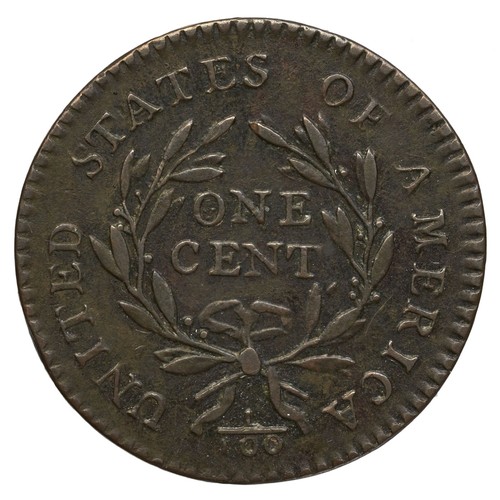
The Coronet Large Cent, popularly called the Matron Head cent, is a big copper one-cent coin struck by the United States Mint from 1816 to 1839. The obverse shows the profile bust of Liberty facing left, wearing a beaded band (coronet) inscribed LIBERTY, encircled by stars and the date. The reverse, as seen on this 1817 example, reads ONE CENT within a laurel wreath, surrounded by UNITED STATES OF AMERICA.
At roughly the diameter of a modern half dollar and struck in nearly pure copper, these cents feel substantial in the hand and were a workhorse of everyday commerce in the early Republic. The nickname "Matron Head" comes from the mature, full-cheeked portrait of Liberty used through the 1820s and early 1830s, distinguishing it from later, more youthful cent portraits.
Because they circulated heavily and copper wears and corrodes readily, most surviving pieces are well worn, and collectors prize the type for its early-American character and the wide range of die varieties documented for each year.
History & Background
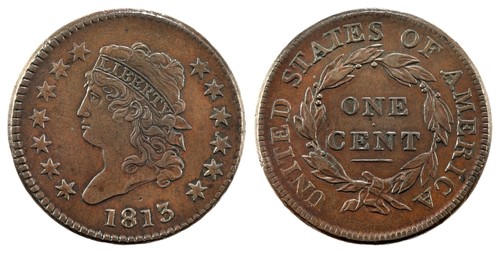
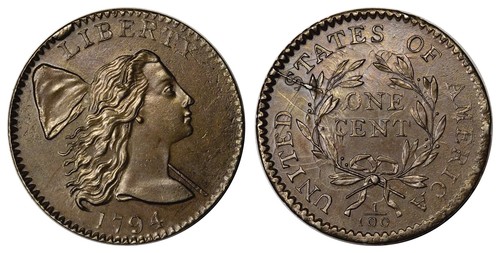
The Coronet cent debuted in 1816, following a gap in cent production caused by copper-supply disruptions during and after the War of 1812. It replaced the earlier Classic Head design and restored a steady flow of federal copper coinage from the Philadelphia Mint, the only facility striking cents at the time.
Throughout its run the design saw gradual modification. The early years feature the heavier, mature "Matron Head" portrait, while from the mid-1830s the bust was reworked into slimmer, younger-looking styles (sometimes called the Modified or Young Matron Head) that bridged toward the Braided Hair cent introduced in 1839. The 1817 date shown here falls squarely within the classic Matron Head phase and is known with both a common 13-star and a scarce 15-star obverse.
Large cents like this circulated until the Mint replaced the cumbersome copper piece with the smaller Flying Eagle cent in 1857. The whole series remains a cornerstone of early U.S. numismatics, studied year-by-year through detailed die-variety references.
How to Identify
Look for a large copper coin about 28–29 mm across (larger than a modern quarter) with a plain, non-reeded edge. The obverse carries a left-facing Liberty bust wearing a coronet lettered LIBERTY, ringed by stars with the four-digit date below. The reverse shows ONE CENT inside a laurel wreath with UNITED STATES OF AMERICA around the rim — there is no fraction and no mint mark, since every piece was struck at Philadelphia.
The portrait style helps place the date: rounded, mature "Matron Head" features indicate the 1816–early 1830s issues, while slimmer profiles point to the later 1830s. Star count, date-digit spacing, and small die differences separate the many varieties collected within each year.
Color ranges from original mint red (rare) through brown to dark chocolate; heavy wear, corrosion spots, and rim nicks are common on circulated survivors.
Value & Collectibility
As a heavily produced circulating coin, the Matron Head cent is affordable in worn grades, and common dates in well-circulated condition typically trade in the low-to-modest range that entry-level type collectors expect for early copper. Condition, eye appeal, and the absence of corrosion drive value far more than rarity for most dates.
Premiums rise sharply for scarce varieties (such as the 1817 fifteen-star obverse), tougher dates, and pieces with strong detail, smooth surfaces, and original color. Problem-free examples with clear LIBERTY and full wreath detail command a meaningful step up over corroded or heavily worn coins.
Values here are general context, not quotes: grade, variety, and market conditions vary widely, so consult recent auction records or a specialist for any specific coin.
Frequently asked questions
Why is it called the "Matron Head" cent?
The nickname refers to the mature, full-featured portrait of Liberty used on these cents, which collectors contrasted with the younger-looking heads on earlier and later cent designs.
Is a Coronet large cent made of pure copper?
Yes. Like other U.S. large cents of the era, it was struck in nearly pure copper with no silver or gold content, which is why worn examples often show brown or dark surfaces.
Does my 1817 cent have a mint mark?
No. All Matron Head cents were struck at the Philadelphia Mint, which used no mint mark, so the absence of one is normal and expected.
How big is this coin compared to a modern cent?
It is much larger — roughly 28–29 mm across, close to the size of a modern half dollar, versus the small 19 mm cent used today.
Coronet (Matron Head) Large Cent guides
In-depth guides for identifying, valuing, and collecting Coronet (Matron Head) Large Cent.