
How to Identify the Coronet (Matron Head) Large Cent
Step-by-step diagnostics for the 1816–1839 U.S. Coronet large cent: size, coronet portrait, wreath reverse, and how to avoid look-alikes.
Read the full Coronet (Matron Head) Large Cent encyclopedia entry →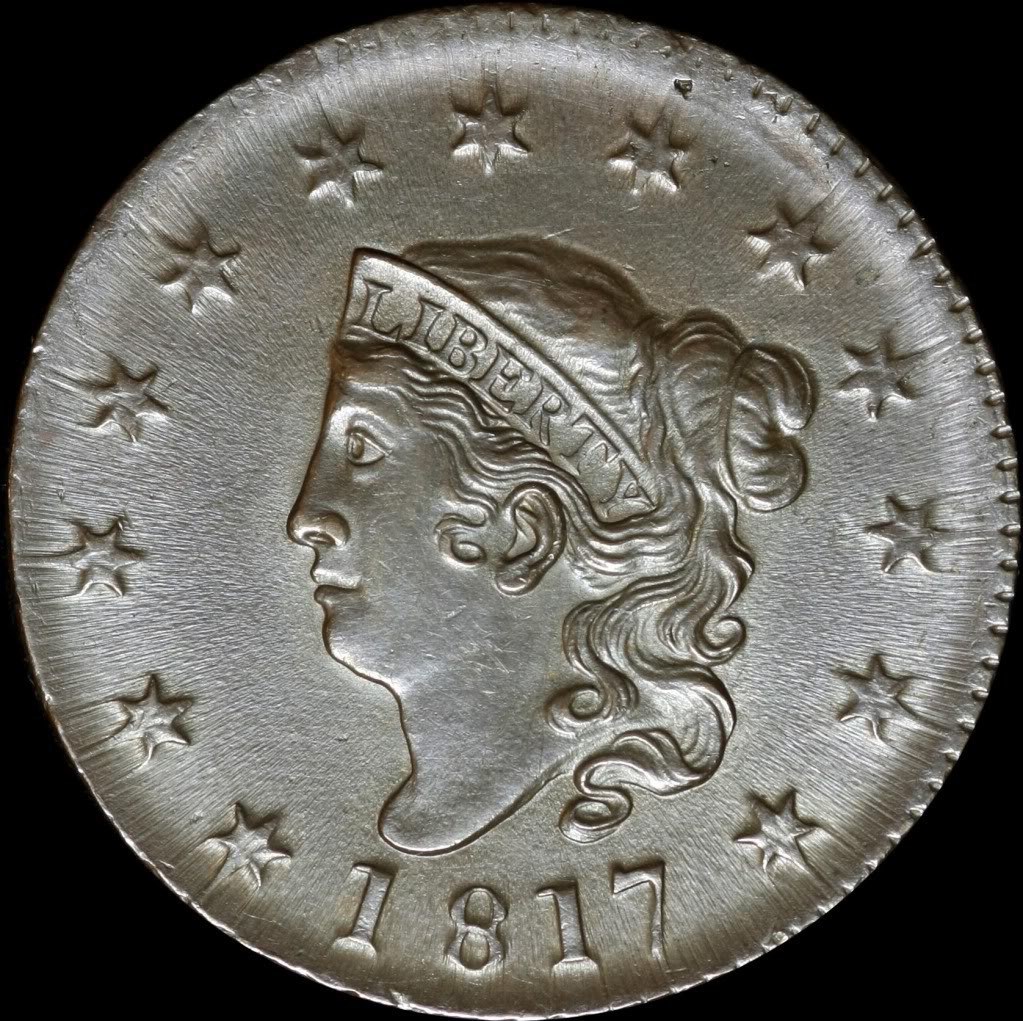
Start with size and metal. The Coronet cent is a large, heavy copper coin about 28–29 mm in diameter with a plain (non-reeded) edge. If the piece is small, silvery, or reeded, it is not this type. A genuine example is unmistakably copper, showing brown, chocolate, or occasionally reddish tones.
Check the obverse. You should see Liberty's bust facing left, wearing a beaded coronet band inscribed LIBERTY across the hair. Stars ring the portrait and the four-digit date sits below the bust. The number and arrangement of stars (typically 13, with a scarce 15-star obverse on 1817) is a key variety marker, so count them carefully. The maturity of the facial features also signals the date: rounded, matronly features indicate 1816 to the early 1830s.
Examine the reverse. It reads ONE CENT inside a laurel wreath, encircled by UNITED STATES OF AMERICA near the rim. There is no fraction and, importantly, no mint mark — every Matron Head cent was struck at Philadelphia. A mint letter or a denomination other than ONE CENT means you have a different coin.
Rule out look-alikes. The earlier Classic Head cent (1808–1814) also shows a left-facing Liberty but with a headband and different portrait, while the later Braided Hair cent (1839–1857) has neatly braided hair and a tidier, smaller head. Contemporary British and Canadian copper tokens are similar in size but carry different legends and devices; read the inscriptions to be sure.
Authenticate cautiously. Because copper is soft and old, expect wear, rim dings, and corrosion; but be wary of tooled, re-engraved, or cast fakes, especially on scarce varieties. Cast copies often show a soft, grainy surface and a seam on the edge. For any potentially valuable date or variety, weigh the coin, inspect it under magnification, and seek a specialist or third-party grading opinion before buying or selling.
Frequently asked questions
How do I tell a Matron Head cent from a Braided Hair cent?
The Matron Head shows a fuller, more mature portrait with a beaded coronet, while the Braided Hair cent (1839 onward) has neatly braided hair and a smaller, tidier head. Both share the wreath reverse, so use the portrait to decide.
What star counts should I look for?
Most obverses carry 13 stars. Some dates, notably 1817, are also known with a 15-star obverse, which is scarcer and worth verifying against a variety reference.
Could a dark, worn cent still be genuine?
Yes. Copper naturally darkens and wears, so brown or spotted surfaces are normal on circulated coins. Judge authenticity by size, design details, edge, and weight rather than color alone.
Is there any silver in this coin?
No. It is essentially pure copper. A silvery appearance usually means the coin is plated, cleaned harshly, or is actually a different denomination or type.