Classic Head Large Cent
A pure-copper U.S. large cent struck 1808–1814, showing John Reich's classical left-facing Liberty ringed by stars over a wreath reverse.
- Country
- United States
- Denomination
- 1 Cent
- Metal
- Copper
Got a coin like this?
Identify any coin from a photo, free.
Overview
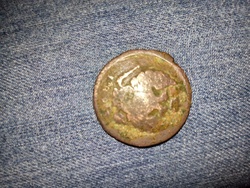
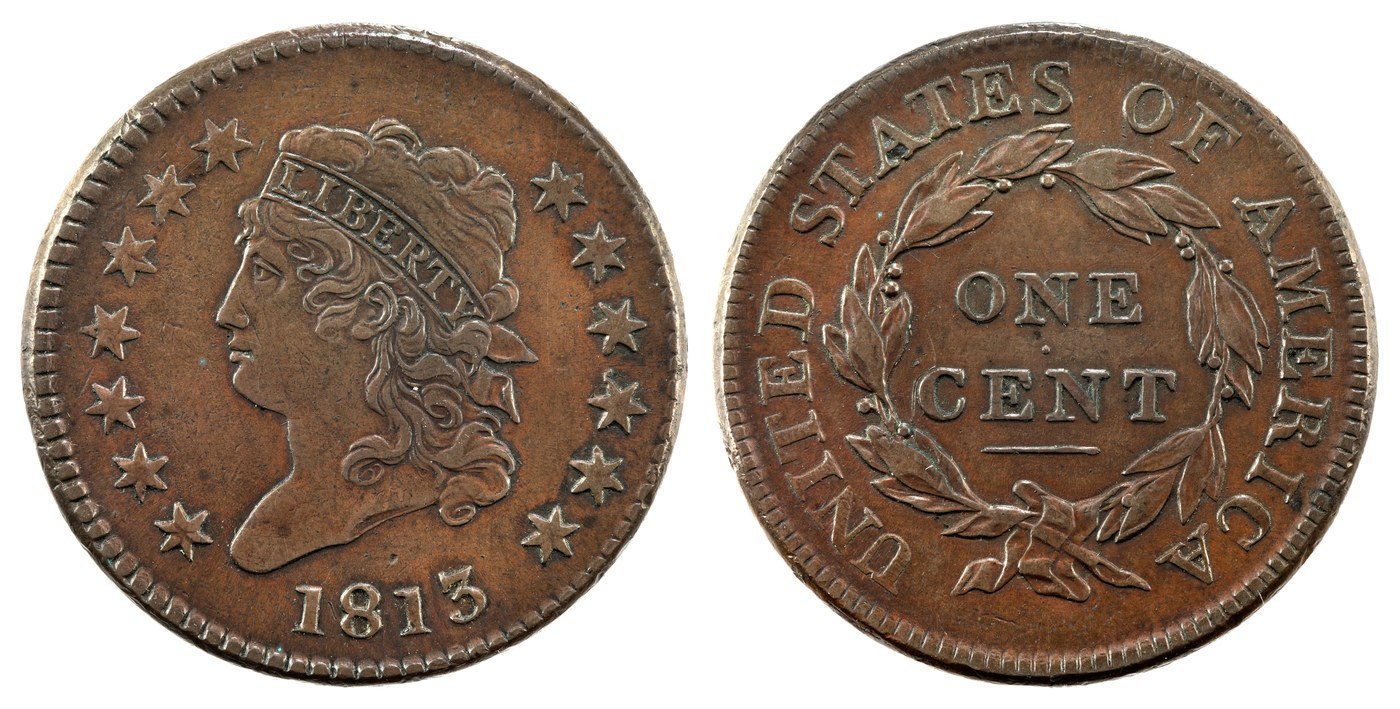
The Classic Head Large Cent is a United States one-cent piece struck in pure copper between 1808 and 1814 at the Philadelphia Mint. It takes its name from the classically styled portrait of Liberty on the obverse, whose curls are bound by a band inscribed "LIBERTY," recalling ancient Greek and Roman sculpture. The 1813 example shown here is a typical mid-run date for the type.
At roughly 29 mm across and about 10.9 grams, it is a large, hefty coin by modern standards, part of the broader U.S. large cent series that ran from 1793 into 1857. The design was the work of engraver John Reich, who reworked several U.S. coin portraits during this period.
The series is popular with collectors of early American copper because it is a distinct, short-lived design type. Surviving coins are frequently well worn and often show the dark, sometimes porous surfaces associated with the copper of the era.
History & Background
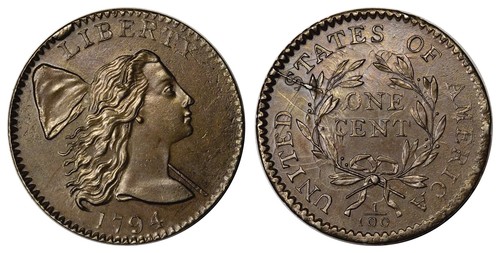
The Classic Head design was introduced in 1808 to replace the earlier Draped Bust large cent, and it was used through 1814. It was designed by John Reich, a German-born engraver working at the Philadelphia Mint, who applied the same classical Liberty motif to the contemporary half cent as well.
The type spans the years of the War of 1812, a period when the Mint struggled to obtain good-quality copper planchets, much of which had previously been imported from Britain. As a result, many Classic Head cents were struck on lower-grade copper and can show softness of strike and surface problems. No cents were struck for circulation in 1815, and when production resumed in 1816 the Mint adopted the new Coronet (Matron Head) design, ending the Classic Head type.
All Classic Head cents were produced at the Philadelphia Mint, the only U.S. mint operating at the time, so the coins carry no mint mark. Reported mintages for the type are modest by later standards, which contributes to the series' collector appeal today.
How to Identify
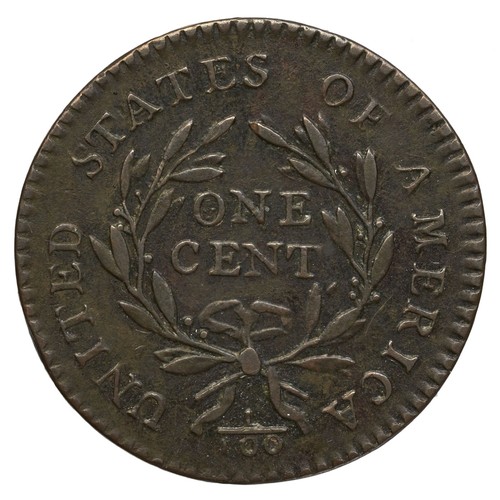
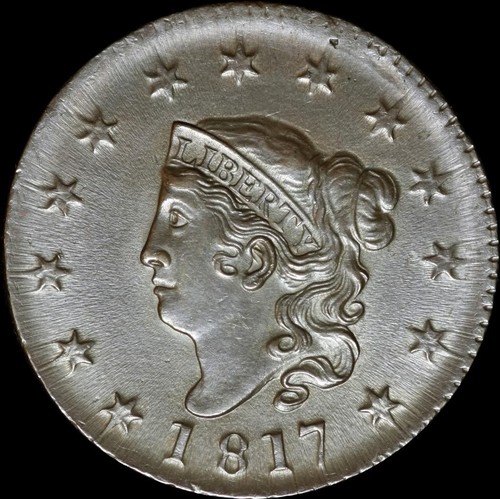
The obverse shows Liberty in left-facing profile with flowing curls, a band across the hair reading "LIBERTY," thirteen stars arranged around the border, and the date below. The classical, rounded portrait style is the quickest way to separate this type from the earlier Draped Bust and the later Coronet cents. The reverse displays a continuous wreath enclosing "ONE CENT," with "UNITED STATES OF AMERICA" around the rim; the edge is plain.
Size and metal are key confirmations: the coin is a large, pure-copper piece about 29 mm in diameter, clearly bigger than a modern cent and distinctly larger than the similar-looking Classic Head half cent. There are no mint marks on any coin of this type.
Dates run 1808 through 1814; the 1813 date on this example places it late in the series. Because the copper of this era was often poor, expect worn, dark, or lightly corroded surfaces on many genuine examples, and read the date and stars carefully, as they are frequently soft.
Value & Collectibility
Even heavily worn Classic Head cents typically carry a collector premium well above face value, often in the range of tens of dollars, because the type is scarcer and older than most U.S. copper. Problem-free, clearly detailed examples command more, and higher-grade or better-color pieces can reach the hundreds or thousands of dollars at auction.
Value depends heavily on date, surface quality, and eye appeal. Coins with smooth, glossy brown surfaces are far more desirable than the porous or corroded pieces common to the series, and the scarcer dates of the run bring stronger prices than more available ones.
Because condition and originality matter so much for early copper, and because problems like cleaning or corrosion sharply reduce value, significant coins are best evaluated in hand or through professional grading rather than by date alone. Figures here are general context, not quotes for a specific coin.
Frequently asked questions
Why is it called a "Classic Head" cent?
The name refers to the classical, Greco-Roman style of Liberty's portrait, whose curls are bound by a band reading "LIBERTY," evoking ancient sculpture. It was designed by John Reich and used from 1808 to 1814.
Does my Classic Head cent have a mint mark?
No. Every Classic Head large cent was struck at the Philadelphia Mint, which used no mint mark at the time, so a genuine coin will not show one.
Why are so many of these coins dark or rough?
The Mint often used lower-quality copper during this period, partly due to import disruptions around the War of 1812. Many coins were struck on inferior planchets and have since developed dark or porous surfaces.
How can I tell it apart from a Classic Head half cent?
The designs are similar, but the large cent is bigger (about 29 mm) and its reverse reads "ONE CENT," while the smaller half cent reads "HALF CENT."
Classic Head Large Cent guides
In-depth guides for identifying, valuing, and collecting Classic Head Large Cent.
Classic Head Large Cent identified by the community
Real coins identified with Coin Identifier.