
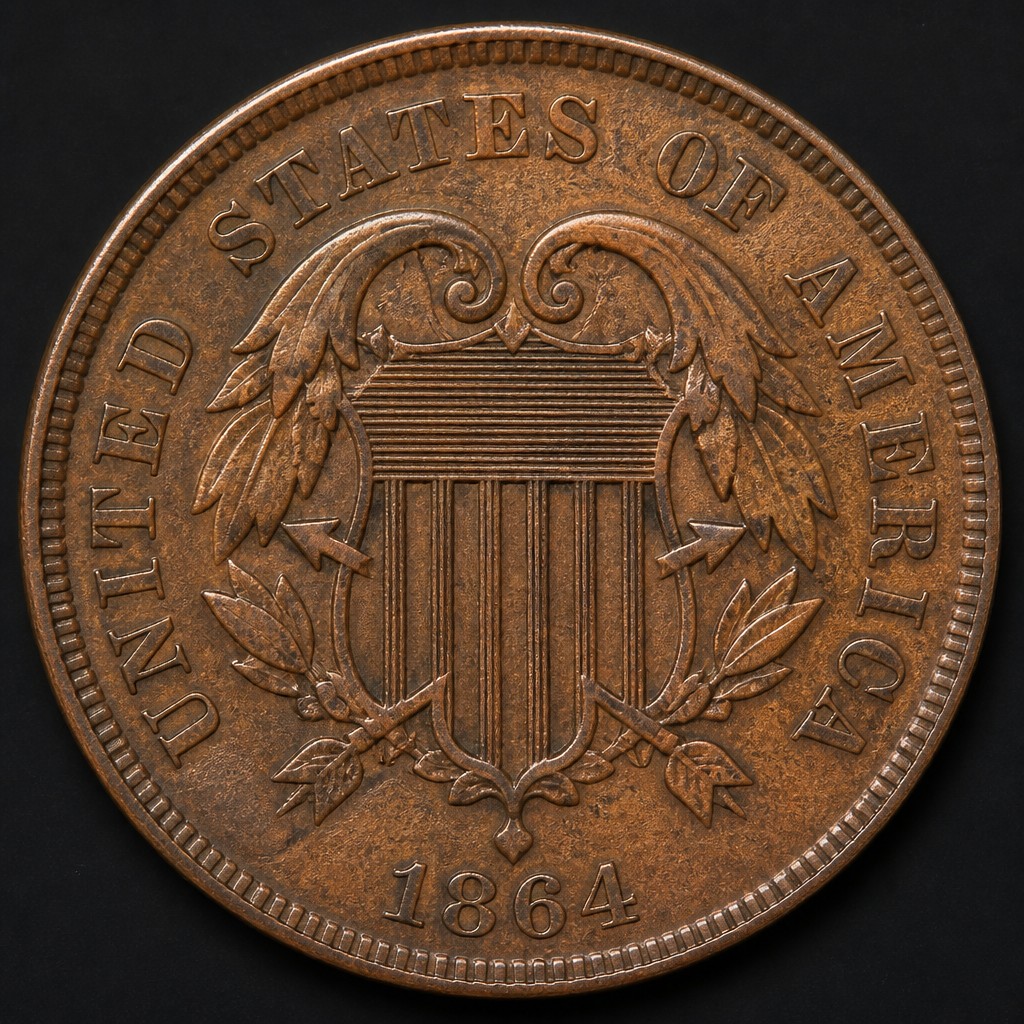
1864 Two-Cent Piece
The debut year of the two-cent piece, the first US coin to bear the motto In God We Trust, issued in Small Motto and Large Motto varieties.
- Country
- United States
- Denomination
- Two Cents
- Metal
- Bronze (95% Copper, 5% Tin and Zinc)
Got a coin like this?
Identify any coin from a photo, free.
Overview
The 1864 Two-Cent Piece introduced an entirely new denomination to US coinage and holds the distinction of being the first American coin ever to carry the motto 'In God We Trust.' It was designed by Chief Engraver James B. Longacre and struck in the same bronze alloy newly adopted for the Indian Head cent that same year.
Collectors value 1864 two-cent pieces both for their historic first-year status and for the two distinct motto varieties struck within the year, one of which is notably scarcer than the other. The denomination itself proved short-lived, lasting only a decade, but its first year remains one of the most historically important single issues in American coinage.
History & Background
Coin shortages during the Civil War, driven by hoarding of gold and silver, left Americans short of small change. Congress authorized the two-cent piece in April 1864 as a stopgap denomination made of bronze, a metal not worth hoarding.
The motto 'In God We Trust' was added at the urging of Secretary of the Treasury Salmon P. Chase, who had received public appeals during the war to acknowledge divine providence on US coinage. The two-cent piece became the first coin to carry the phrase, which later spread to other denominations and eventually became a required inscription on all US coins.
Two motto styles were used in 1864: an early, smaller-lettered 'Small Motto' die, and a revised 'Large Motto' die used for the bulk of the year's production after the original punches proved unsatisfactory.
How to Identify
The obverse shows a shield similar to the Shield Nickel's, with two crossed arrows below it and a ribbon above bearing 'IN GOD WE TRUST' in the field. The reverse displays '2 CENTS' within a wheat wreath. All two-cent pieces were struck at the Philadelphia mint and carry no mintmark.
To distinguish the Small Motto from the Large Motto variety, examine the lettering of 'IN GOD WE TRUST': on the Small Motto, the letters are noticeably smaller and the D in GOD is very close to the ribbon's lower edge, while the Large Motto shows larger, bolder lettering with more even spacing. Comparing a suspected coin to reference images of both varieties side by side is the most reliable way to tell them apart, since the difference is subtle to an untrained eye.
Value & Collectibility
The 1864 Large Motto is common enough to be an affordable representative of the series and the type in general. The 1864 Small Motto, by contrast, is a recognized condition rarity and key variety, valued many times higher than its Large Motto counterpart even in worn grades, with well-preserved examples reaching well into four or five figures.
Because so few Small Motto coins survive in high grade, authentication services are frequently used to confirm the variety before a significant purchase. General condition, strike quality, and originality of surfaces all affect value across both varieties.
Frequently asked questions
What makes the 1864 two-cent piece historically significant?
It was the first US coin ever struck with the motto In God We Trust.
What is the difference between Small Motto and Large Motto?
The lettering size and spacing of IN GOD WE TRUST differs, with the Small Motto being noticeably smaller and scarcer than the later Large Motto die.
Which variety is more valuable?
The Small Motto variety is significantly rarer and more valuable than the Large Motto variety in nearly every grade.
What metal is the two-cent piece made of?
The same bronze alloy (95% copper, 5% tin and zinc) adopted for the Indian Head cent in 1864.
Other coins you may enjoy
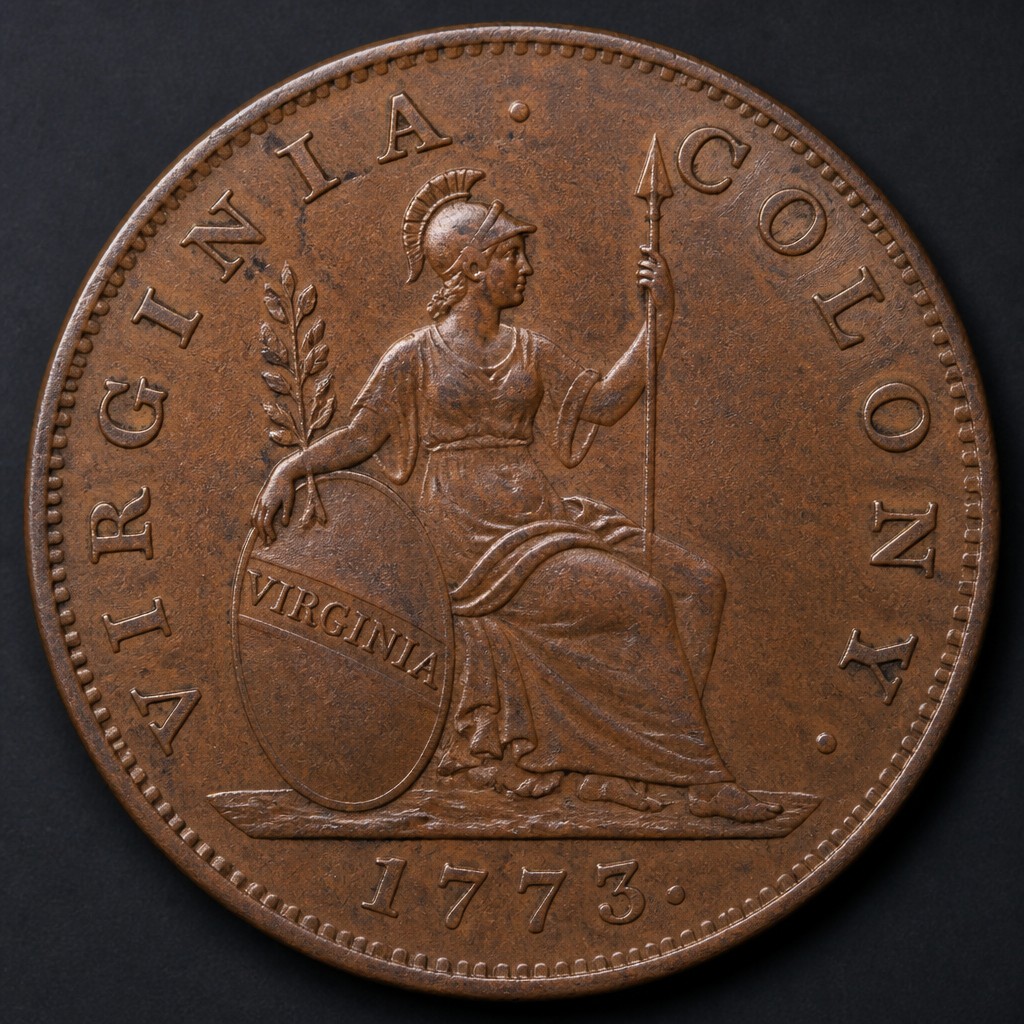
Virginia Halfpenny
1773
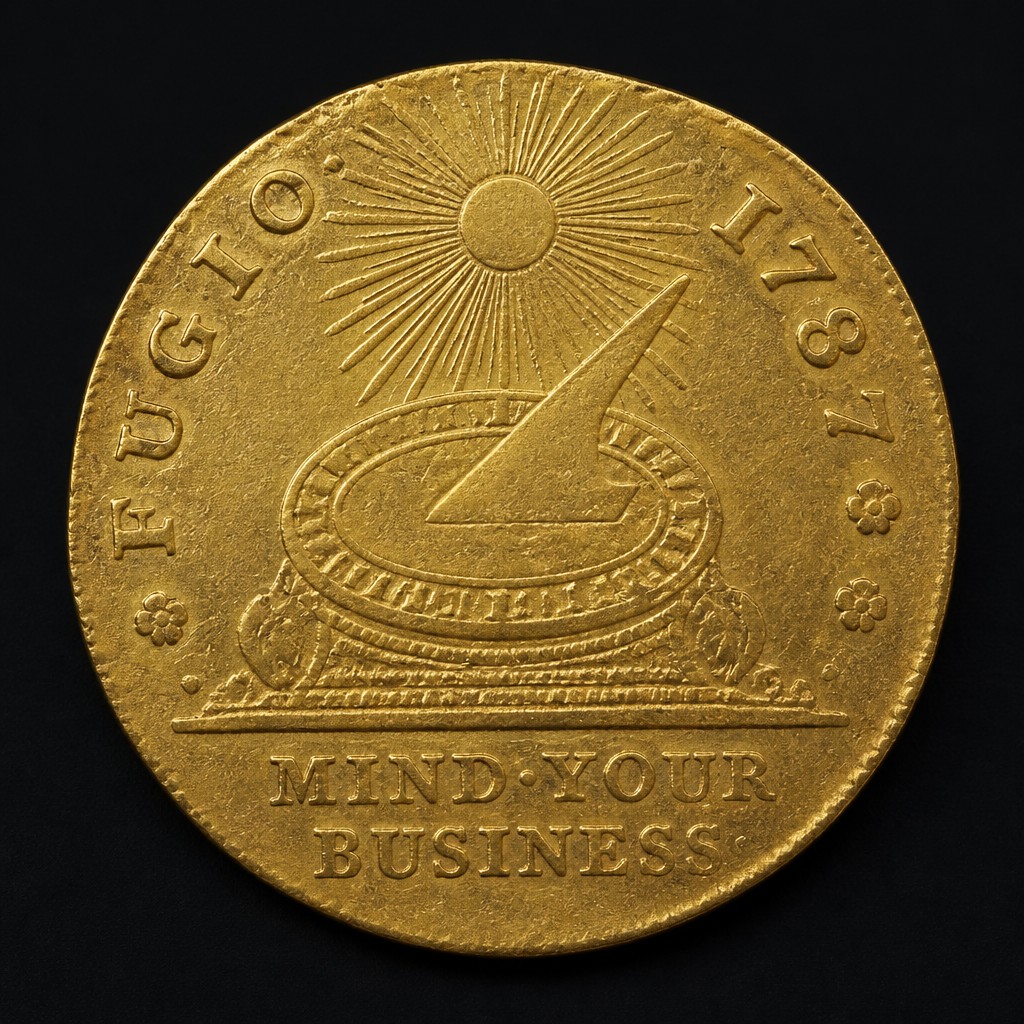
Brasher Doubloon
1787
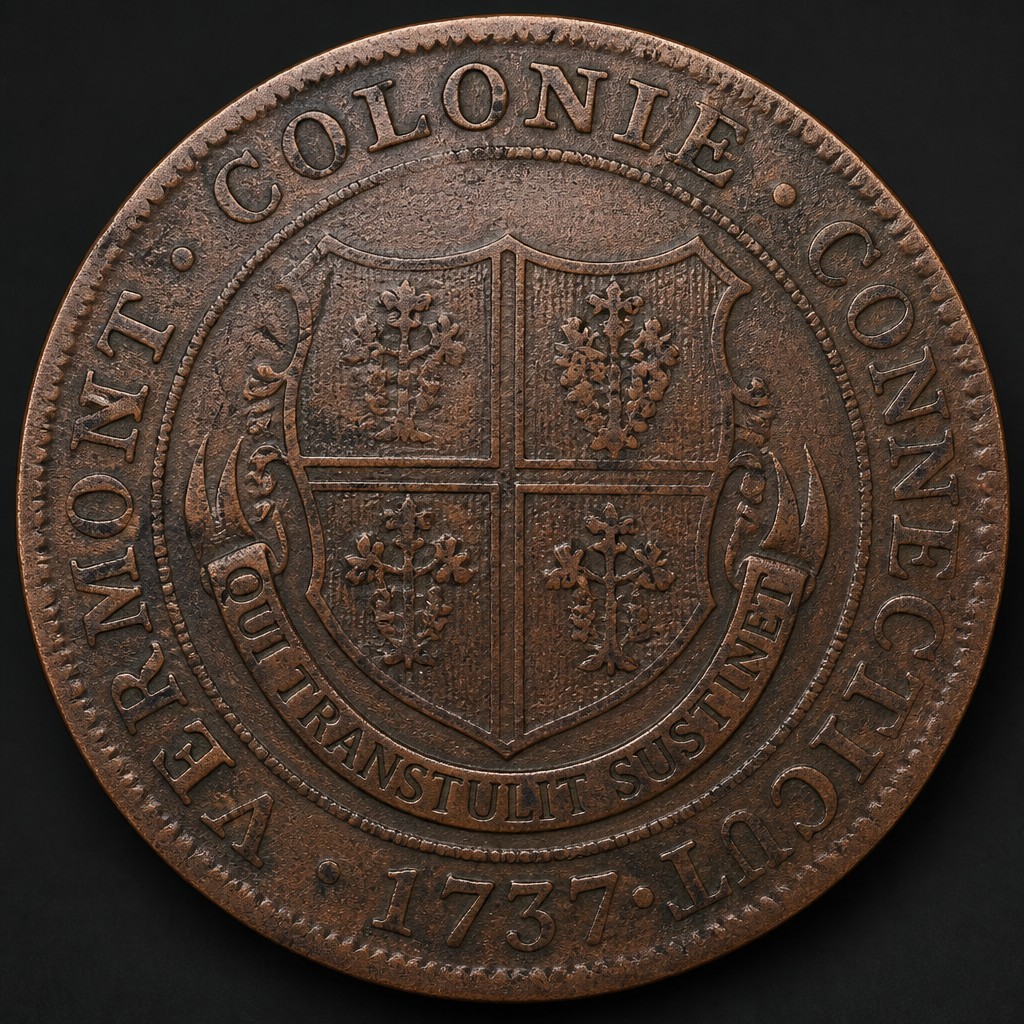
Higley Copper
1737–1739
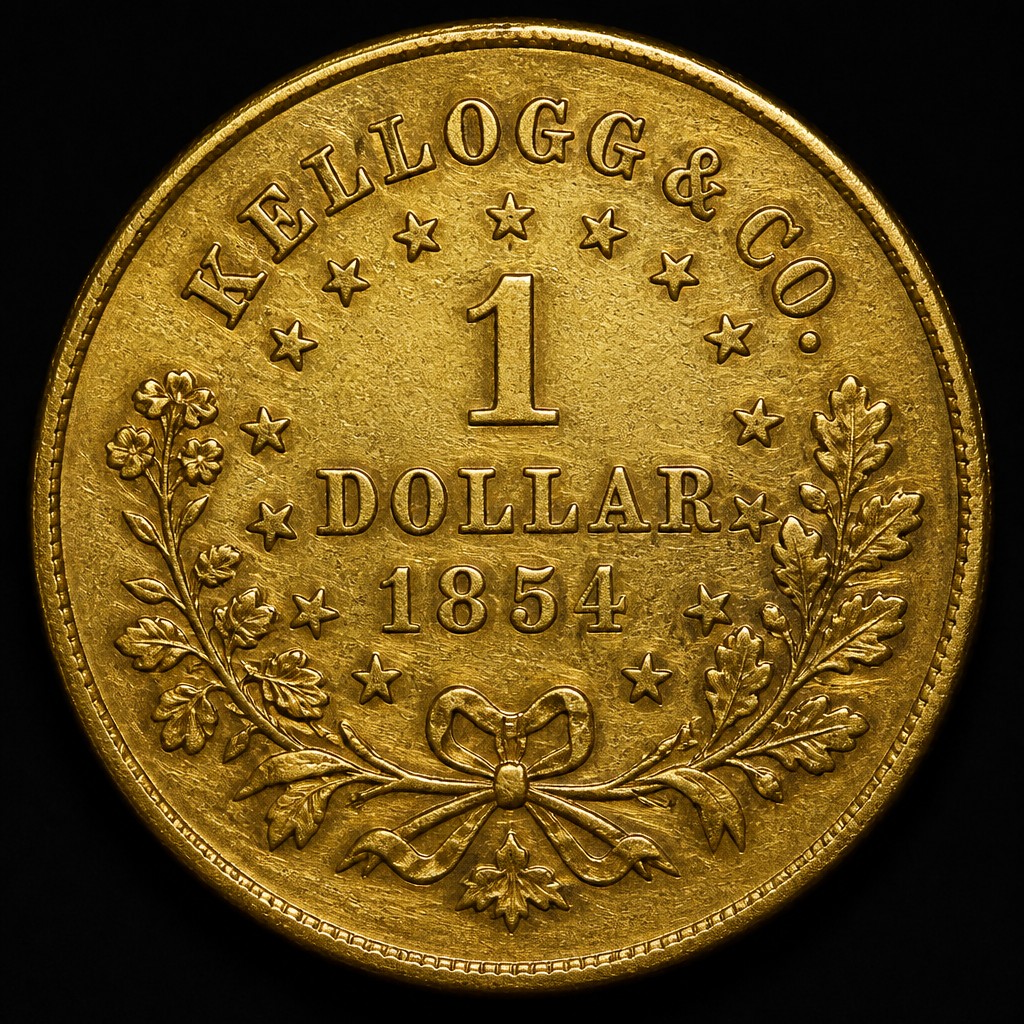
Kellogg & Co. Gold Piece
1854–1855
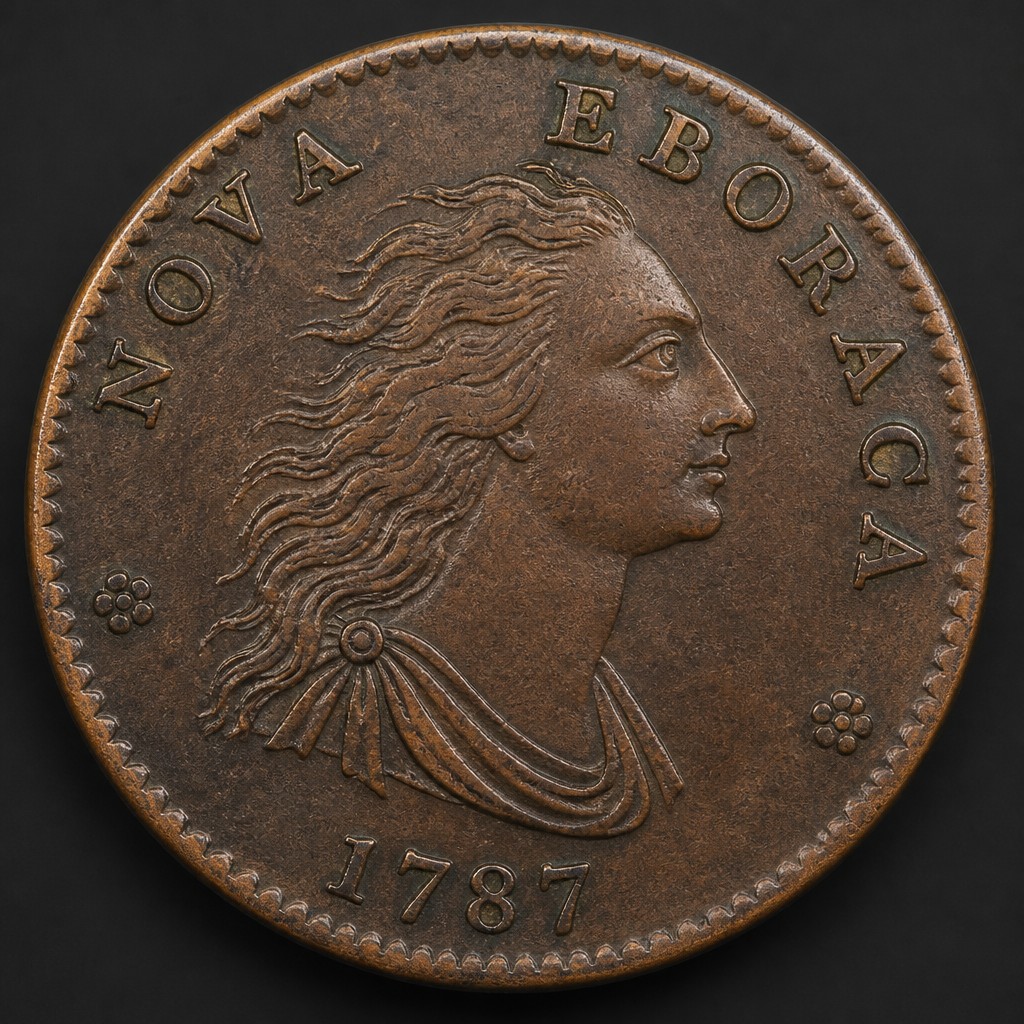
Nova Eborac Copper
1787
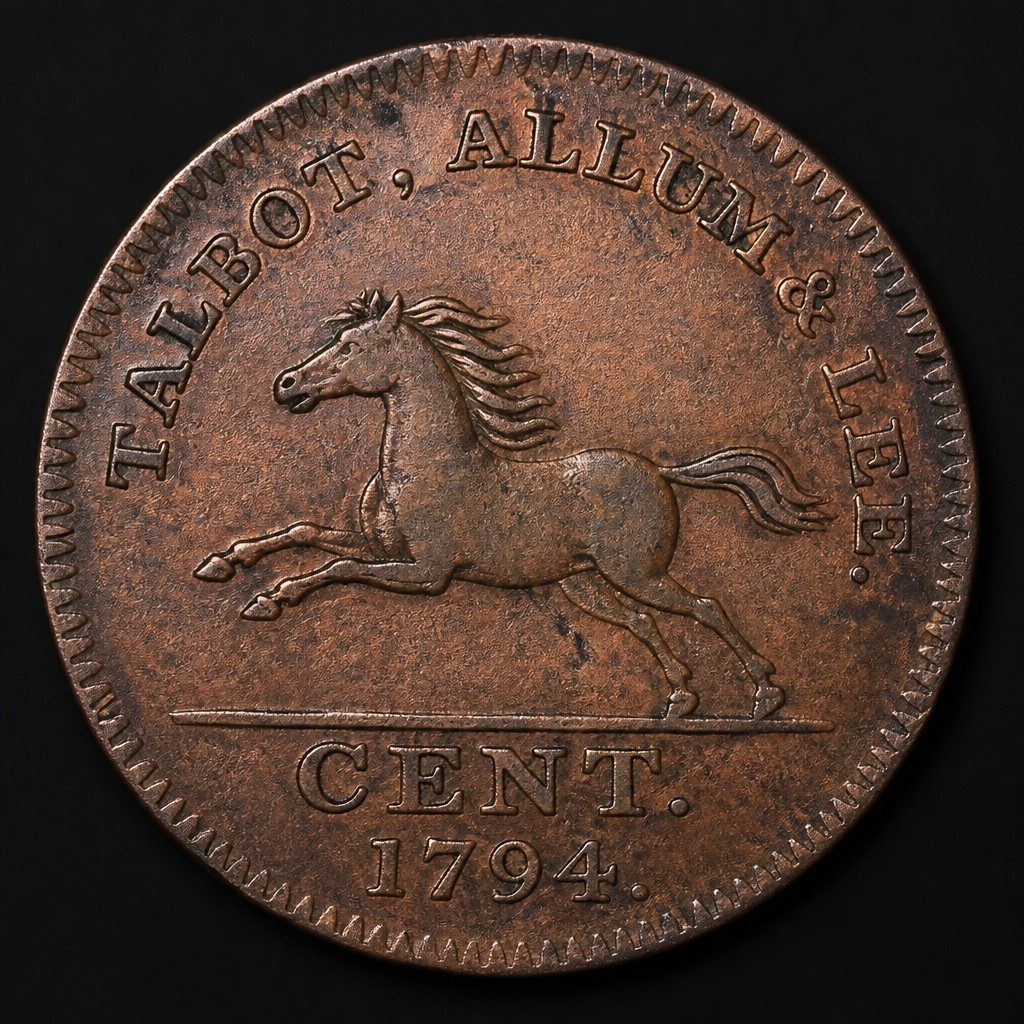
Talbot, Allum & Lee Cent
1794–1795
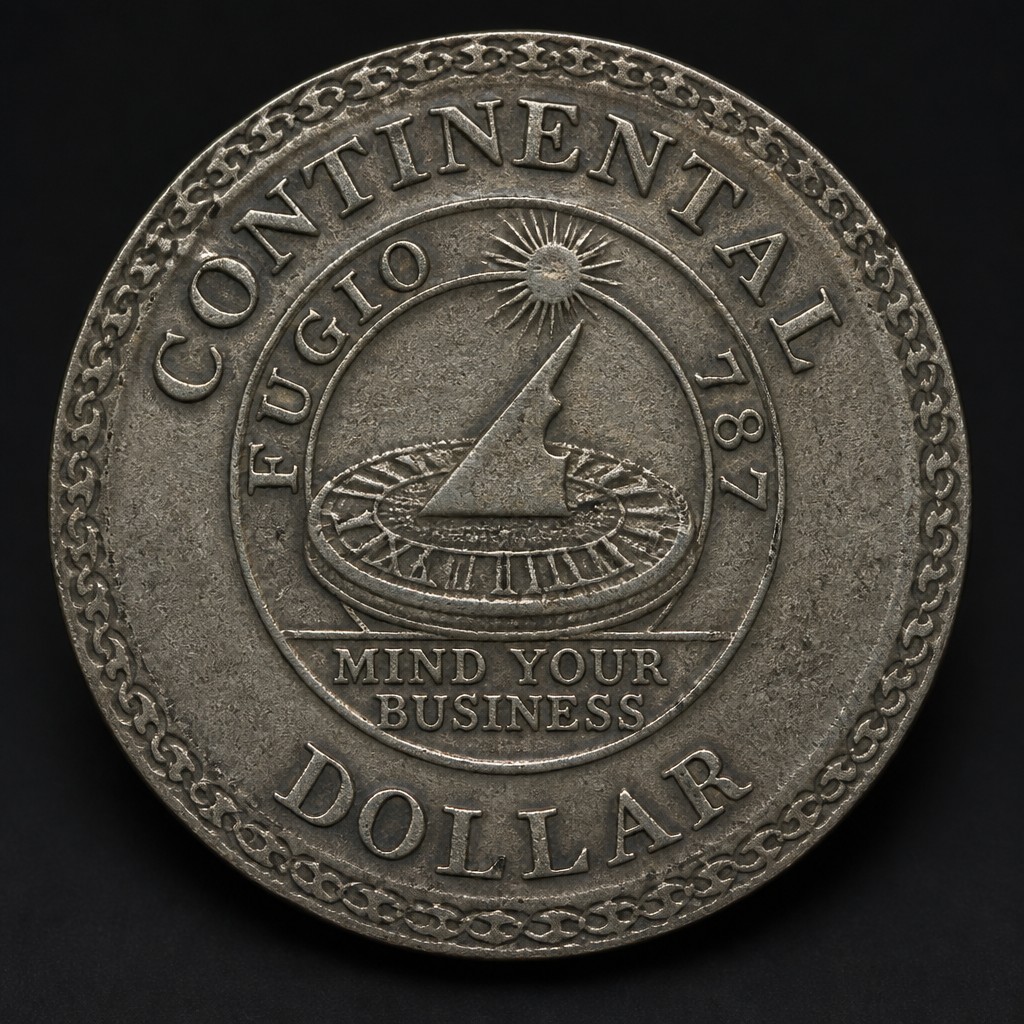
Continental Dollar
1776
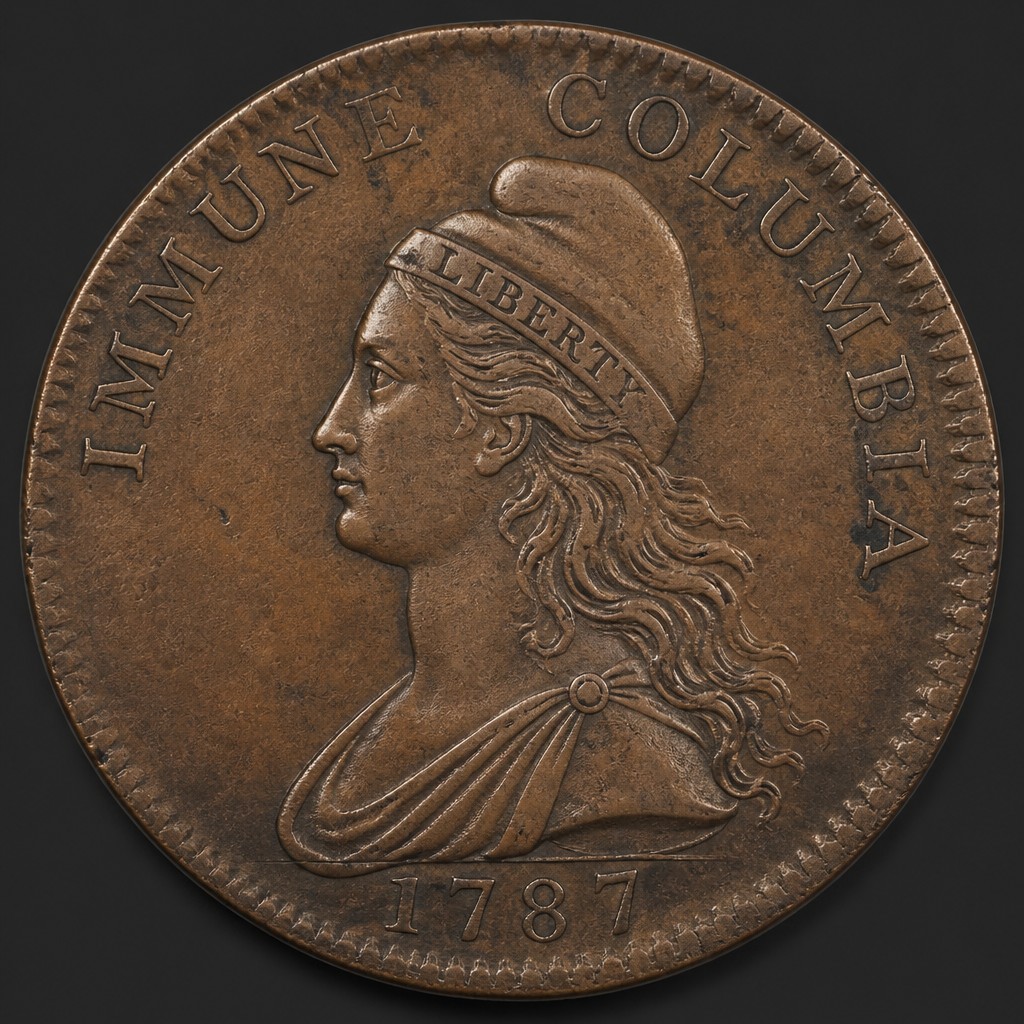
Immune Columbia Copper
circa 1785–1787
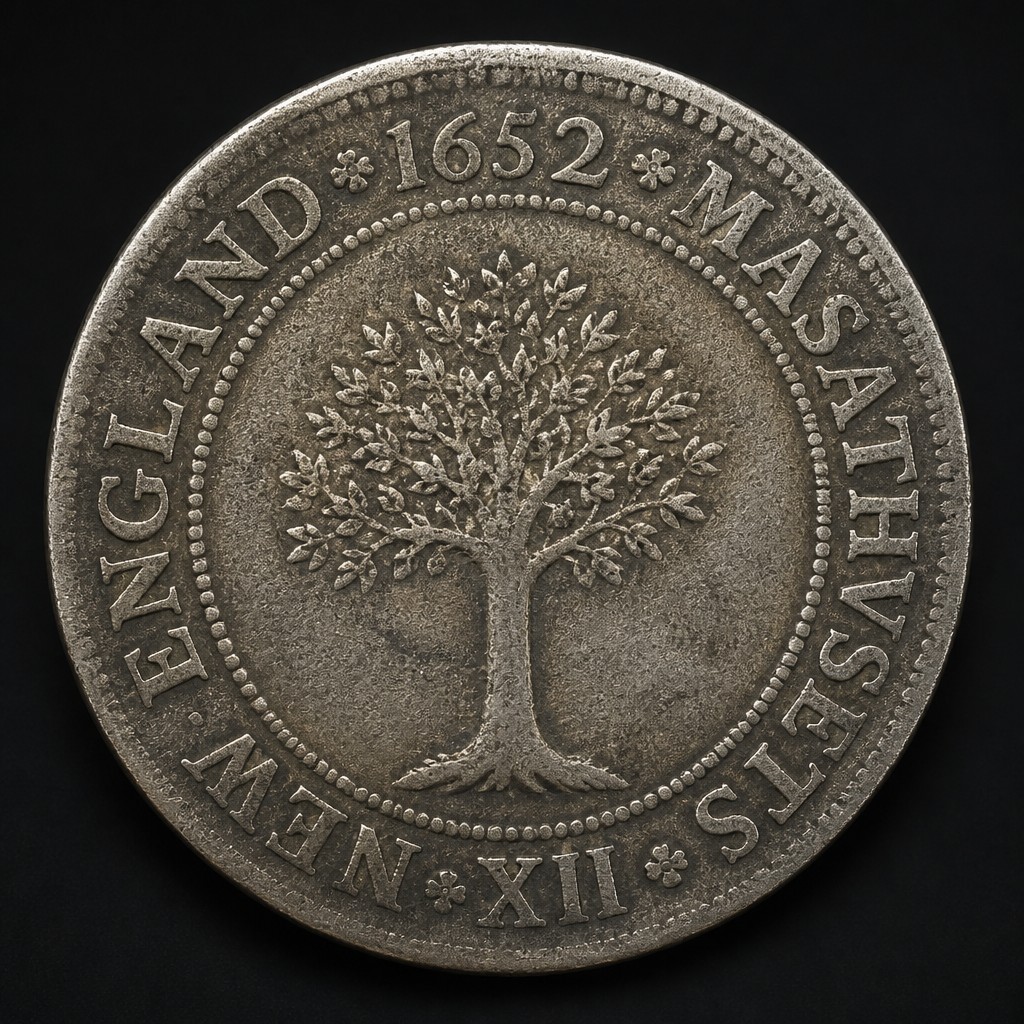
Massachusetts Oak Tree Shilling
Dated 1652, struck circa 1660–1667
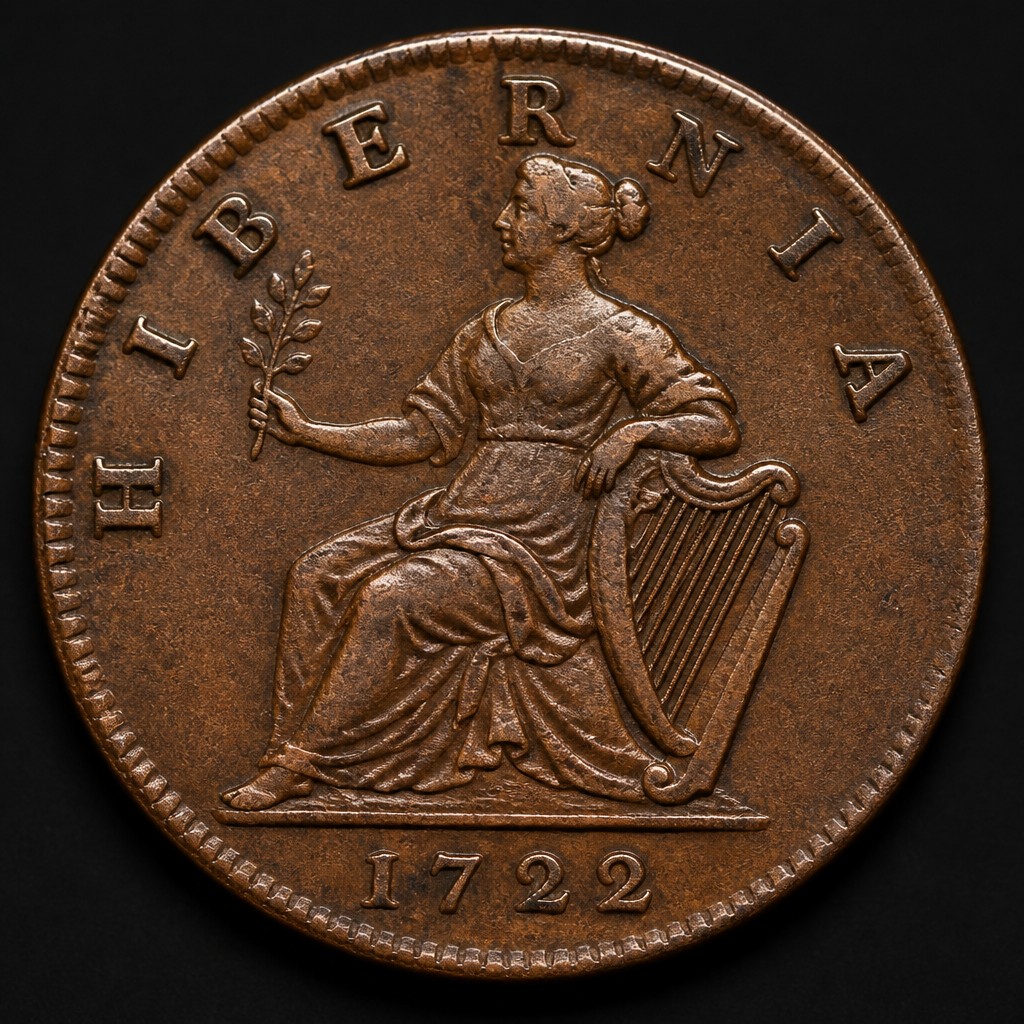
Wood's Hibernia Halfpenny
1722–1724
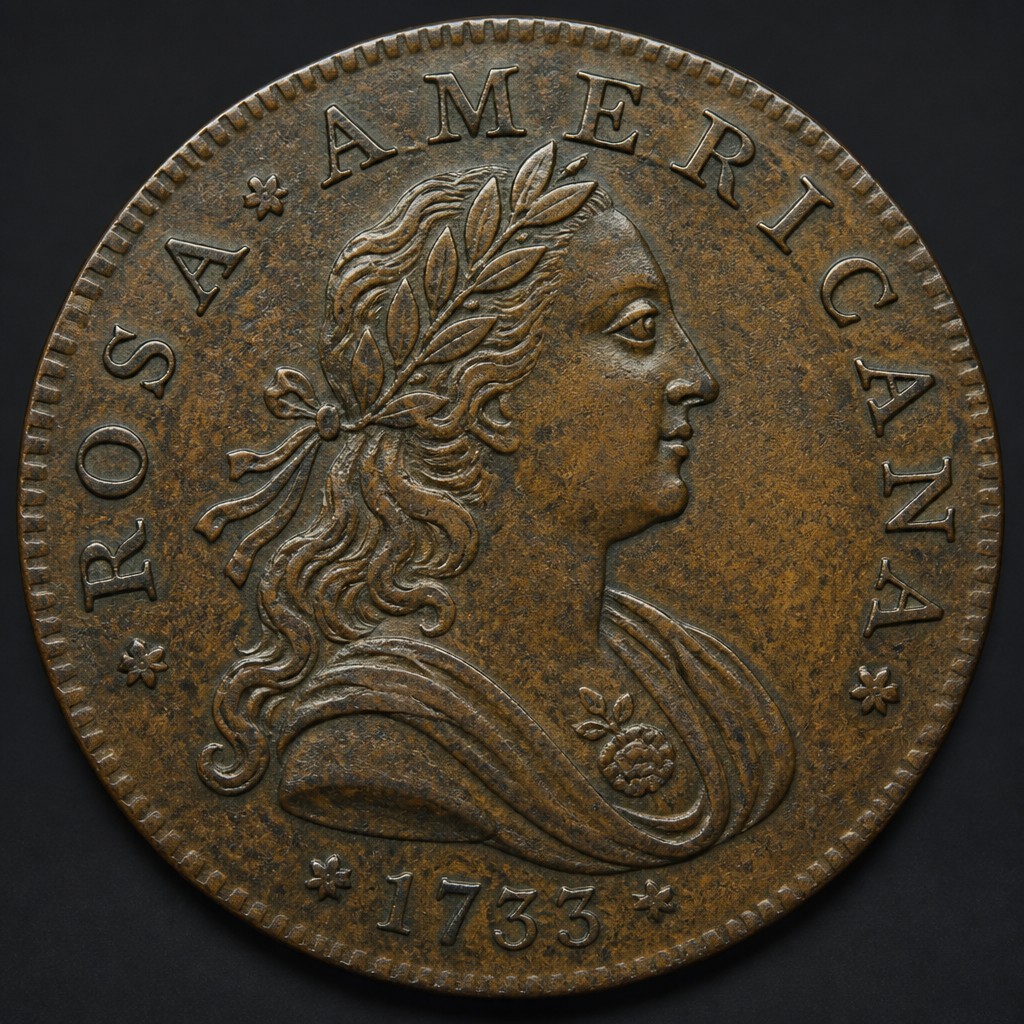
Rosa Americana Coinage
1722–1724 (with pattern issues dated 1733)
Massachusetts Willow Tree Shilling
Dated 1652, struck circa 1653–1660