
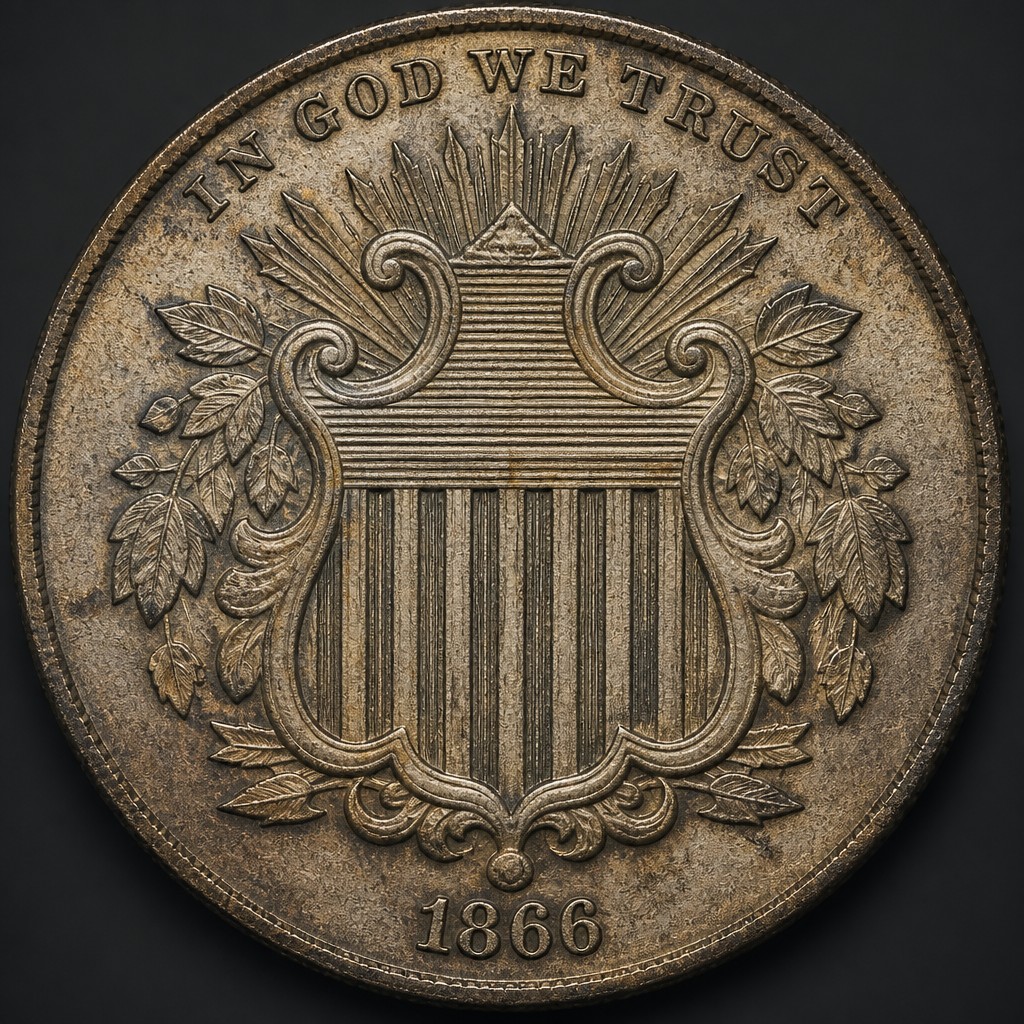
1866 Shield Nickel With Rays
The first-year Shield Nickel design featuring thirteen rays between the reverse stars, marking the debut of the United States' first copper-nickel five-cent coin.
- Country
- United States
- Denomination
- Five Cents
- Metal
- Copper-Nickel (75% Copper, 25% Nickel)
Got a coin like this?
Identify any coin from a photo, free.
Overview
The 1866 Shield Nickel With Rays is historically significant as the very first year of issue for the Shield Nickel, itself the first five-cent coin struck in the durable copper-nickel alloy that would define the denomination going forward. Its reverse design, featuring thirteen rays radiating between the stars surrounding a large numeral 5, gives the type its popular name.
As a first-year type coin with genuine historical importance, the With Rays design is a staple want-list item for collectors pursuing a type set of 19th-century American coinage, and it is generally more available than some of the rarer later Shield Nickel dates, though still commanding solid demand.
The design's rays proved to be a practical problem in production, as they were prone to causing die clashing and breakage, which led directly to their removal the following year in favor of a cleaner, ray-free reverse.
History & Background
The Shield Nickel was introduced in 1866, designed by James B. Longacre, as the first United States five-cent piece struck in a copper-nickel alloy rather than silver, addressing a shortage of small-denomination silver coinage following the economic disruptions of the Civil War. Its obverse features a heraldic shield reminiscent of the shield used on the two-cent piece, also designed by Longacre.
The original 1866 reverse design included thirteen rays extending outward between the stars surrounding the large numeral 5, intended to add visual interest and possibly evoke the rays of glory seen on other contemporary designs. In practice, the raised rays created recurring problems with die clashing and premature die failure during striking.
Because of these production difficulties, the Mint modified the design in 1867, removing the rays entirely to extend die life and simplify production, making the 1866 (and early 1867) With Rays coins a distinct, shorter-lived subtype within the broader Shield Nickel series.
How to Identify
The obverse displays a heraldic shield with a cross at the top, flanked by crossed olive branches below and arrows behind, with the date at the bottom. The reverse shows a large numeral 5 surrounded by thirteen stars, with thirteen rays radiating outward between the stars, and UNITED STATES OF AMERICA arranged around the border.
This type was struck only at the Philadelphia Mint and carries no mintmark, as was standard practice for coinage at that facility during this period. The presence of the rays between the stars is the defining feature distinguishing this type from the later No Rays version; if no rays are visible between the stars, the coin is either a later date or the 1867 No Rays variety rather than a true 1866 With Rays example.
Condition should be evaluated on the high points of the shield and the numeral 5, and collectors should watch for evidence of die clashing, a common characteristic of this short-lived design that can appear as faint outlines of the opposing die's design bleeding through on either side.
Value & Collectibility
As a genuine first-year type coin, the 1866 With Rays Shield Nickel carries solid demand and commands a meaningful premium over many later Shield Nickel dates, particularly in problem-free, well-struck condition. Because striking difficulties from the rays design often resulted in weakly struck or clashed coins, sharp, well-preserved examples are less common and more valuable than the raw survival numbers might suggest.
Frequently asked questions
What makes the 1866 nickel the 'With Rays' type?
Its reverse design includes thirteen rays radiating between the stars around the large numeral 5, a feature unique to 1866 and part of 1867 before being discontinued.
Why were the rays removed from the design?
The raised rays caused frequent die clashing and premature die breakage, so the Mint simplified the reverse by removing them in 1867.
Was the Shield Nickel the first US nickel coin?
Yes, it was the first five-cent piece struck in a copper-nickel alloy, replacing the silver half dime as the primary five-cent denomination.
Where was the 1866 Shield Nickel struck?
Exclusively at the Philadelphia Mint, which did not use a mintmark on coinage at that time.
Other coins you may enjoy
Virginia Halfpenny
1773
Brasher Doubloon
1787
Higley Copper
1737–1739
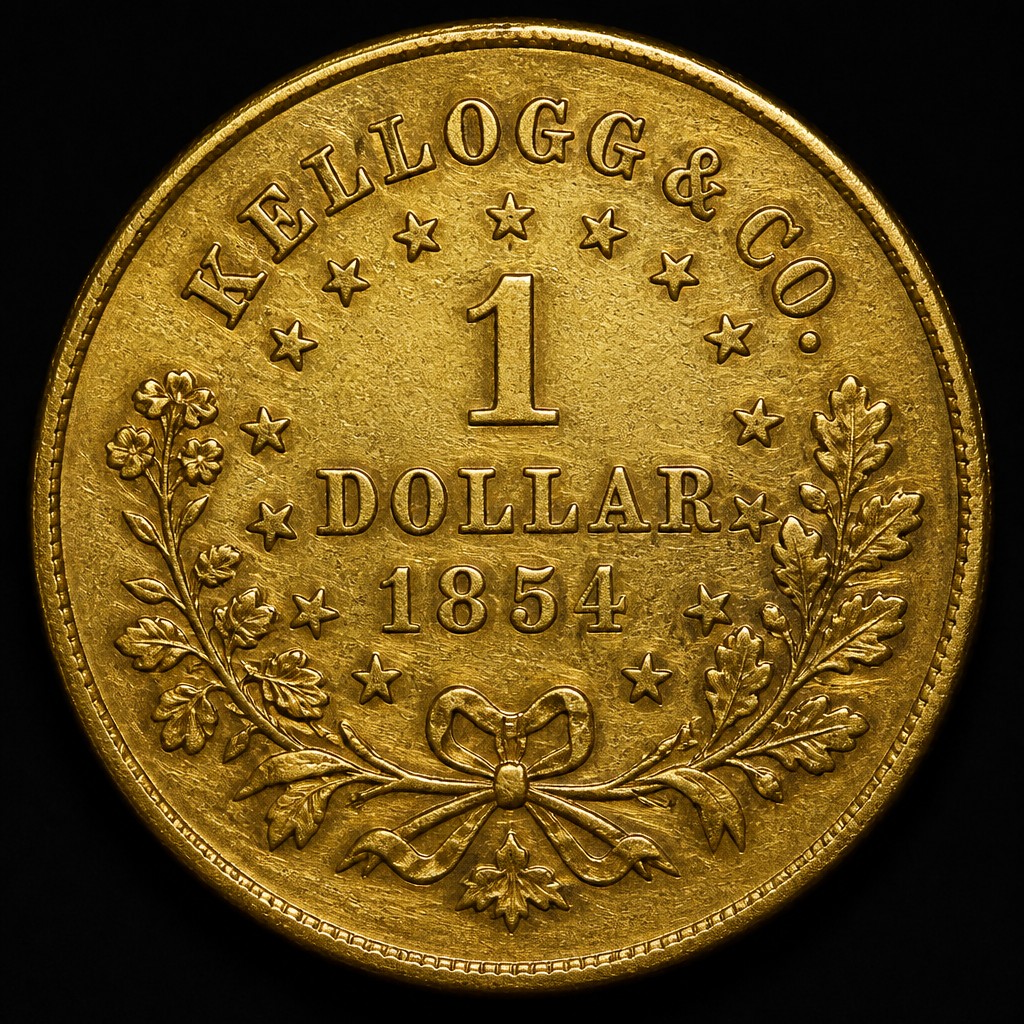
Kellogg & Co. Gold Piece
1854–1855
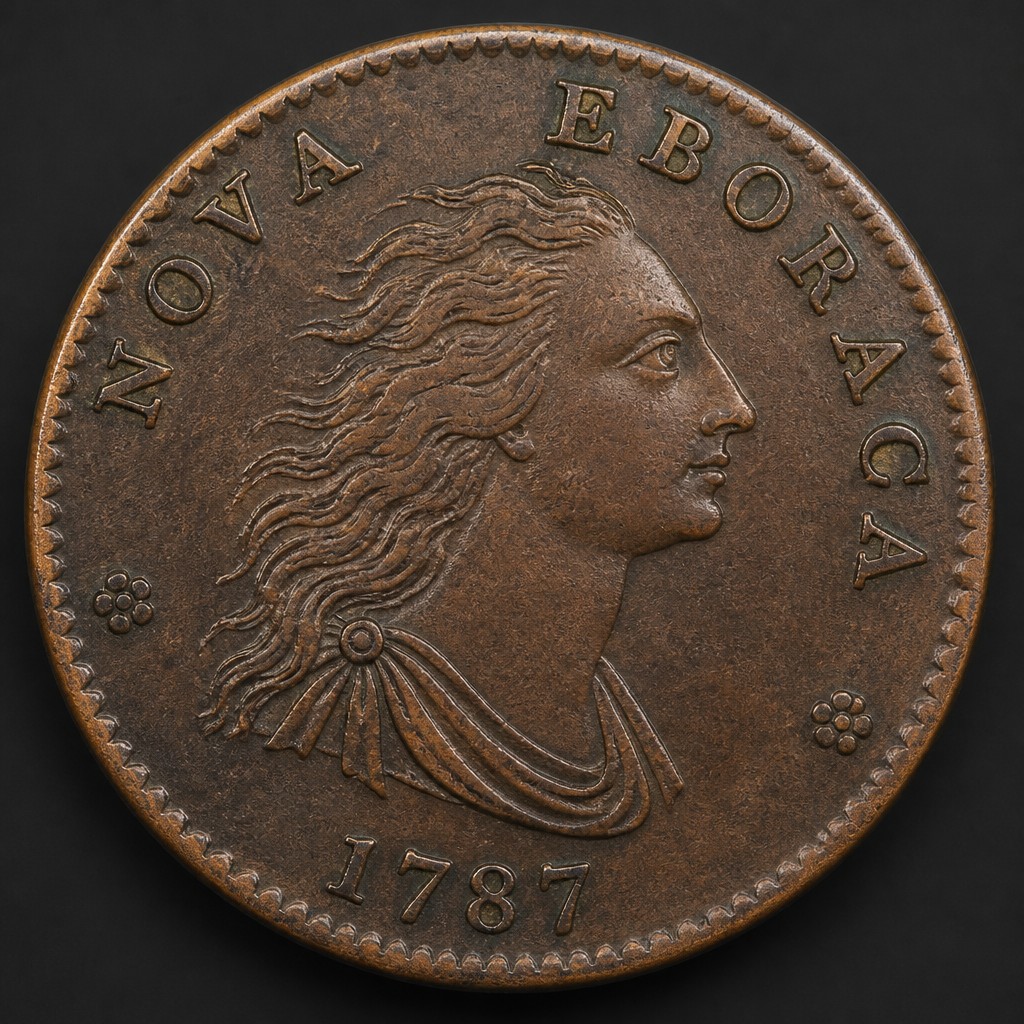
Nova Eborac Copper
1787
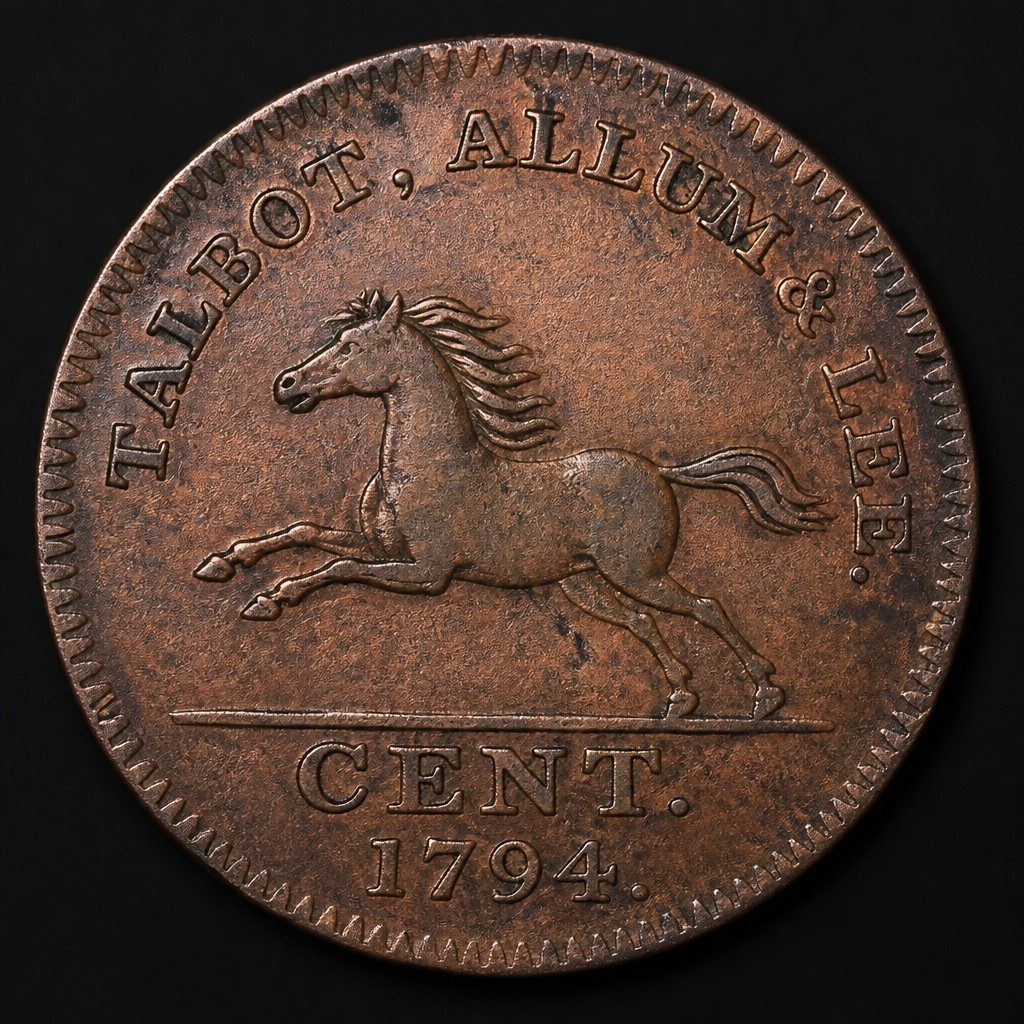
Talbot, Allum & Lee Cent
1794–1795
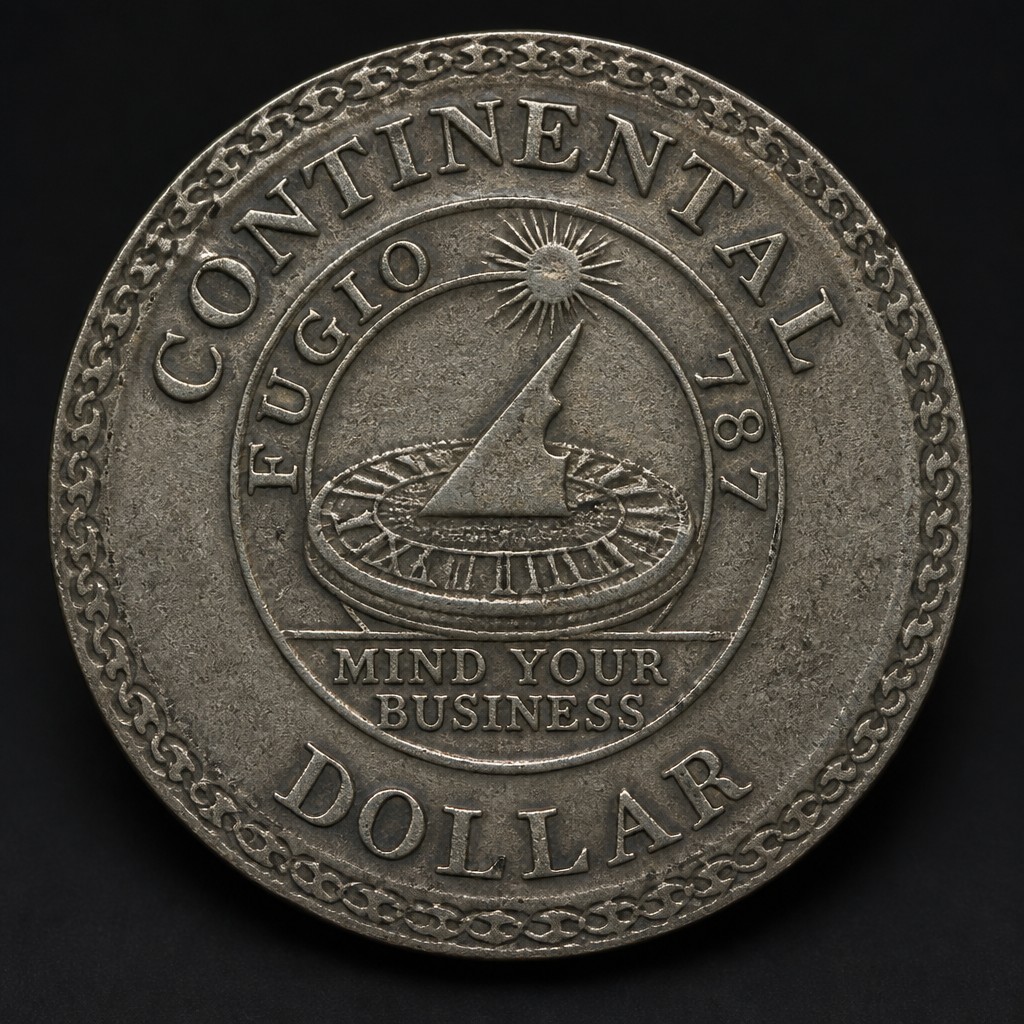
Continental Dollar
1776
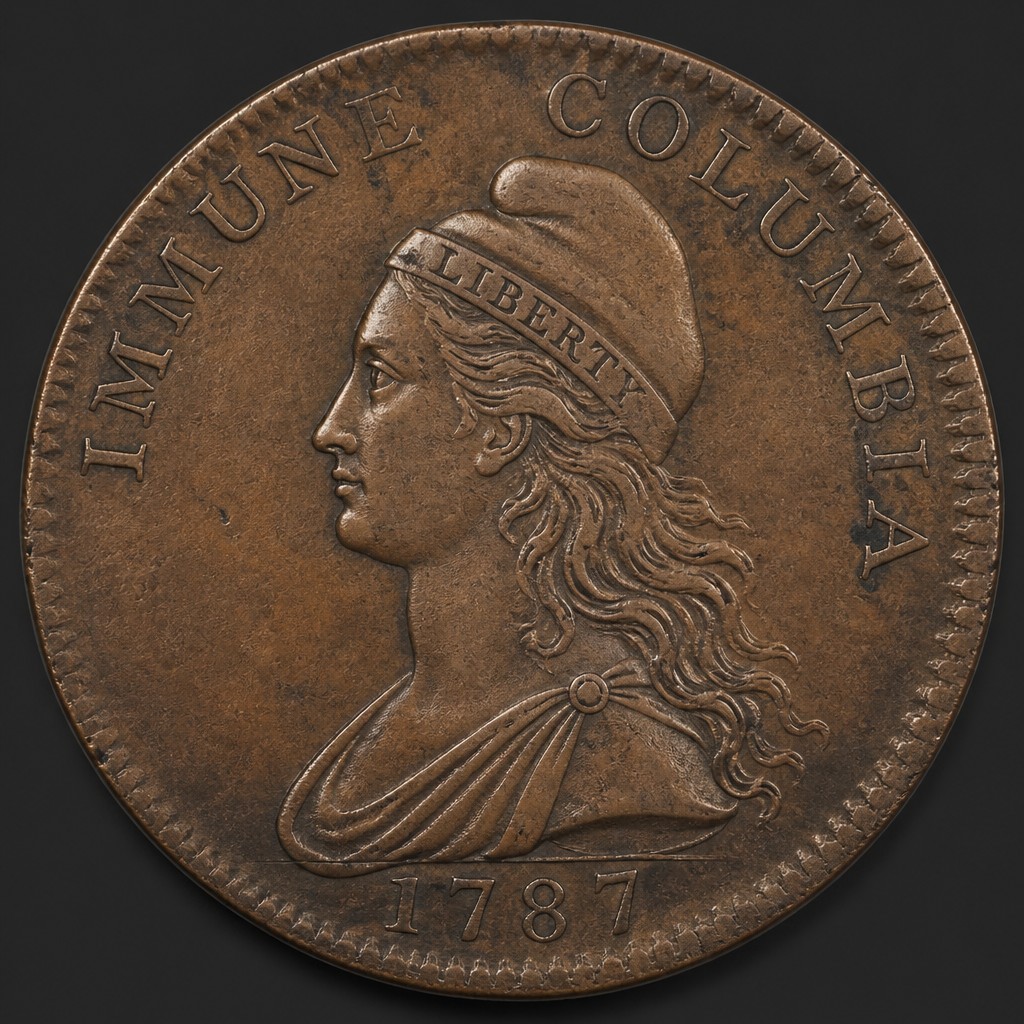
Immune Columbia Copper
circa 1785–1787
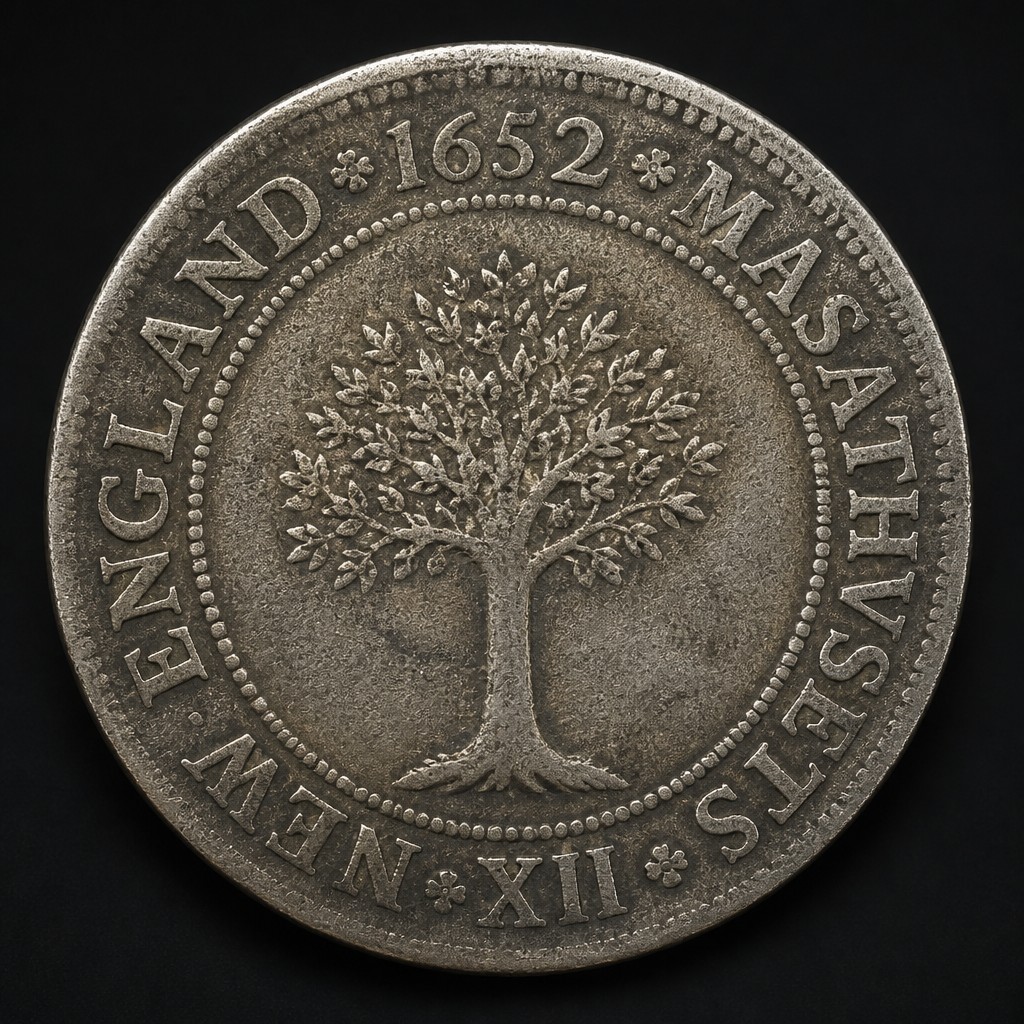
Massachusetts Oak Tree Shilling
Dated 1652, struck circa 1660–1667
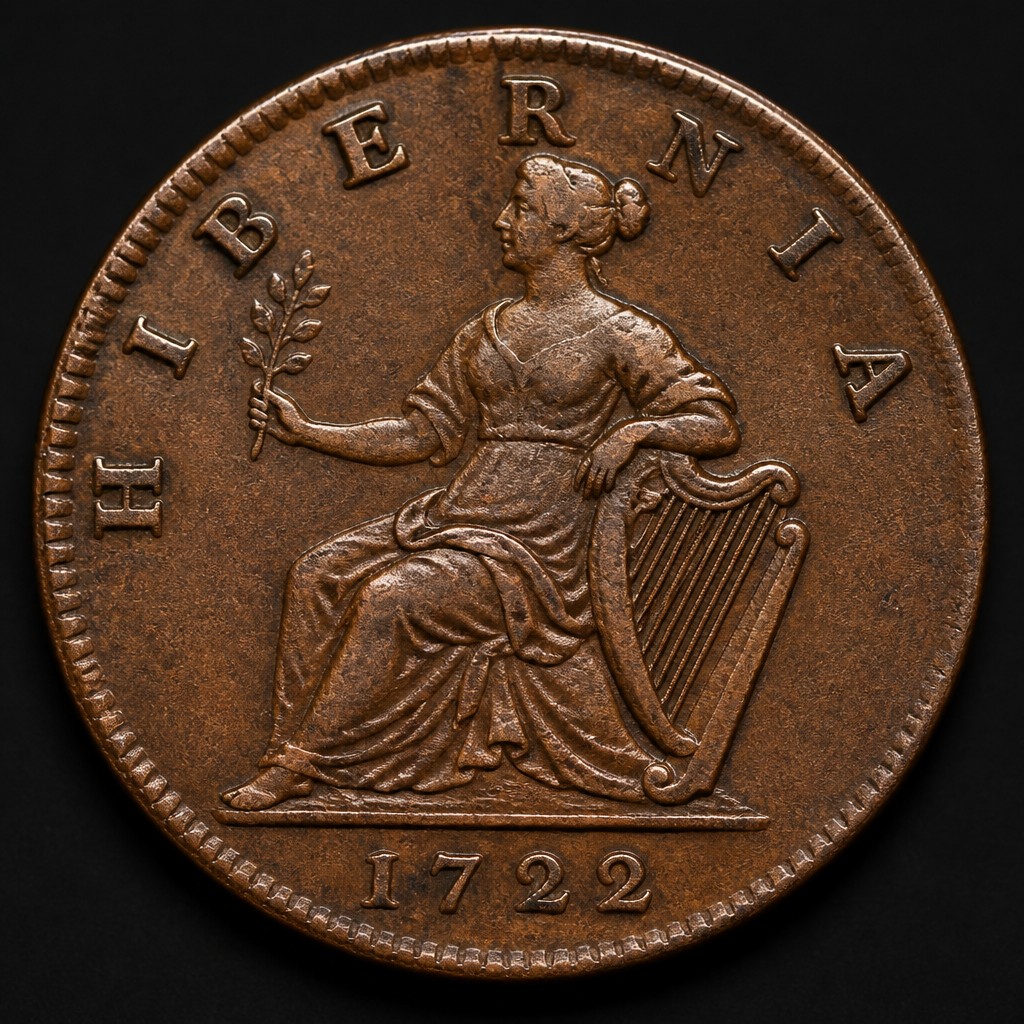
Wood's Hibernia Halfpenny
1722–1724
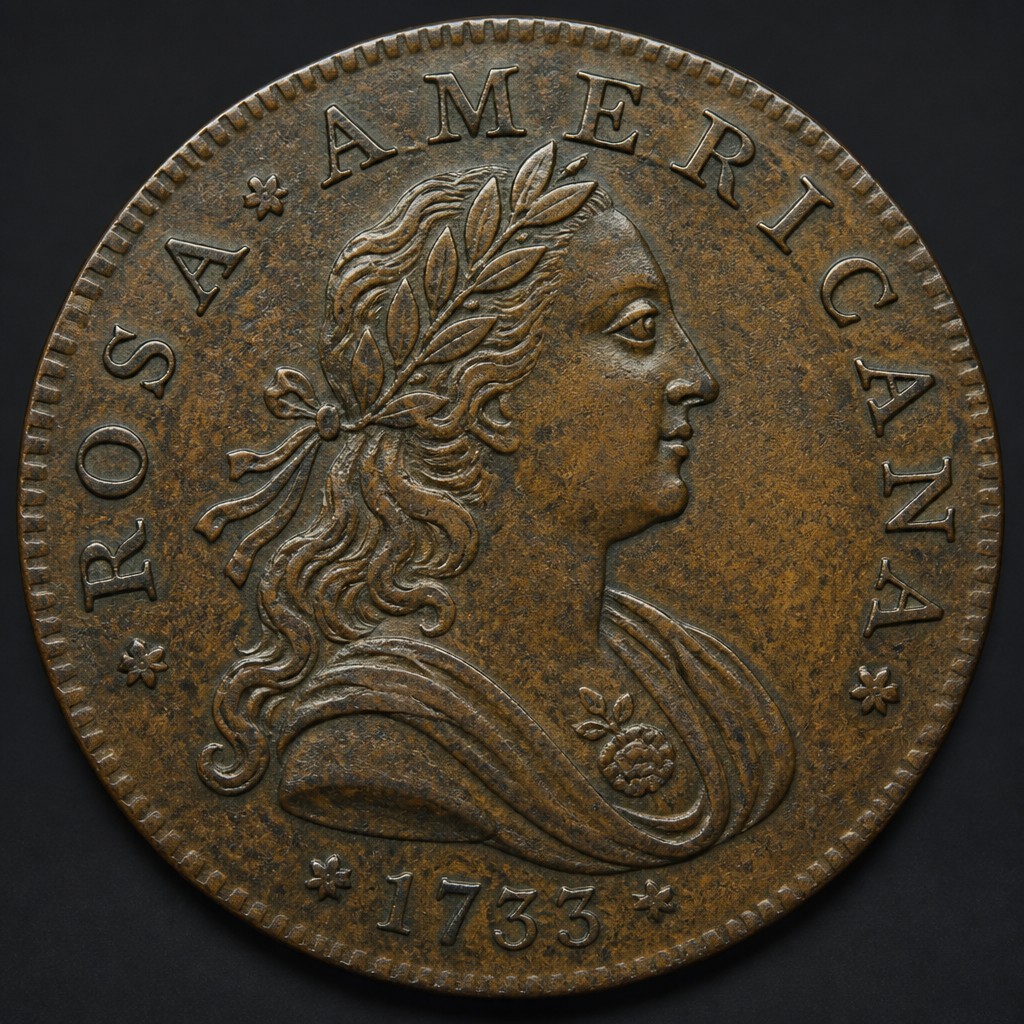
Rosa Americana Coinage
1722–1724 (with pattern issues dated 1733)
Massachusetts Willow Tree Shilling
Dated 1652, struck circa 1653–1660