
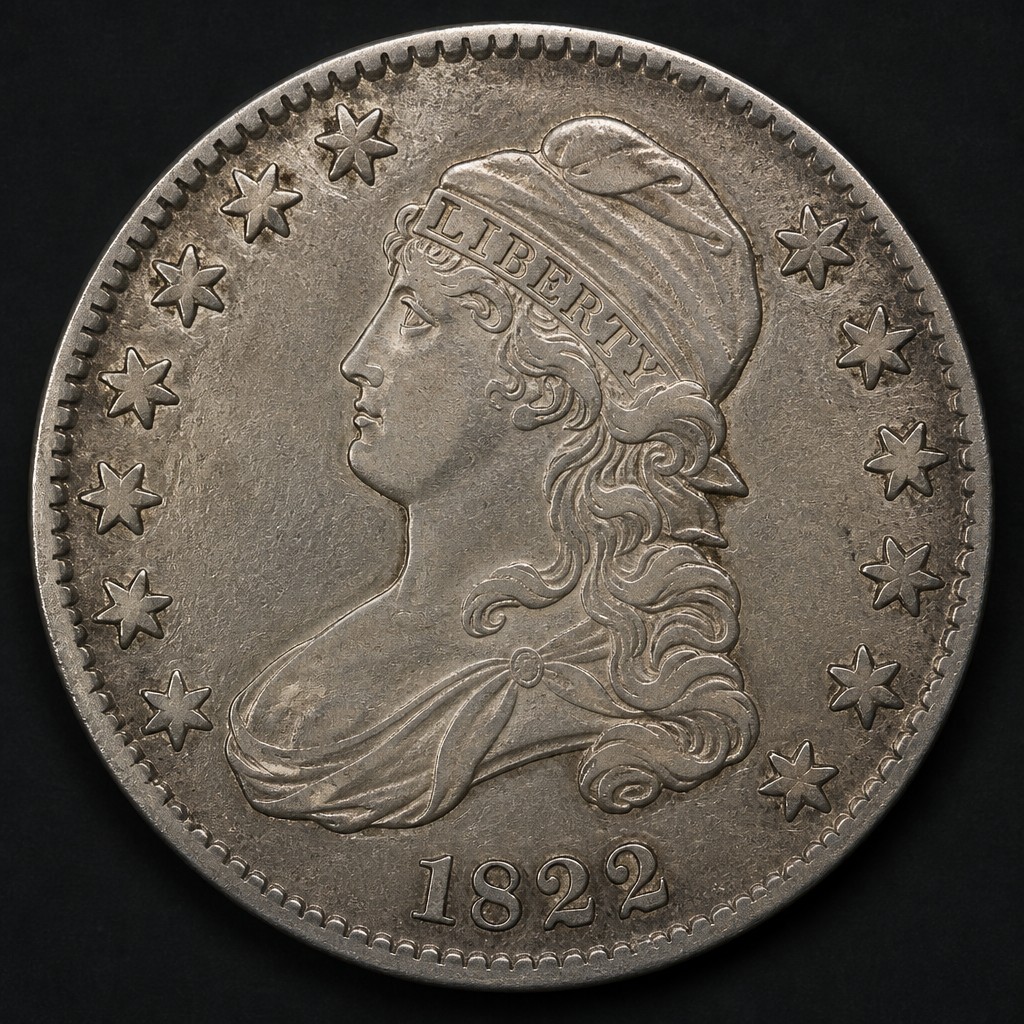
1822 Capped Bust Dime
A scarce, low-mintage date within the Capped Bust dime series, considered a key date for collectors assembling this early 19th-century type.
- Country
- United States
- Denomination
- Dime (Ten Cents)
- Metal
- .8924 Fine Silver
Got a coin like this?
Identify any coin from a photo, free.
Overview
The 1822 Capped Bust Dime is recognized as one of the more difficult dates to acquire within the broader Capped Bust dime series (1809-1837), thanks to a comparatively small original mintage. John Reich's Capped Bust design, showing a more robust and classical rendering of Liberty than the earlier Draped Bust motif, is admired for its bold relief and artistic ambition relative to earlier U.S. coinage.
For collectors working through a date set of Capped Bust dimes, the 1822 is typically flagged early on as one of the tougher dates to locate in problem-free, mid-to-high circulated grades, let alone Mint State.
Because the design itself is common across many years of the series, the 1822's desirability rests almost entirely on its relative scarcity compared to its neighboring dates.
History & Background
The Capped Bust design was introduced across U.S. silver denominations starting in 1807, created by German-born engraver John Reich as an update to the earlier Draped Bust motifs. It presented Liberty wearing a soft cap inscribed LIBERTY, with more substantial, sculptural drapery than her Draped Bust predecessor.
By 1822, the design had been in use on dimes since 1809, and coin production continued to be driven by fluctuating silver bullion deposits from banks and merchants rather than a steady government-directed schedule. Economic conditions and bullion flows in the early 1820s led to a smaller-than-typical dime mintage that year.
The Capped Bust dime series would continue with this general design, later modified to a reduced-diameter format in the 1830s, until it was replaced by the Seated Liberty design in 1837-38.
How to Identify
The obverse shows Liberty facing left wearing a cloth cap inscribed LIBERTY, with curled hair and drapery at the bust, surrounded by stars and the date below. The reverse depicts a naturalistic eagle with a shield on its breast, clutching arrows and an olive branch, encircled by UNITED STATES OF AMERICA, with 10C. often appearing as the denomination below the eagle in later dies of this type.
Struck in .8924 fine silver with a reeded edge, the coin's diameter is somewhat larger than later reduced-size Capped Bust dimes minted after 1828. Collectors should note subtle die variations in star counts and letter placement that specialists use to attribute individual varieties within the date.
Since the coin predates branch mint operations for dimes, all 1822 dimes were struck at Philadelphia with no mint mark. Comparing edge reeding, diameter, and overall style helps distinguish this large-diameter variety from the smaller Capped Bust dimes issued in the 1830s.
Value & Collectibility
The 1822 dime is considered a key date of the Capped Bust dime series and brings meaningfully higher prices than common dates even in worn condition, typically starting in the low-to-mid hundreds of dollars for heavily circulated examples and climbing substantially for coins in About Uncirculated or Mint State condition. True gem examples are quite rare and can command significant premiums at auction.
As with most early American silver, originality, absence of cleaning or damage, and pleasing natural toning materially affect value, sometimes more than the numeric grade alone.
Given the premium this date commands, collectors should be attentive to authentication, ideally relying on coins certified by a major third-party grading service.
Frequently asked questions
Why is the 1822 dime considered a key date?
It had a notably low mintage compared to other Capped Bust dime dates, making it scarcer and more valuable in the series.
Who designed the Capped Bust dime?
Mint engraver John Reich created the Capped Bust design, which replaced the earlier Draped Bust motif starting in 1807-1809.
Does the coin have a mint mark?
No, all 1822 dimes were struck at the Philadelphia Mint, the only mint operating at the time, and carry no mint mark.
Is the edge plain or reeded on this coin?
Capped Bust dimes, including the 1822, have a reeded edge, unlike the plain edges of earlier Draped Bust dimes.
Other coins you may enjoy
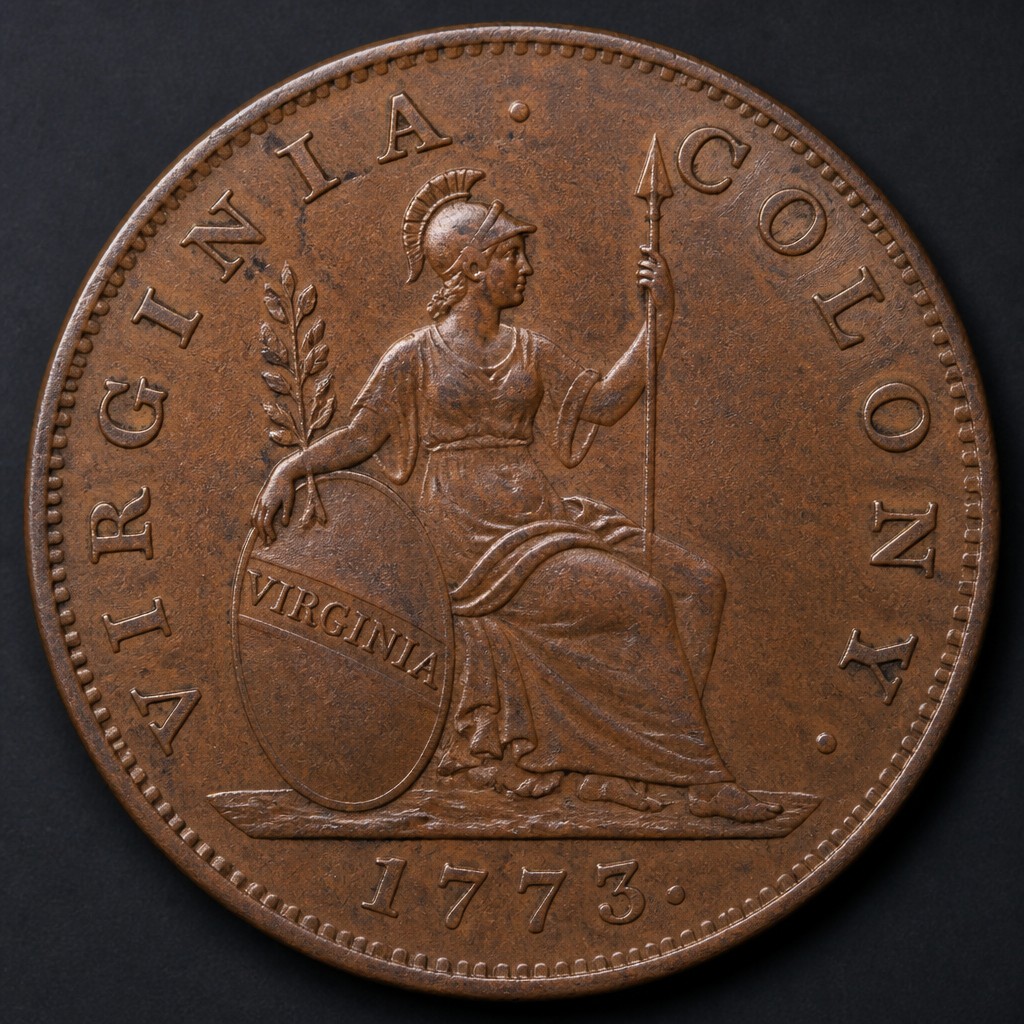
Virginia Halfpenny
1773

Brasher Doubloon
1787
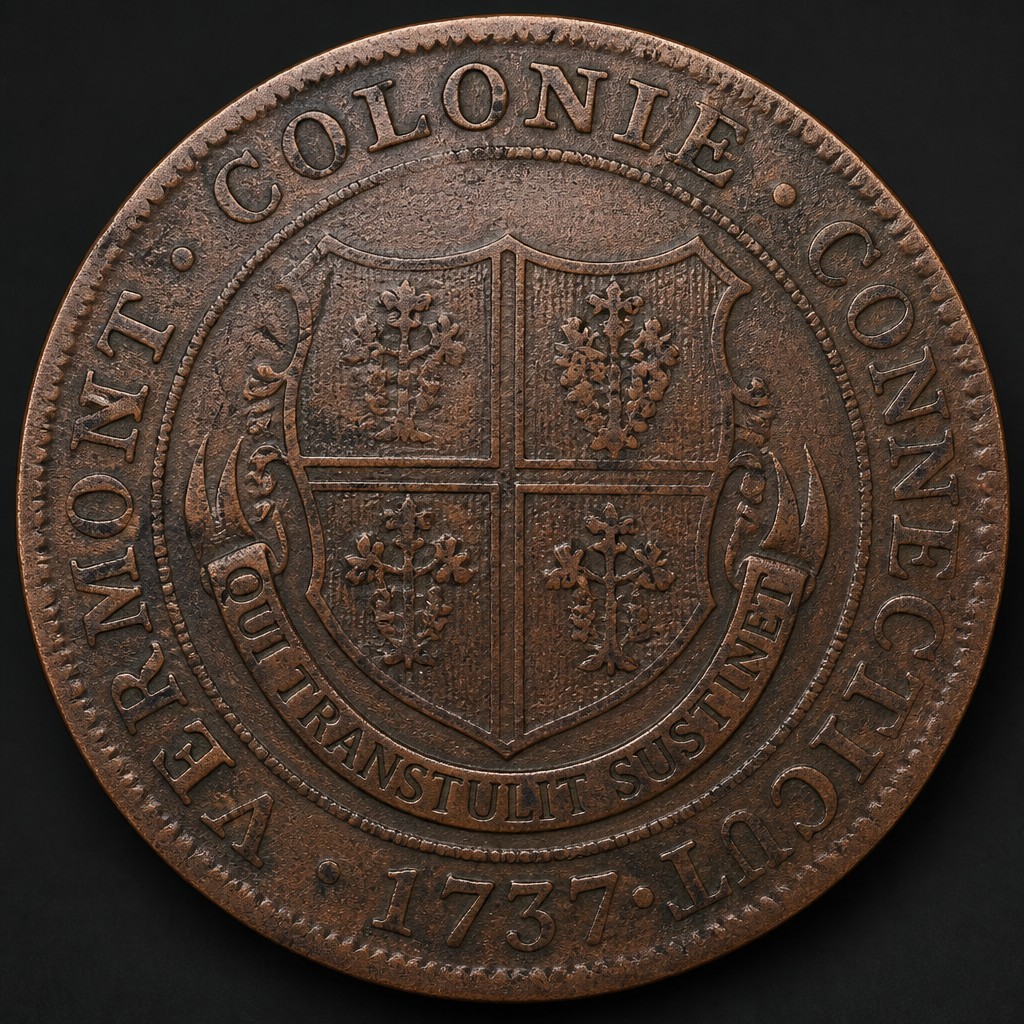
Higley Copper
1737–1739
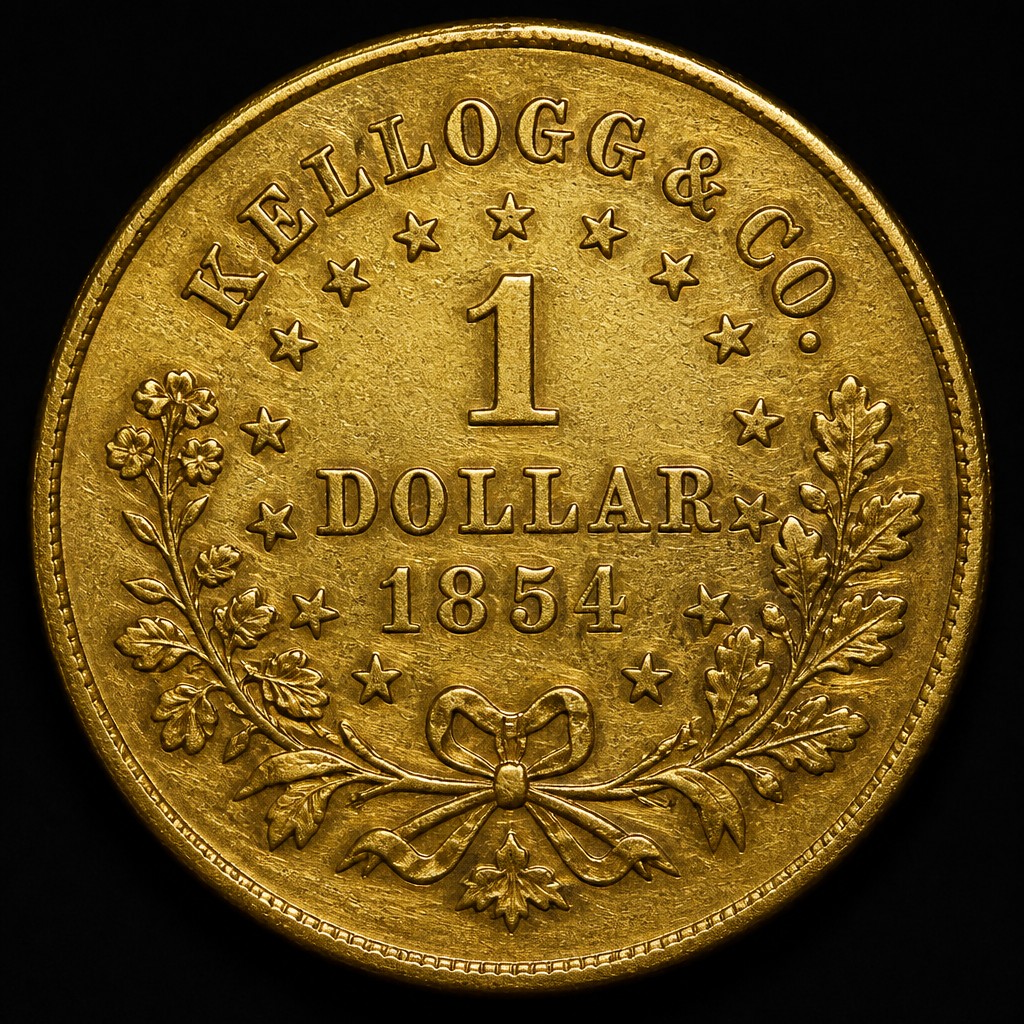
Kellogg & Co. Gold Piece
1854–1855
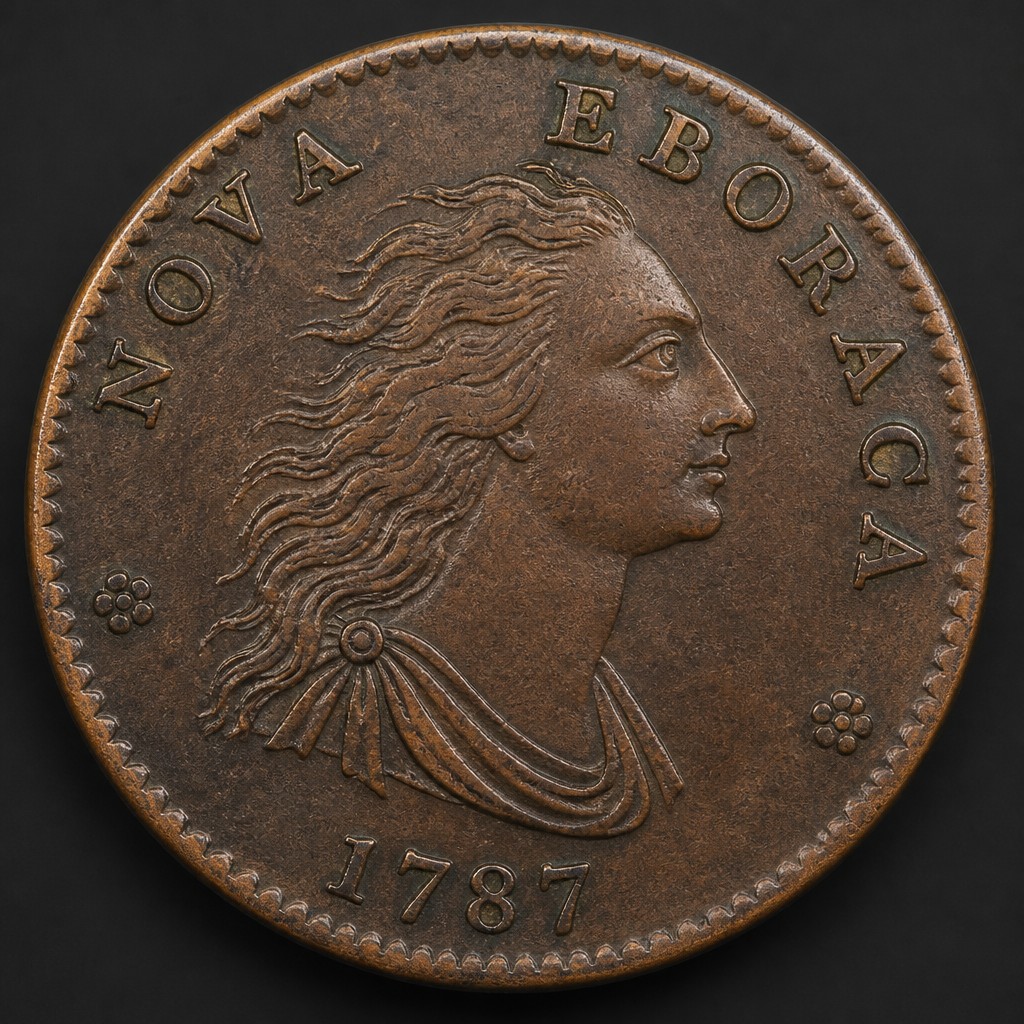
Nova Eborac Copper
1787
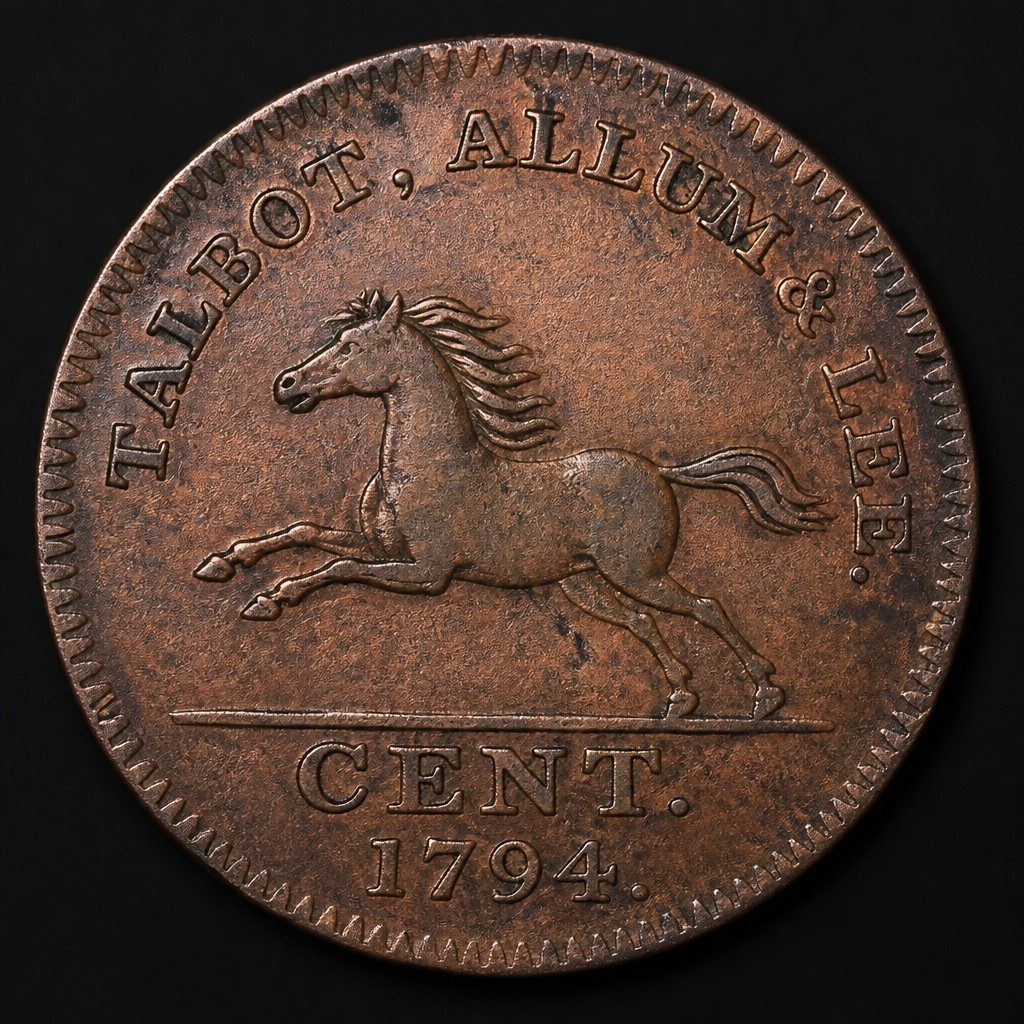
Talbot, Allum & Lee Cent
1794–1795
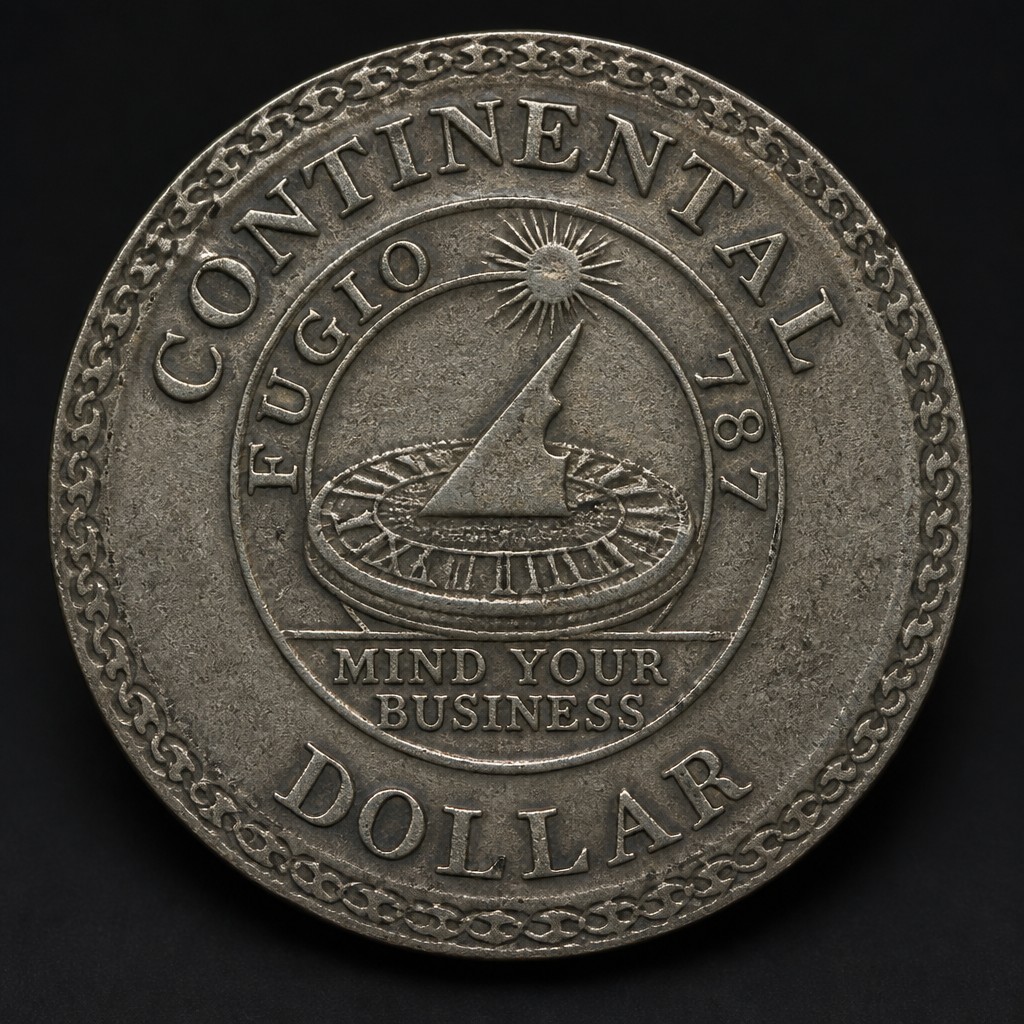
Continental Dollar
1776
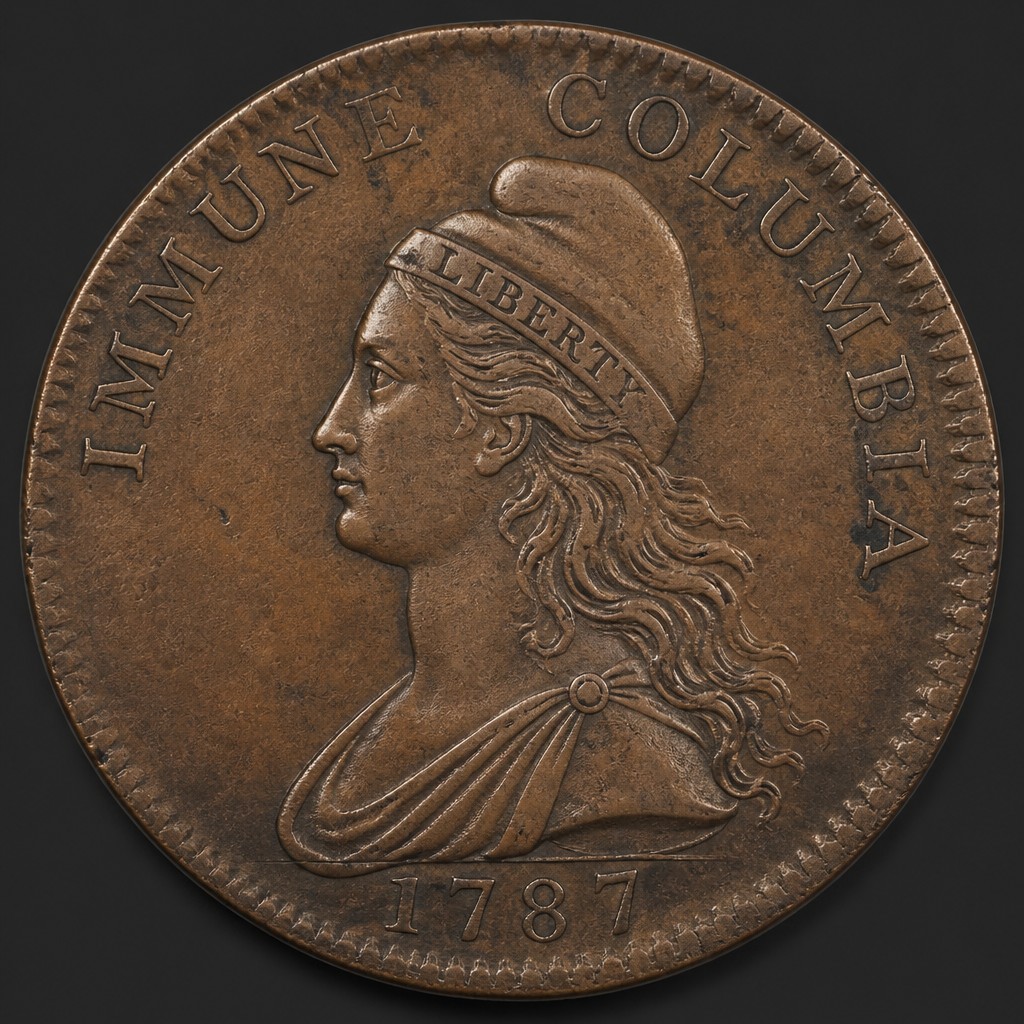
Immune Columbia Copper
circa 1785–1787
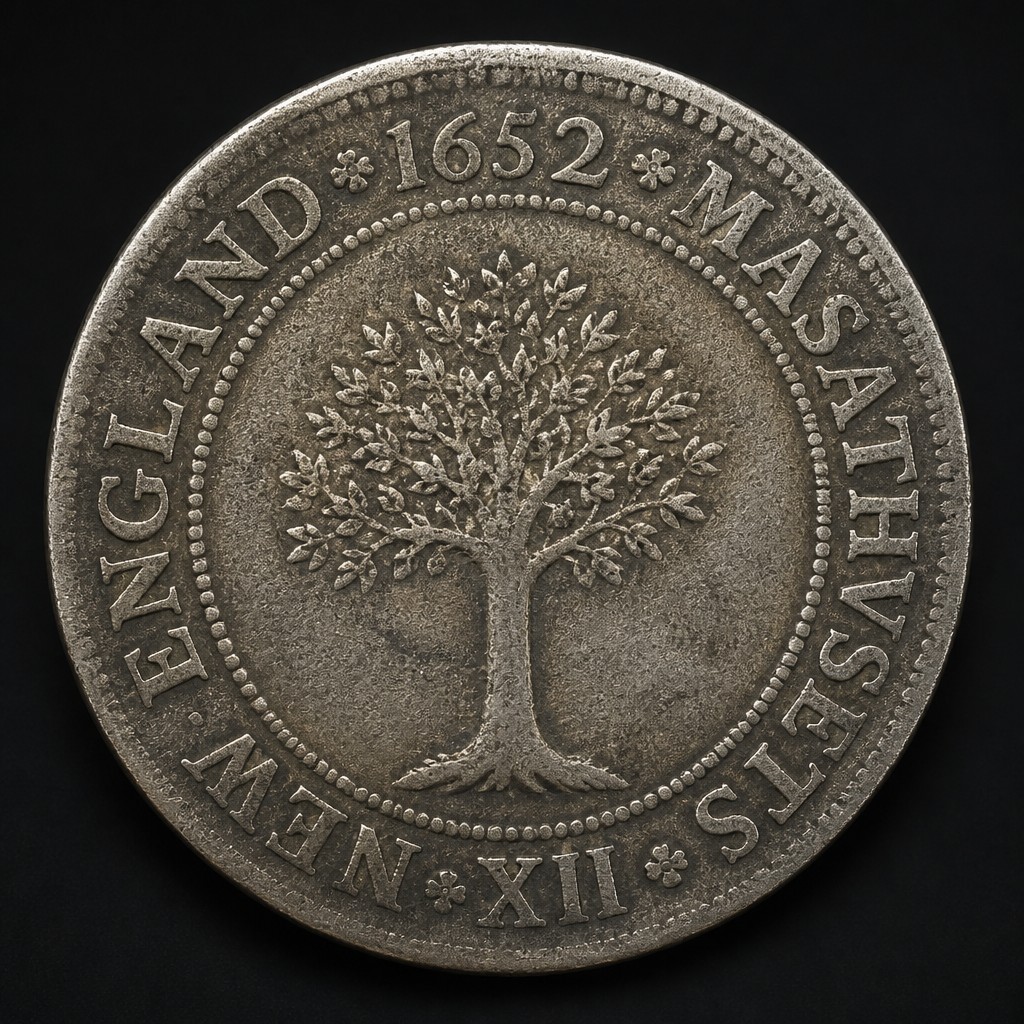
Massachusetts Oak Tree Shilling
Dated 1652, struck circa 1660–1667
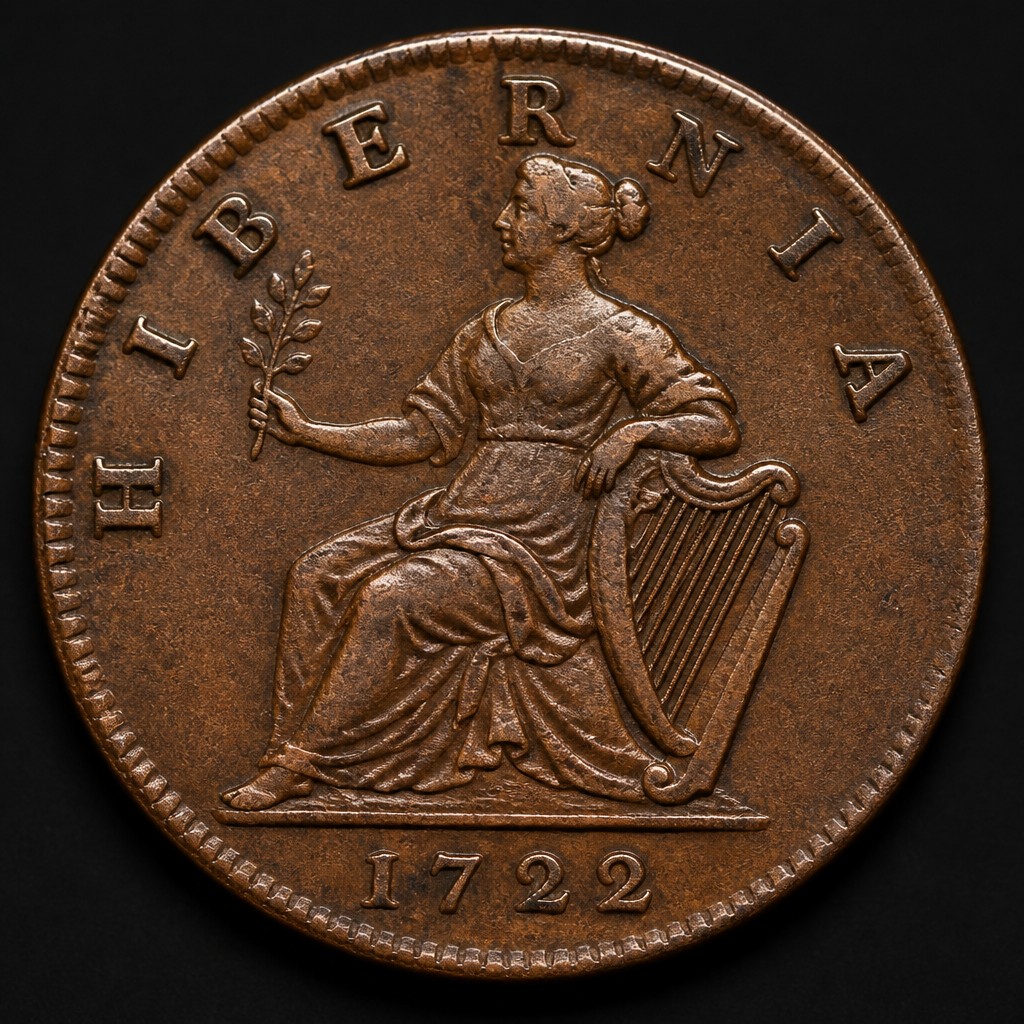
Wood's Hibernia Halfpenny
1722–1724
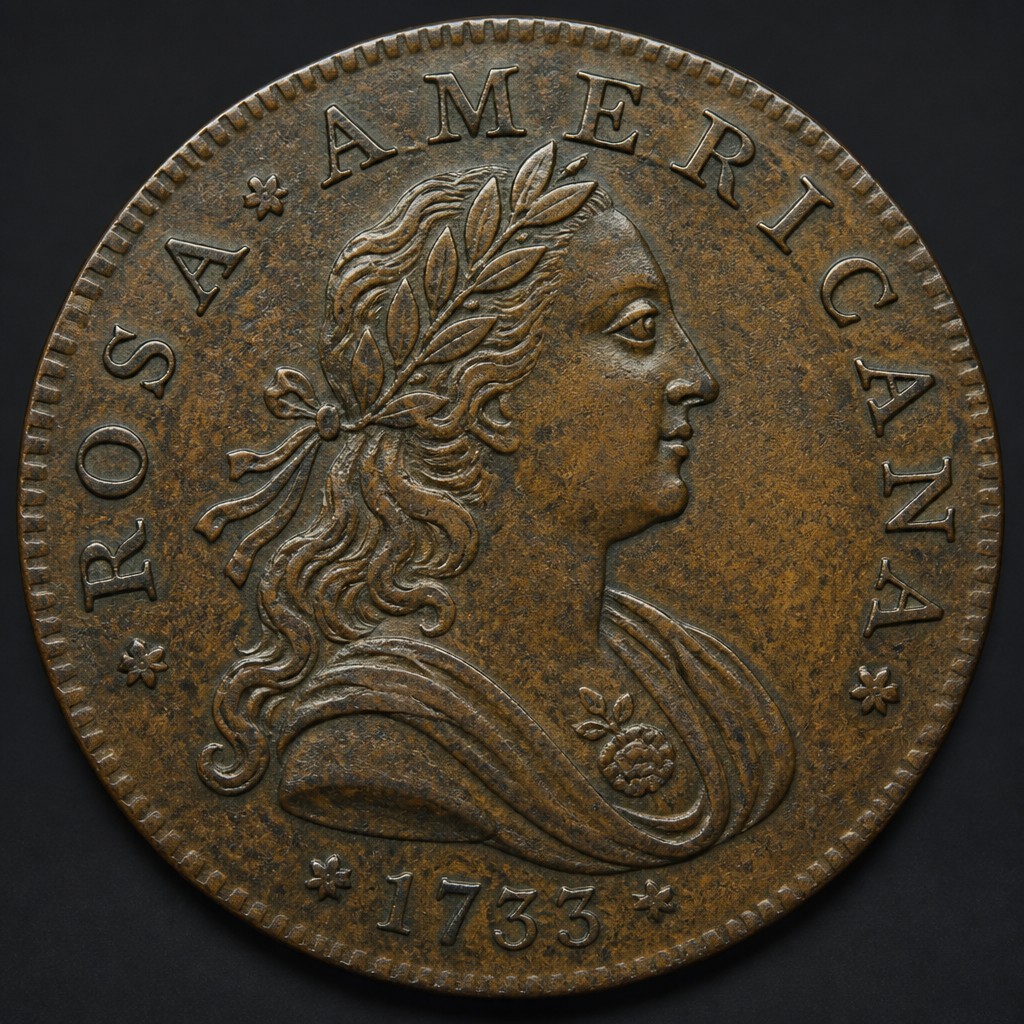
Rosa Americana Coinage
1722–1724 (with pattern issues dated 1733)
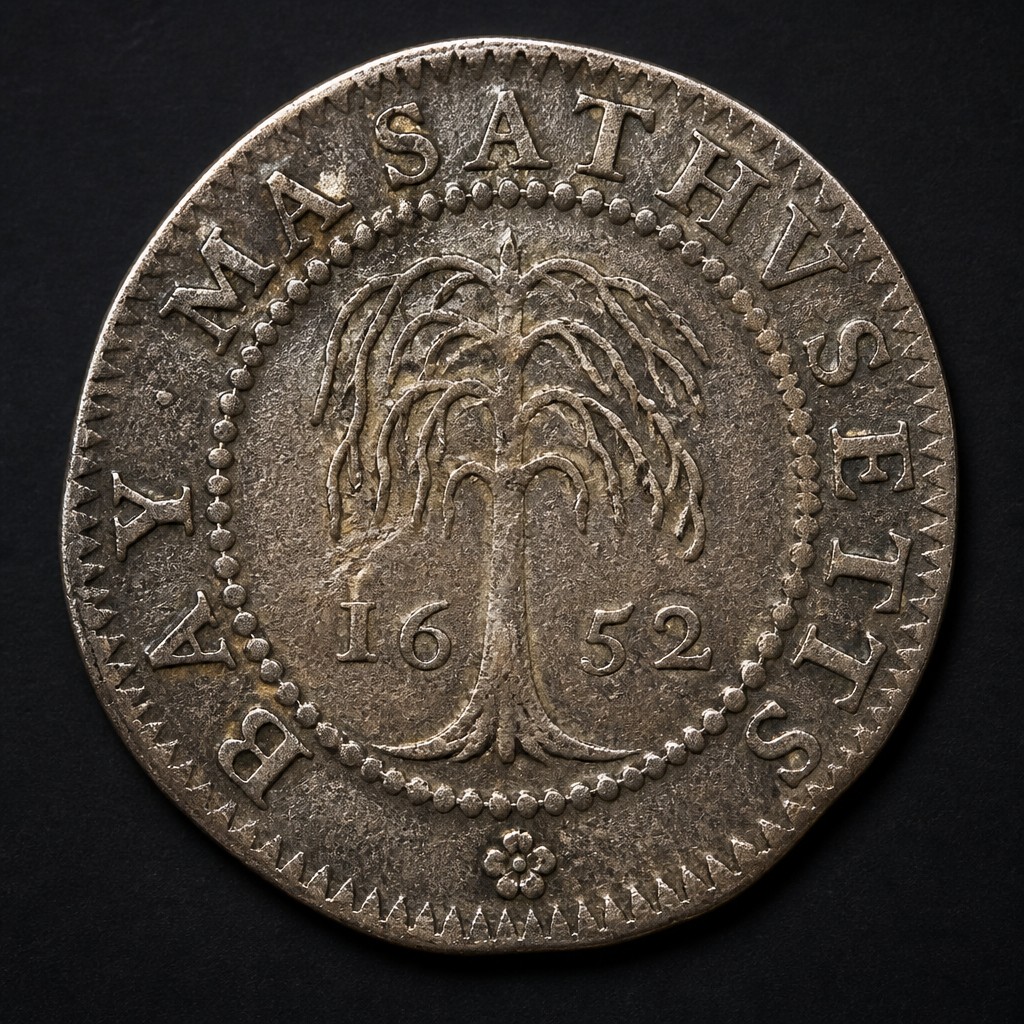
Massachusetts Willow Tree Shilling
Dated 1652, struck circa 1653–1660