
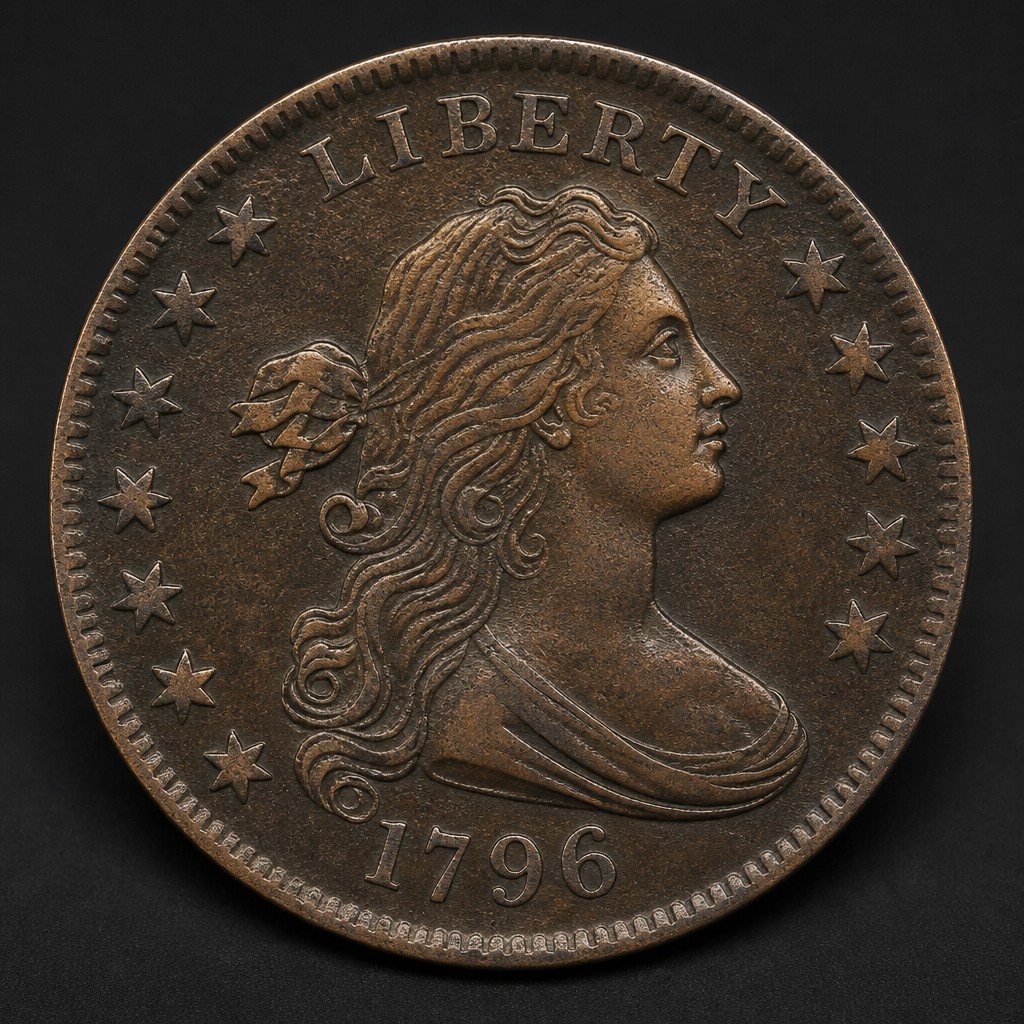
1796 Half Cent
One of the great rarities of American copper coinage, the 1796 half cent was struck in the Liberty Cap design in a very limited quantity, with 'With Pole' and rarer 'No Pole' varieties known.
- Country
- United States
- Denomination
- Half Cent
- Metal
- Copper
Got a coin like this?
Identify any coin from a photo, free.
Overview
The 1796 half cent stands among the most celebrated rarities in United States numismatics. Though sometimes referred to informally using later half cent type names, it was actually struck using the Liberty Cap (Head Facing Right) design used from 1794 through 1797, not the later Draped Bust style, which was not introduced on the half cent until 1800.
The date is famous for its extremely limited original mintage and for two recognized varieties: 'With Pole,' showing the pole supporting Liberty's cap as on other Liberty Cap half cents, and the much rarer 'No Pole' variety, in which the pole is absent from the die. Both varieties are considered major keys to a complete half cent collection.
Because of its rarity and value, the 1796 half cent is a coin most collectors encounter only through auction records, museum holdings, or advanced type sets, rather than in typical dealer inventory.
History & Background
The half cent series began in 1793, and by 1796 the Mint was still striking the denomination using the Liberty Cap (Head Facing Right) design introduced in 1794. Limited demand for small-denomination coinage and a persistent copper planchet shortage at the Philadelphia Mint contributed to a very small production run for the year.
Two die varieties are known: the 'With Pole' variety, consistent with other Liberty Cap half cents, and the 'No Pole' variety, in which die deterioration or an engraving choice omitted the pole holding Liberty's cap. The No Pole variety is understood to have been struck in especially small numbers, making it one of the scarcest collectible half cent varieties of the entire series.
How to Identify
Obverse: Liberty's head facing right, wearing a soft liberty cap, generally on a pole behind her head ('With Pole' variety) or without a visible pole ('No Pole' variety), with LIBERTY above and the date 1796 below.
Reverse: A wreath encircling HALF CENT, with a fraction (1/200) beneath and UNITED STATES OF AMERICA around the border, consistent with other Liberty Cap half cents of 1794–1797.
Given the coin's extreme rarity and value, genuine examples are almost always accompanied by pedigree history and professional certification. The distinction between the With Pole and No Pole varieties is a key identification point that significantly affects rarity and price, and should be confirmed by an expert or major grading service rather than by casual inspection alone.
Value & Collectibility
The 1796 half cent, in either variety, is exceptionally valuable, with even heavily worn or problem examples typically bringing tens of thousands of dollars, and well-preserved or high-grade specimens, particularly the rarer No Pole variety, reaching into the hundreds of thousands of dollars at auction.
Because so few genuine, problem-free examples exist, most transactions occur at major numismatic auctions with full pedigree and certification documentation; condition, originality of surfaces, and variety (With Pole versus the rarer No Pole) are the primary drivers of price within this already elite rarity tier.
Frequently asked questions
Is the 1796 half cent really a Draped Bust coin?
No; despite sometimes being referred to that way, it was struck in the Liberty Cap (Head Facing Right) design used from 1794–1797. The Draped Bust half cent design did not appear until 1800.
What is the difference between the With Pole and No Pole varieties?
The With Pole variety shows the pole supporting Liberty's cap as on other Liberty Cap half cents, while the No Pole variety lacks this feature on the die, and is considerably rarer.
Why is the 1796 half cent so rare?
The Philadelphia Mint struck a very limited number of half cents that year due to reduced demand for the denomination and ongoing copper planchet shortages.
What is a 1796 half cent worth?
Even worn examples typically sell for tens of thousands of dollars, with top-condition or No Pole examples reaching far higher prices at auction.
Should I have a suspected 1796 half cent authenticated?
Yes, given its extreme rarity and value, professional certification and pedigree research are standard practice before any purchase or sale.
Other coins you may enjoy
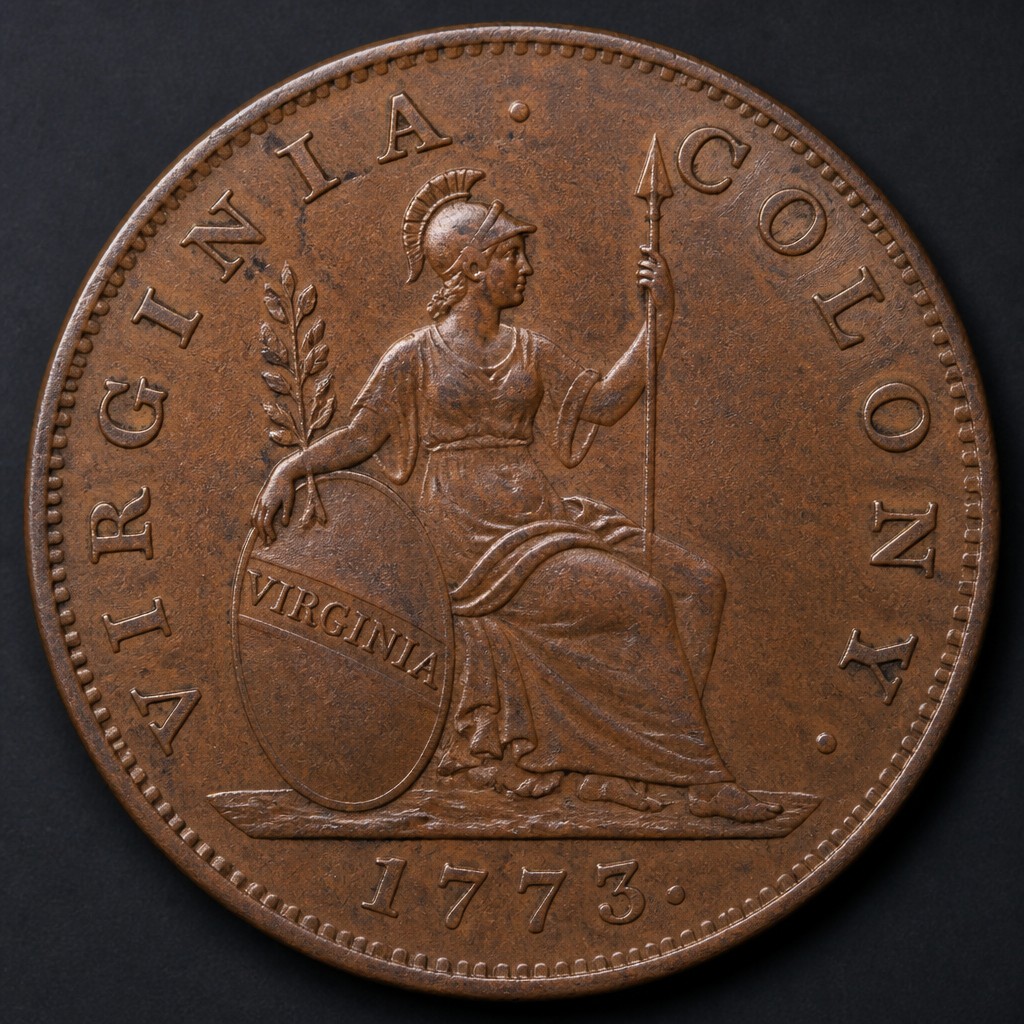
Virginia Halfpenny
1773
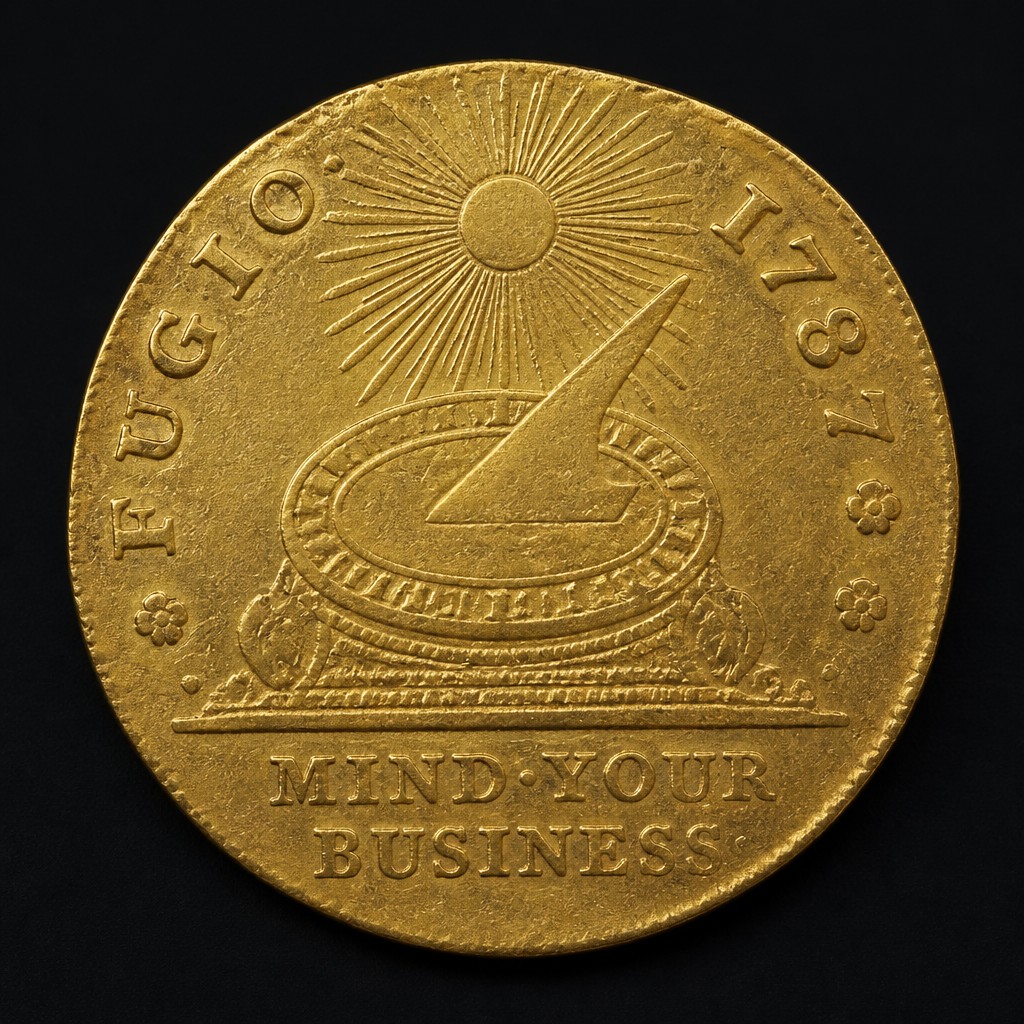
Brasher Doubloon
1787
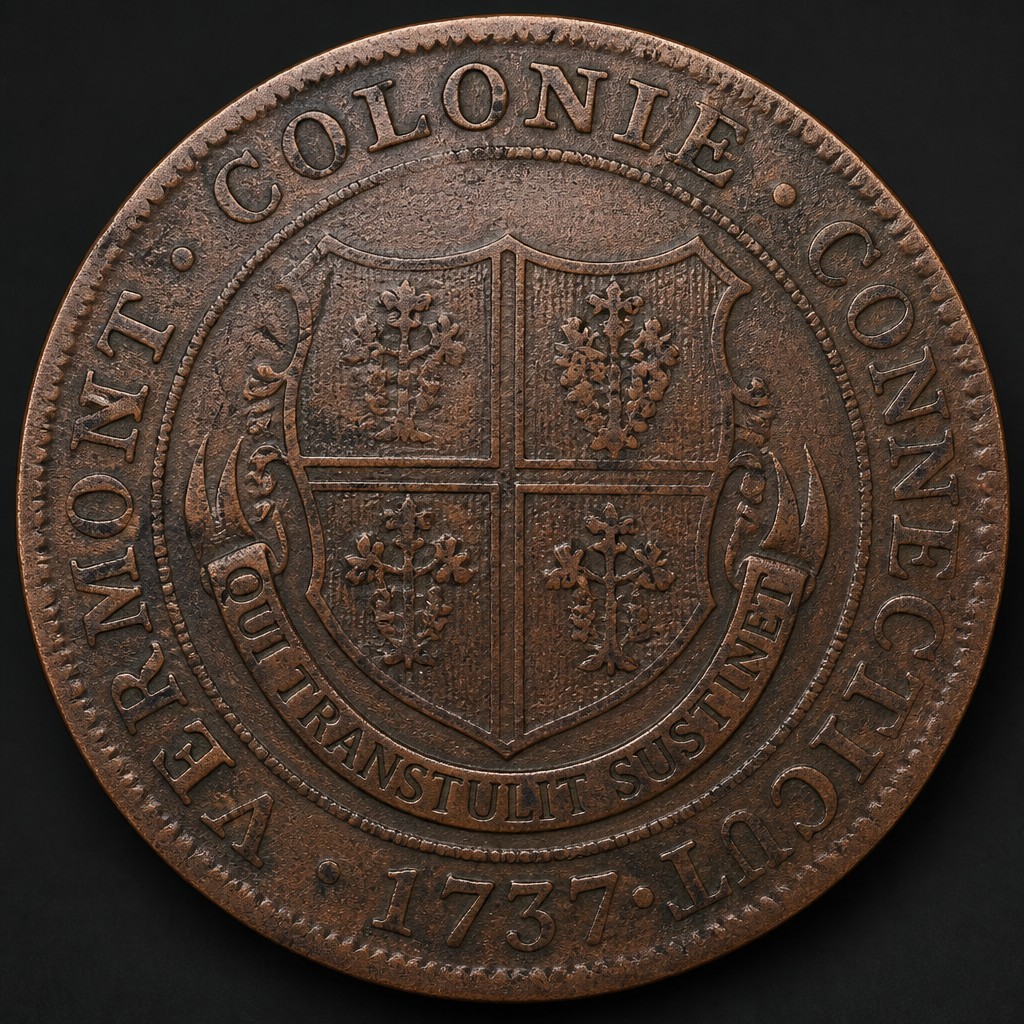
Higley Copper
1737–1739
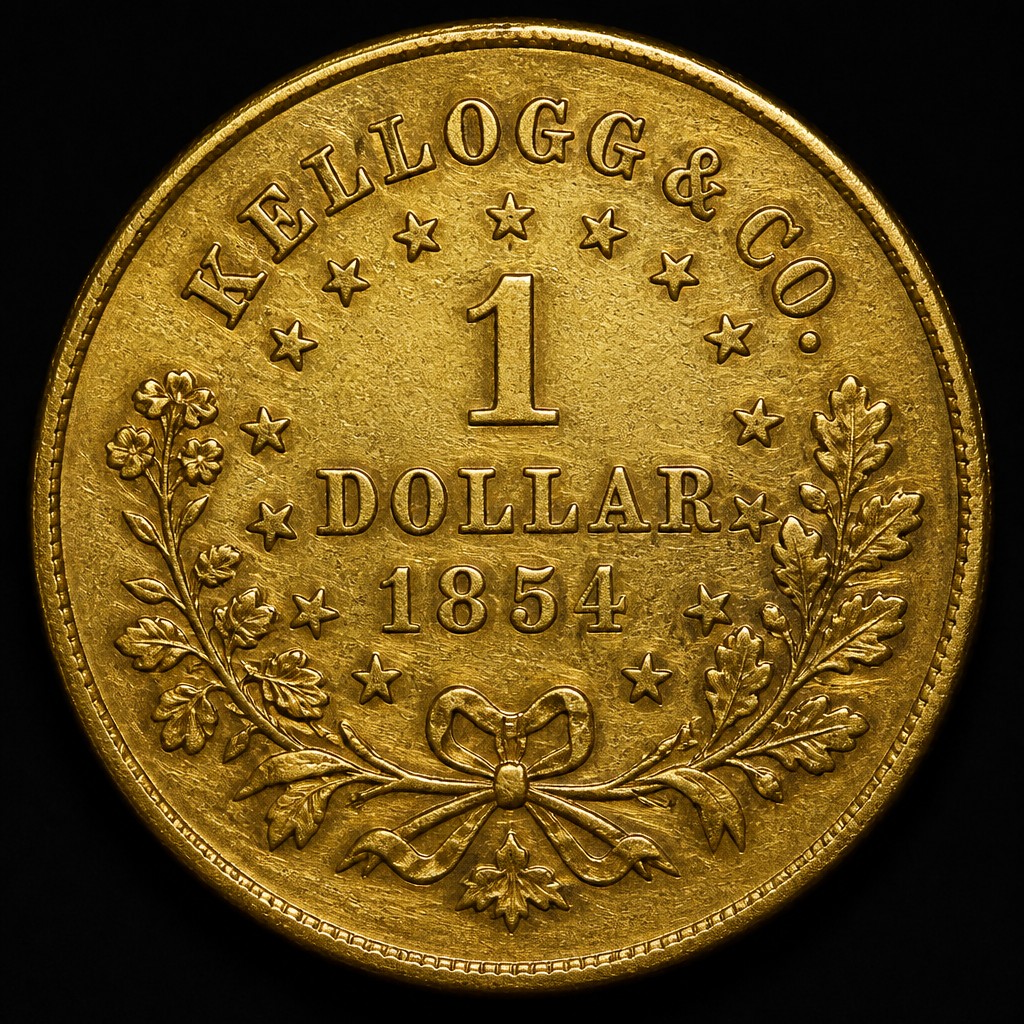
Kellogg & Co. Gold Piece
1854–1855
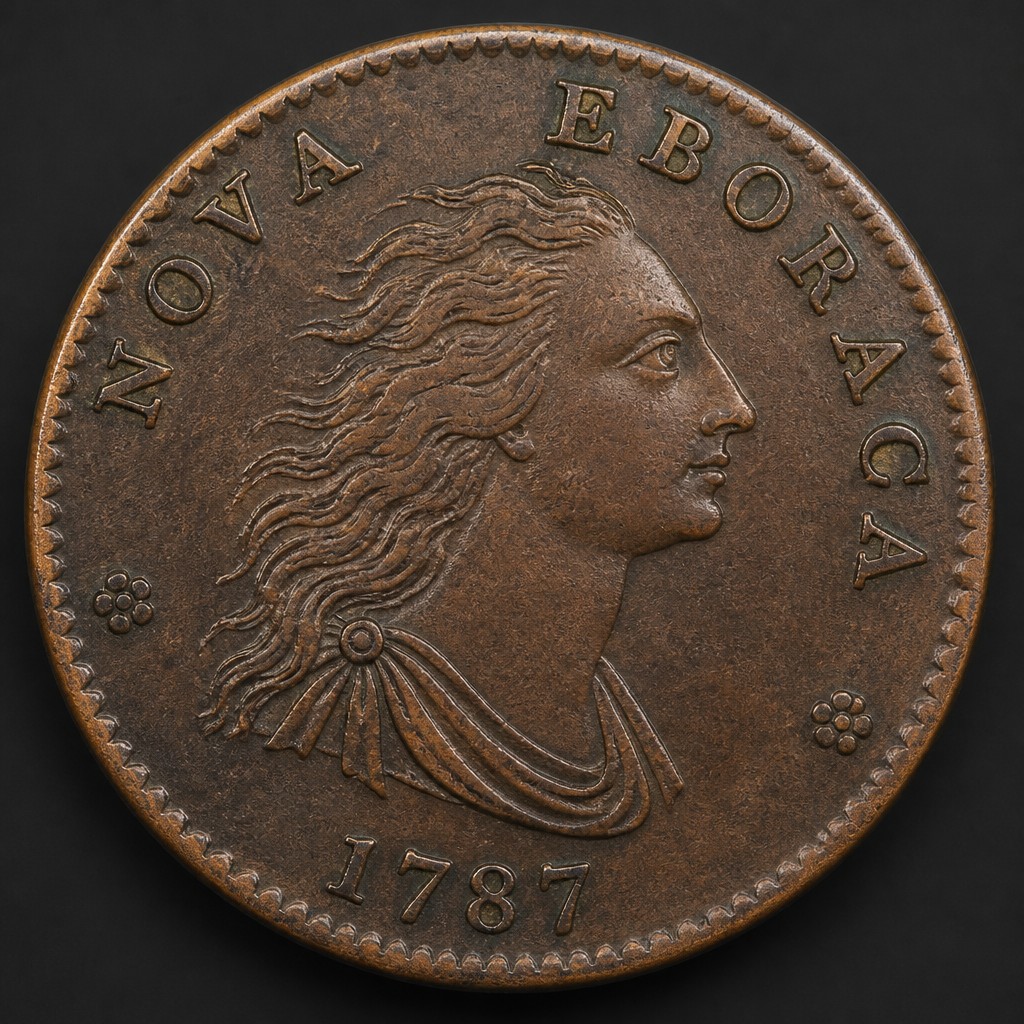
Nova Eborac Copper
1787
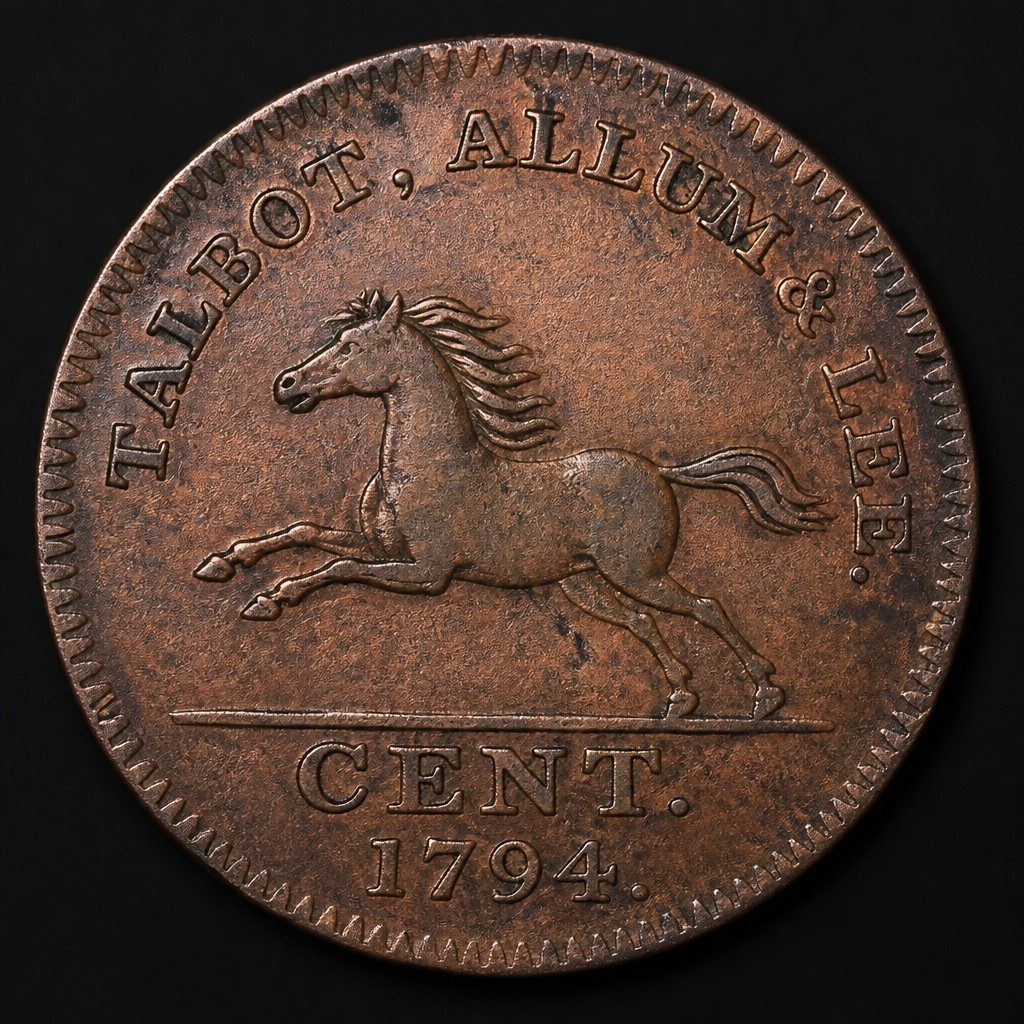
Talbot, Allum & Lee Cent
1794–1795
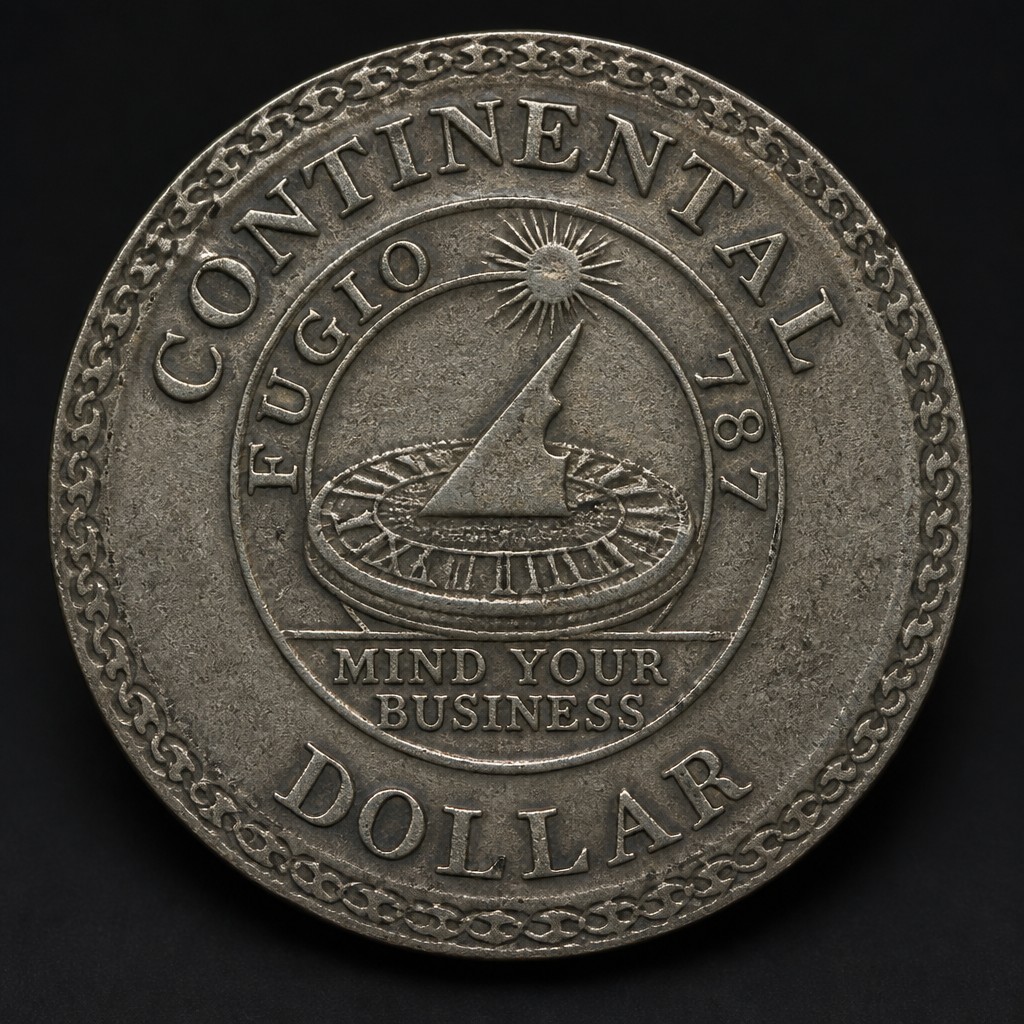
Continental Dollar
1776
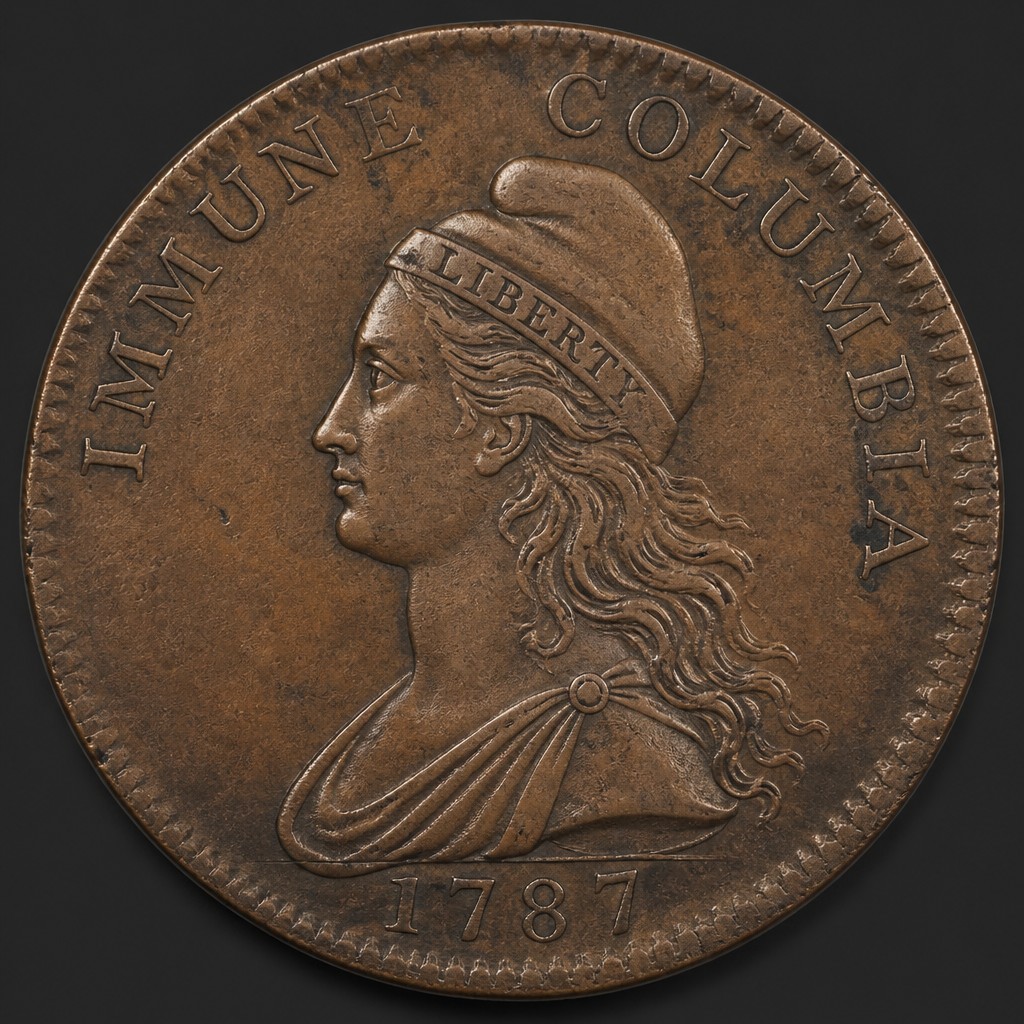
Immune Columbia Copper
circa 1785–1787
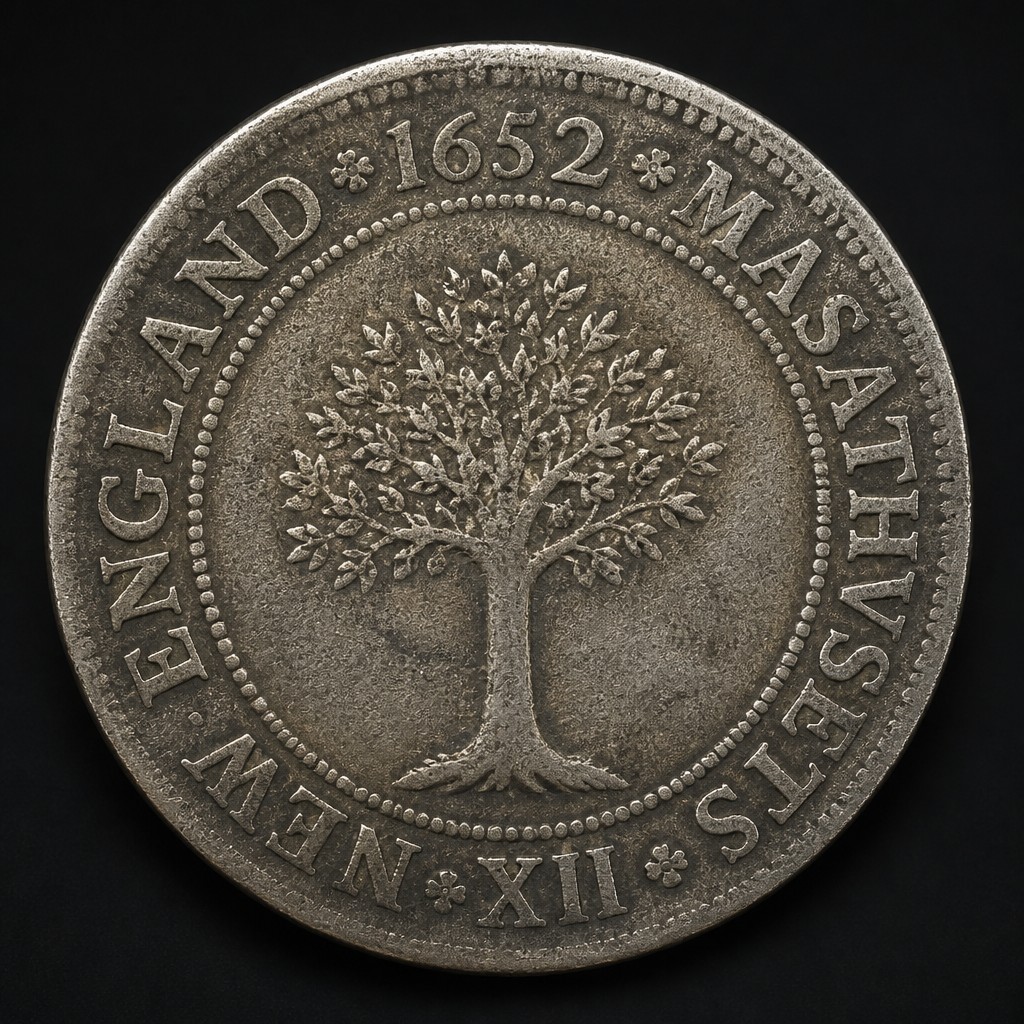
Massachusetts Oak Tree Shilling
Dated 1652, struck circa 1660–1667
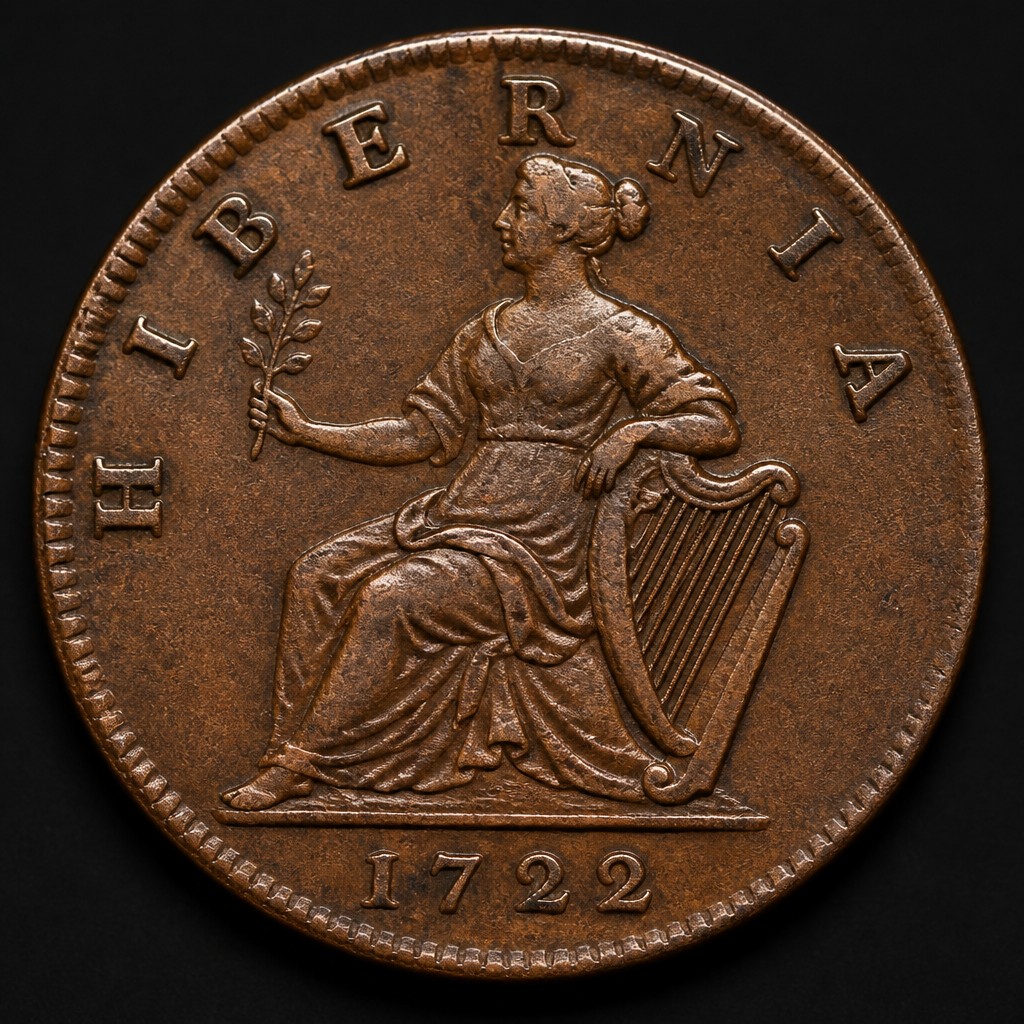
Wood's Hibernia Halfpenny
1722–1724
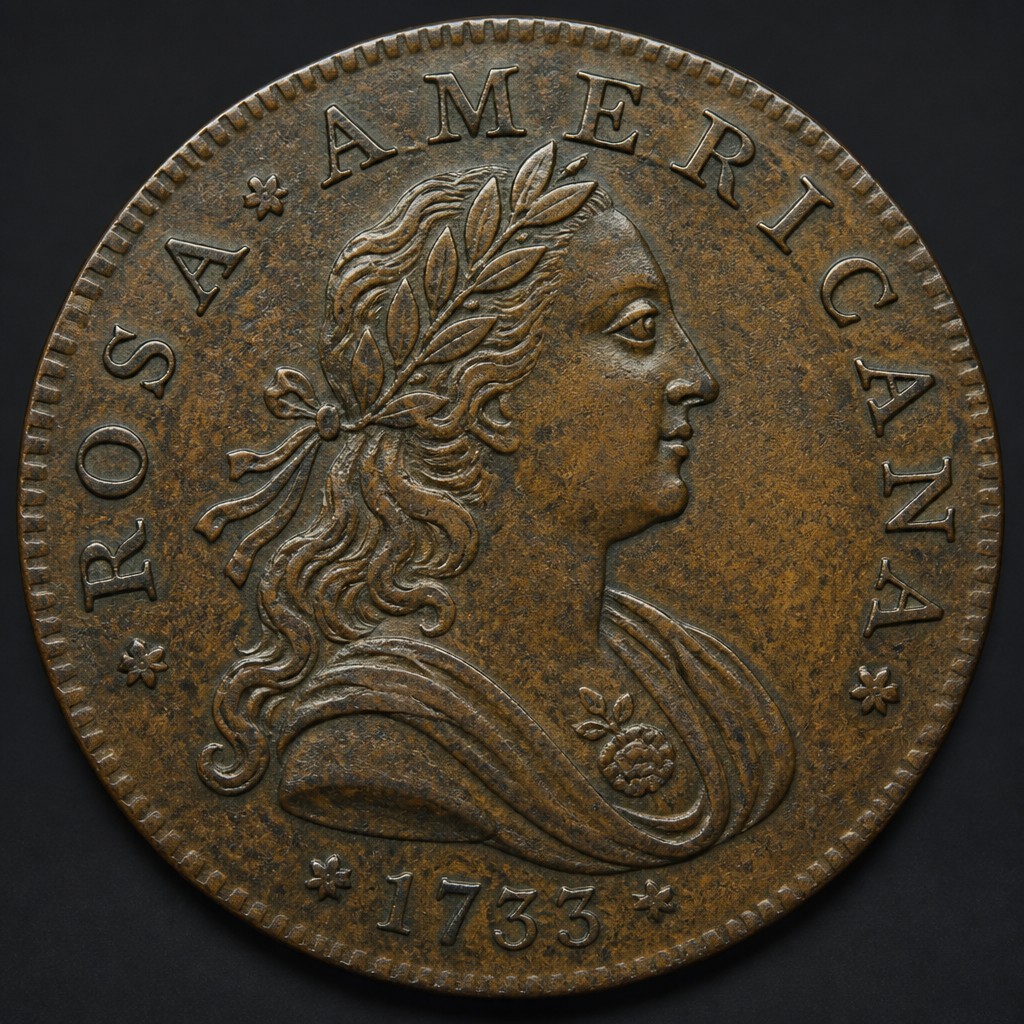
Rosa Americana Coinage
1722–1724 (with pattern issues dated 1733)
Massachusetts Willow Tree Shilling
Dated 1652, struck circa 1653–1660