
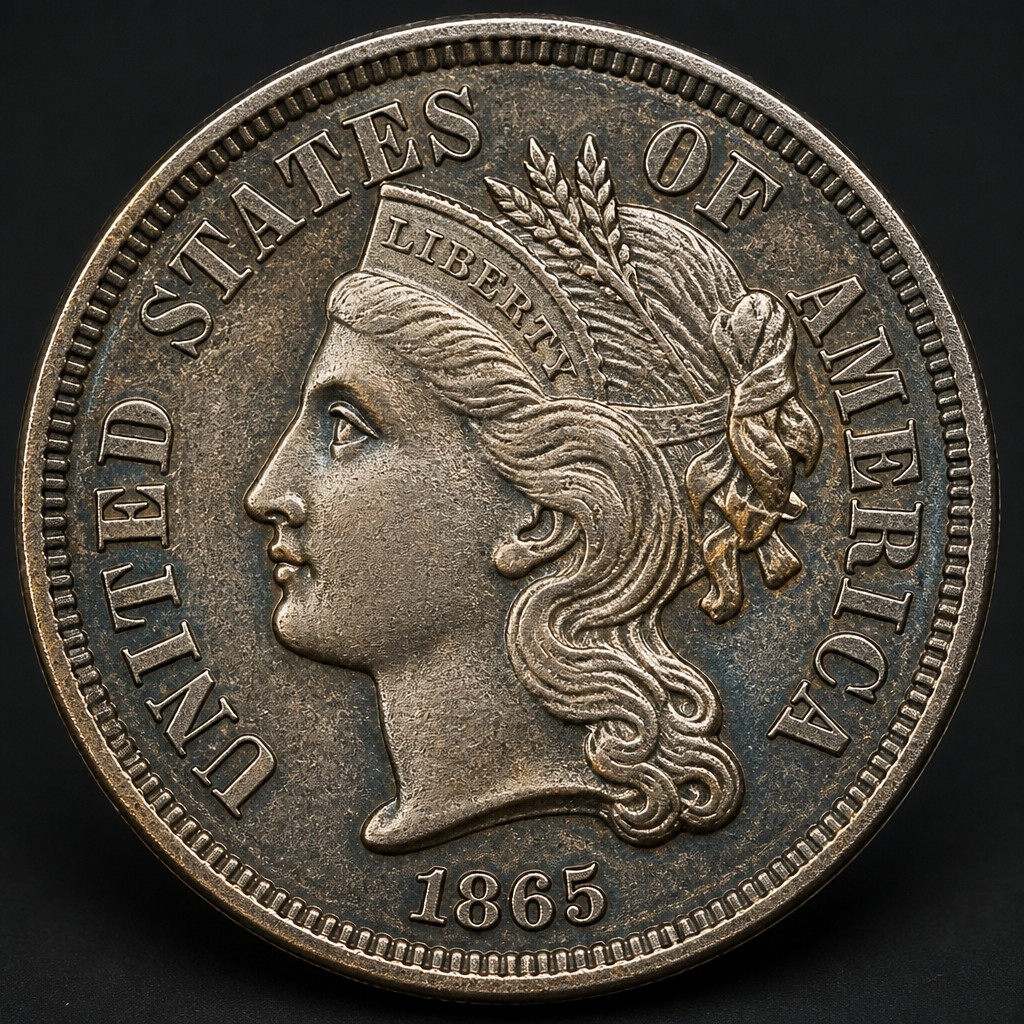
Nickel Three-Cent Piece
A post-Civil War small coin struck in copper-nickel to replace the fragile silver three-cent piece and small-denomination paper currency then in circulation.
- Country
- United States
- Denomination
- Three Cents
- Metal
- 75% Copper, 25% Nickel
Got a coin like this?
Identify any coin from a photo, free.
Overview
The Nickel Three-Cent Piece was created to provide a sturdier, more practical alternative to the earlier silver three-cent piece and to fractional paper currency, both of which had proven awkward for everyday small transactions after the Civil War. It represents an interesting, often-overlooked denomination that briefly filled a real gap in American small change.
Collectors appreciate the series for its manageable length (a bit over two decades), its role as a companion piece to the more famous Shield and Liberty Head nickel five-cent coins introduced around the same period, and its underlying connection to industrialist Joseph Wharton, whose nickel mining interests lobbied for greater nickel use in coinage. It offers a compact, achievable date set for collectors interested in post-Civil War U.S. coinage.
Though never as widely used as the cent or nickel five-cent piece, it remains a distinctive and collectible denomination unique to this specific era of American money.
History & Background
After the Civil War, both silver coinage and fractional paper currency used for small transactions had significant drawbacks: silver coins were hoarded due to fluctuating bullion values, and small paper notes wore out quickly and were widely disliked by the public. Congress responded in 1865 by authorizing a new three-cent coin struck in a durable copper-nickel alloy, intended to replace both the silver three-cent piece and small-denomination fractional currency notes.
Mint Chief Engraver James B. Longacre designed the coin, giving it a simple profile portrait of Liberty on the obverse, distinct from the shield design used on the companion five-cent nickel piece introduced the following year. The push toward nickel-alloy coinage during this period was aided by the lobbying of industrialist Joseph Wharton, whose business interests in nickel mining benefited from increased government demand for the metal.
As postal rates and other small transaction needs changed over the following decades, and as the coin's usefulness diminished relative to the cent and five-cent nickel, mintages declined steadily until the denomination was officially discontinued in 1889.
How to Identify
The obverse shows a left-facing profile portrait of Liberty with a coronet inscribed 'LIBERTY,' surrounded by thirteen stars and the date below. The reverse displays a large Roman numeral 'III' within a wreath or laurel border, with 'UNITED STATES OF AMERICA' arranged around the edge.
The coin is struck in a copper-nickel alloy, giving it a pale, silvery-gray appearance similar to the contemporary five-cent nickel piece, but it is smaller in diameter, which is the easiest way to distinguish the two denominations at a glance. It should also not be confused with the earlier, smaller, and thinner silver three-cent piece (nicknamed the 'trime'), which has a different, more delicate six-pointed star design rather than a portrait bust.
Because all issues of this coin were struck only at the Philadelphia Mint, there are no mintmarks to check, and dates alone, along with overall condition and any known proof-only issues in the later low-mintage years, determine variety and rarity.
Value & Collectibility
Common-date Nickel Three-Cent Pieces from the late 1860s and early 1870s are generally affordable and accessible for collectors building a type set of post-Civil War American coinage. Values rise for the later, lower-mintage dates from the 1880s, some of which were struck in very limited quantities primarily for collectors and proof sets rather than general circulation, making them notably scarcer and more expensive than the earlier, more common dates.
As with most 19th-century copper-nickel coinage, condition and originality of surfaces play a significant role in value, with well-preserved, lustrous examples commanding a premium over typical worn pieces.
Frequently asked questions
Why was a three-cent coin needed?
It replaced the fragile silver three-cent piece and unpopular small-denomination paper currency used after the Civil War, offering a more durable coin for everyday transactions.
How is it different from the silver three-cent piece?
The nickel version is larger, thicker, and shows a portrait bust of Liberty, while the earlier silver 'trime' is tiny, thin, and features a six-pointed star design.
How is it different from the five-cent nickel of the same era?
The three-cent nickel is smaller in diameter than the five-cent nickel piece, despite both sharing a similar pale copper-nickel color.
Who influenced the push for nickel-alloy coinage?
Industrialist Joseph Wharton, who had significant nickel mining interests, lobbied for greater government use of nickel alloy in coinage during this period.
Why was the denomination discontinued in 1889?
Declining usefulness and falling mintages, as the cent and five-cent nickel met most small-change needs, led Congress to end the denomination.
Other coins you may enjoy
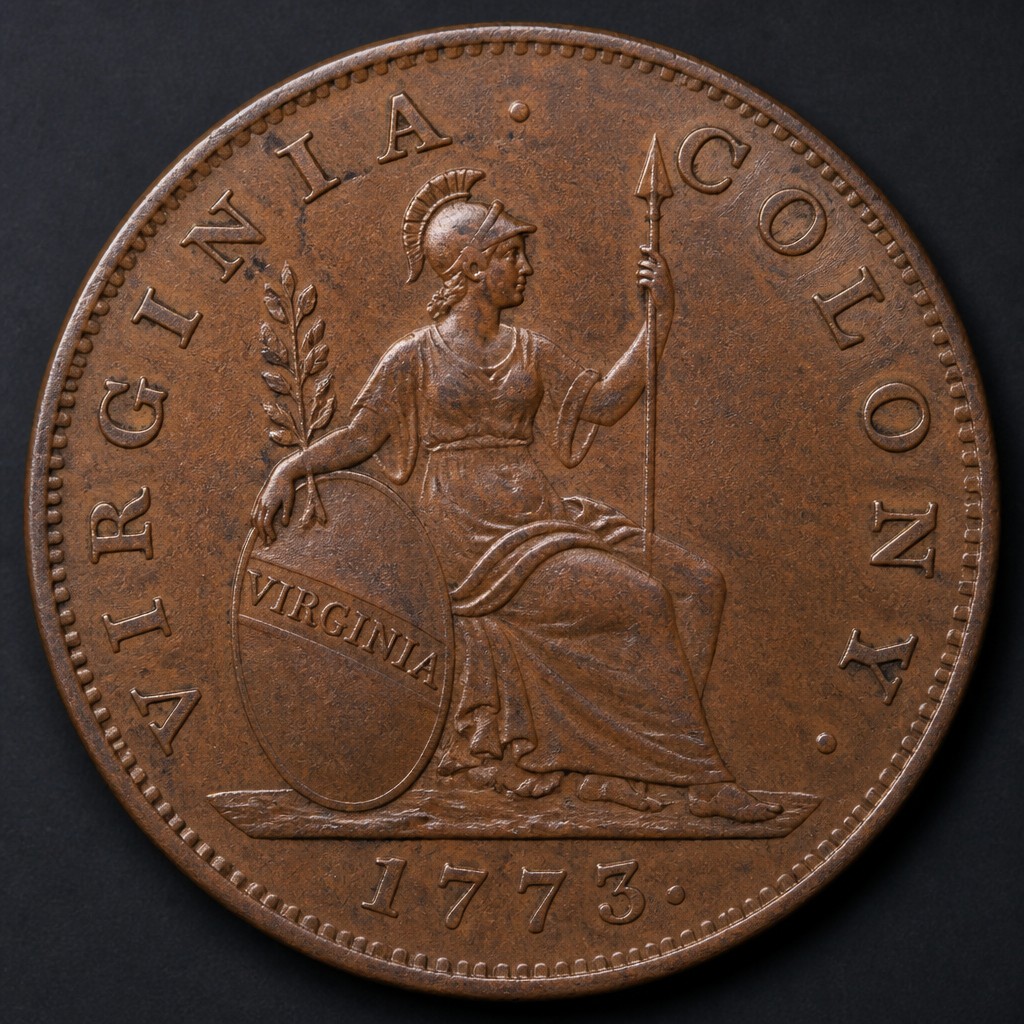
Virginia Halfpenny
1773
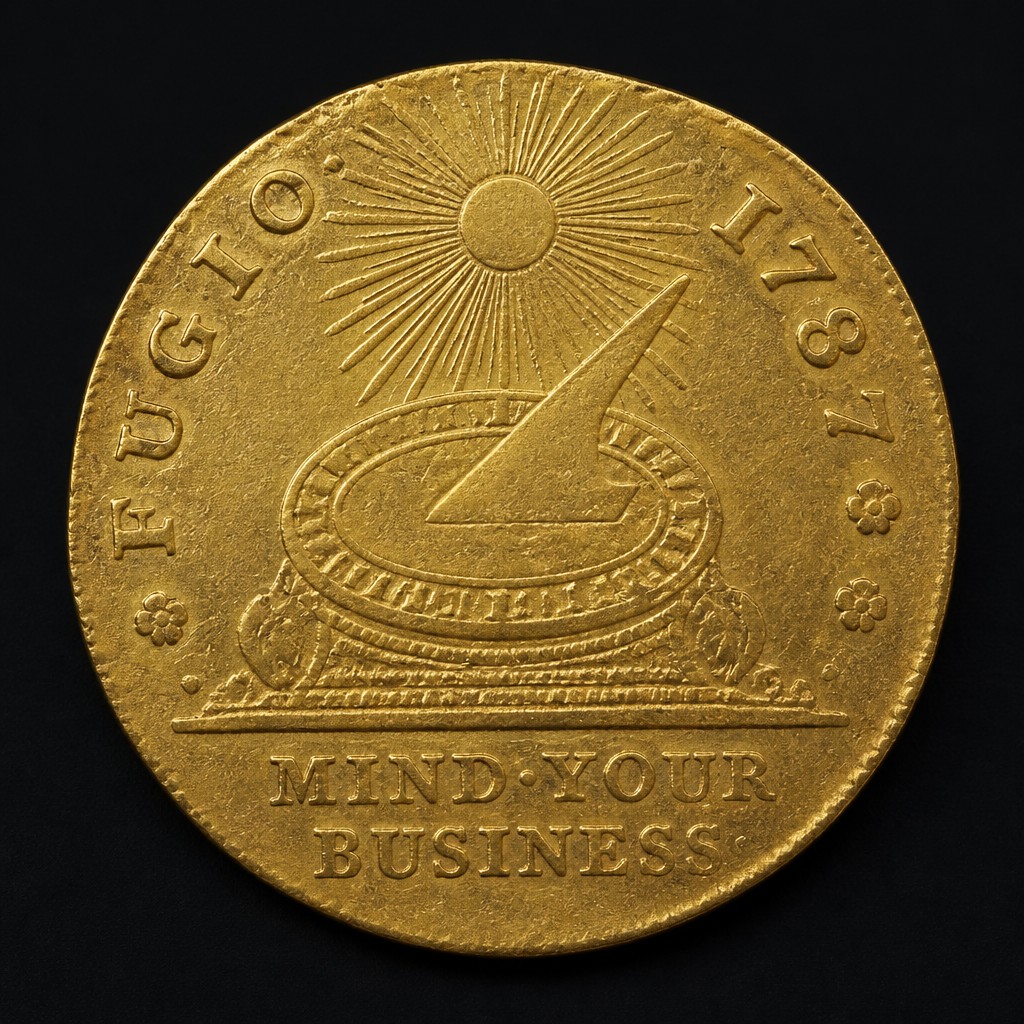
Brasher Doubloon
1787
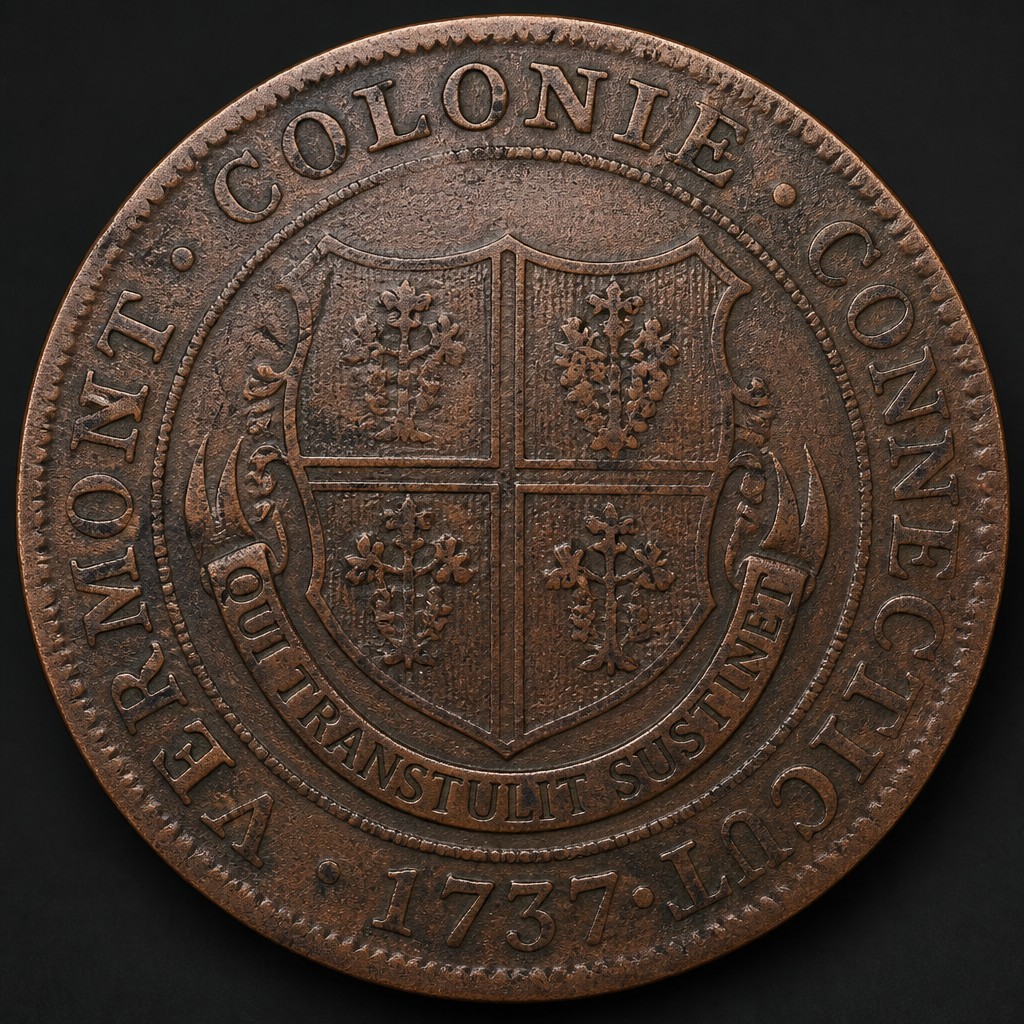
Higley Copper
1737–1739
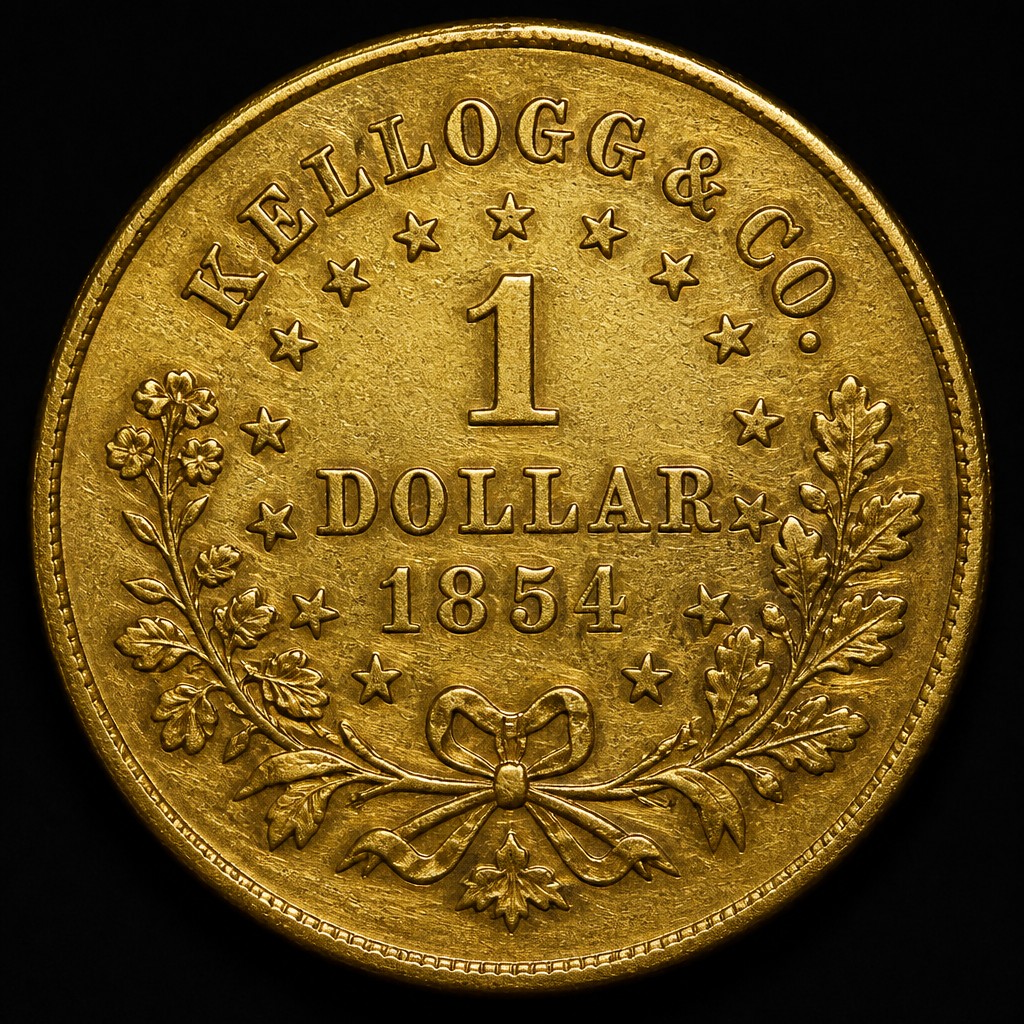
Kellogg & Co. Gold Piece
1854–1855
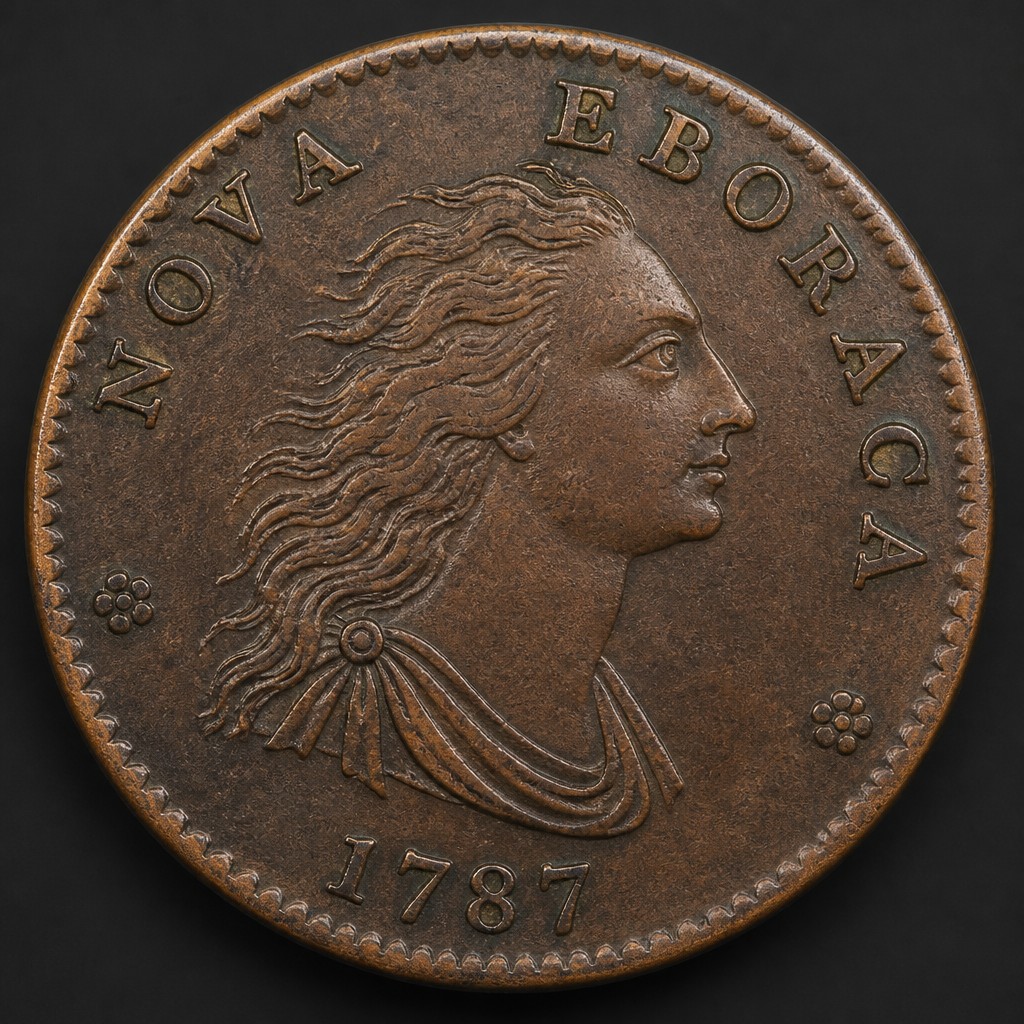
Nova Eborac Copper
1787
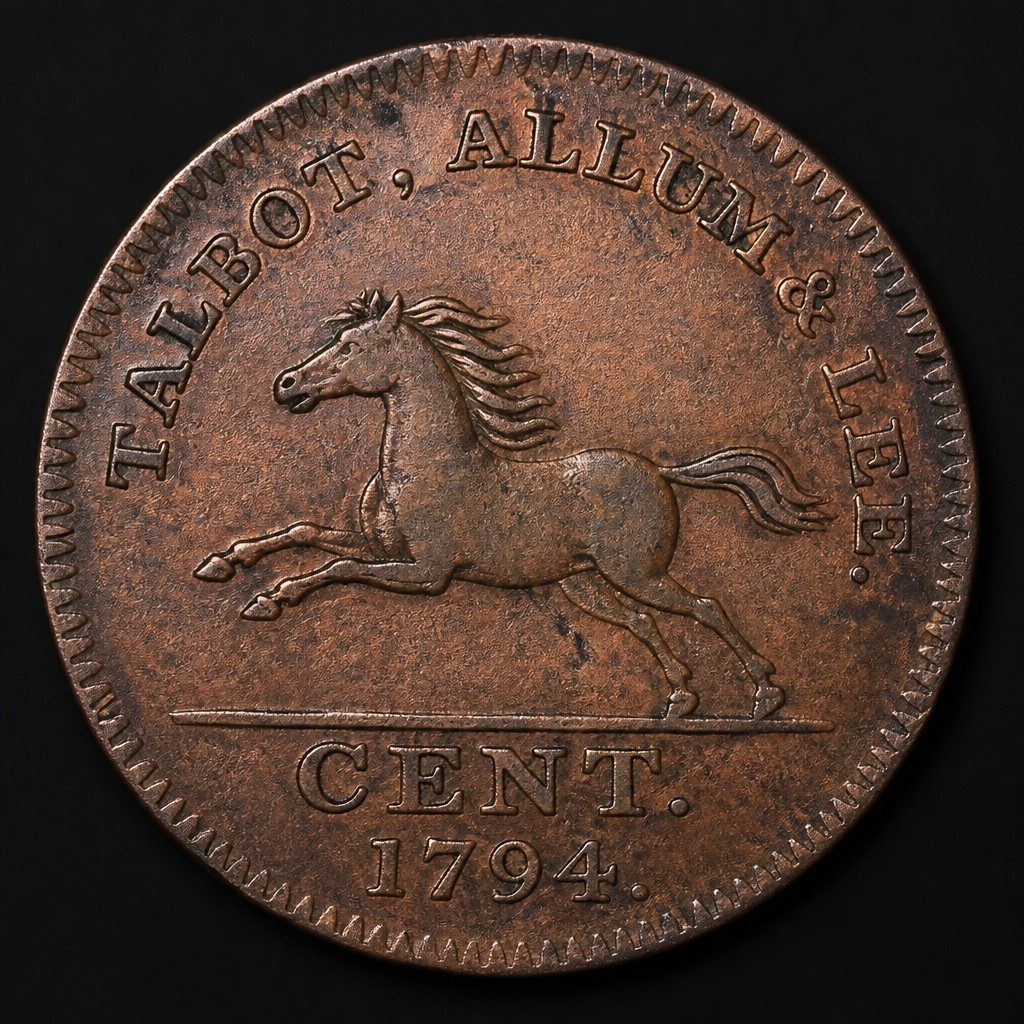
Talbot, Allum & Lee Cent
1794–1795
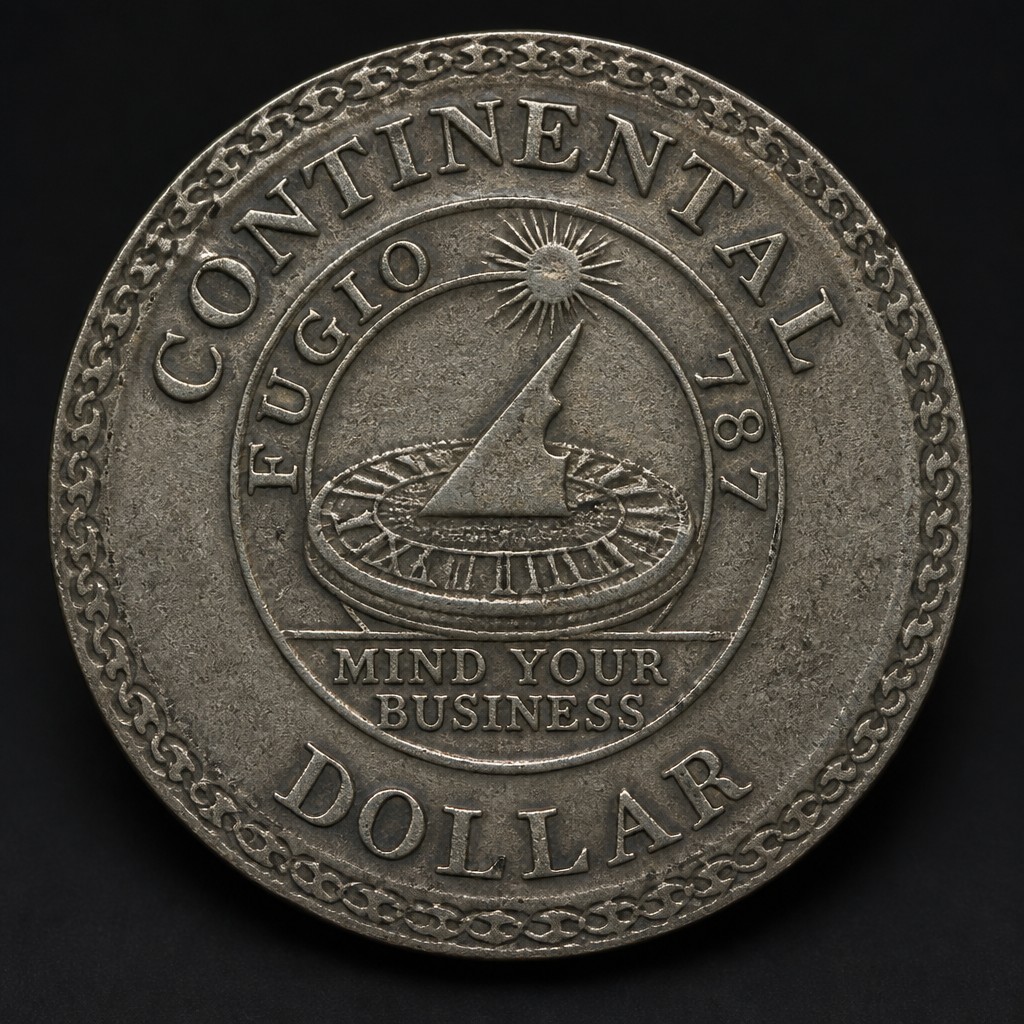
Continental Dollar
1776
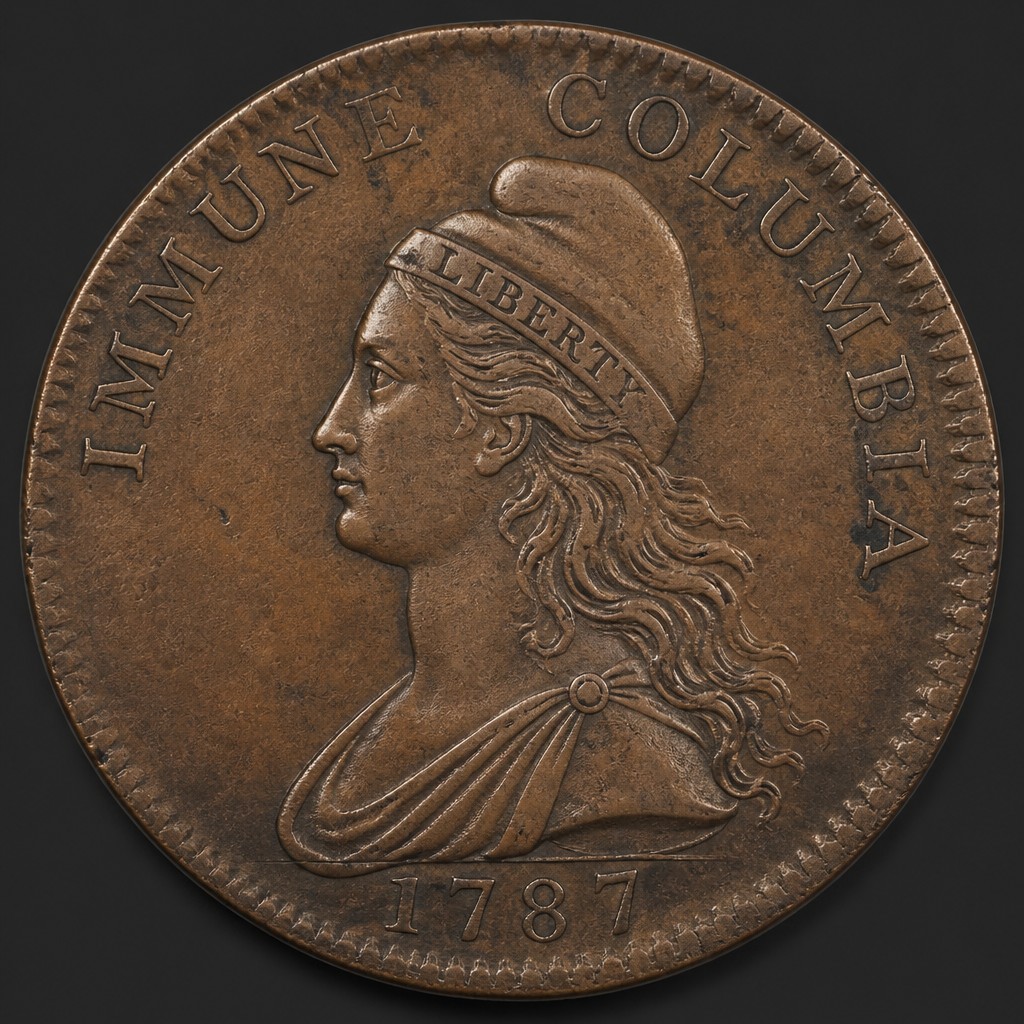
Immune Columbia Copper
circa 1785–1787
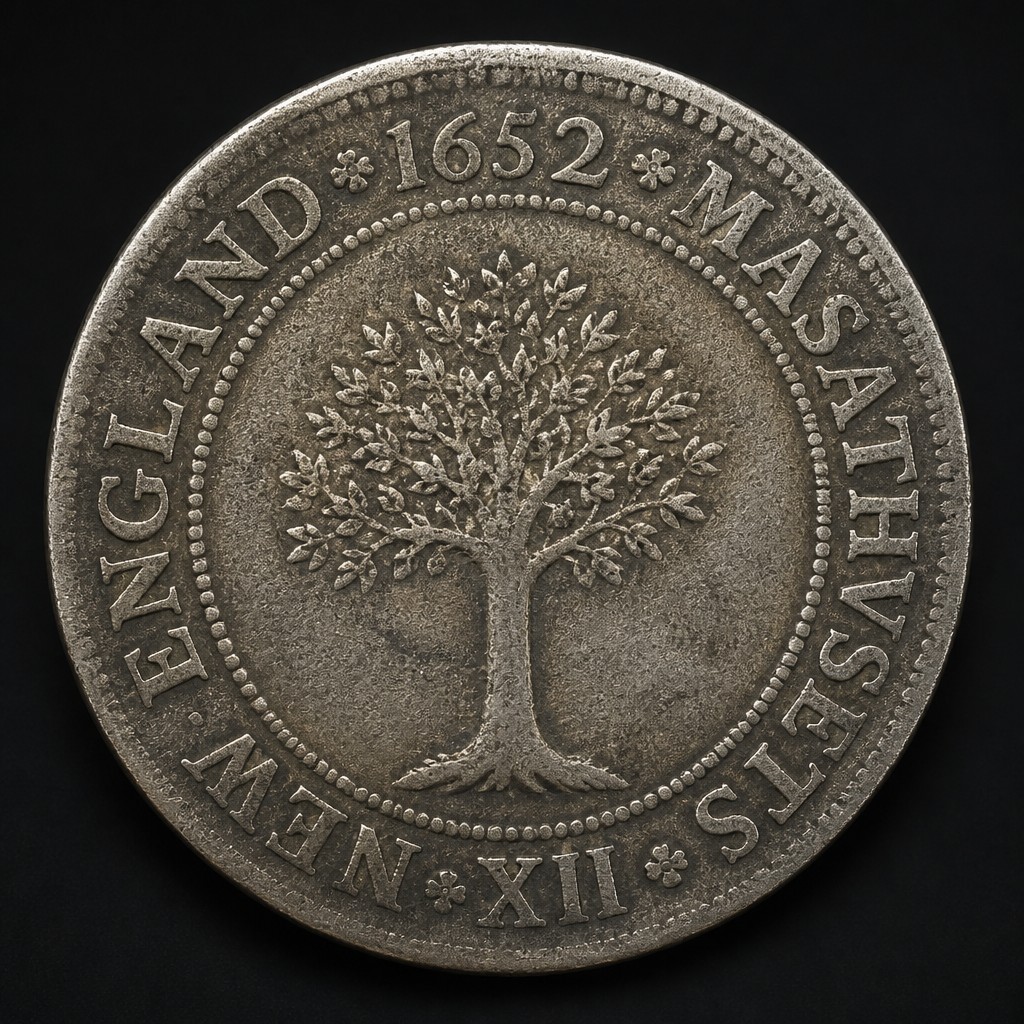
Massachusetts Oak Tree Shilling
Dated 1652, struck circa 1660–1667
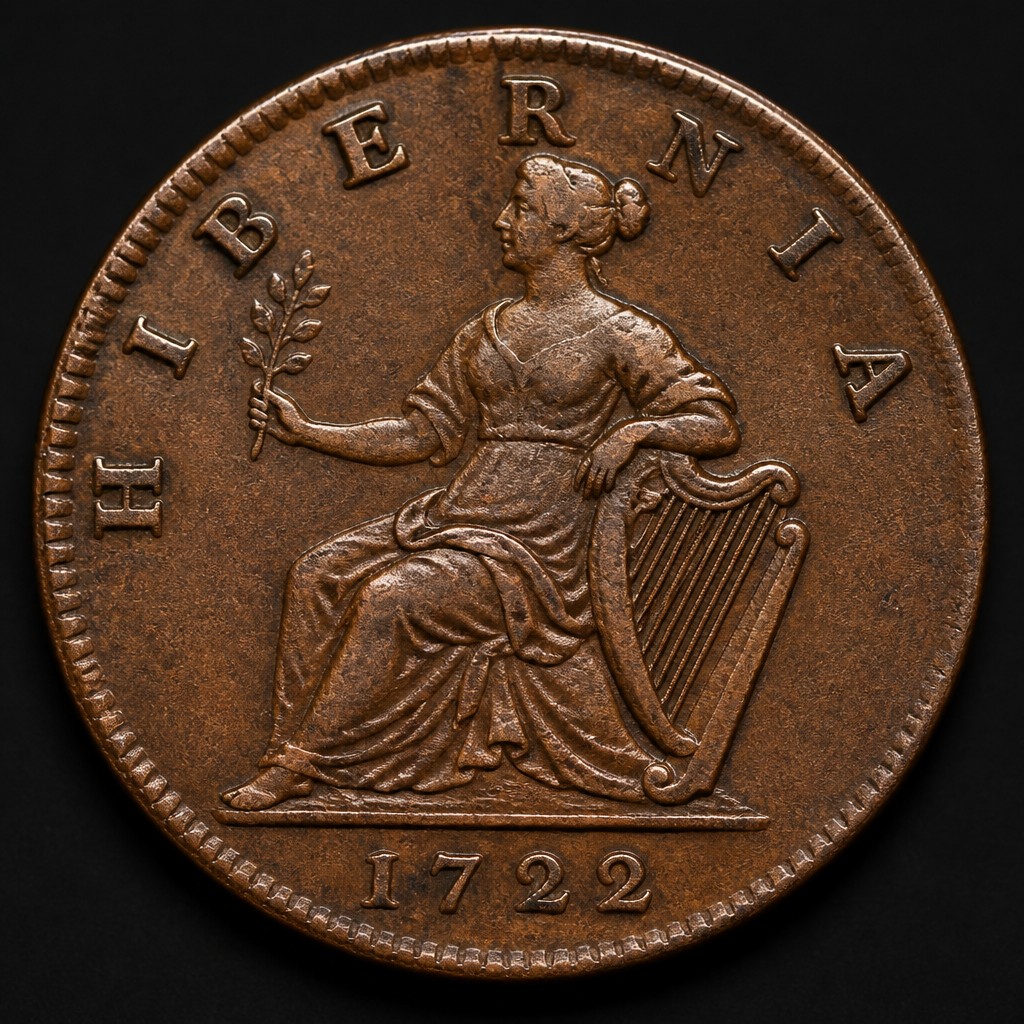
Wood's Hibernia Halfpenny
1722–1724
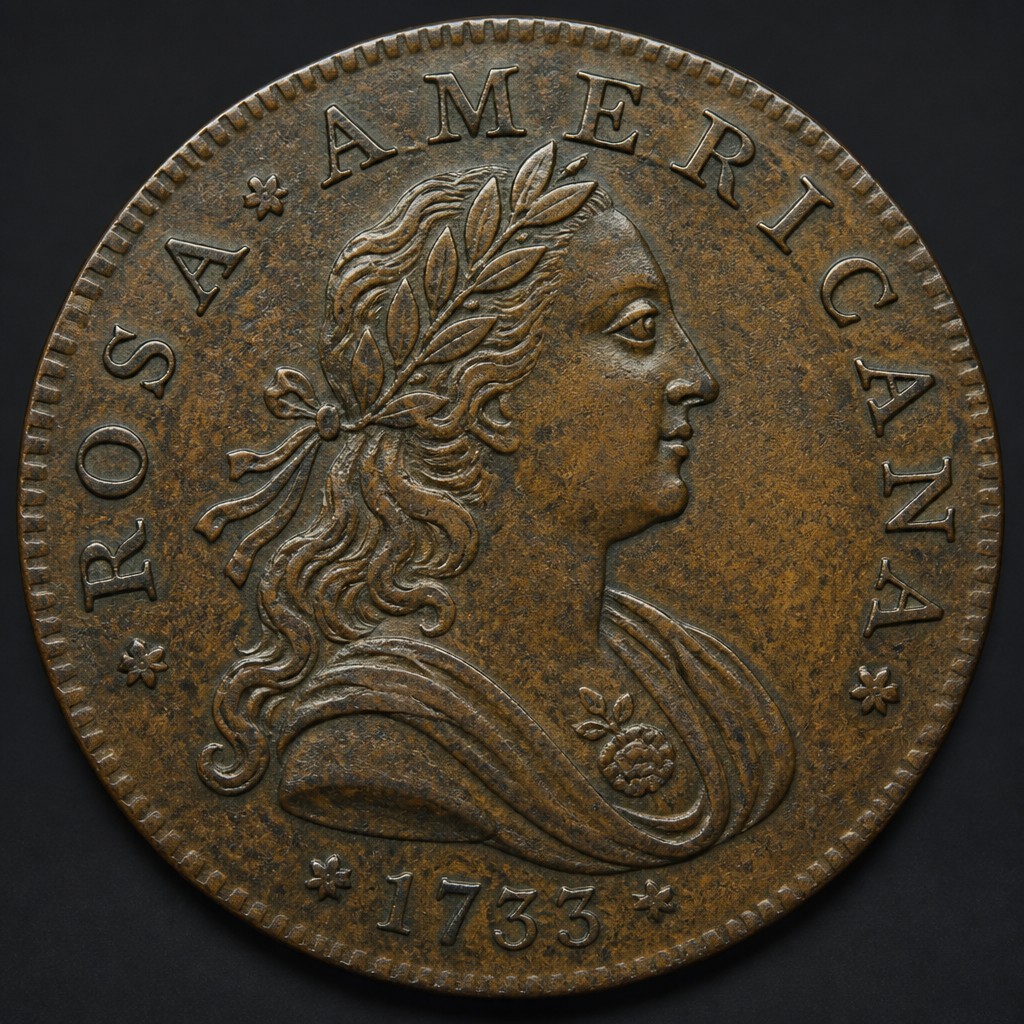
Rosa Americana Coinage
1722–1724 (with pattern issues dated 1733)
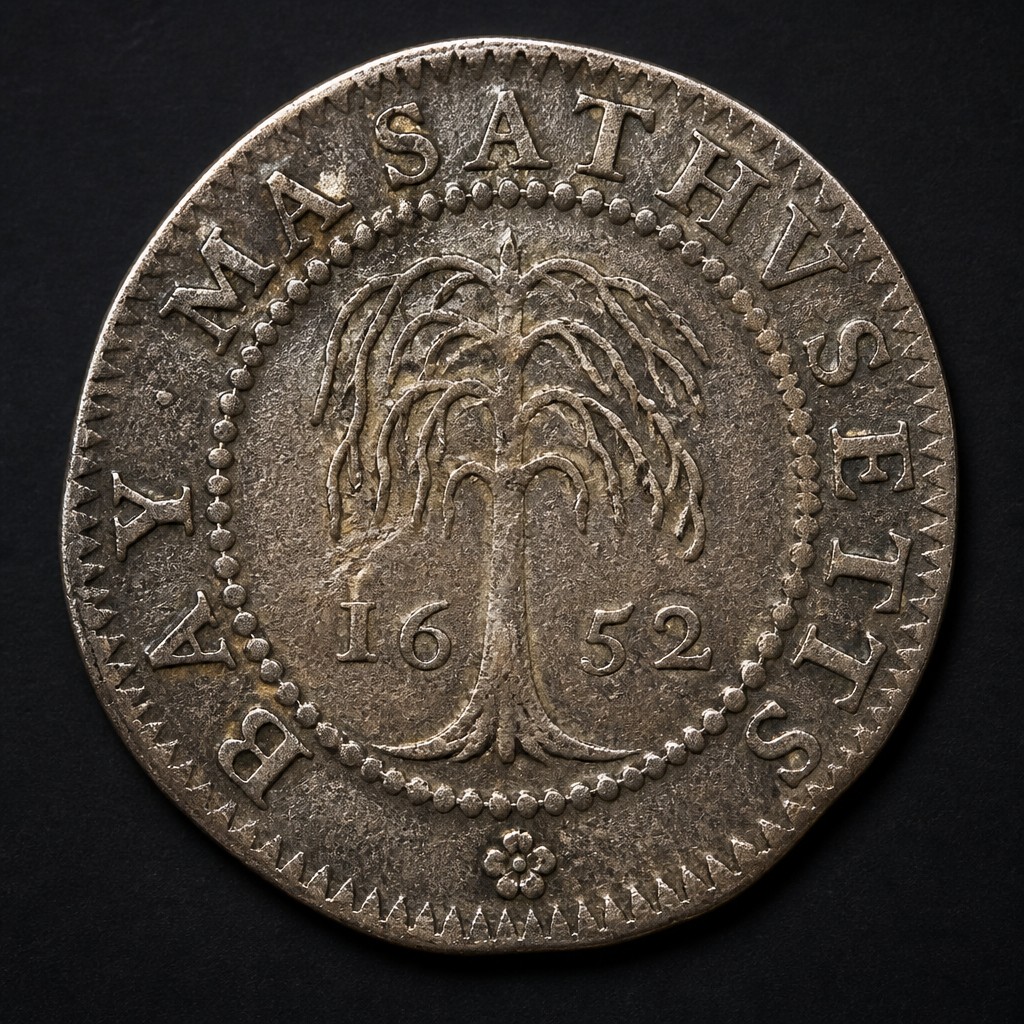
Massachusetts Willow Tree Shilling
Dated 1652, struck circa 1653–1660