
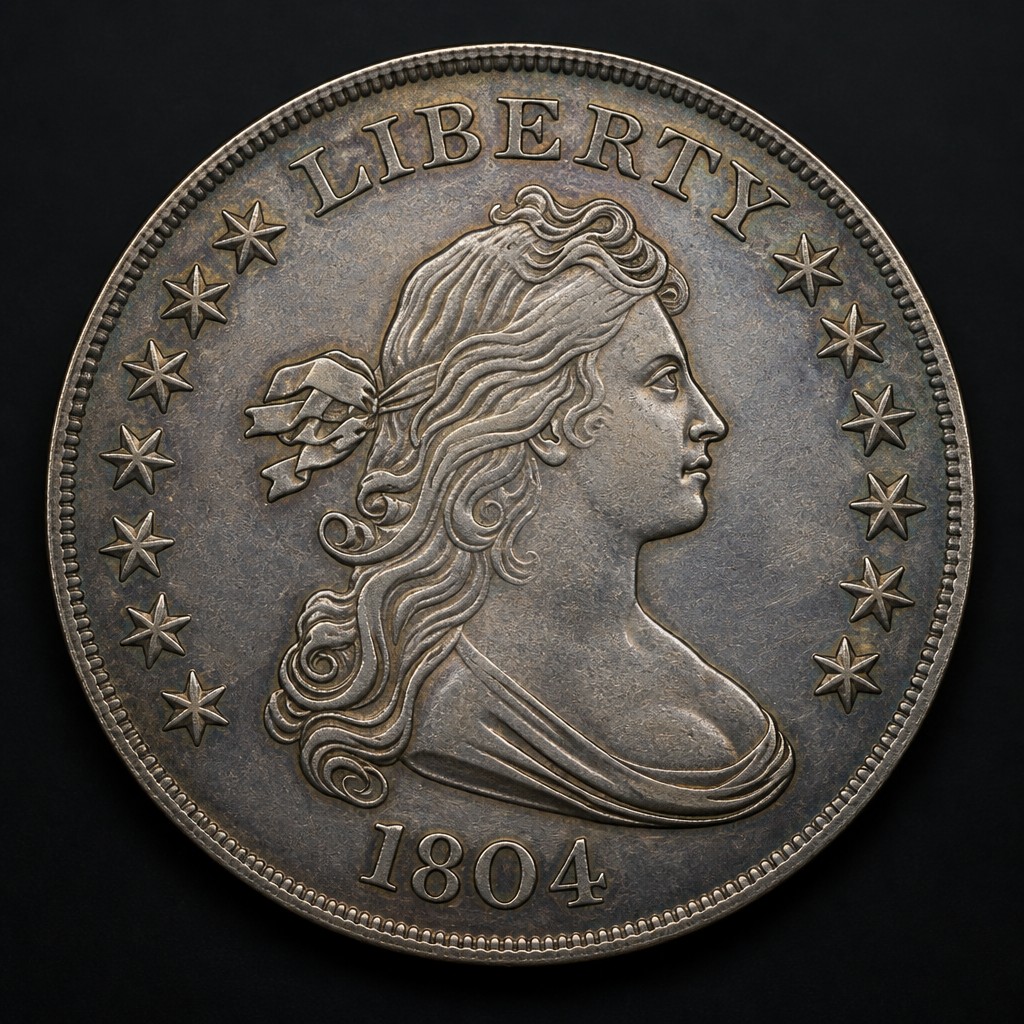
1804 Draped Bust Silver Dollar
Extraordinarily rare U.S. dollar known as "The King of American Coins," actually struck decades after its 1804 date for diplomatic gift sets and later collectors, with only 15 known examples.
- Country
- United States
- Denomination
- One Dollar
- Metal
- 89.24% Silver (early U.S. standard)
Got a coin like this?
Identify any coin from a photo, free.
Overview
The 1804 Draped Bust Silver Dollar is one of the most famous rarities in American numismatics, celebrated for its scarcity, mysterious origins, and near-mythical status among collectors. Despite bearing the date 1804, virtually no dollars were actually struck in that year for circulation, since dollar coinage had been suspended.
Its nickname, "The King of American Coins," reflects both its extreme rarity (only 15 specimens are known across two distinct issuing periods) and the outsized prices it has commanded whenever an example has come to auction.
History & Background
The U.S. Mint had actually halted production of silver dollars from 1804 through 1836 due to concerns about the coins being exported and melted for their silver content, even though Mint records showed dollars "dated" 1804 in that year's ledger (these ledger entries actually referred to leftover 1803-dated dies). Decades later, in 1834, the State Department requested special proof coin sets as diplomatic gifts for the King of Siam and the Sultan of Muscat, and the Mint, needing to represent a dollar denomination, struck new dollars using the 1804 date to match what mint records implied was the last regular dollar issue.
This first group is known as the "Class I" originals (8 known). A second batch, known as "Class II" and "Class III" restrikes, was produced later, apparently without official authorization, in the 1850s to satisfy demand from prominent coin collectors and dealers, sometimes using different dies or overstriking other coins. In total, only 15 genuine specimens across all classes are known to exist today.
How to Identify
The design follows the standard Draped Bust, Heraldic Eagle dollar type used from 1798-1804: Liberty's draped bust faces right on the obverse with stars around and the date below, while the reverse shows a heraldic eagle with a shield, holding an olive branch and arrows, with clouds and stars above and "UNITED STATES OF AMERICA" around the border.
The coin is 39-40 mm in diameter with a lettered edge reading "HUNDRED CENTS ONE DOLLAR OR UNIT" with decorative elements, consistent with dollars of that design type from the 1798-1803 era. Because genuine specimens are so few and so well documented, identification for this coin relies almost entirely on tracing a specific coin's known pedigree and provenance rather than general design features, since all 15 examples are individually catalogued and traceable.
Value & Collectibility
As one of the rarest and most storied coins in American numismatics, the 1804 Dollar has sold for multi-million-dollar sums at auction, with top Class I specimens realizing well over $3-4 million and setting records for U.S. coins in their eras. Even Class II and III restrikes, while less prized than Class I originals, can bring six or seven figures.
Given the extreme rarity and individual pedigree of each of the 15 known specimens, this is not a coin an ordinary collector will encounter; its value is driven almost entirely by rarity, documented history, and condition of the specific known example rather than general market grading.
Frequently asked questions
Why does an 1804 dollar exist if none were struck in 1804?
The coins were actually struck decades later, around 1834 and again in the 1850s, using the 1804 date because Mint records mistakenly implied that was the last regular dollar year.
How many 1804 Dollars exist?
Only 15 genuine specimens are known, divided into Class I (original diplomatic gift coins) and Class II/III (later unofficial restrikes).
What does 'King of American Coins' mean?
It is a nickname reflecting the coin's extreme rarity, historical mystique, and record-setting auction prices among U.S. coins.
Could I have a real 1804 dollar?
It is extremely unlikely; all 15 known genuine specimens are individually documented and accounted for in major collections or past auction records.
Other coins you may enjoy
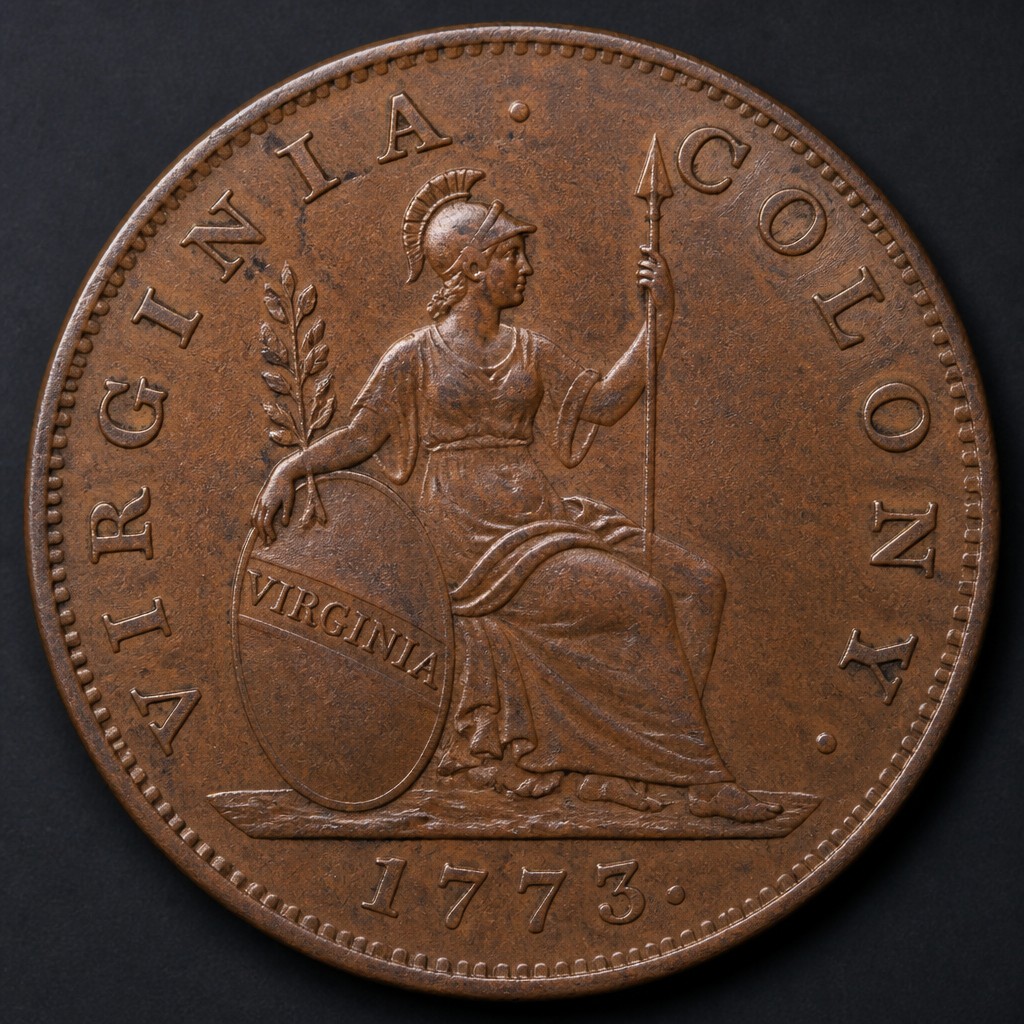
Virginia Halfpenny
1773
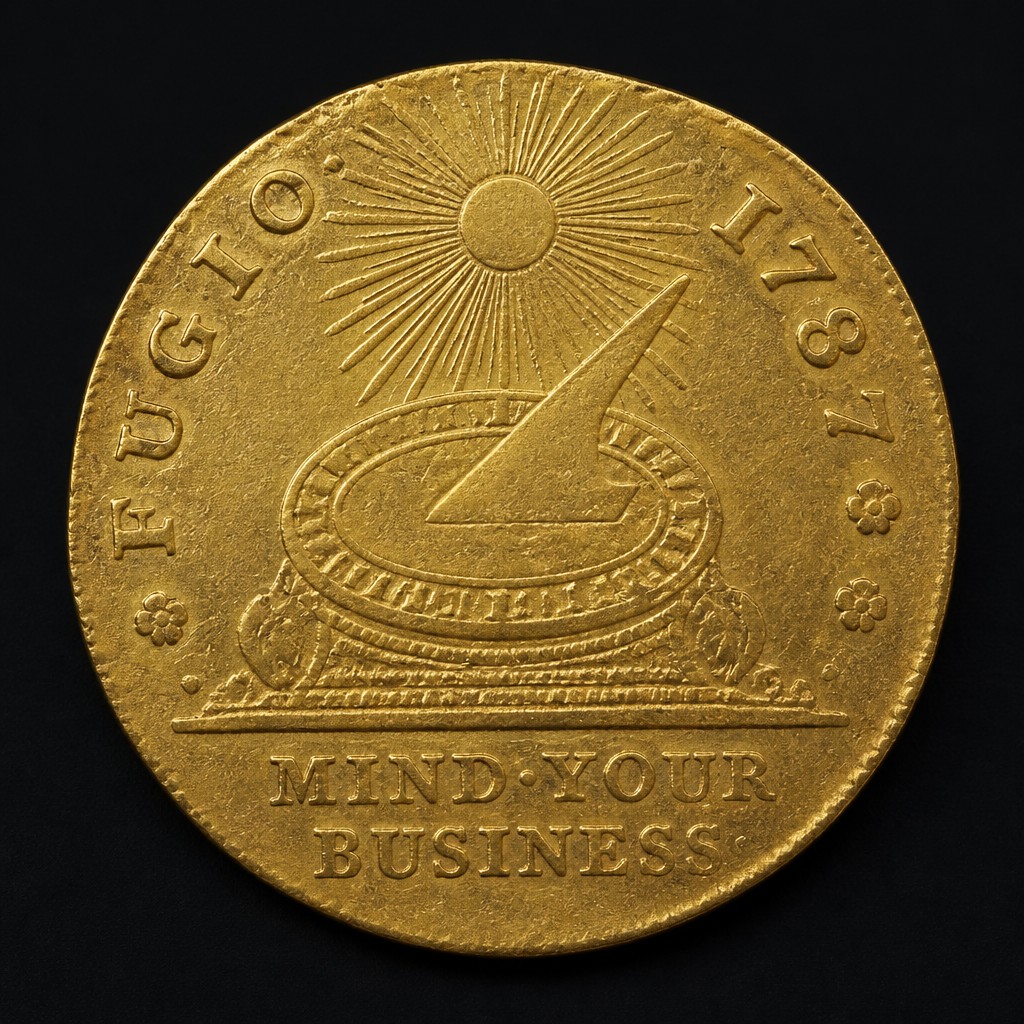
Brasher Doubloon
1787
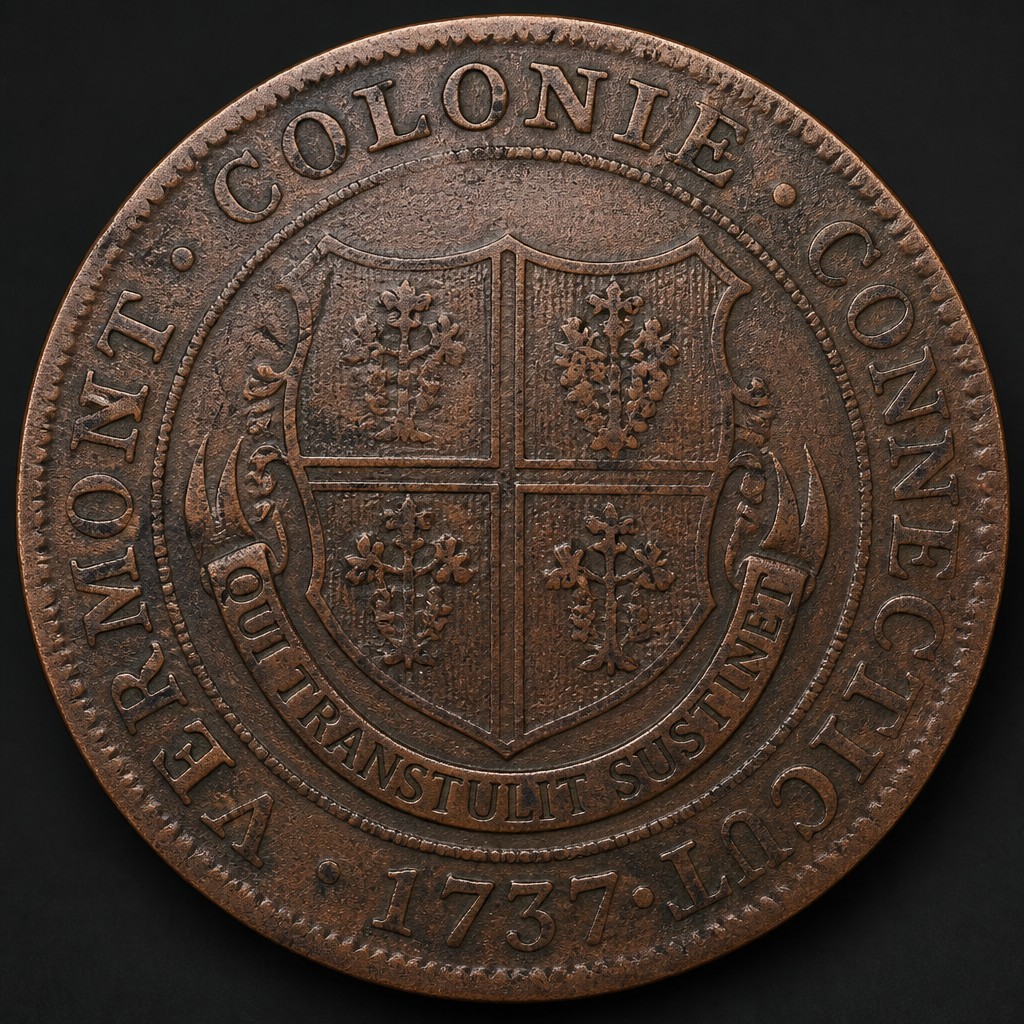
Higley Copper
1737–1739
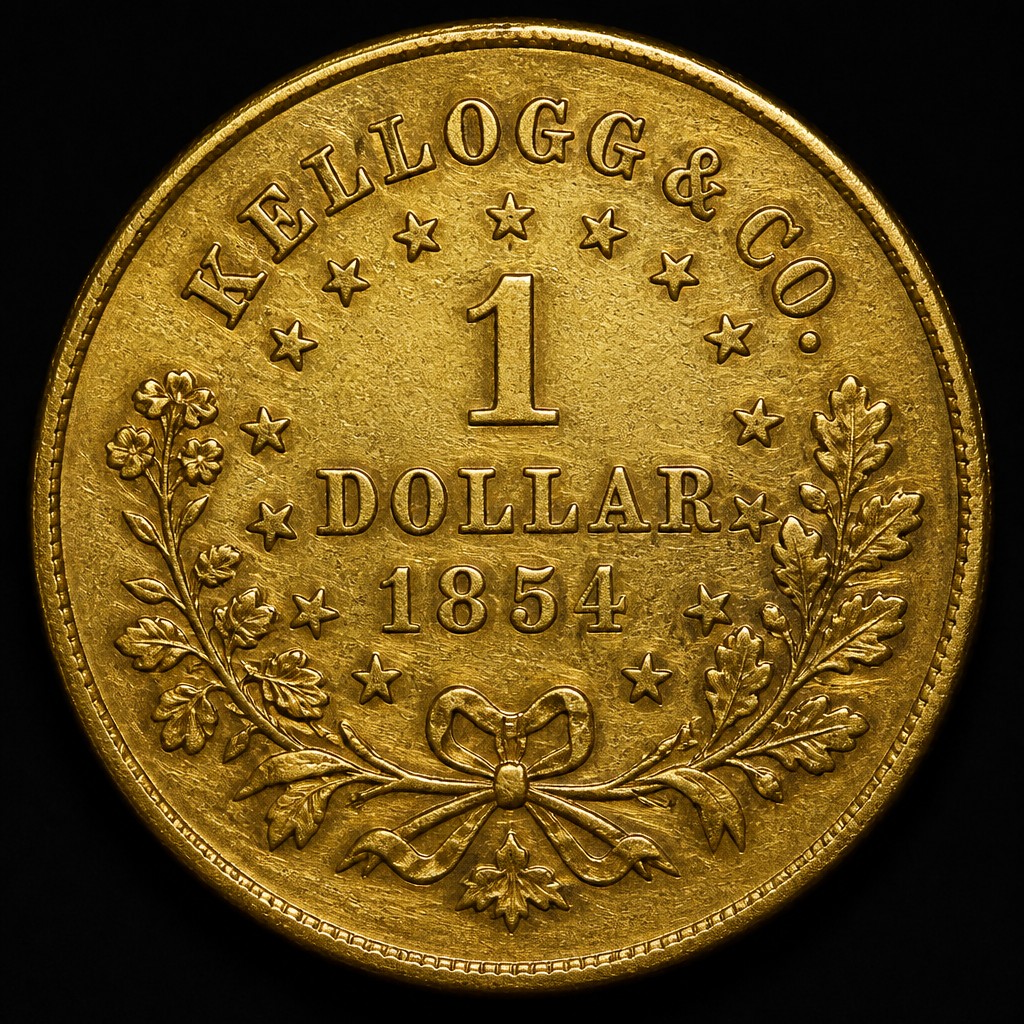
Kellogg & Co. Gold Piece
1854–1855
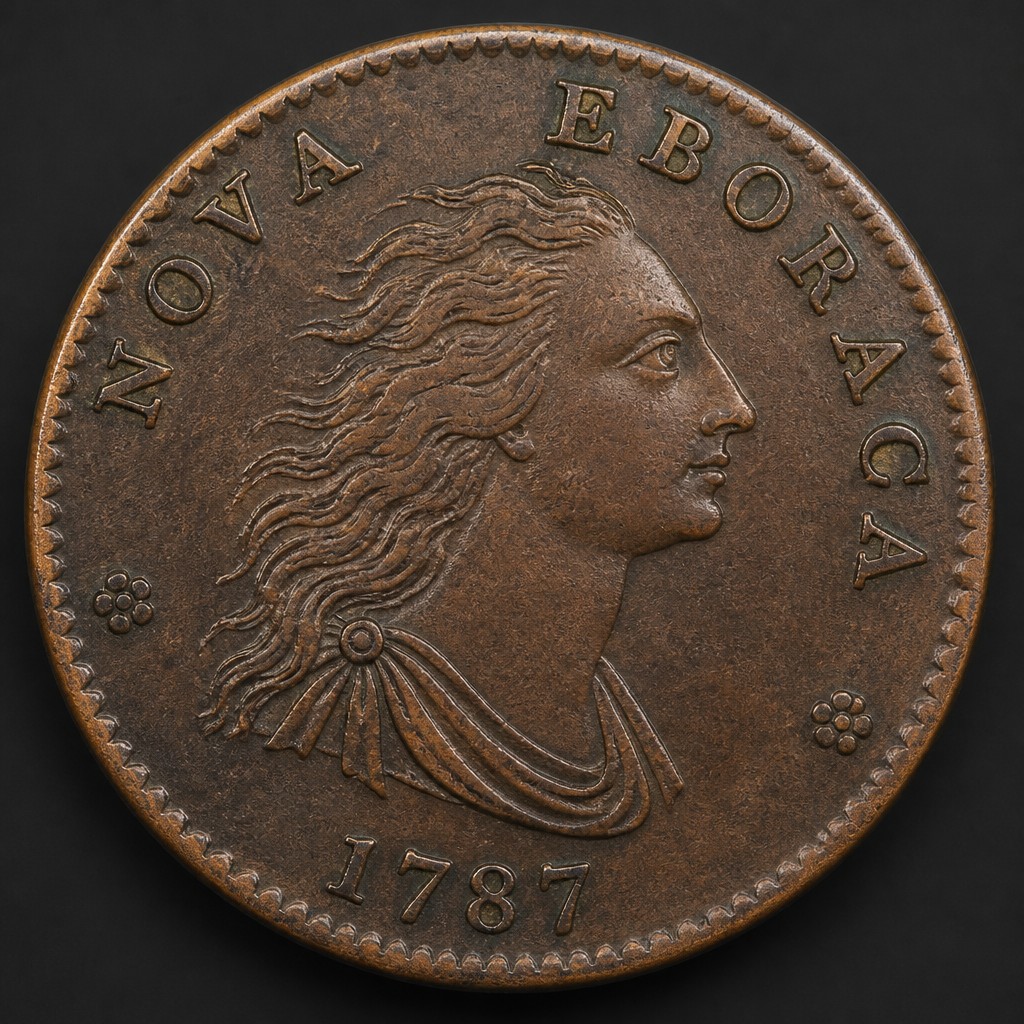
Nova Eborac Copper
1787
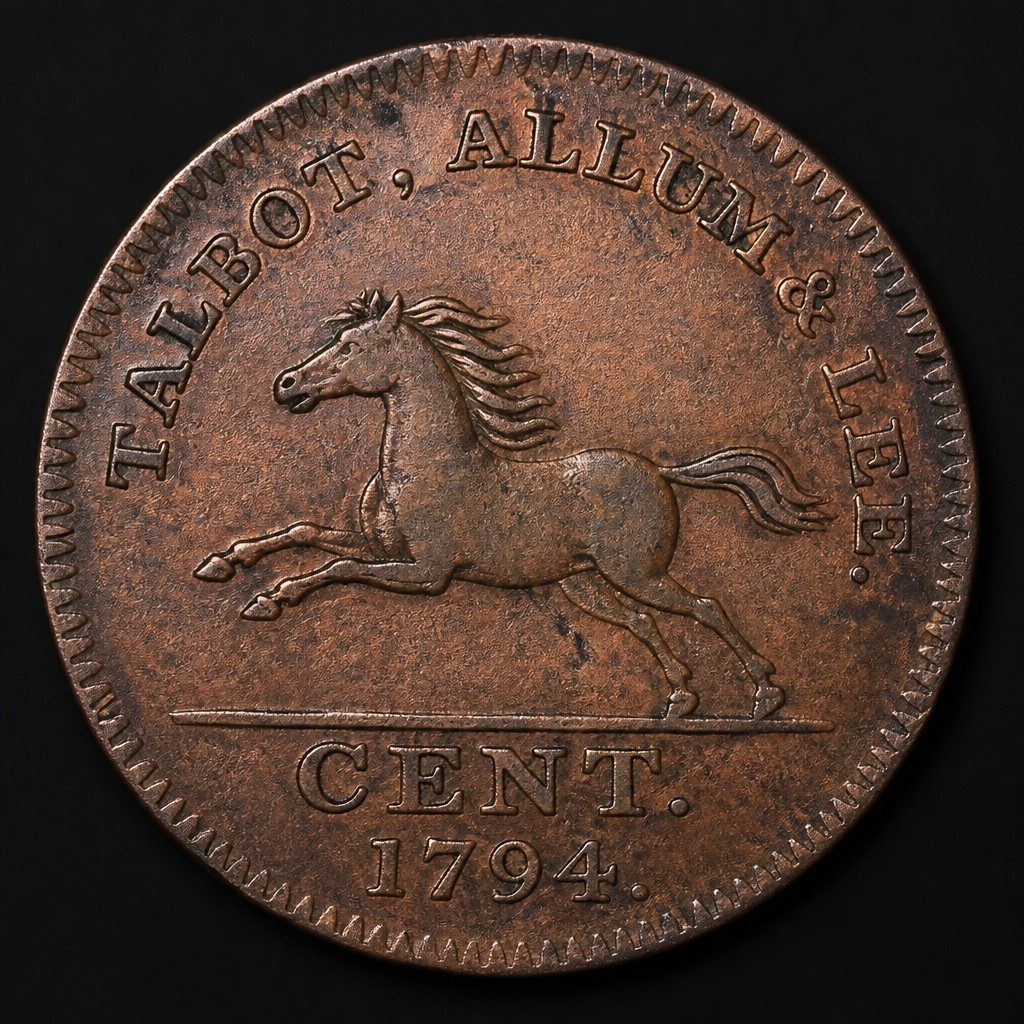
Talbot, Allum & Lee Cent
1794–1795
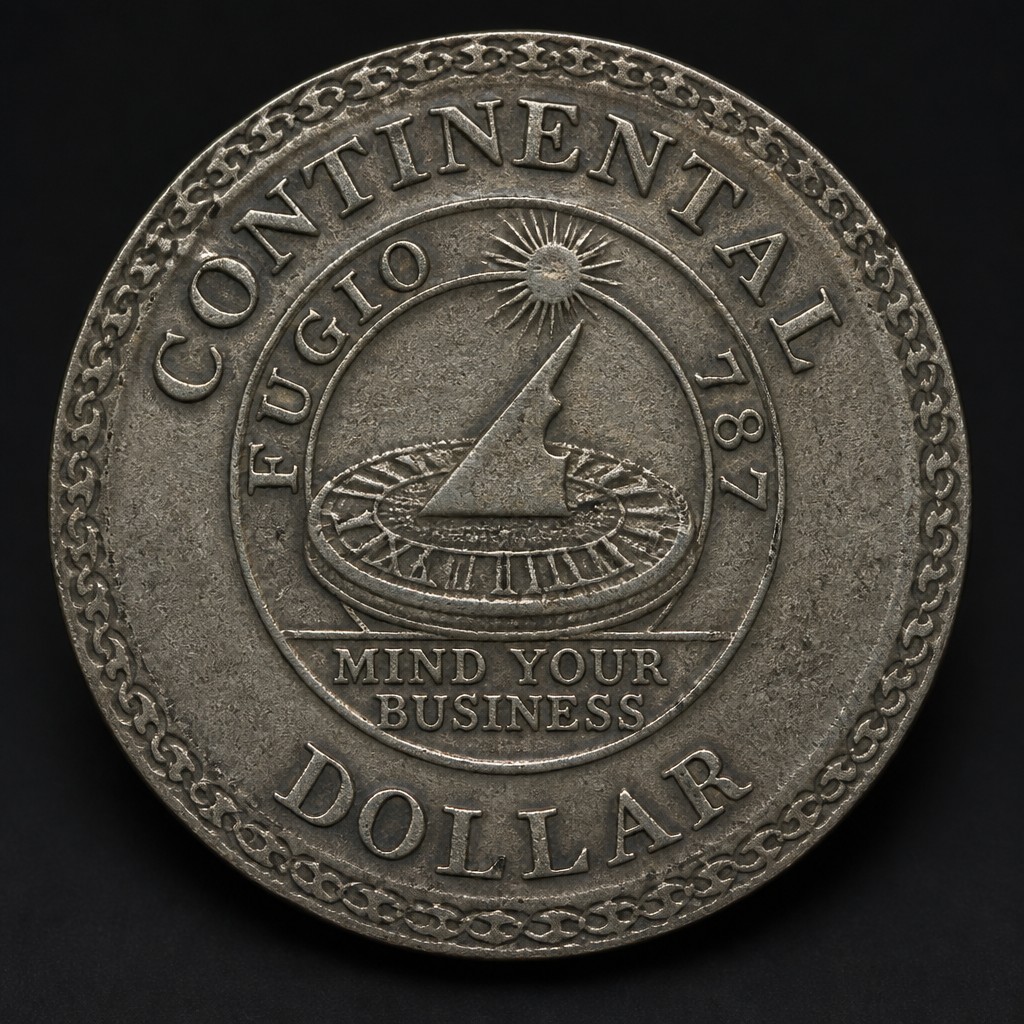
Continental Dollar
1776
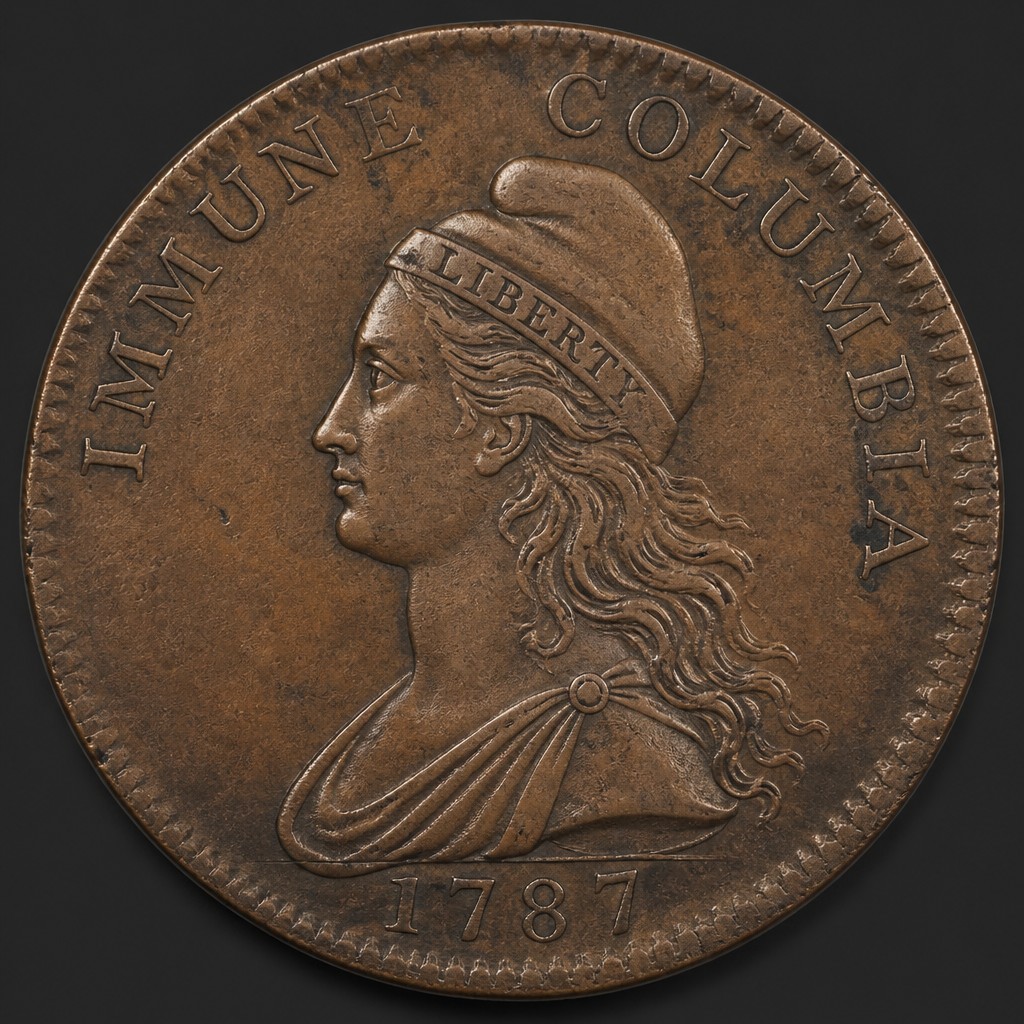
Immune Columbia Copper
circa 1785–1787
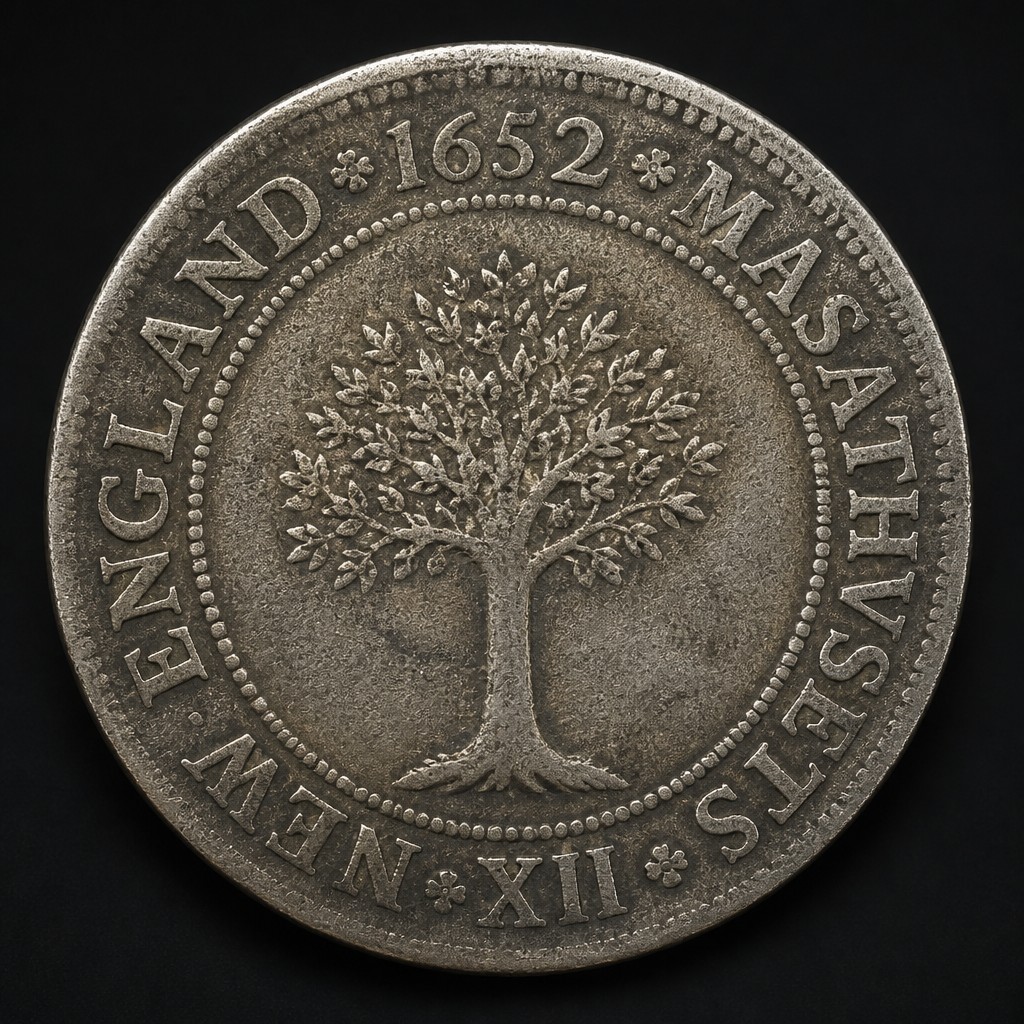
Massachusetts Oak Tree Shilling
Dated 1652, struck circa 1660–1667
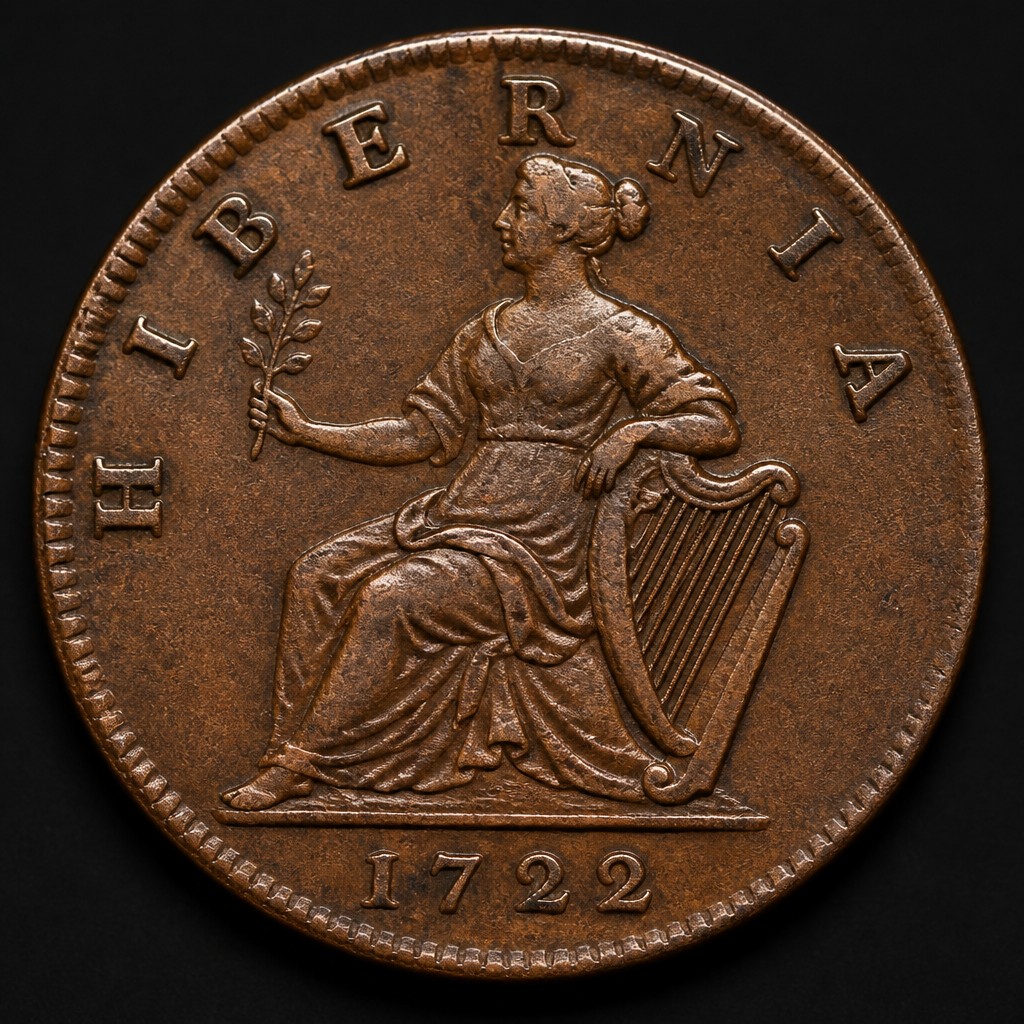
Wood's Hibernia Halfpenny
1722–1724
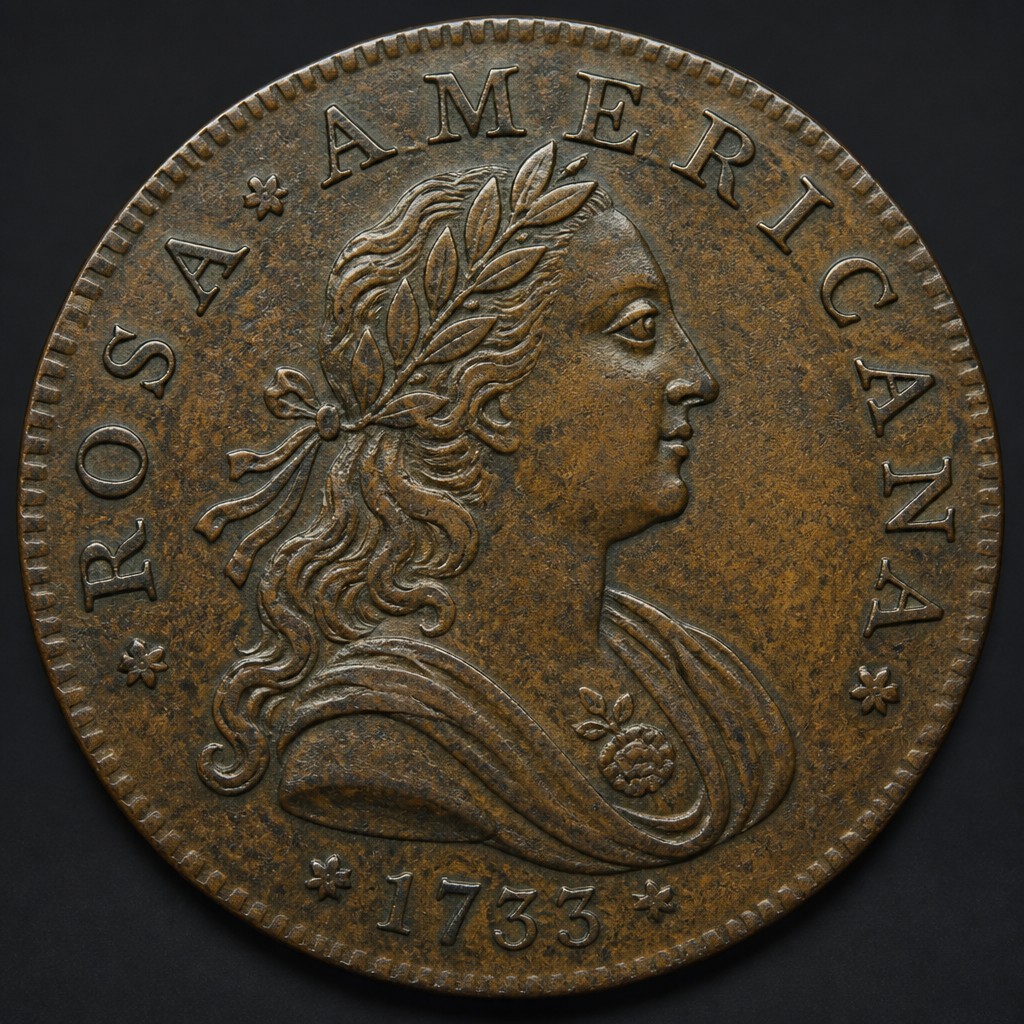
Rosa Americana Coinage
1722–1724 (with pattern issues dated 1733)
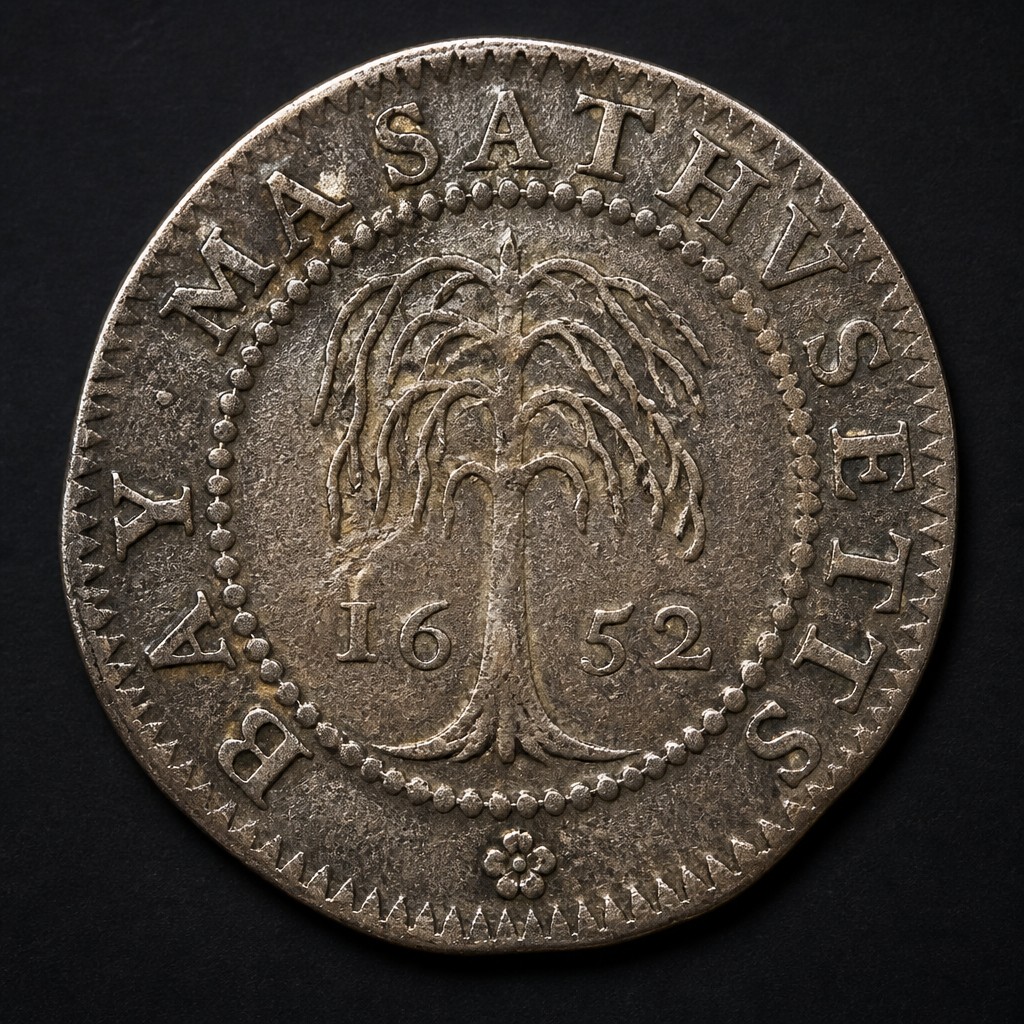
Massachusetts Willow Tree Shilling
Dated 1652, struck circa 1653–1660