
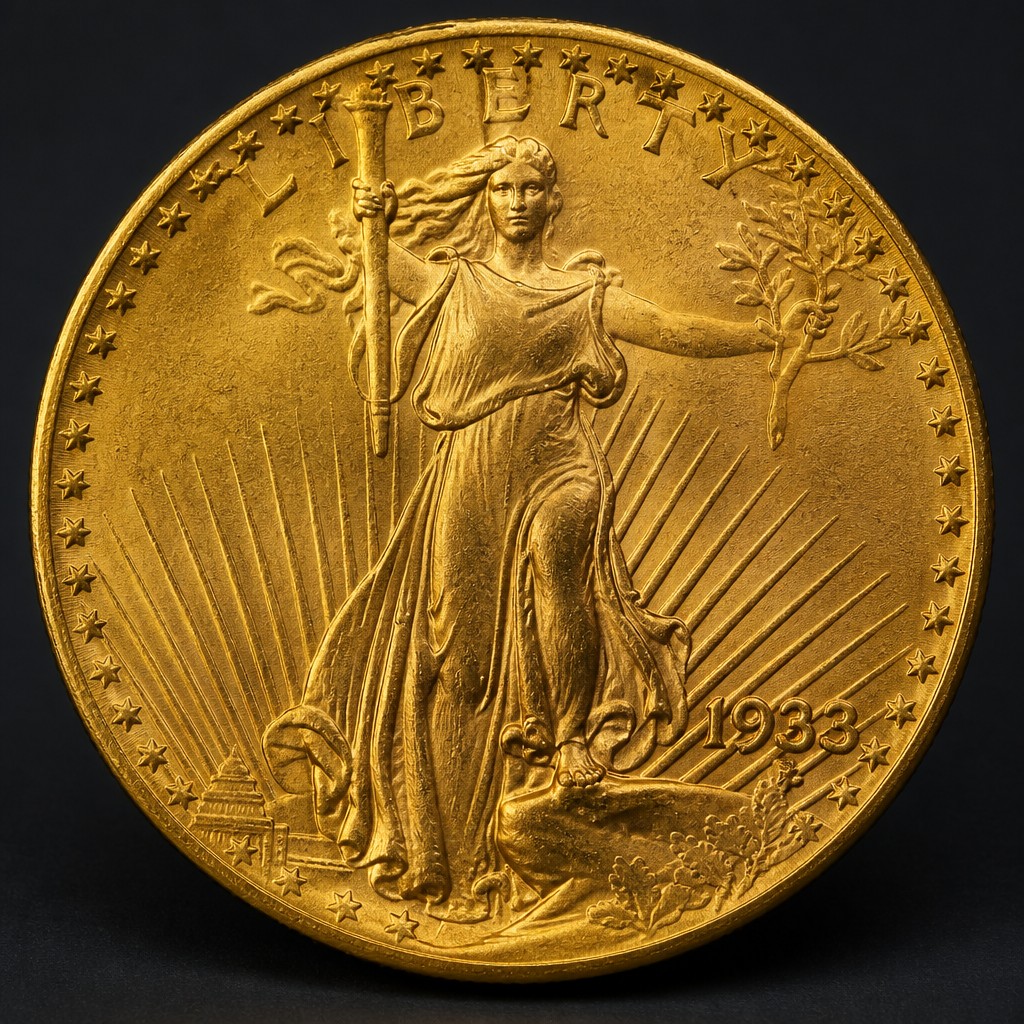
1933 Double Eagle
One of the rarest and most legally contested U.S. coins, struck but never officially released for circulation after the nation left the gold standard; a single example sold for over $18 million.
- Country
- United States
- Denomination
- Twenty Dollars
- Metal
- Gold (.900)
Got a coin like this?
Identify any coin from a photo, free.
Overview
The 1933 Double Eagle is among the most famous and valuable coins in the world, not because of a large mintage but precisely because almost none were ever legally allowed to leave the U.S. Mint. It represents the final year of the Saint-Gaudens double eagle design before gold coinage for circulation ended in the United States.
Its mystique stems from its illegality-turned-legality: nearly all specimens were ordered melted, a handful escaped the Mint under disputed circumstances, and decades of Secret Service seizures and lawsuits followed before one example was finally sold at public auction.
History & Background
In 1933, amid the Great Depression, President Franklin D. Roosevelt signed an executive order taking the United States off the domestic gold standard and recalling gold coins from circulation. Although roughly 445,500 1933 double eagles were struck at the Philadelphia Mint, none were officially issued for circulation, and the Mint was ordered to melt nearly the entire mintage.
A small number of coins nonetheless left the Mint, reportedly through improper exchanges by a Mint cashier, and were later reacquired by collectors including King Farouk of Egypt, who obtained an export license before the coin's status became disputed. The U.S. government spent decades recovering specimens, treating private ownership as illegal, until a 2002 settlement allowed one example (the former Farouk specimen) to be sold at auction, and a 2021 legal settlement with the family of a Philadelphia jeweler resulted in ten more coins being declared legal to own.
How to Identify
The design is Augustus Saint-Gaudens' celebrated depiction of Liberty striding forward on the obverse, holding a torch and olive branch, with the Capitol building and rays of the sun behind her. The reverse shows a flying eagle above a rising sun, with "UNITED STATES OF AMERICA," "TWENTY DOLLARS," and "IN GOD WE TRUST" (added starting in 1908).
The coin is 34 mm in diameter, struck in 90% gold, with a reeded edge, identical in design to other Saint-Gaudens double eagles; only the 1933 date and its documented ownership history distinguish it as this specific rarity. Because of its legal status, provenance and pedigree matter enormously for any coin claimed to be a genuine 1933 double eagle.
Value & Collectibility
As one of the rarest legally ownable U.S. coins, the 1933 Double Eagle is effectively priceless in the traditional sense; the Farouk specimen sold at auction for $7.59 million in 2002 and later resold for over $18.9 million in 2021, making it one of the most valuable coins ever sold. Only a small number of examples are known to exist, and all but a couple remain in the hands of the U.S. government or are otherwise restricted.
Because private ownership of most specimens was long considered illegal, any coin represented as a 1933 Double Eagle carries serious legal and authentication considerations, and collectors should be aware that the vast majority of surviving pieces are not available on the open market.
Frequently asked questions
Is it legal to own a 1933 Double Eagle?
Only a very small number of specific, documented specimens have been declared legal to own following court settlements; most known examples remain U.S. government property.
How many 1933 Double Eagles exist today?
Roughly a dozen or so are known to survive, out of a mintage of around 445,500 that were mostly melted before release.
Why weren't 1933 Double Eagles released?
The U.S. left the gold standard for domestic circulation in 1933 before the coins could be officially issued, and the Mint was ordered to destroy the mintage.
What did the record sale price reach?
The Farouk specimen sold for over $18.9 million in a 2021 Sotheby's auction, one of the highest prices ever paid for a coin.
Other coins you may enjoy
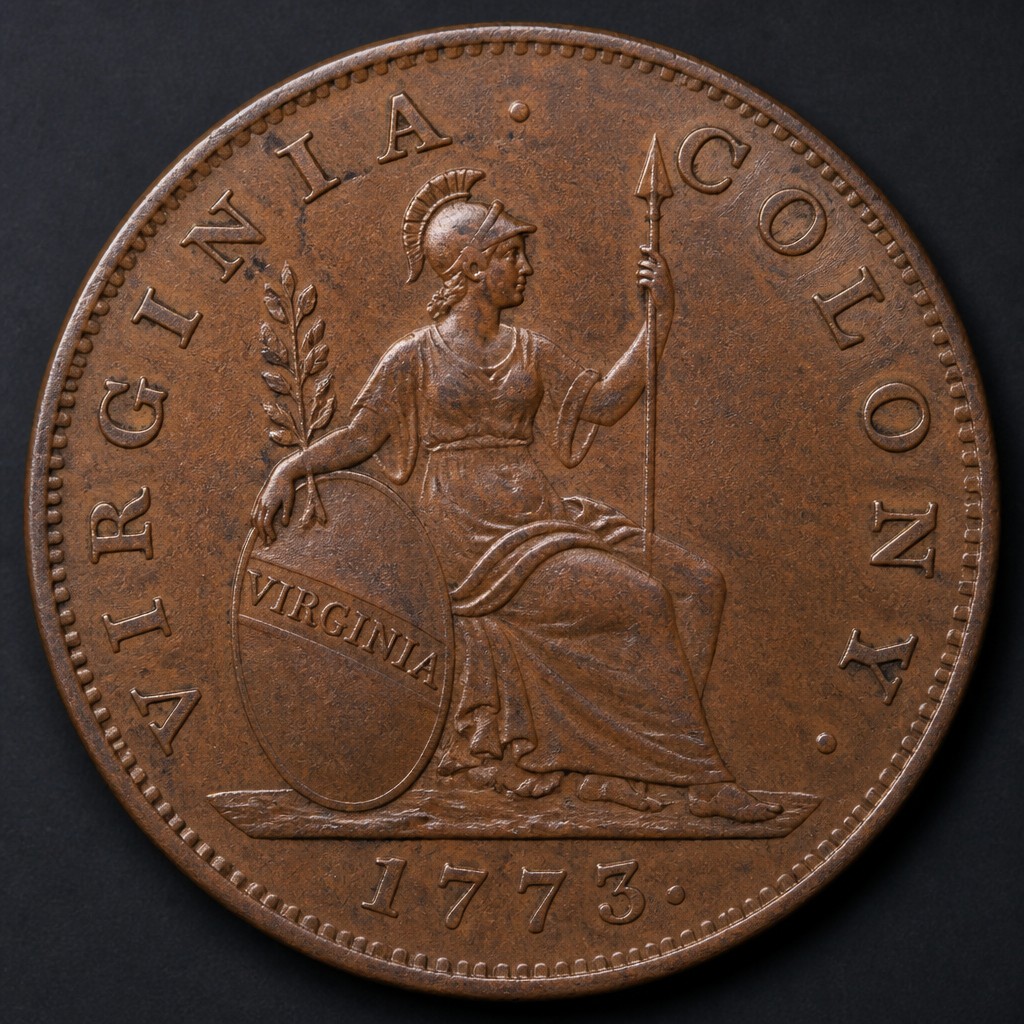
Virginia Halfpenny
1773
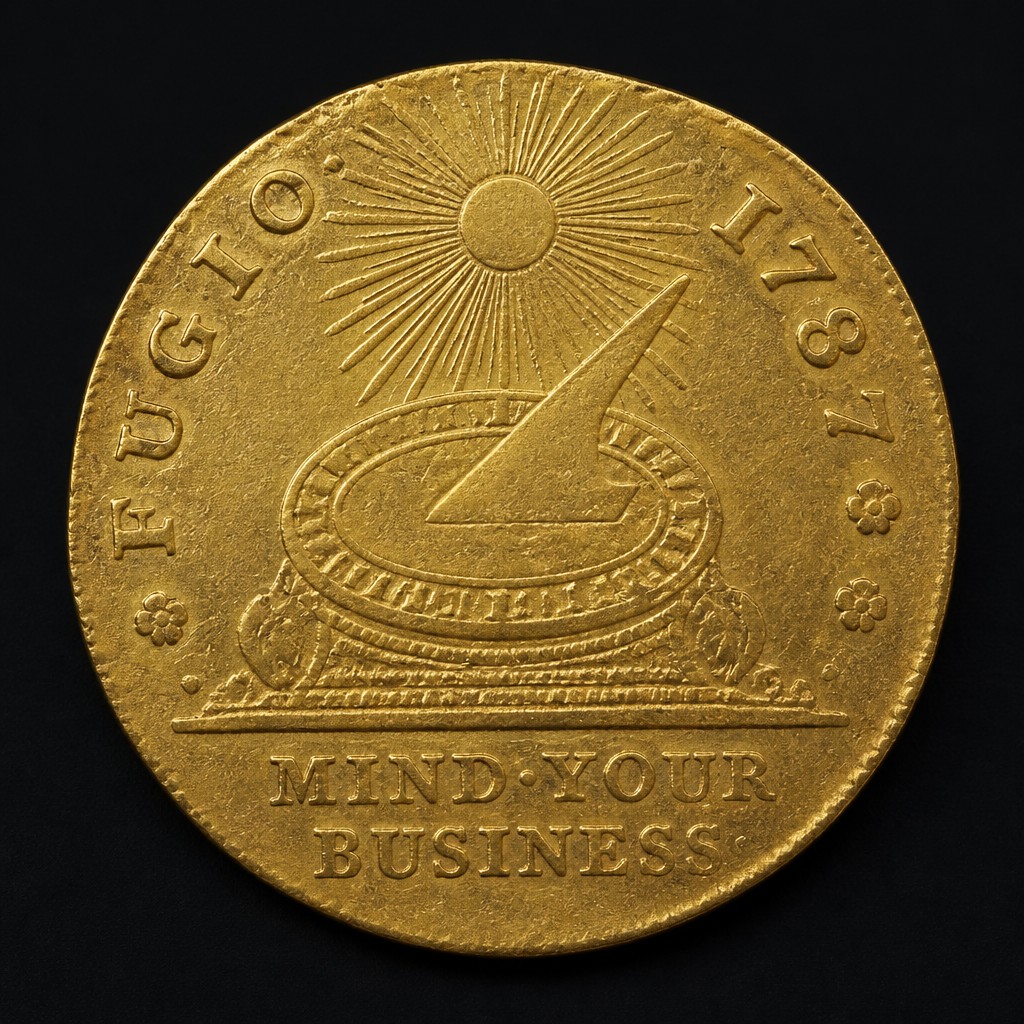
Brasher Doubloon
1787
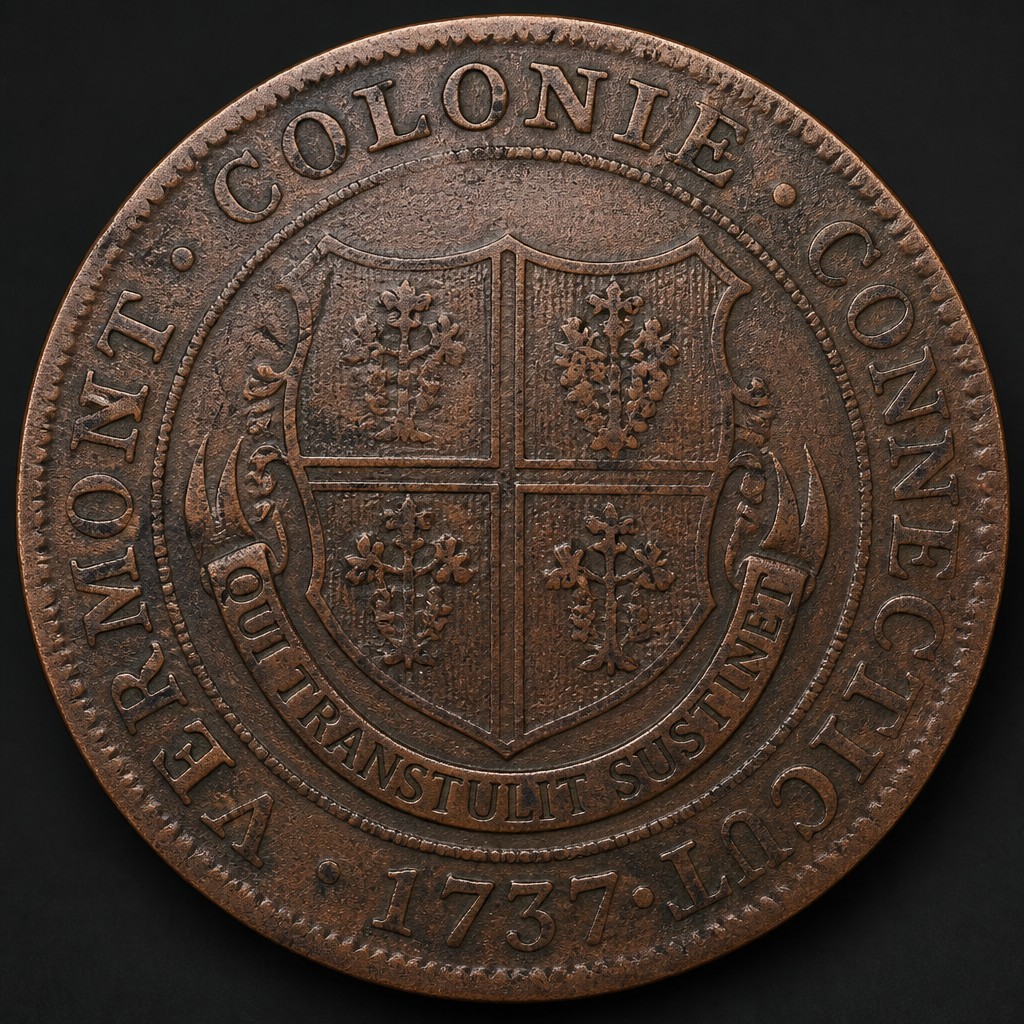
Higley Copper
1737–1739
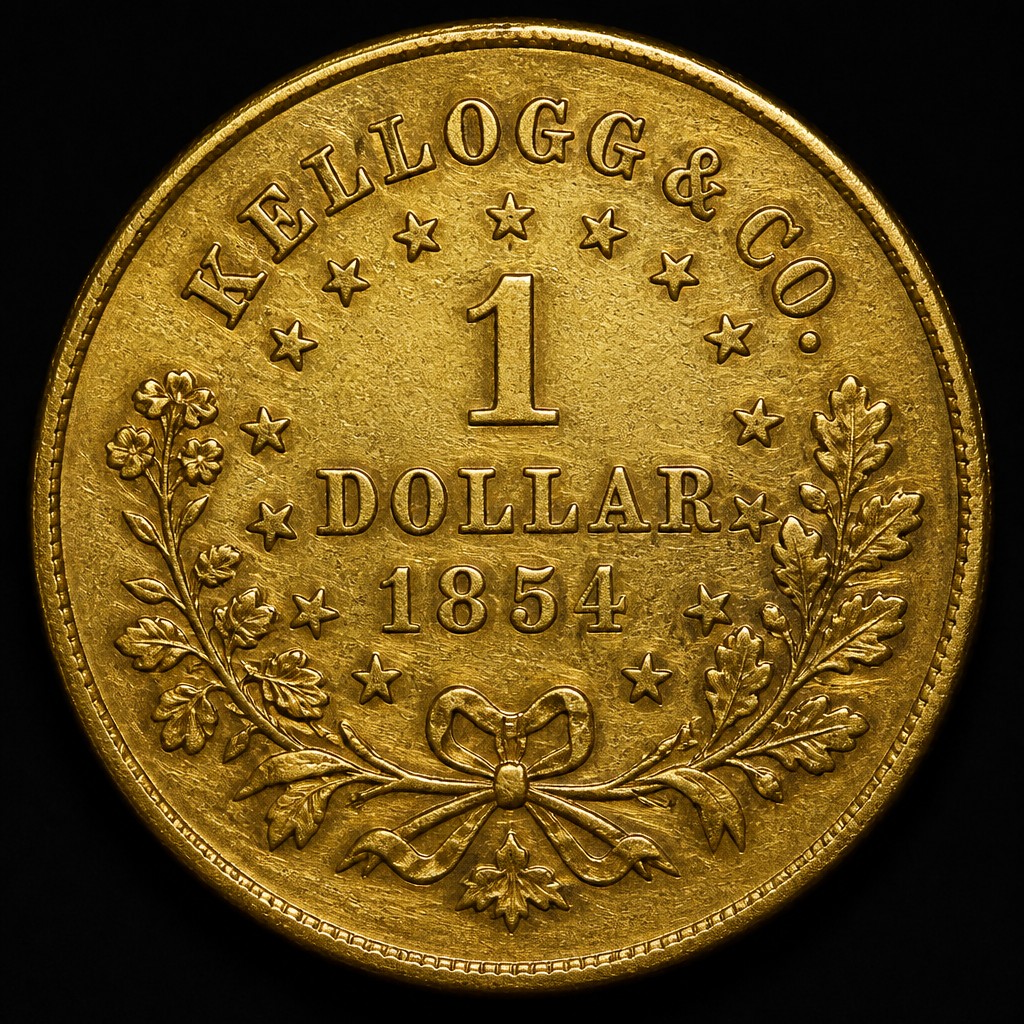
Kellogg & Co. Gold Piece
1854–1855
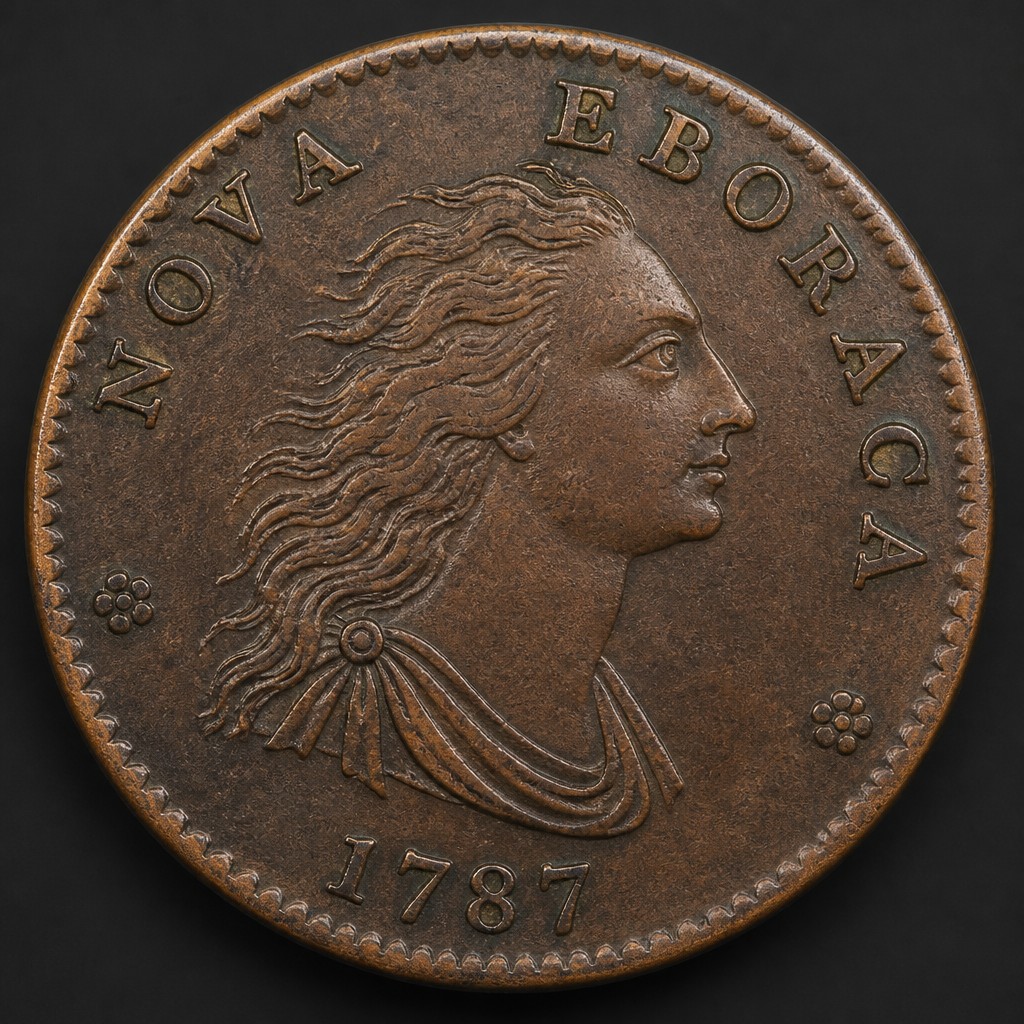
Nova Eborac Copper
1787
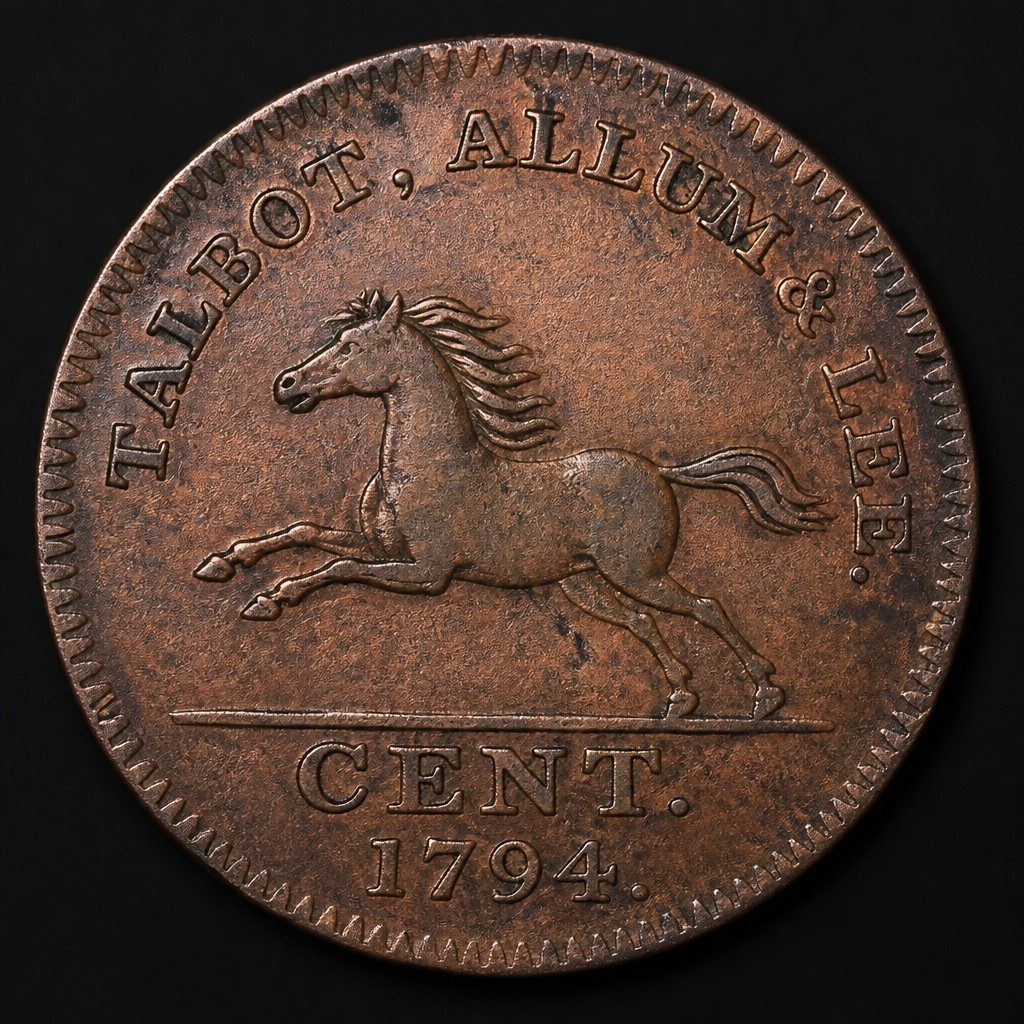
Talbot, Allum & Lee Cent
1794–1795
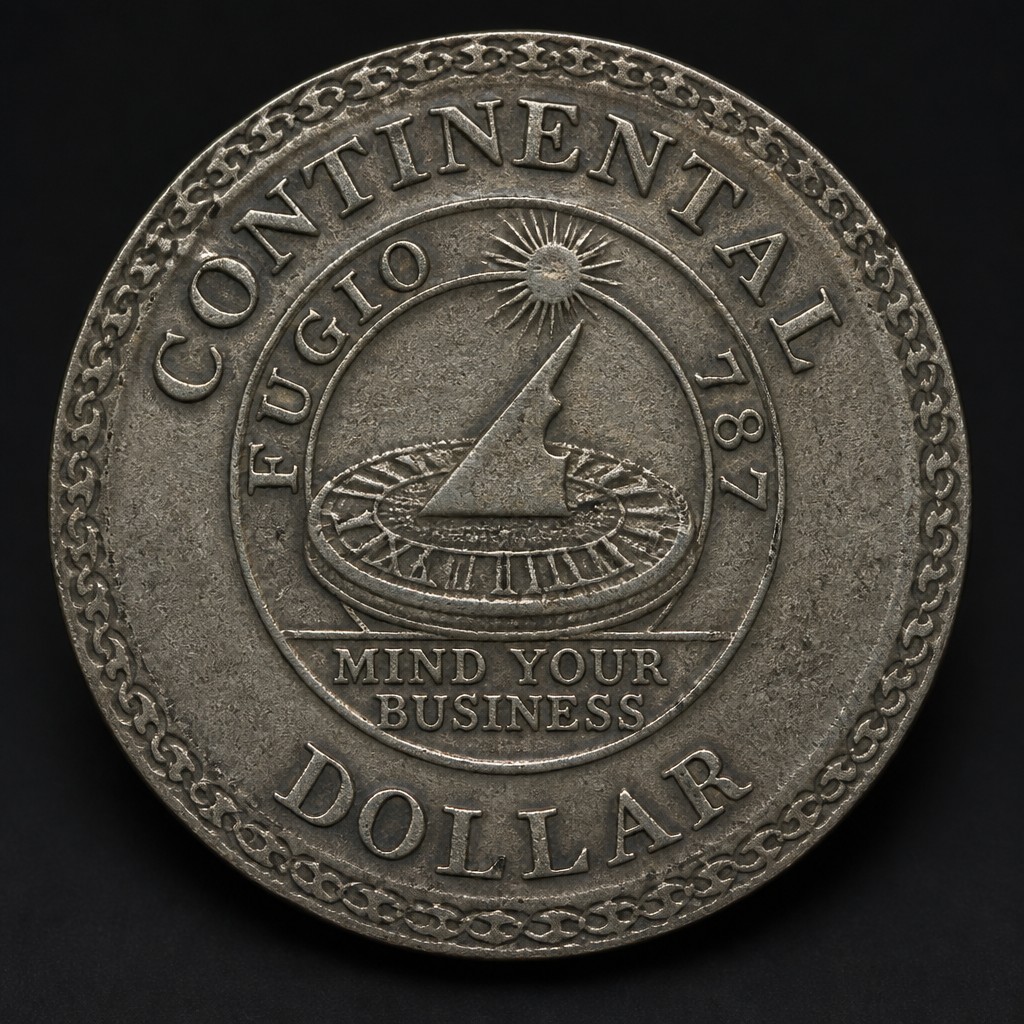
Continental Dollar
1776
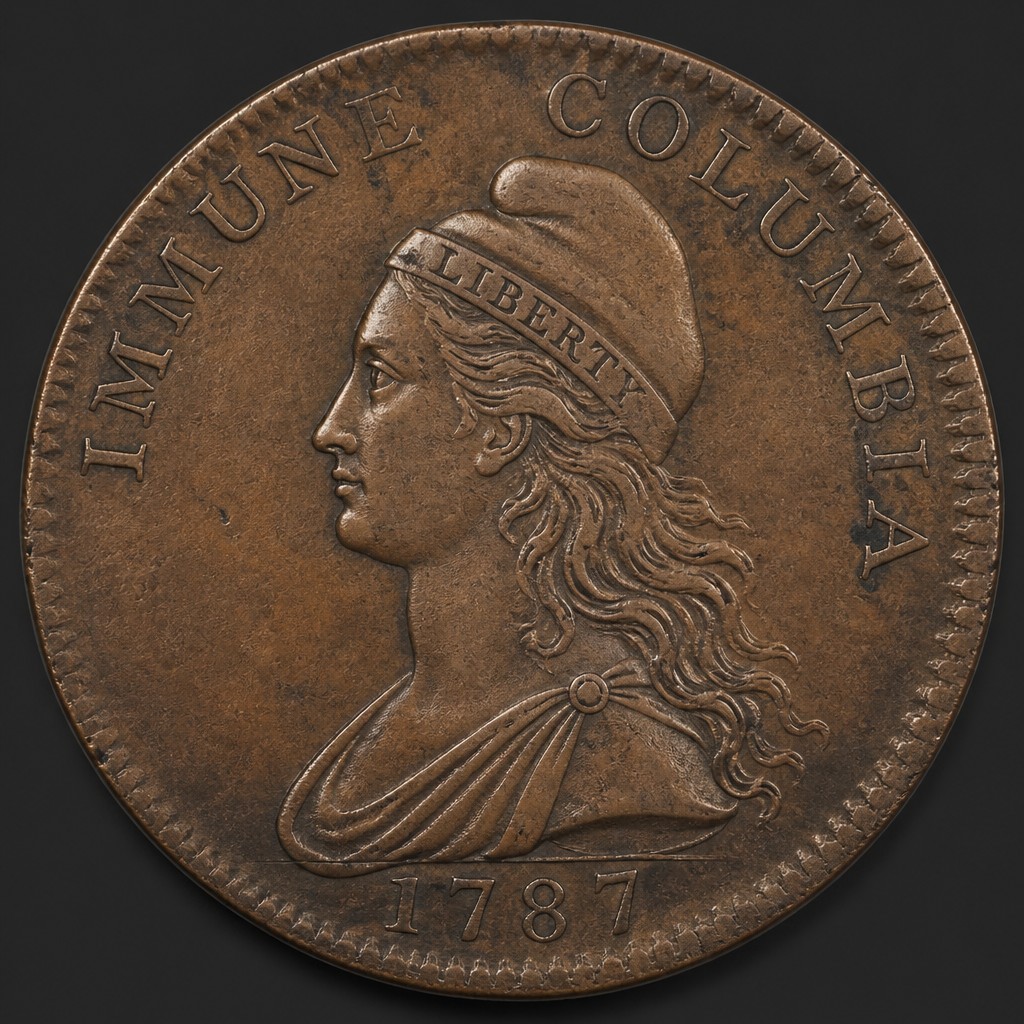
Immune Columbia Copper
circa 1785–1787
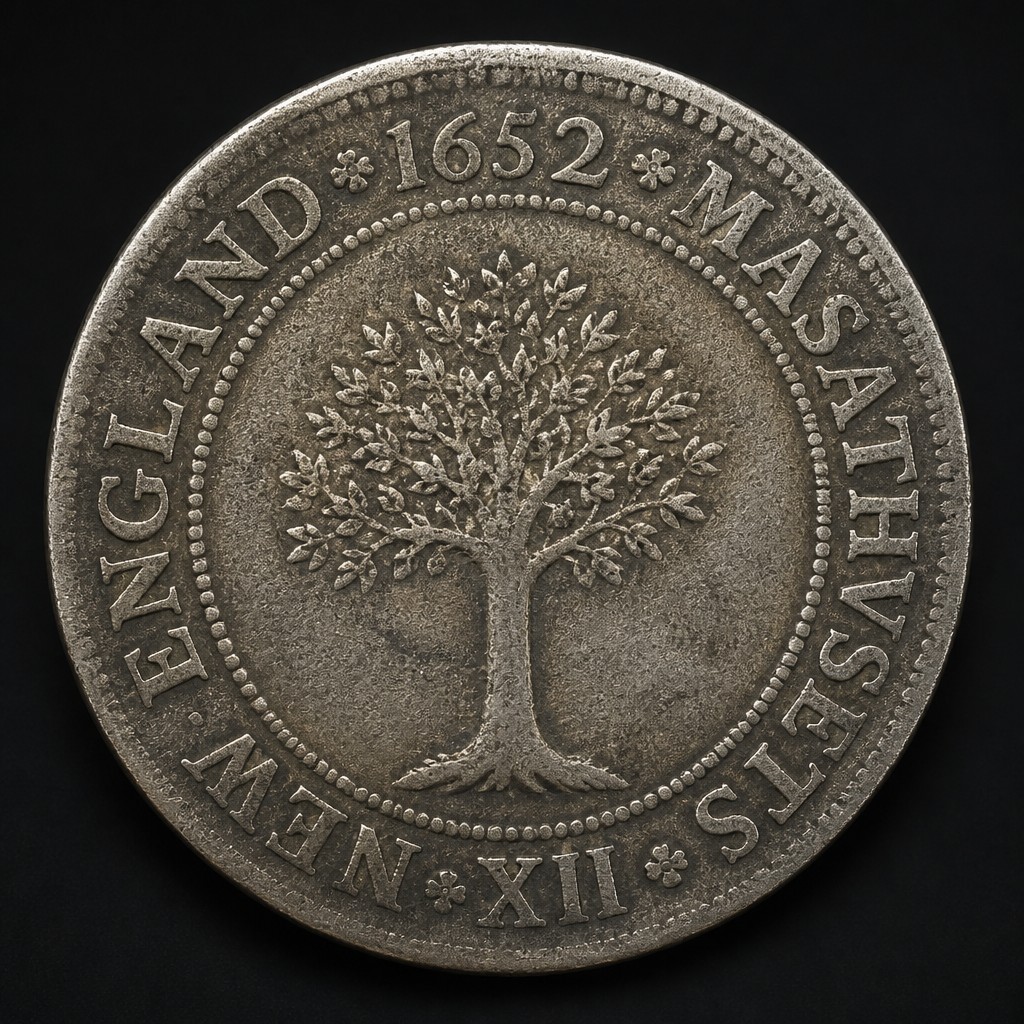
Massachusetts Oak Tree Shilling
Dated 1652, struck circa 1660–1667
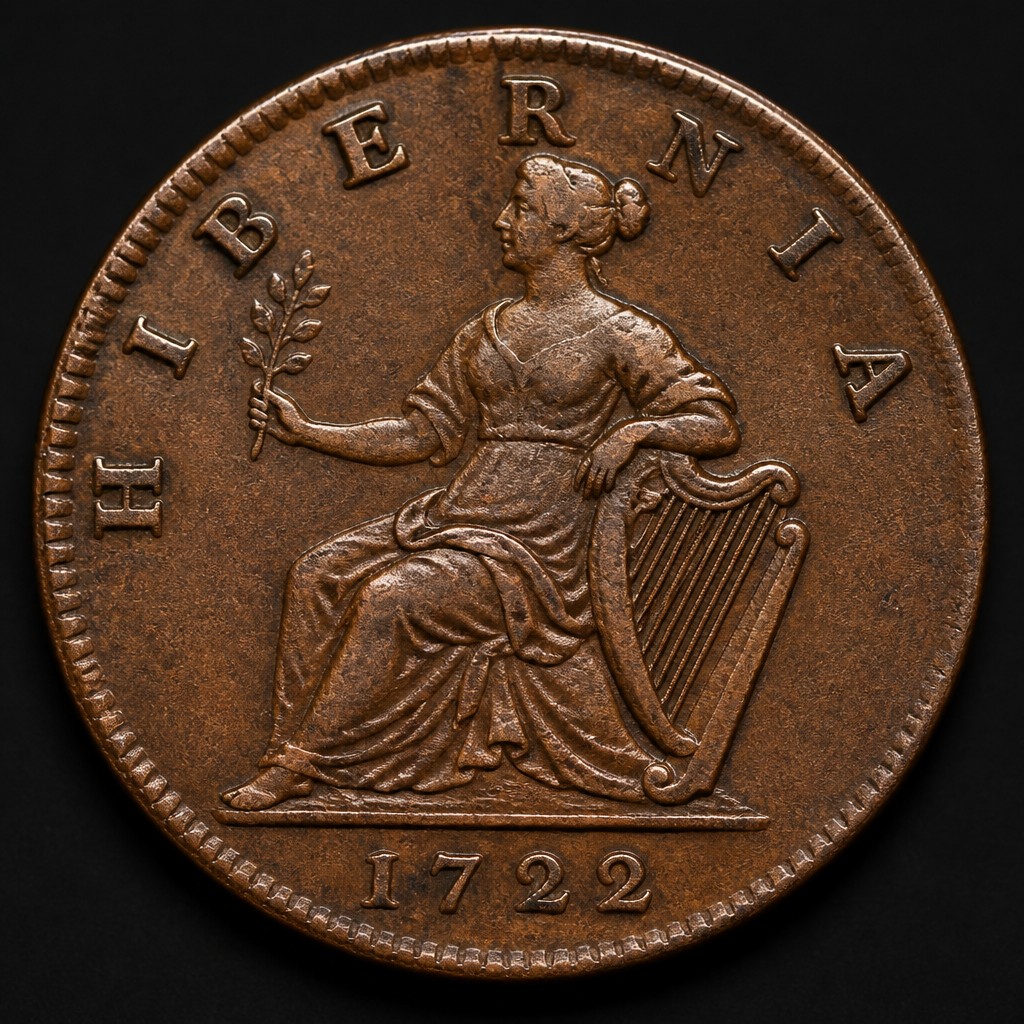
Wood's Hibernia Halfpenny
1722–1724
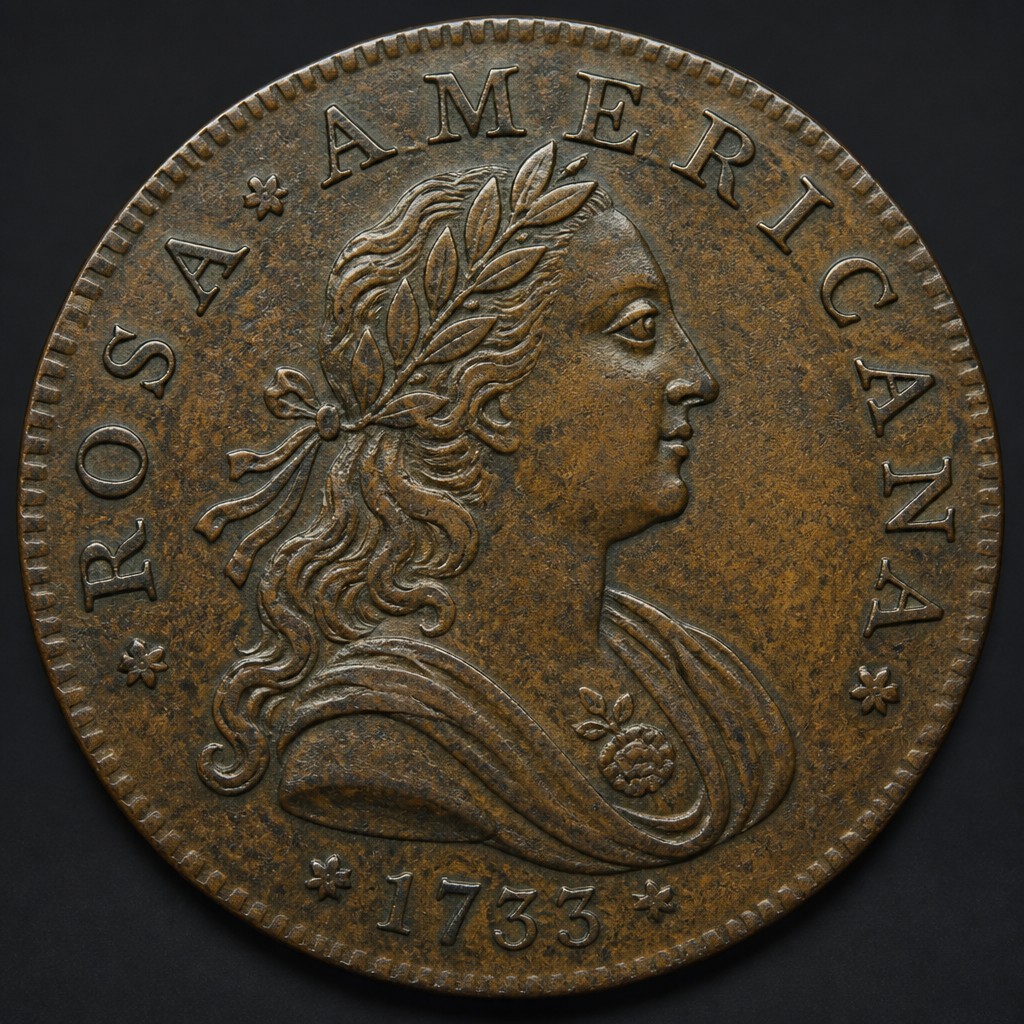
Rosa Americana Coinage
1722–1724 (with pattern issues dated 1733)
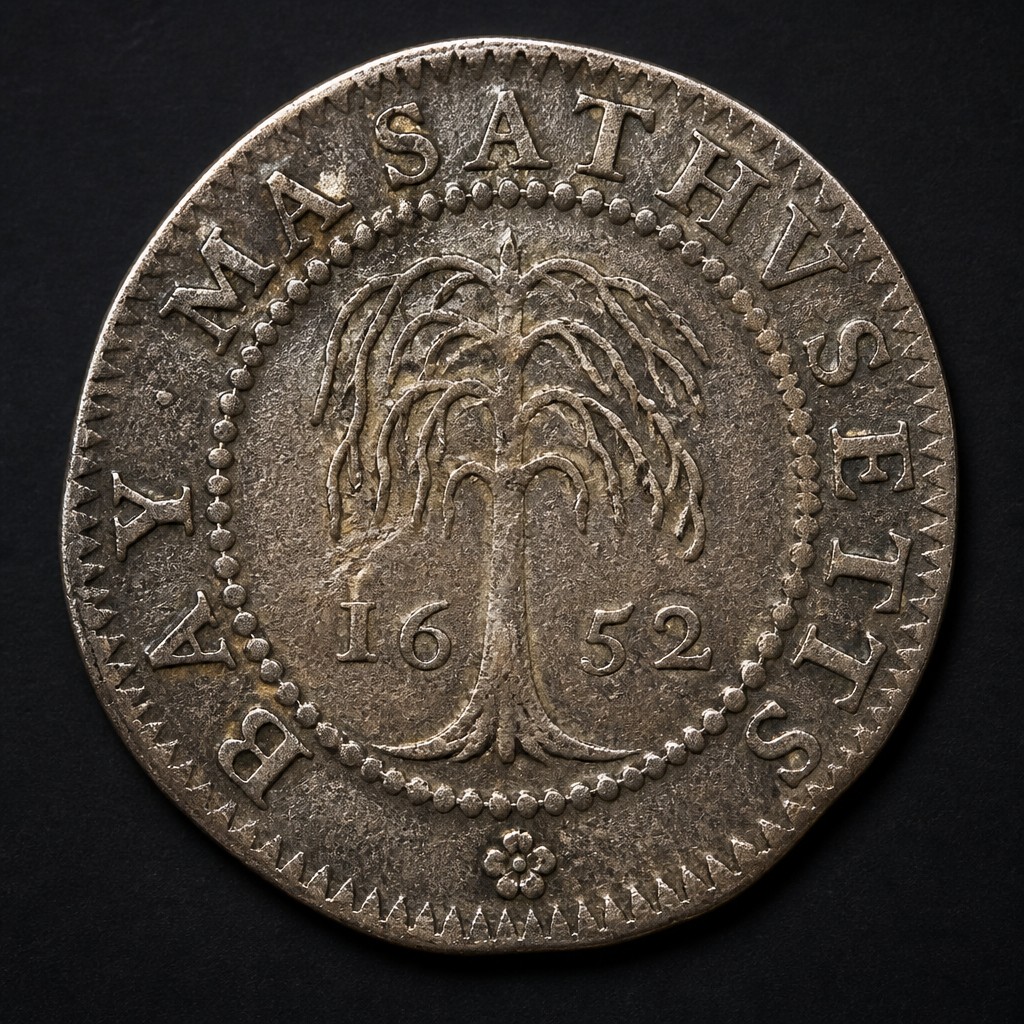
Massachusetts Willow Tree Shilling
Dated 1652, struck circa 1653–1660