
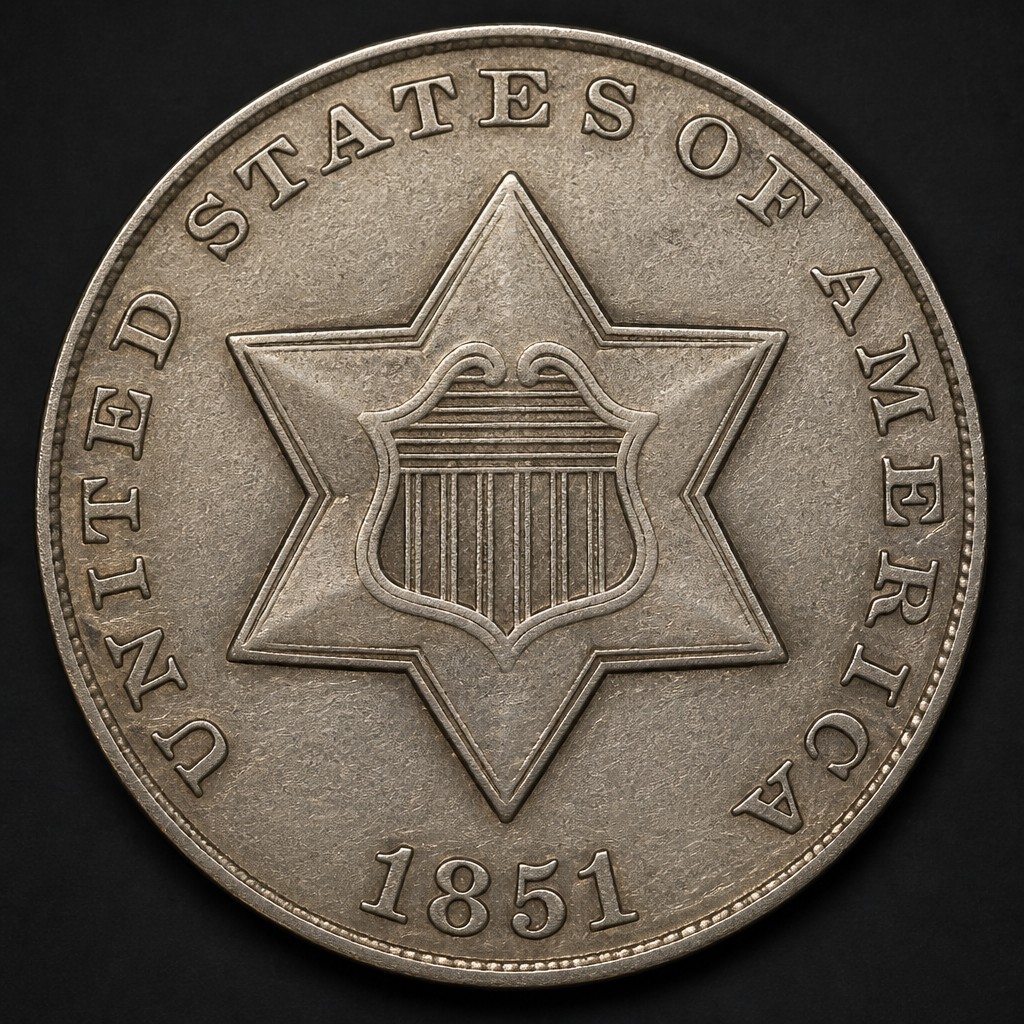
Silver Three-Cent Piece (Trime)
A tiny silver coin created to match the new 3-cent postage rate, the trime is the smallest-diameter coin ever struck by the U.S. Mint.
- Country
- United States
- Denomination
- Three Cents
- Metal
- Silver (75%–90% depending on type)
Got a coin like this?
Identify any coin from a photo, free.
Overview
The silver three-cent piece, nicknamed the "trime," was struck to make it easier for the public to buy the newly reduced three-cent postage stamp without using a fistful of large copper cents. At barely 14 millimeters wide, it remains the smallest coin by diameter the United States has ever issued.
Collectors group trimes into three types based on subtle design changes: Type 1 (1851–1853) has a plain six-pointed star and lower silver purity, Type 2 (1854–1858) adds triple outlines around the star and raises silver fineness to .900, and Type 3 (1859–1873) simplifies the star to double outlines. The series is popular as a short, affordable set for type collectors.
History & Background
Congress authorized the three-cent silver piece in 1851, the same year the domestic letter postage rate dropped to three cents, partly to absorb Spanish silver coinage that was disappearing from circulation and partly to give the public a convenient coin for stamp purchases. It was the first U.S. coin struck with a debased silver alloy (Type 1) and the first American coin smaller than a dime.
Mint engraver James B. Longacre designed all three types. The denomination's popularity faded once nickel three-cent pieces and postage currency appeared during the Civil War, and mintages dropped sharply after 1863, with the final circulating-quality issues struck only in tiny numbers before the series ended in 1873.
How to Identify
The obverse of every trime shows a shield superimposed on a six-pointed star, with UNITED STATES OF AMERICA around the border and the date at the bottom. The reverse displays a large Roman numeral III inside an ornate letter C, surrounded by either thirteen stars (Type 1) or an olive branch above and a bundle of arrows below (Types 2 and 3).
To tell the types apart, look at the star on the obverse: Type 1 (1851–1853) has a single incuse outline, Type 2 (1854–1858) has three outlines forming a raised triple border, and Type 3 (1859–1873) returns to a double outline. Type 2 coins are also noticeably thinner and struck in higher-fineness silver, which sometimes causes them to have weaker, mushy details.
At under a gram in weight and about the size of a modern nickel's thickness but far smaller in diameter, trimes are easy to lose and easy to misidentify at a glance; a loupe helps confirm the star outline count and date.
Value & Collectibility
Common-date trimes in worn condition are affordable and make an accessible entry point into 19th-century silver type collecting, while Mint State and proof examples command significant premiums because the tiny, thin planchets marked and bent easily. Type 2 coins (1854–1858) are scarcer and pricier than Type 1 or Type 3 in equivalent grade.
Key dates include several low-mintage Civil War-era issues from the early 1860s and true rarities such as 1873 (closed-3, proof-only) pieces. Because the design details are shallow, sharply struck, well-centered examples are disproportionately valuable, and values for common dates in circulated grades are generally modest while choice uncirculated or proof coins can reach into the hundreds or thousands of dollars.
Frequently asked questions
Why is it called a "trime"?
Trime is a numismatic nickname combining "tri-" (three) with "dime," coined to describe the three-cent silver denomination.
What is special about its size?
It is the smallest-diameter coin ever struck by the U.S. Mint, at roughly 14 millimeters across.
How do I tell the three types apart?
Check the outline around the obverse star: a single outline is Type 1, a triple outline is Type 2, and a double outline is Type 3.
Why was it discontinued?
Nickel three-cent pieces and wartime paper currency reduced demand, and mintages dwindled until the series ended in 1873.
Was it made of pure silver?
No. Type 1 used a debased .750 fine alloy, while Types 2 and 3 used the standard .900 fine silver.
Other coins you may enjoy
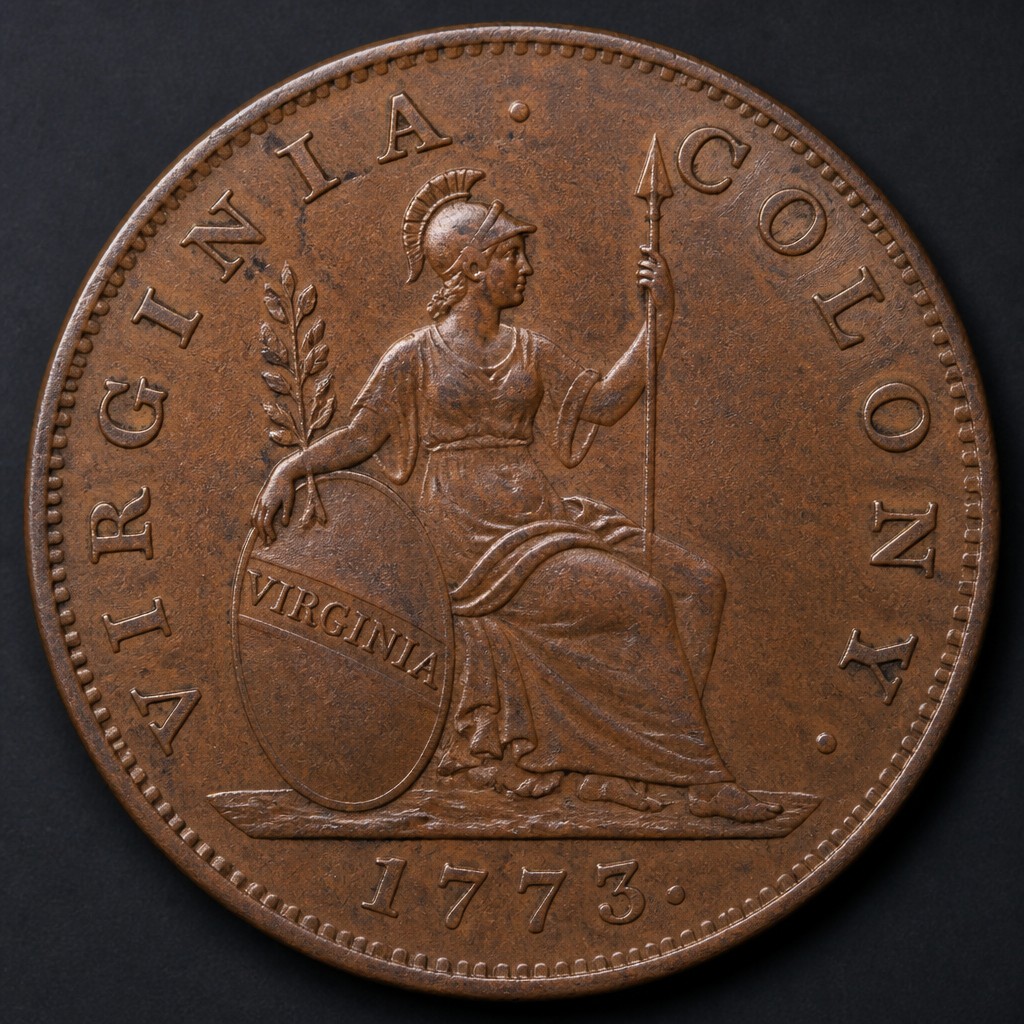
Virginia Halfpenny
1773
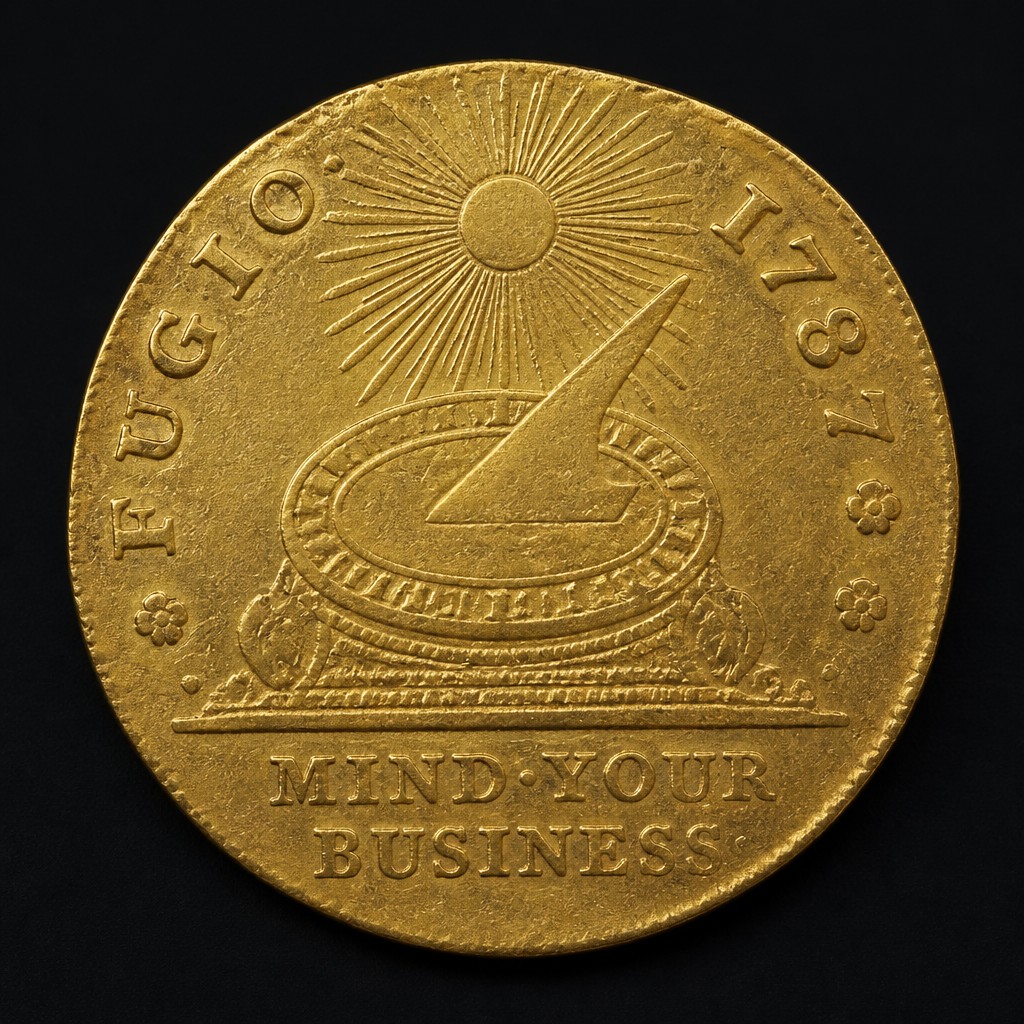
Brasher Doubloon
1787
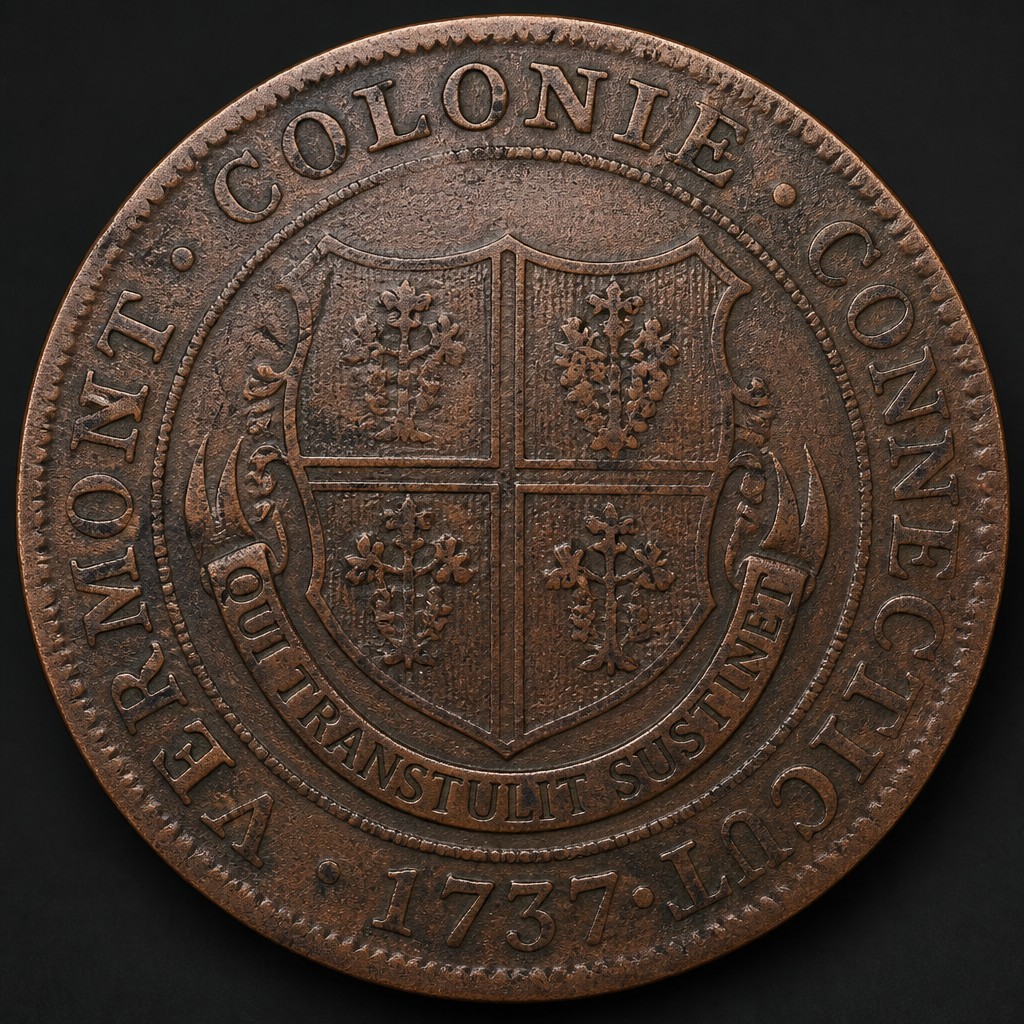
Higley Copper
1737–1739
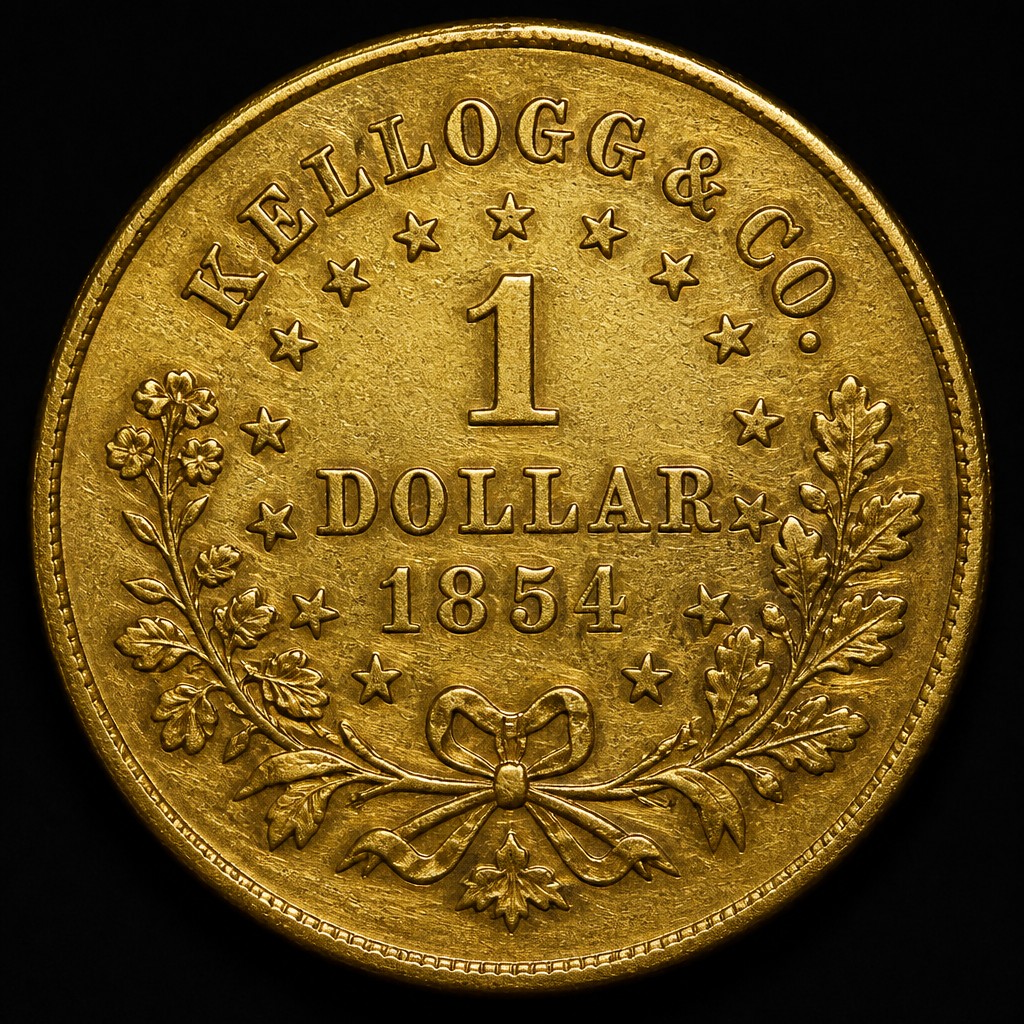
Kellogg & Co. Gold Piece
1854–1855
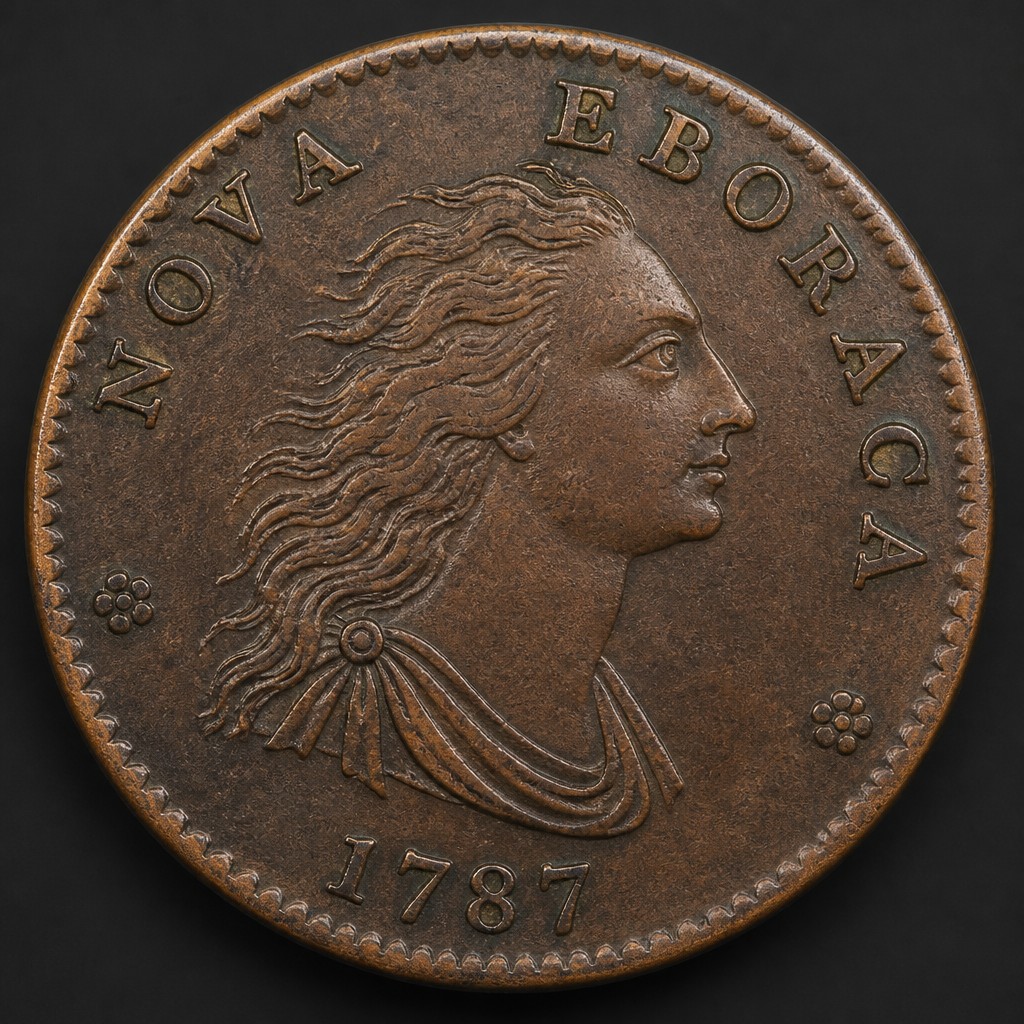
Nova Eborac Copper
1787
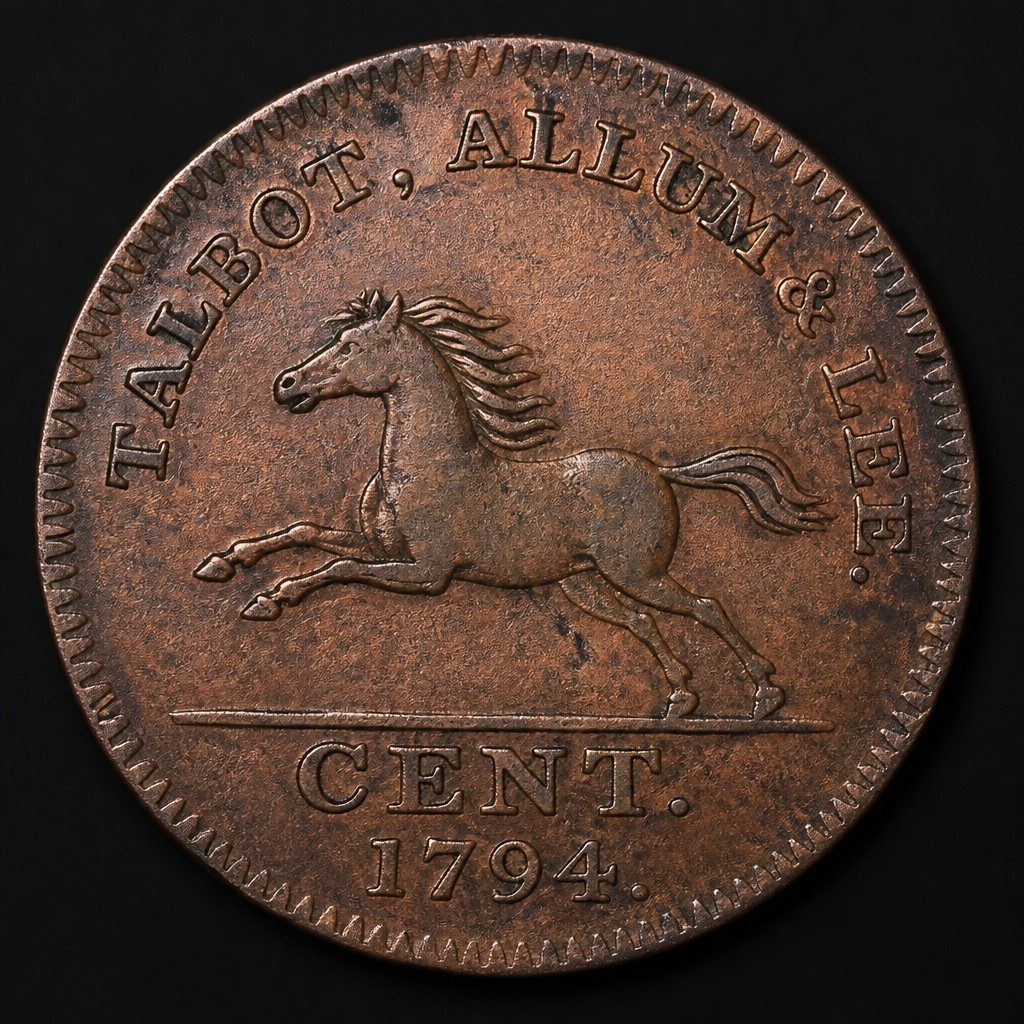
Talbot, Allum & Lee Cent
1794–1795
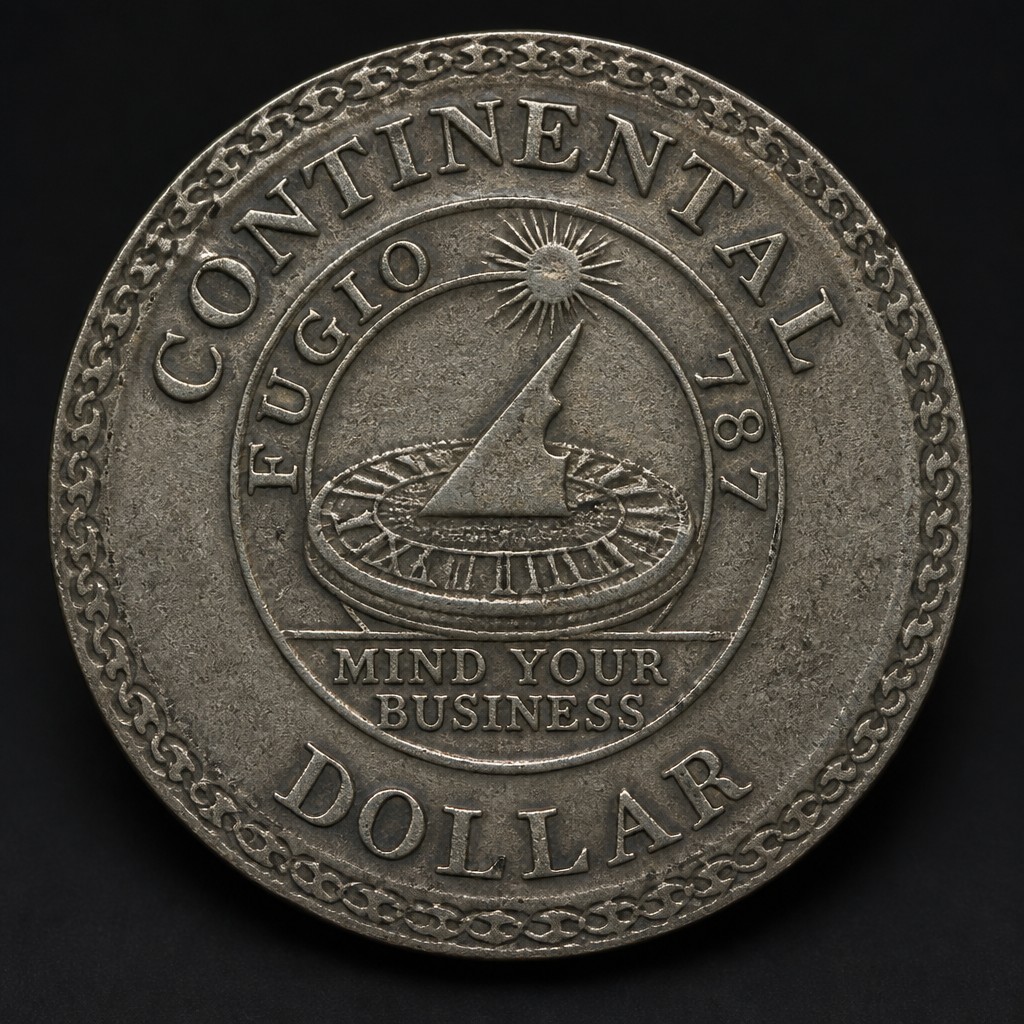
Continental Dollar
1776
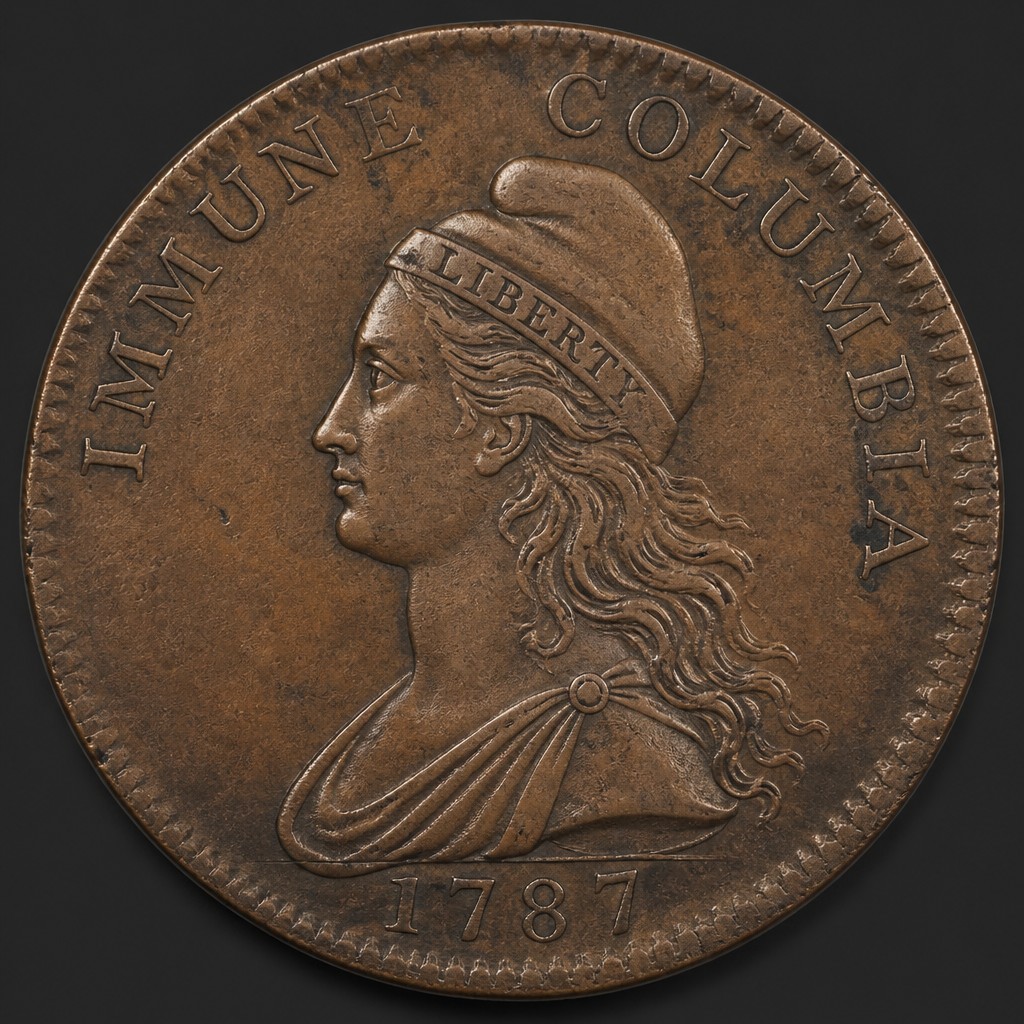
Immune Columbia Copper
circa 1785–1787
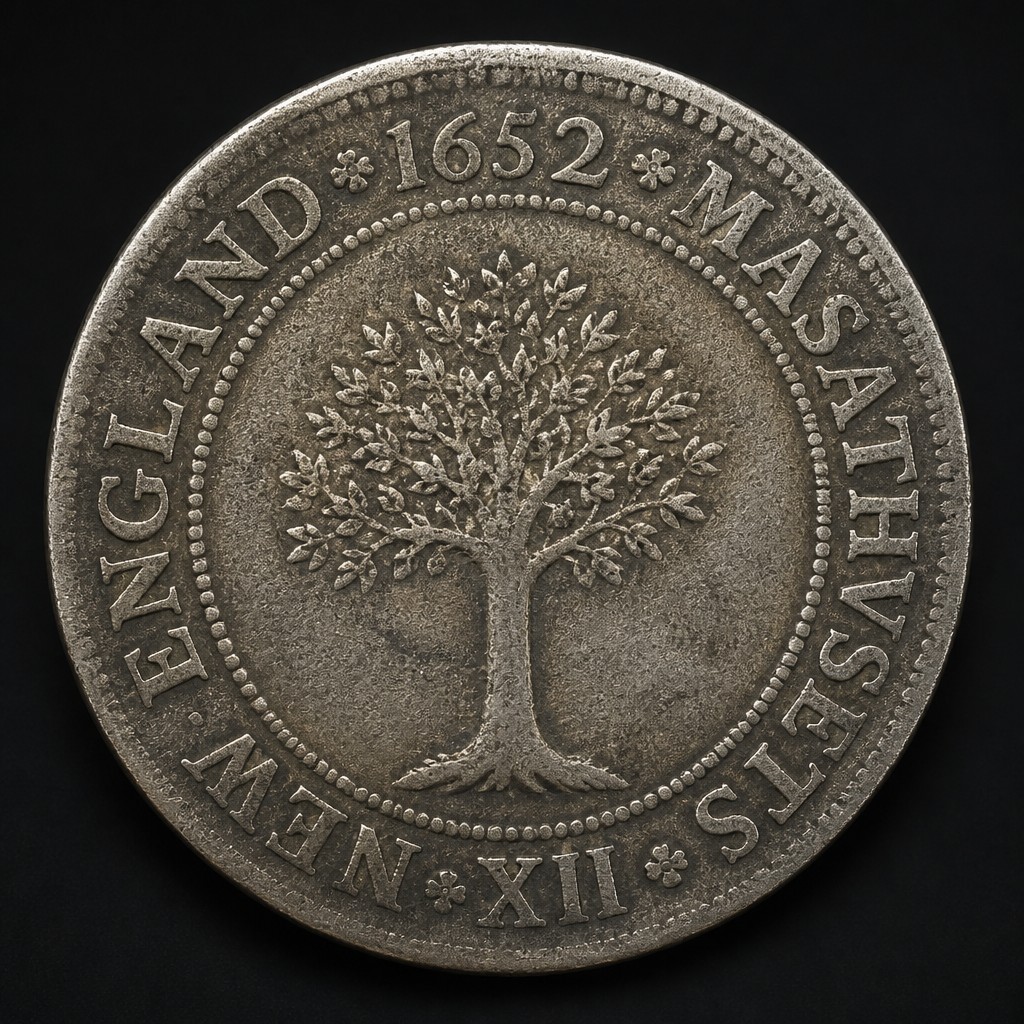
Massachusetts Oak Tree Shilling
Dated 1652, struck circa 1660–1667
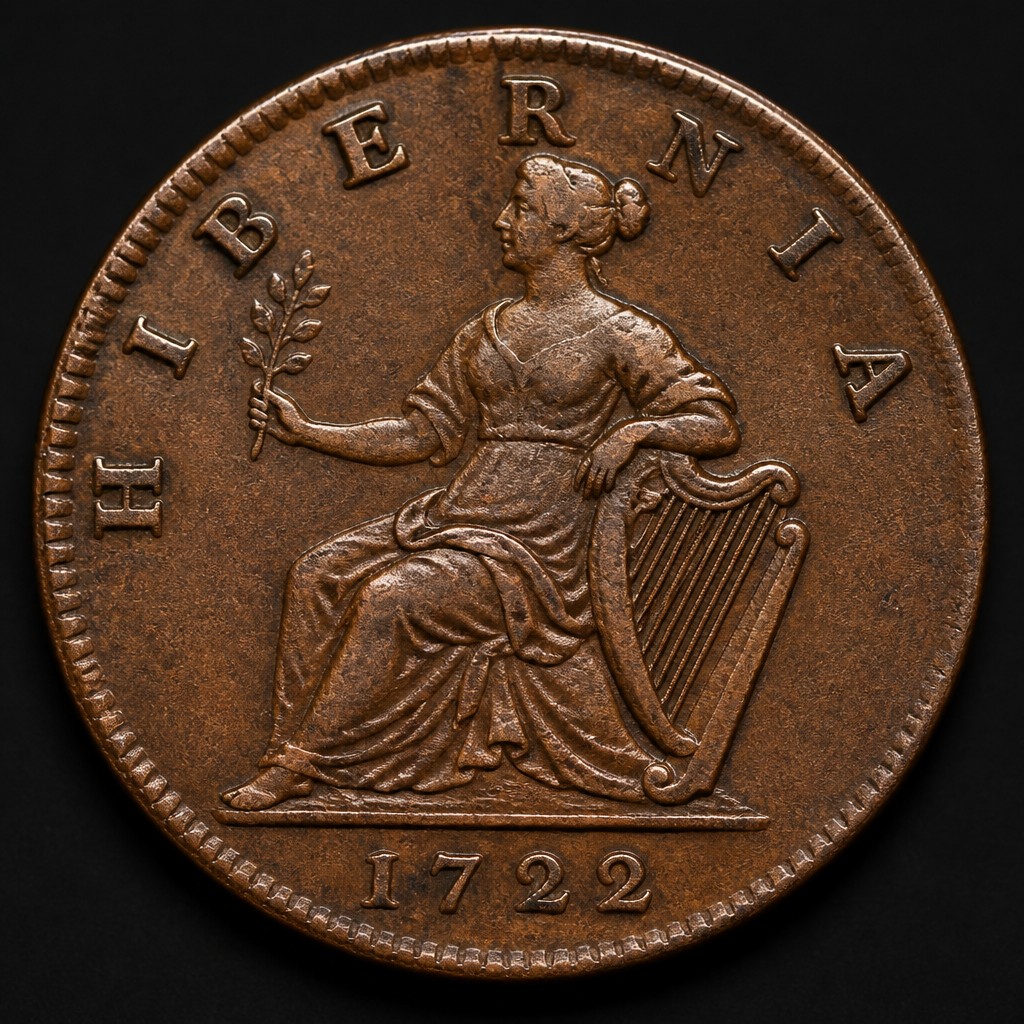
Wood's Hibernia Halfpenny
1722–1724
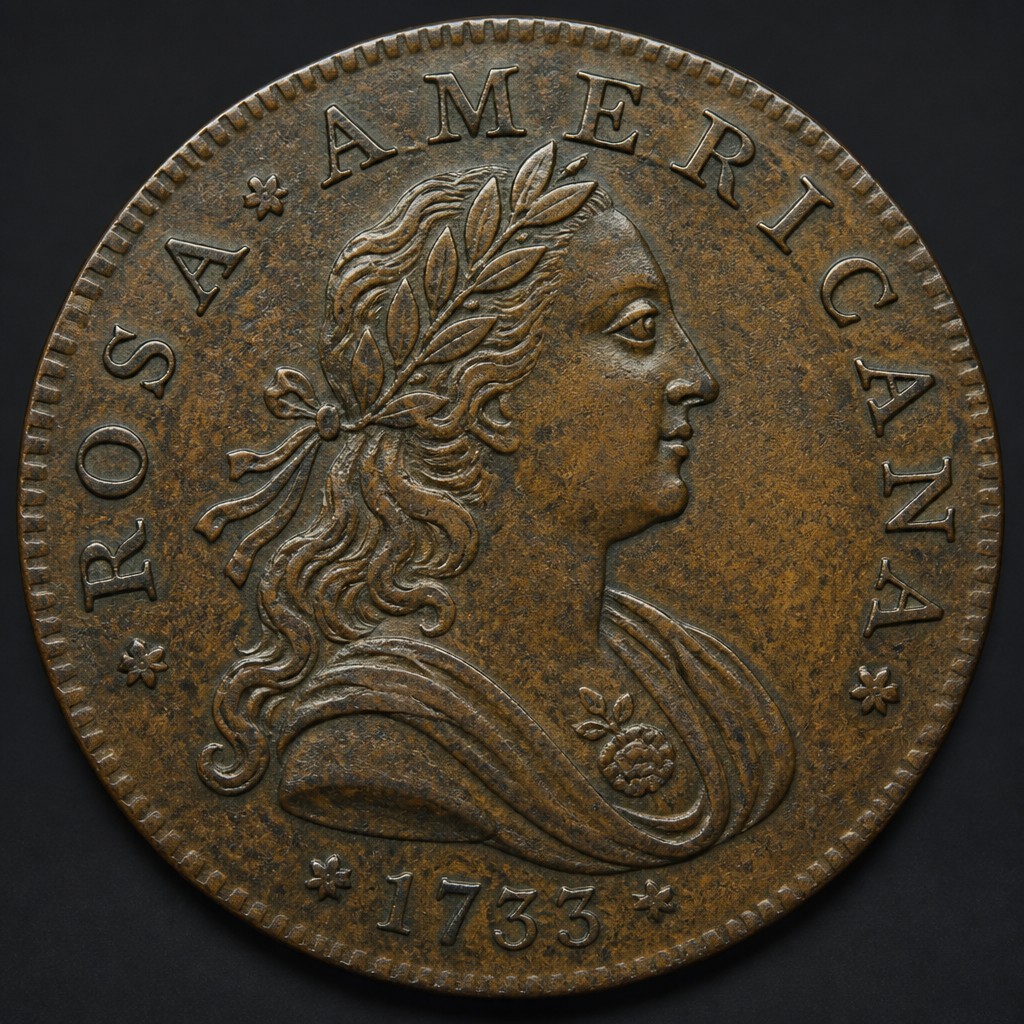
Rosa Americana Coinage
1722–1724 (with pattern issues dated 1733)
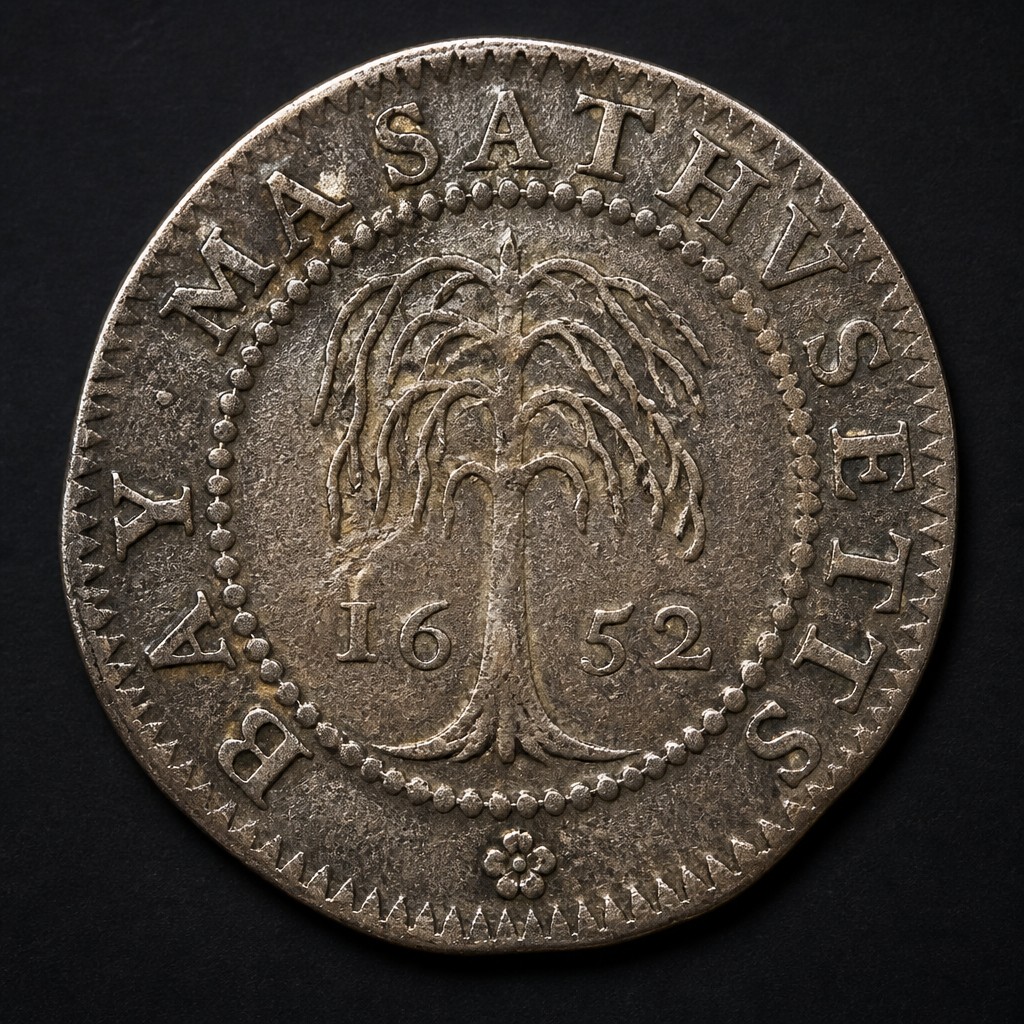
Massachusetts Willow Tree Shilling
Dated 1652, struck circa 1653–1660