
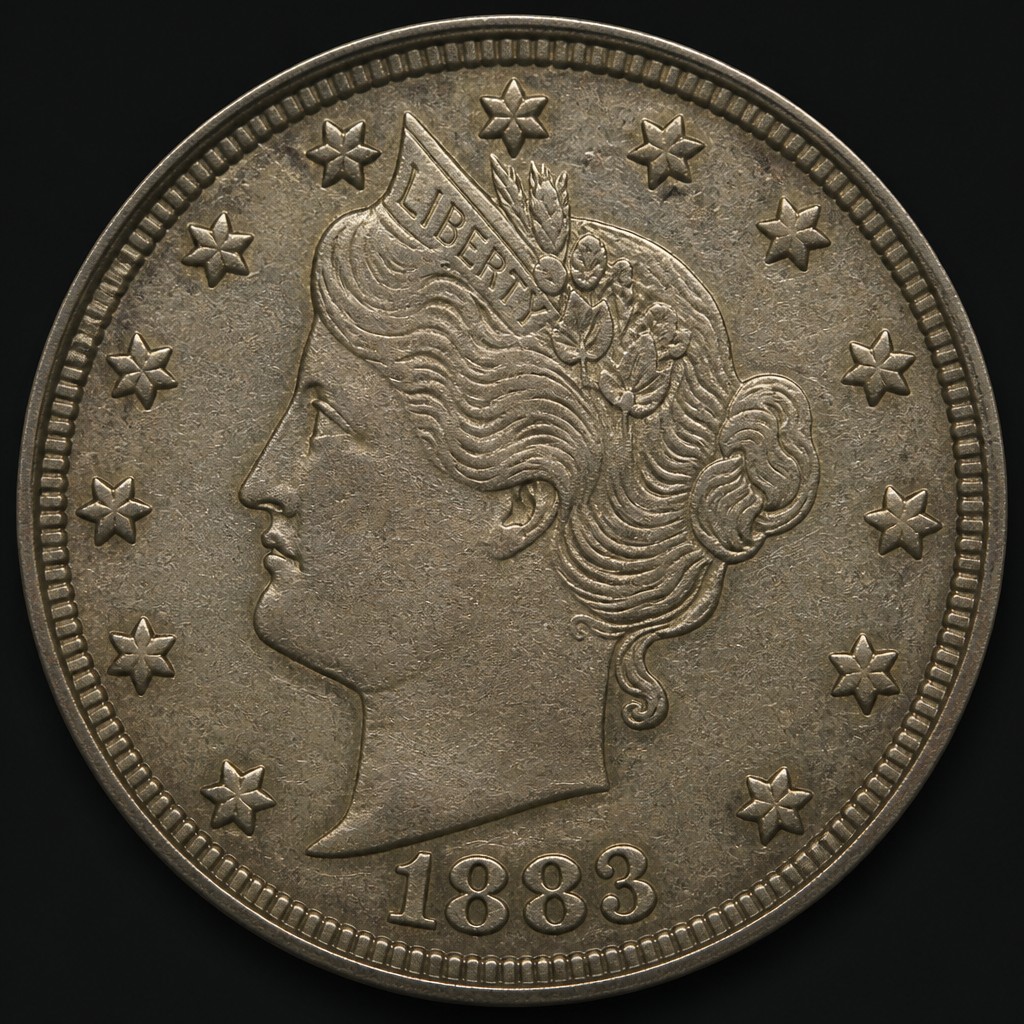
1883 No Cents Liberty Head Nickel
The first-year Liberty Head Nickel design that omitted the word CENTS from the reverse, later infamous as the 'Racketeer Nickel' after being gold-plated and passed off as a five-dollar coin.
- Country
- United States
- Denomination
- Five Cents
- Metal
- Copper-Nickel (75% Copper, 25% Nickel)
Got a coin like this?
Identify any coin from a photo, free.
Overview
The 1883 No Cents Liberty Head Nickel is the original version of Charles Barber's V Nickel design, struck at the very start of the series before the word CENTS was added to clarify the coin's denomination. It is a widely available and popular first-year type coin, common enough for most collectors to obtain in a range of grades.
The coin gained additional notoriety soon after release when enterprising swindlers realized its size and design similarities to the contemporary five-dollar gold piece could be exploited: by gold-plating the nickel and adding reeding to the edge, they passed it off as a five-dollar coin to unsuspecting merchants and cashiers, giving rise to its enduring nickname, the "Racketeer Nickel."
Because of this colorful history, the No Cents type is a favorite for type collectors and for anyone interested in numismatic stories of fraud and deception from the era.
History & Background
When the Liberty Head Nickel replaced the Shield Nickel in 1883, its reverse design featured only a large Roman numeral V within a wreath, without any explicit spelled-out denomination. This omission, combined with the coin's similarity in diameter to the contemporary five-dollar gold piece and both coins sharing a Liberty-head obverse motif, created an opportunity for fraud almost immediately.
Unscrupulous individuals began gold-plating the new nickels and sometimes adding reeding to the edge to mimic a gold coin, then passing them off at face values far above five cents to merchants, cashiers, and members of the public unfamiliar with the new design. The scheme became widespread enough within the coin's first year that the U.S. Mint moved quickly to revise the design, adding the word CENTS below the wreath later in 1883 to eliminate the ambiguity.
As a result, the No Cents type was struck for only a portion of 1883 before being superseded, making it a true first-year, short-lived design variant within the broader Liberty Head Nickel series.
How to Identify
The obverse shows a left-facing Liberty portrait wearing a coronet inscribed LIBERTY, surrounded by stars with the date 1883 at the bottom. The reverse of the No Cents type displays only a large Roman numeral V inside a wreath, with UNITED STATES OF AMERICA arched above and E PLURIBUS UNUM near the top rim; critically, there is no CENTS inscription anywhere on the coin, distinguishing it from the later With Cents version struck the same year.
Genuine examples were struck only at the Philadelphia Mint and carry no mintmark. Collectors should be alert for period gold-plated "Racketeer" examples, which are themselves collected as a novelty category, as well as for modern reproductions; a plated example will typically show wear patterns and plating characteristics inconsistent with a genuine gold coin, and its diameter and design will not match an actual five-dollar gold piece upon close comparison.
Wear is judged on Liberty's cheek, hair, and coronet details, and on the fields around the large V; because this type was struck in large numbers, well-preserved and lustrous examples are not particularly difficult to find.
Value & Collectibility
As a common first-year type coin, the 1883 No Cents nickel is inexpensive and widely available in circulated grades, with even choice uncirculated examples remaining relatively affordable compared to true key dates in the series. Its value lies mainly in its historical significance and popularity as a type coin rather than outright rarity.
Period gold-plated "Racketeer" examples can carry a novelty premium among specialized collectors interested in numismatic fraud history, though such pieces are valued differently than a standard uncirculated example and their authenticity as genuinely period-plated pieces (versus modern novelty plating) can be difficult to establish.
Frequently asked questions
Why is this coin called the 'Racketeer Nickel'?
Con artists gold-plated the coin and passed it off as a five-dollar gold piece due to its similar size and Liberty-head design, exploiting the missing CENTS denomination.
Why doesn't the coin say CENTS?
The original 1883 design only featured a Roman numeral V, without a spelled-out denomination, which the Mint corrected later that year after the fraud became widespread.
Is the No Cents nickel rare?
No, it was struck in large numbers and is one of the most common and affordable 19th-century U.S. type coins.
How can I tell it apart from the With Cents version?
Simply check the reverse: if the word CENTS does not appear below the wreath, it is the No Cents type; if CENTS is present, it is the later 1883 With Cents version.
Other coins you may enjoy
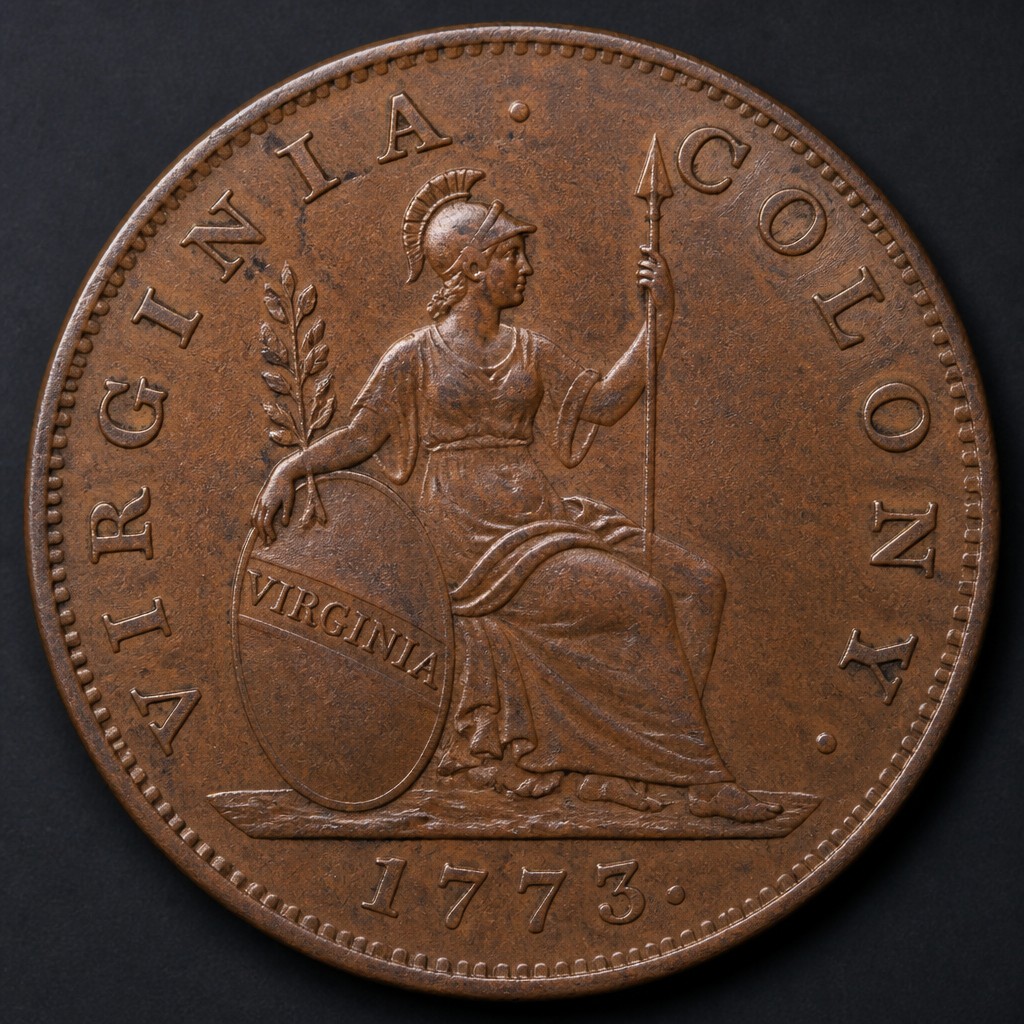
Virginia Halfpenny
1773
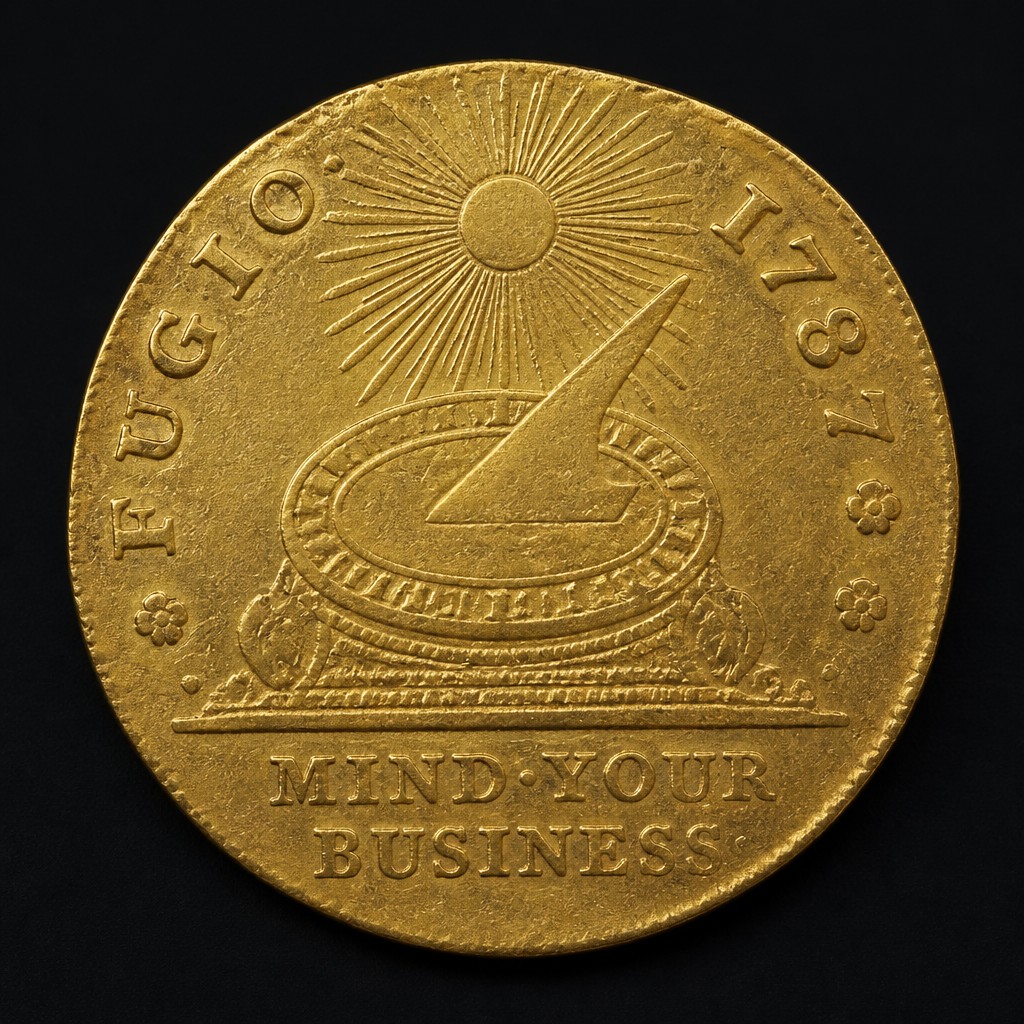
Brasher Doubloon
1787
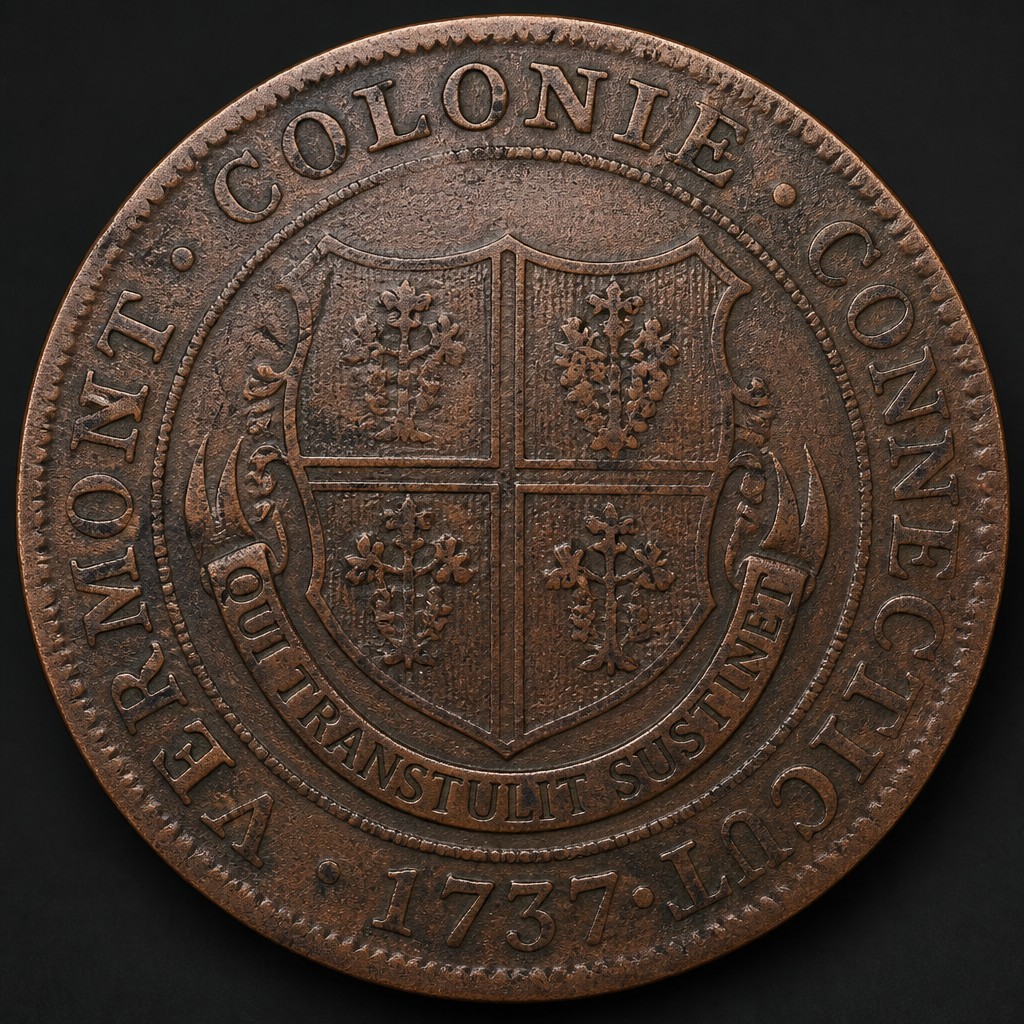
Higley Copper
1737–1739
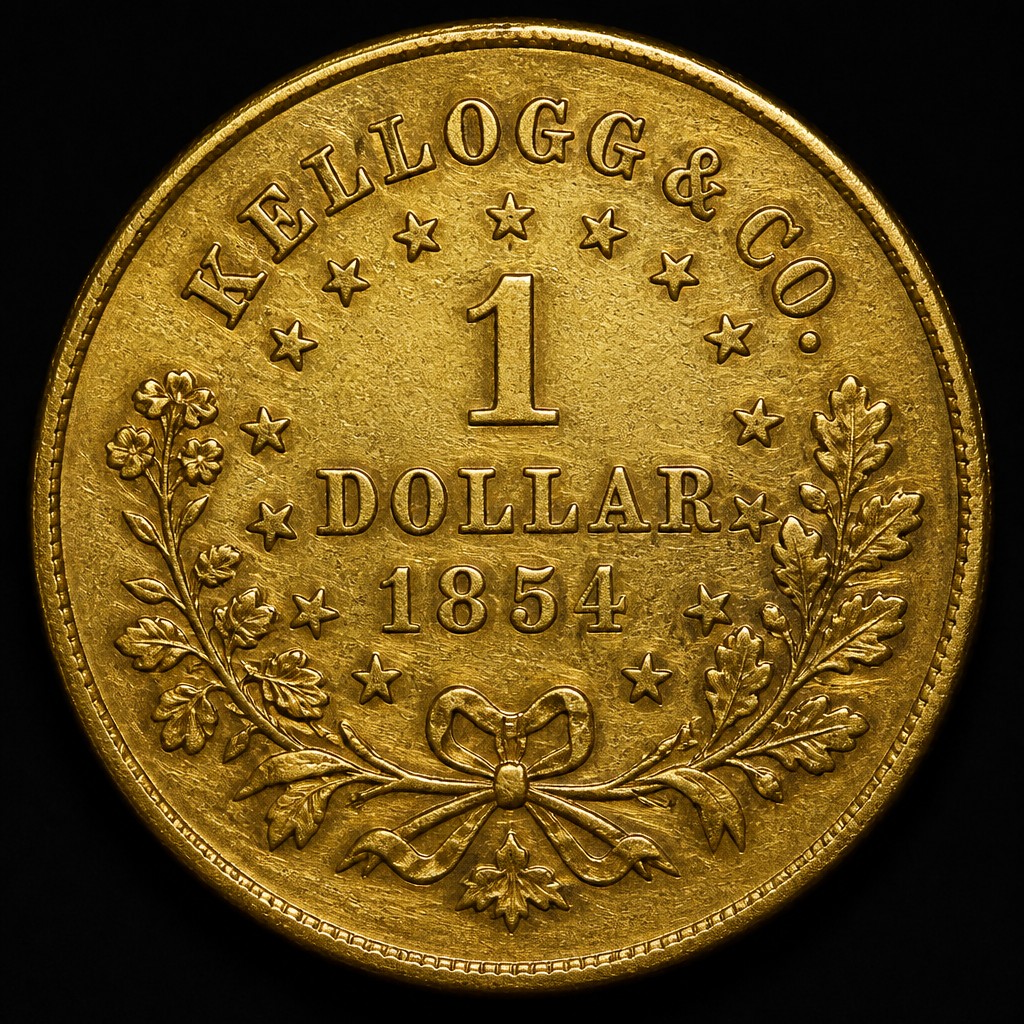
Kellogg & Co. Gold Piece
1854–1855
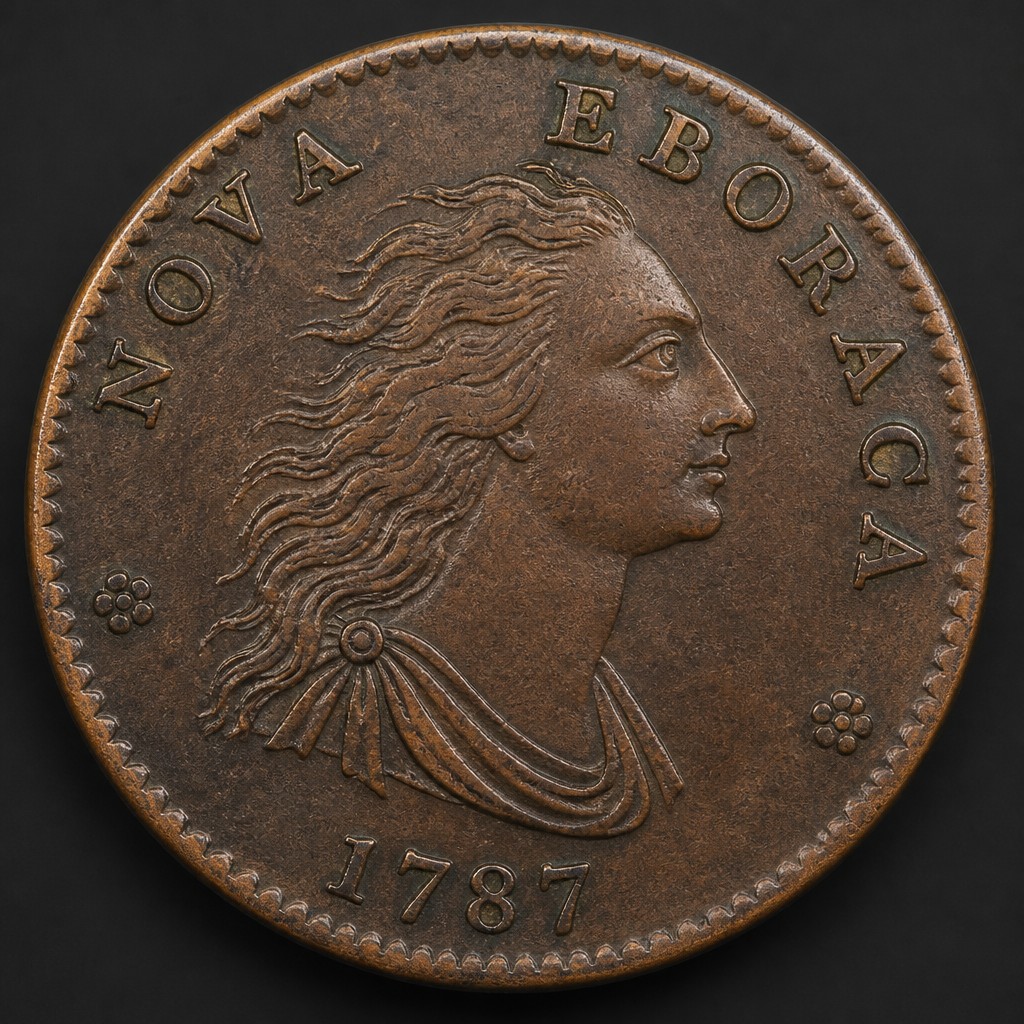
Nova Eborac Copper
1787
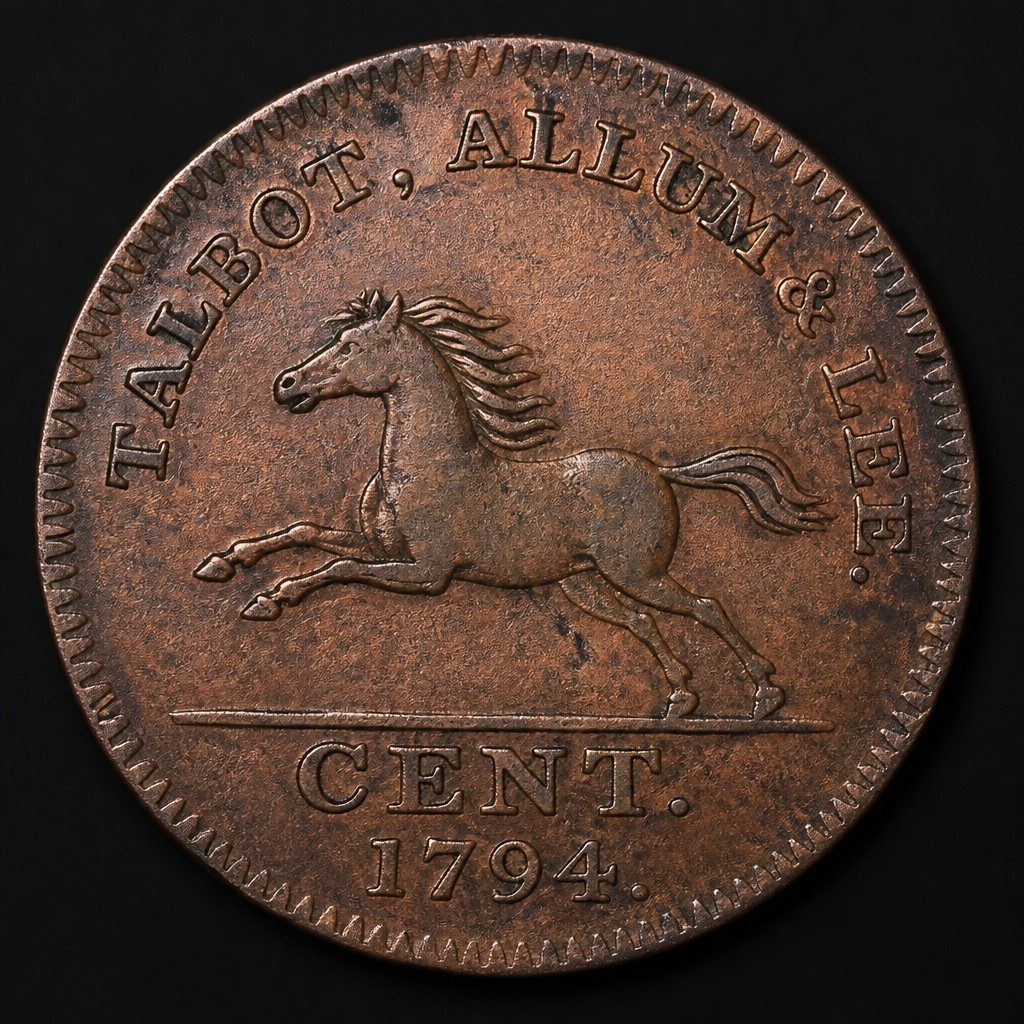
Talbot, Allum & Lee Cent
1794–1795
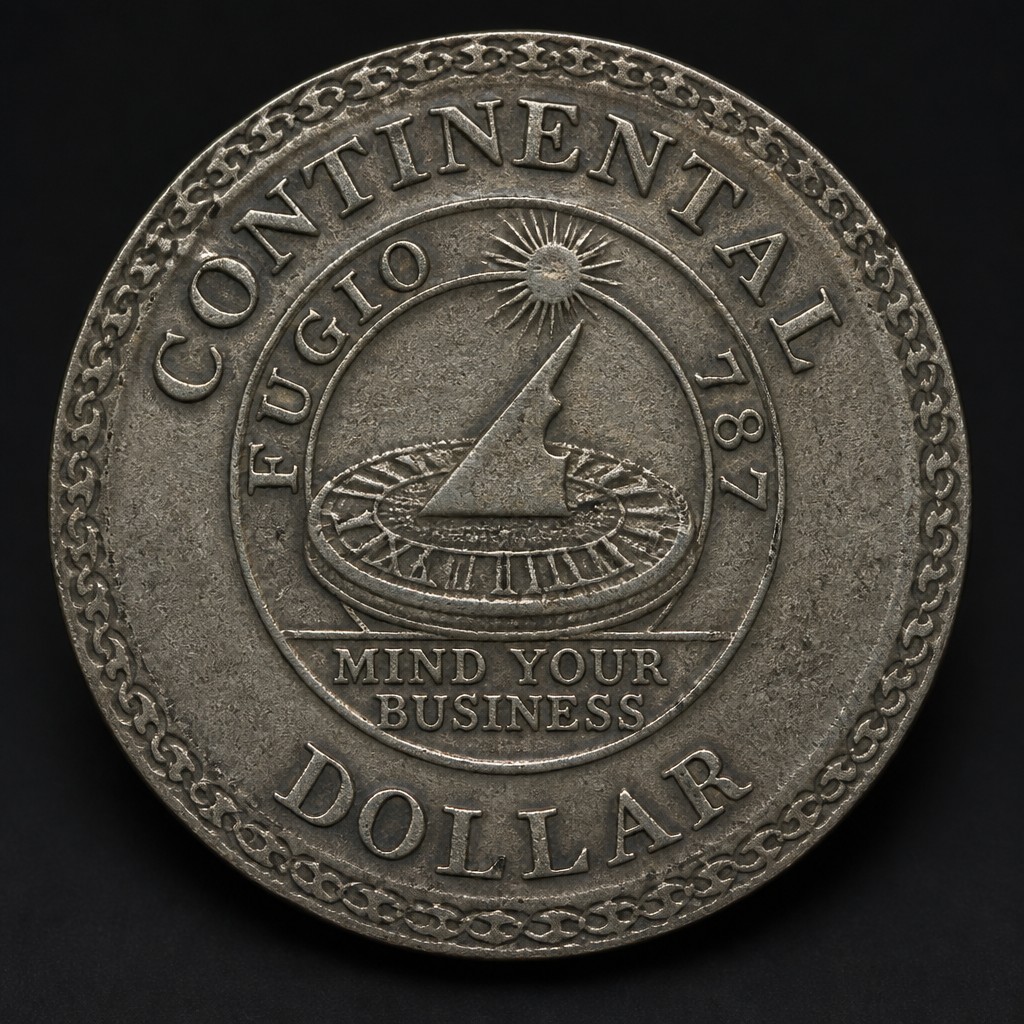
Continental Dollar
1776
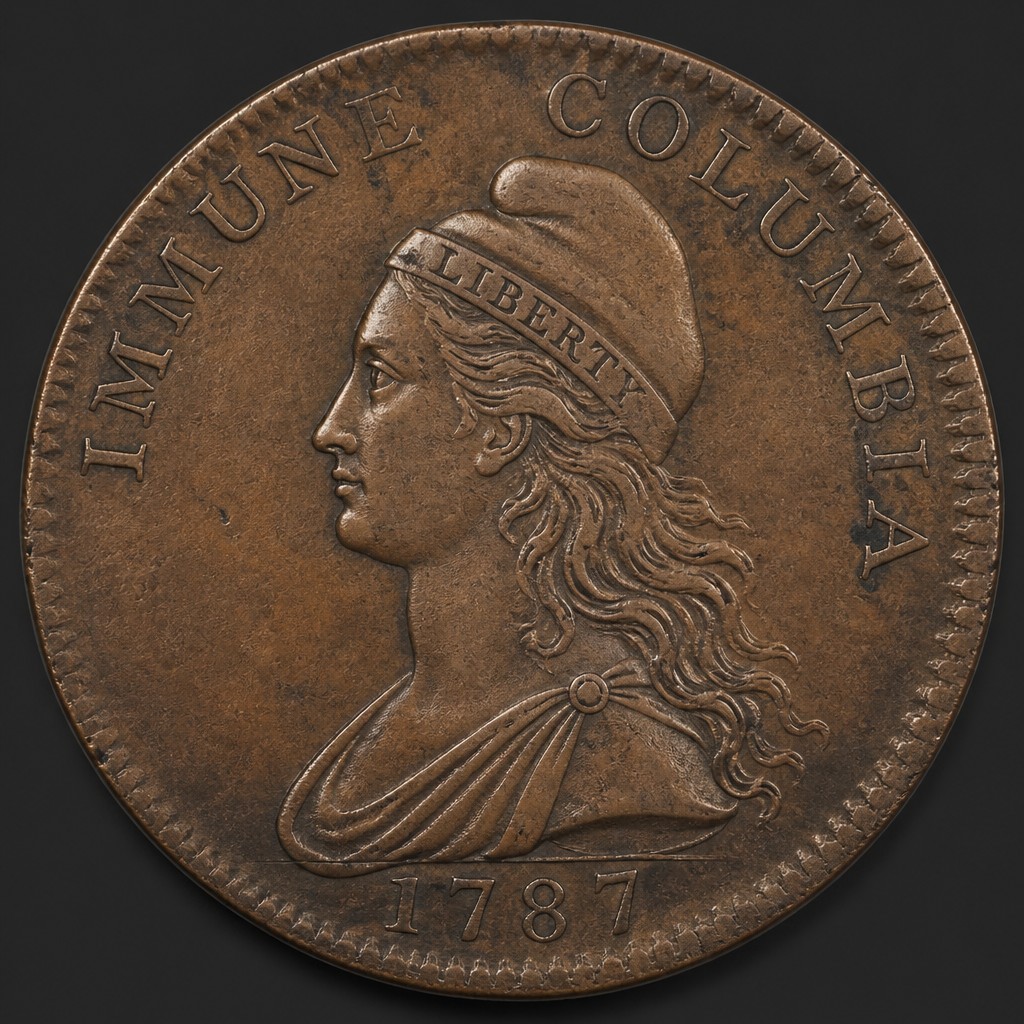
Immune Columbia Copper
circa 1785–1787
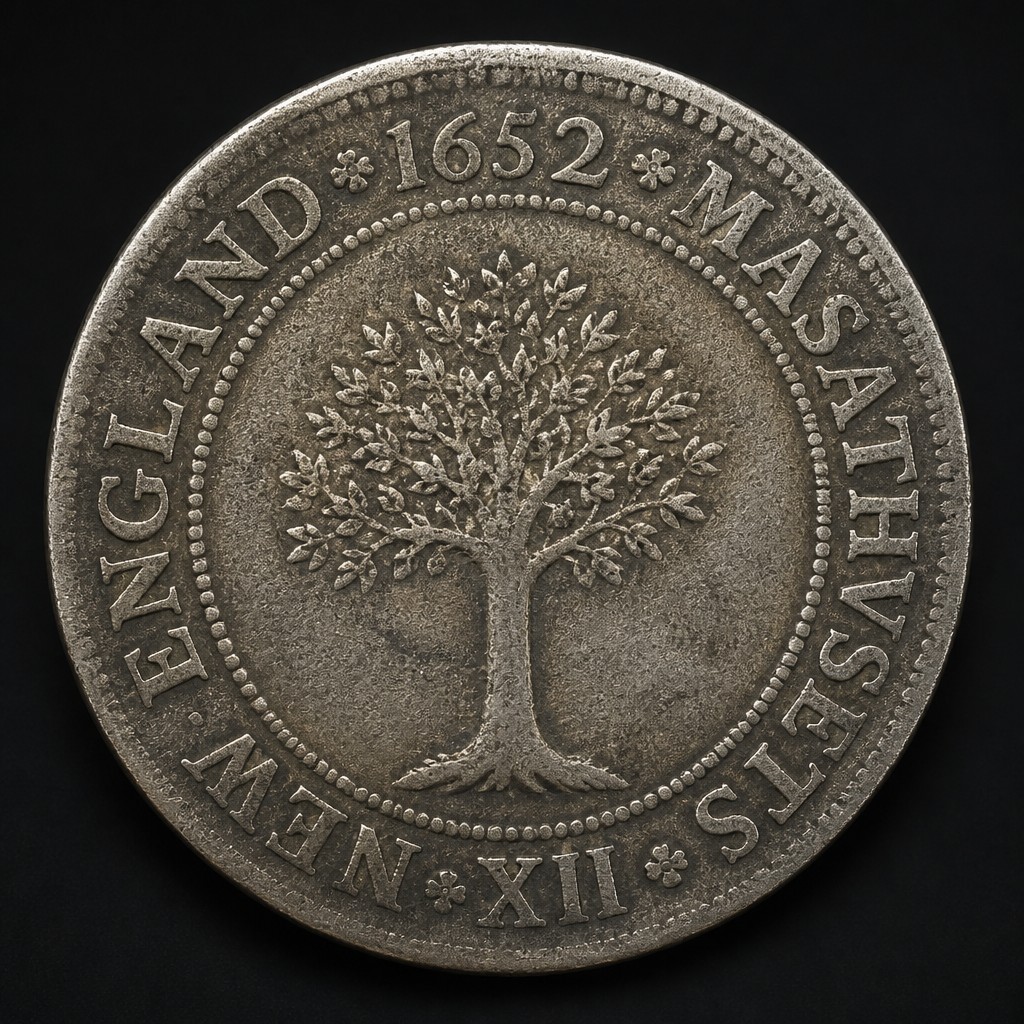
Massachusetts Oak Tree Shilling
Dated 1652, struck circa 1660–1667
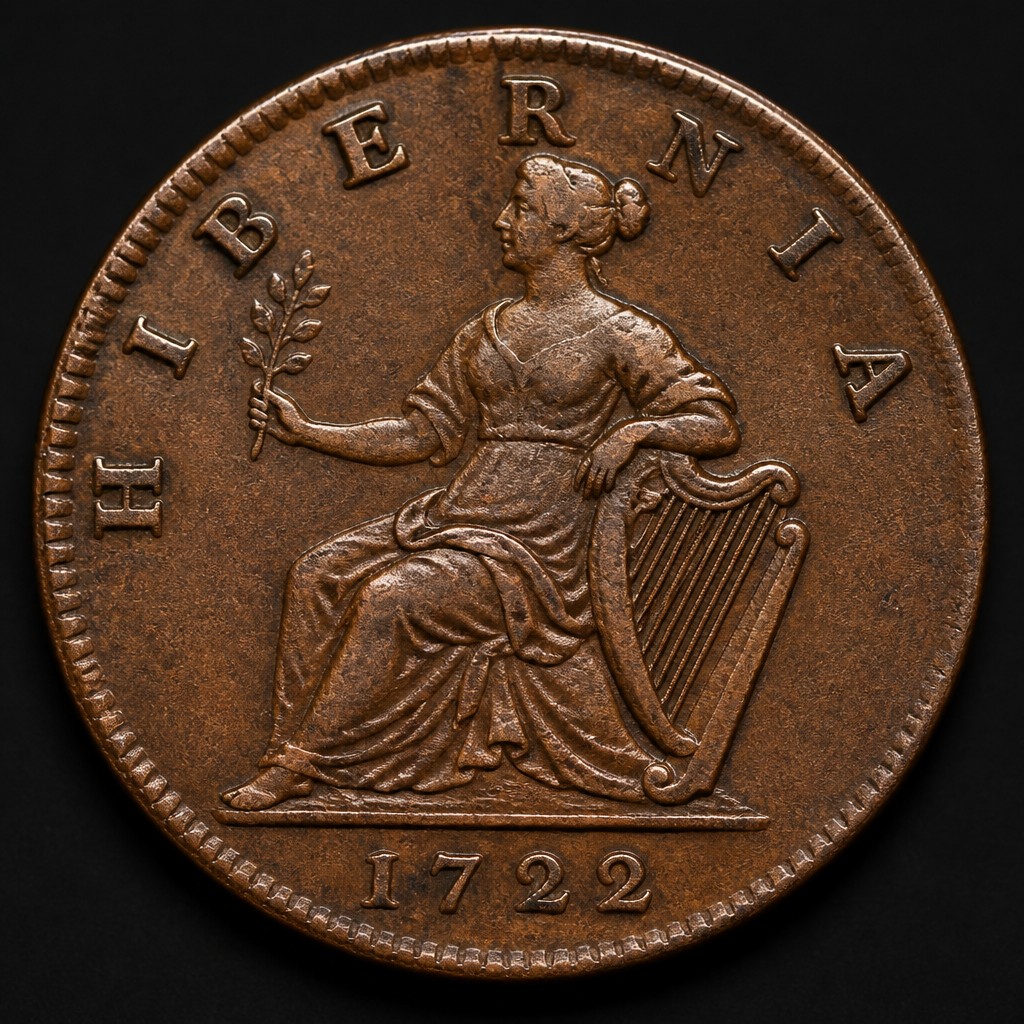
Wood's Hibernia Halfpenny
1722–1724
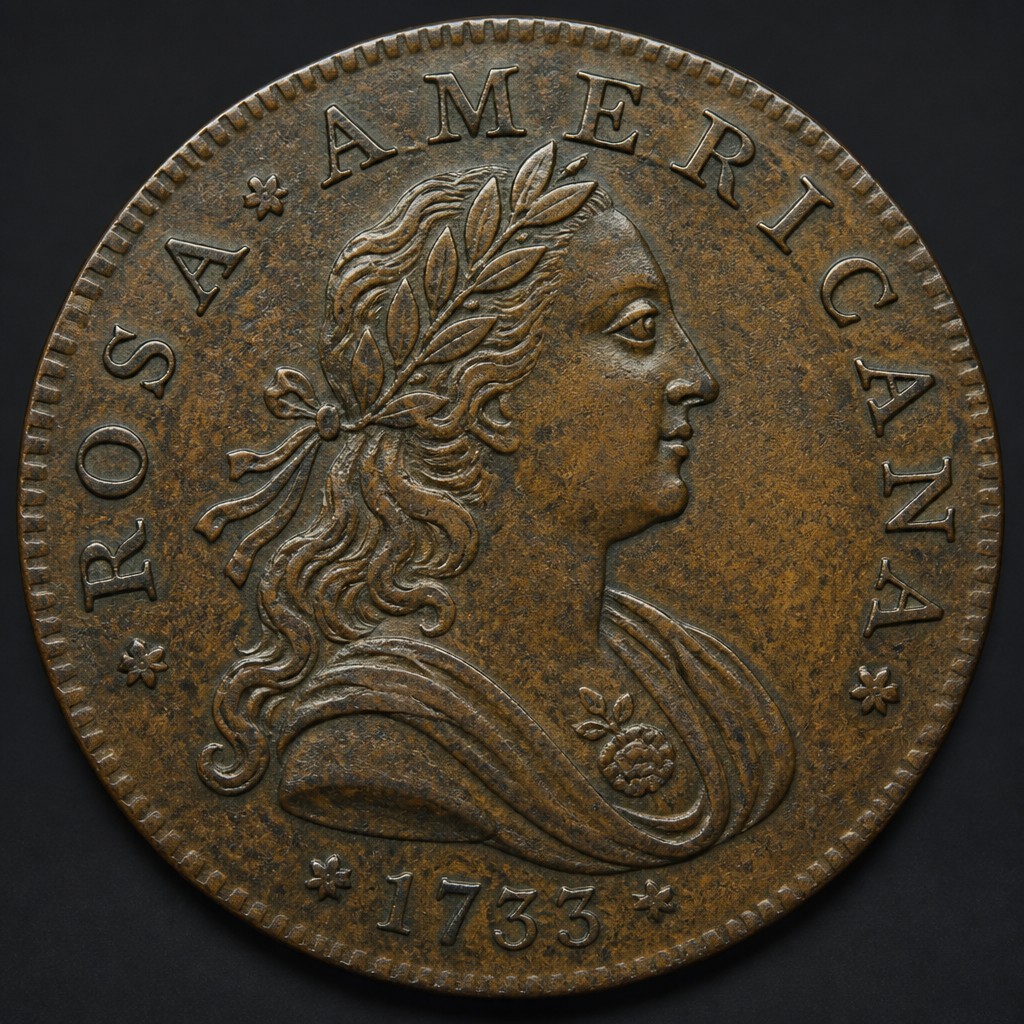
Rosa Americana Coinage
1722–1724 (with pattern issues dated 1733)
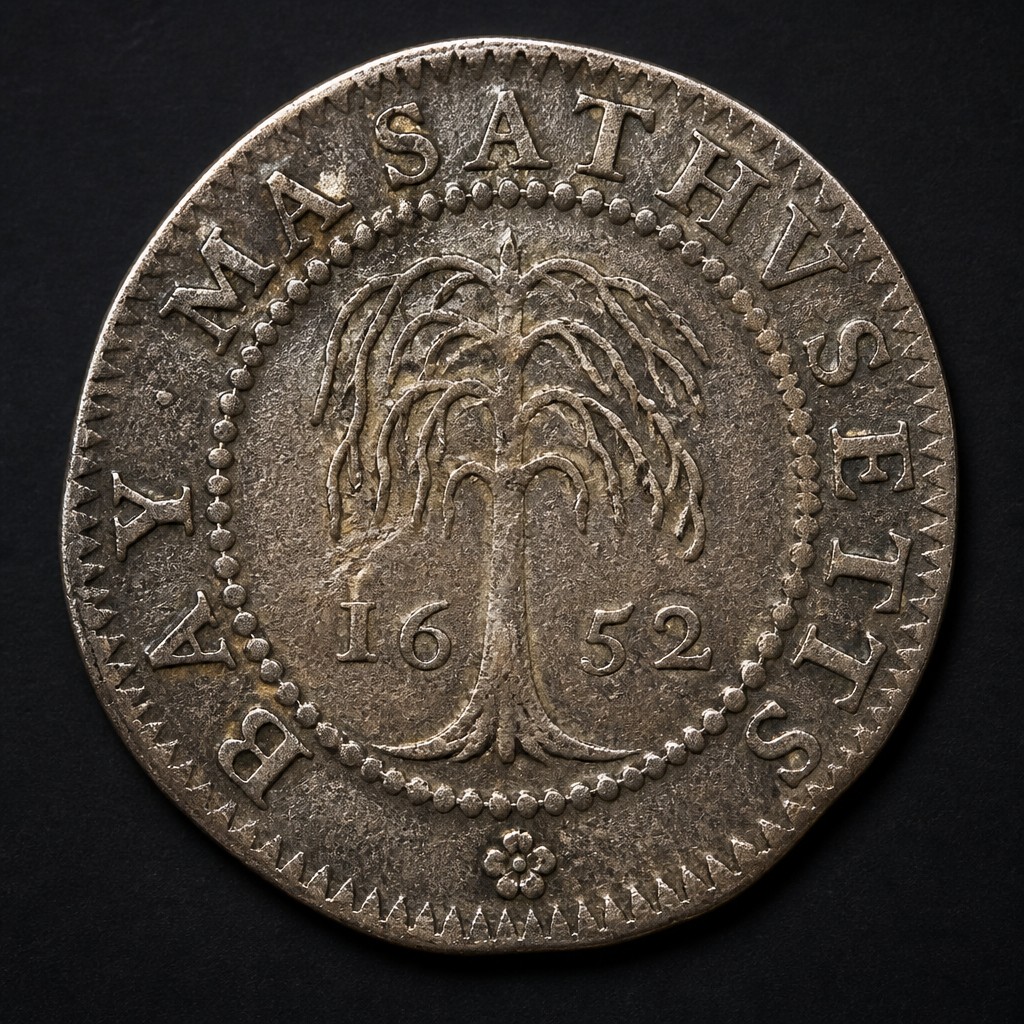
Massachusetts Willow Tree Shilling
Dated 1652, struck circa 1653–1660