
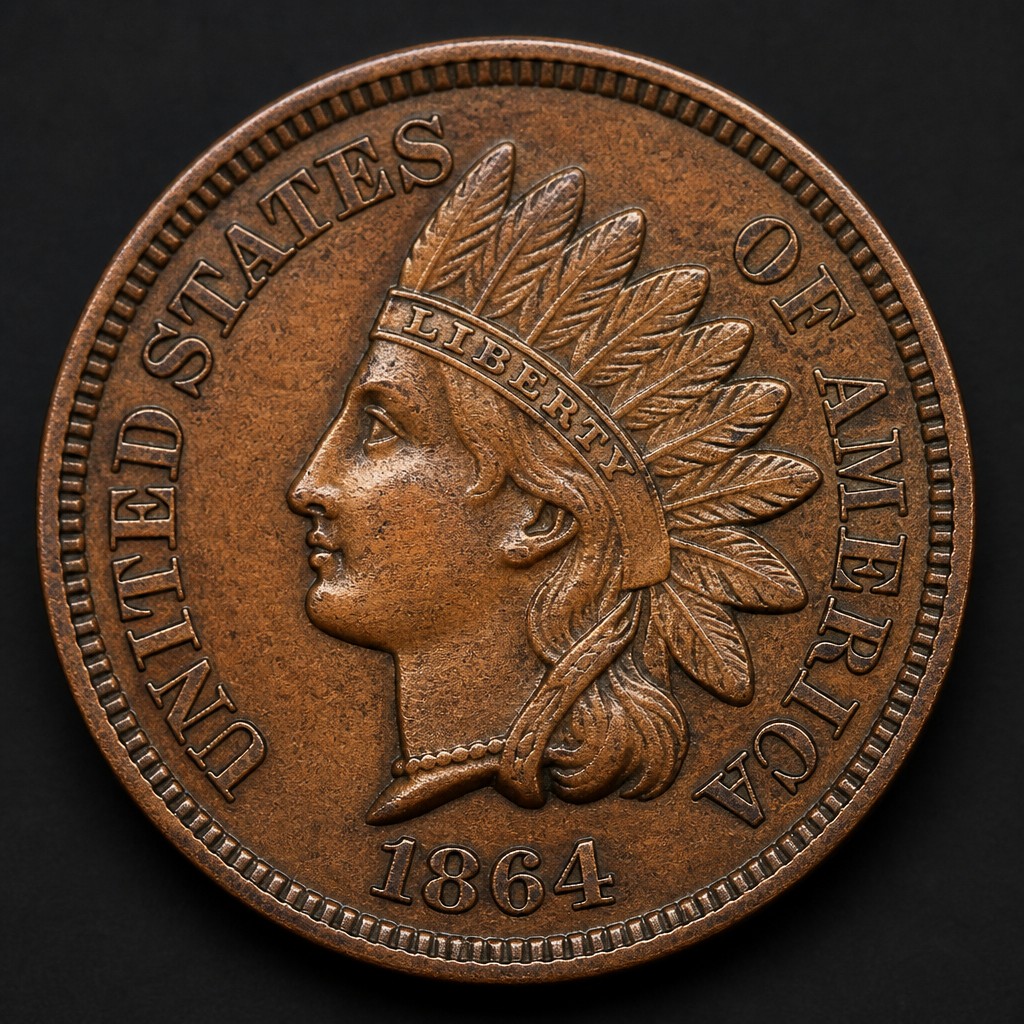
Bronze Indian Head Cent
The bronze-alloy Indian Head cent struck from 1864 through 1909, replacing the earlier copper-nickel version and serving as the last cent design before Lincoln's portrait appeared in 1909.
- Country
- United States
- Denomination
- One Cent
- Metal
- Bronze (95% Copper, 5% Tin and Zinc)
Got a coin like this?
Identify any coin from a photo, free.
Overview
The Bronze Indian Head Cent refers to the version of James B. Longacre's Indian Head design struck in a 95% copper, 5% tin-and-zinc bronze alloy from 1864 onward, replacing the thicker, paler copper-nickel cents minted from 1859 to early 1864. The change in metal made the coin thinner and gave it the familiar warm copper color still associated with US cents today.
This nearly half-century run makes the bronze Indian Head cent one of the most collected series in American numismatics, since a complete date set can be assembled affordably except for a handful of scarce dates. It was also the final Indian Head design year before the Lincoln cent replaced it in 1909, marking the end of an era in US coinage.
History & Background
The Indian Head cent was designed by Chief Engraver James B. Longacre and first issued in copper-nickel in 1859. Rising copper prices during the Civil War, combined with the metal's brittleness in coining presses, prompted Congress to authorize a lighter, easier-to-strike bronze composition beginning partway through 1864.
The bronze cent continued essentially unchanged in design for 45 years, through the Civil War, Reconstruction, and into the early twentieth century, becoming a fixture of everyday American commerce. Production ended in 1909 when the Lincoln cent, commemorating the centennial of Abraham Lincoln's birth, took its place.
How to Identify
The obverse shows a Native American-style feathered headdress on a female figure representing Liberty, with LIBERTY inscribed on the headband and the date below. The reverse carries the denomination ONE CENT within a wreath, with a shield above the wreath from 1860 onward (this bronze version always has the shield reverse). Coins from 1864 onward are noticeably thinner than the earlier copper-nickel issues and have a bronze-copper color rather than a pale yellowish tone.
A key variety to know is the 1864 'L' cent, which has a small L for Longacre on the ribbon near Liberty's shoulder. Nearly all dates were struck at Philadelphia (no mintmark); the San Francisco mint only struck cents in 1908 and 1909, identified by a small S below the wreath on the reverse.
Value & Collectibility
Common dates from the 1880s through 1909 are widely available in circulated grades for modest sums, making the series approachable for beginning collectors. Key dates that command significant premiums include 1877, 1908-S, and 1909-S, along with the 1864 'L' variety, all of which can run from the low hundreds into the thousands of dollars depending on grade.
Condition is very important since bronze wears quickly and full details on the ribbon, feathers, and wreath are needed for top grades. Uncirculated and proof examples of common dates are affordable, while gem-quality coins of scarce dates are actively sought by advanced collectors.
Frequently asked questions
What is the difference between the copper-nickel and bronze Indian Head cents?
The 1859-1864 issues were struck in copper-nickel and are thicker with a pale color, while cents from mid-1864 onward switched to a thinner bronze alloy with a warmer copper tone.
What makes the 1864 L cent special?
It has a tiny L on the ribbon of Liberty's headdress, marking designer James Longacre's initial, and is scarcer and more valuable than the 1864 cent without the L.
Which dates are considered key dates?
1877, 1908-S, and 1909-S are the most sought-after dates in the bronze series, along with the 1864 L variety.
Where can I find the mintmark?
On San Francisco-struck coins (1908 and 1909 only), a small S appears on the reverse below the wreath; all other dates were struck in Philadelphia with no mintmark.
Other coins you may enjoy
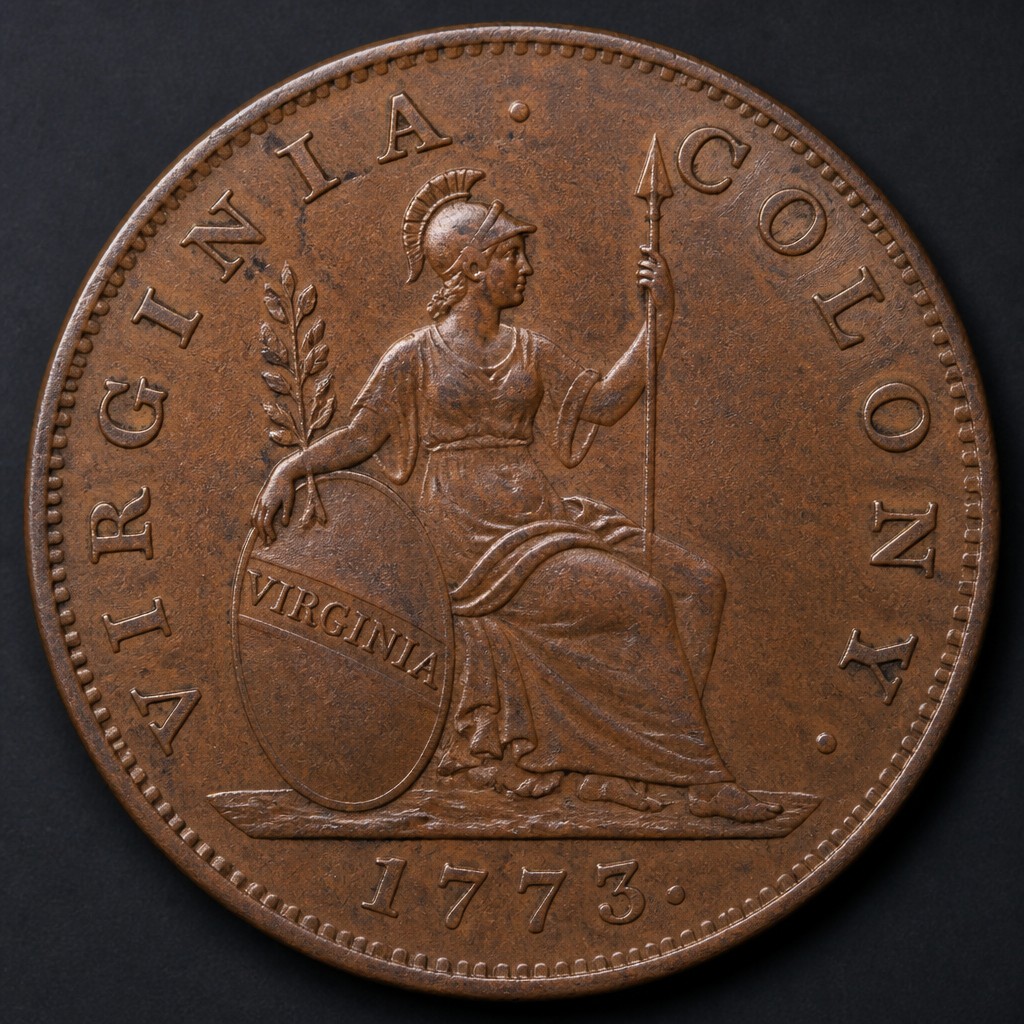
Virginia Halfpenny
1773
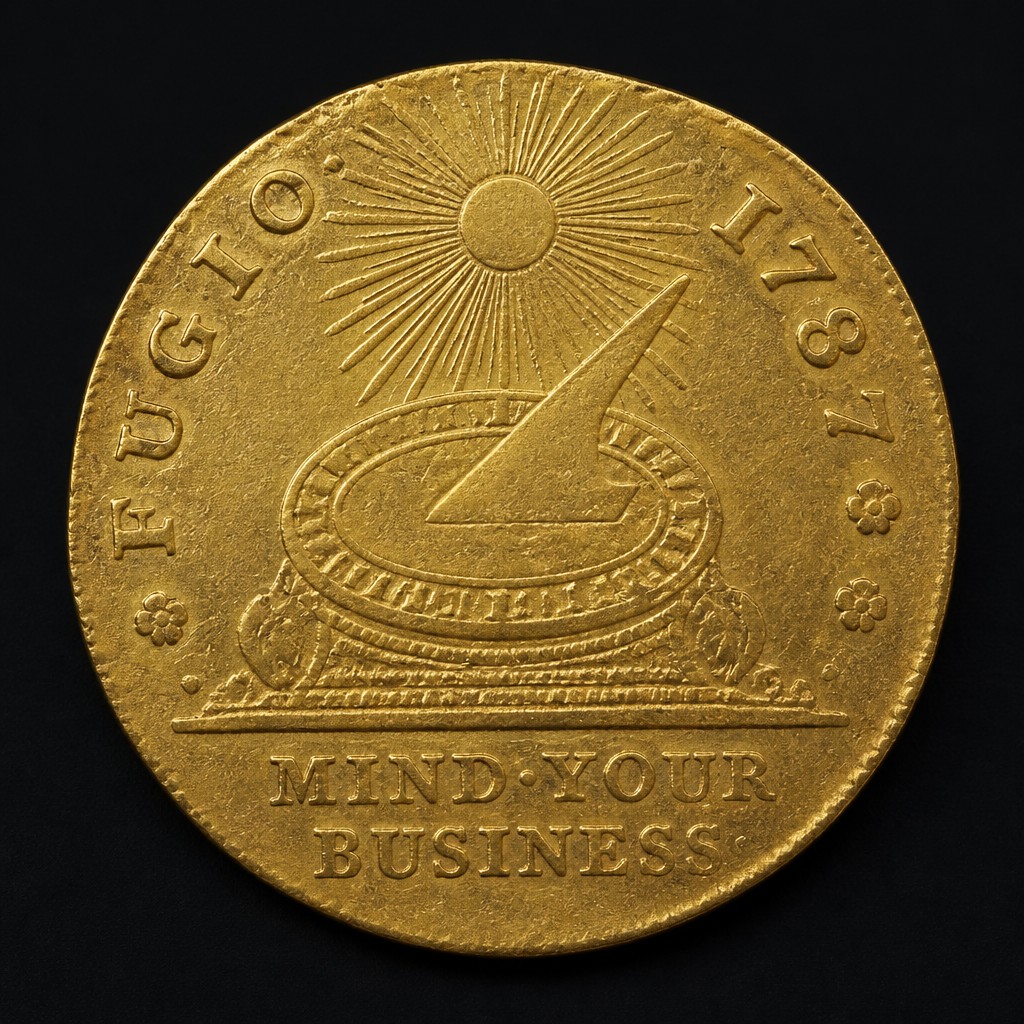
Brasher Doubloon
1787
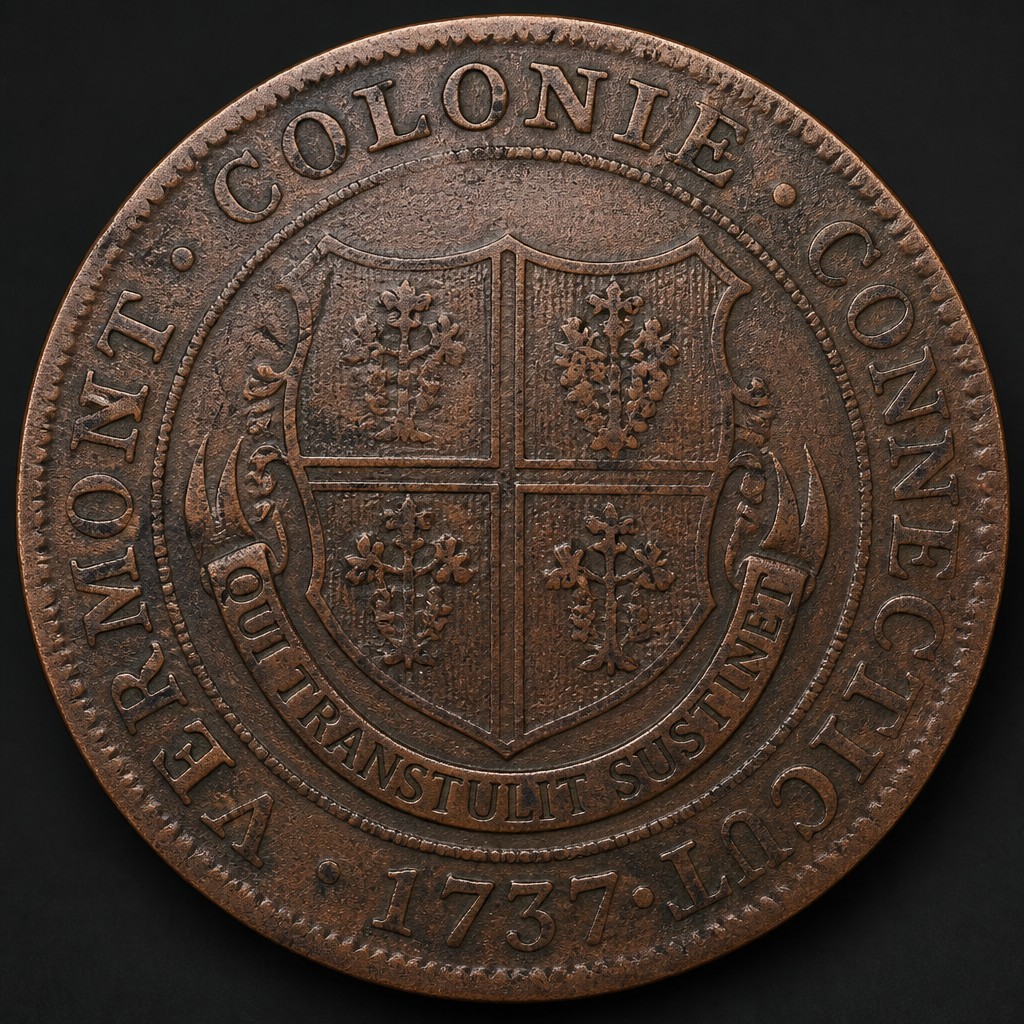
Higley Copper
1737–1739
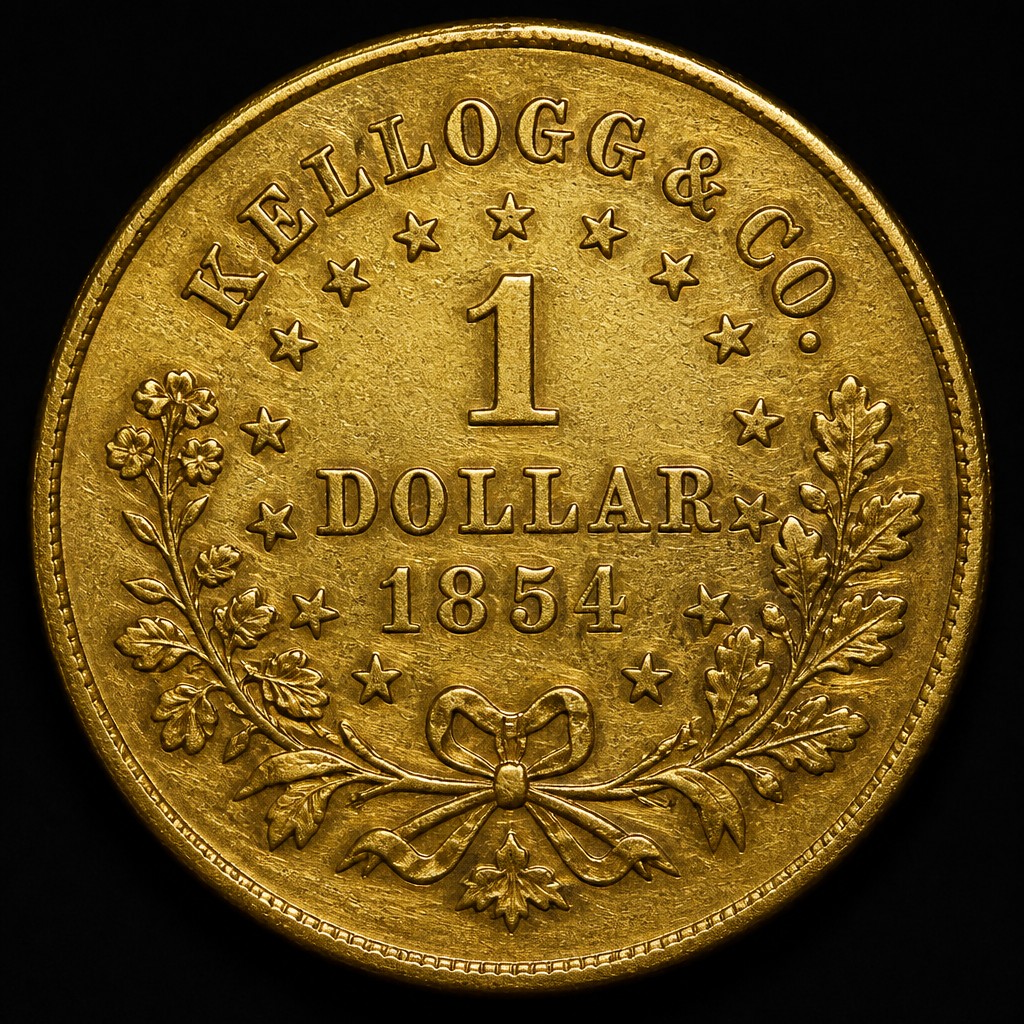
Kellogg & Co. Gold Piece
1854–1855
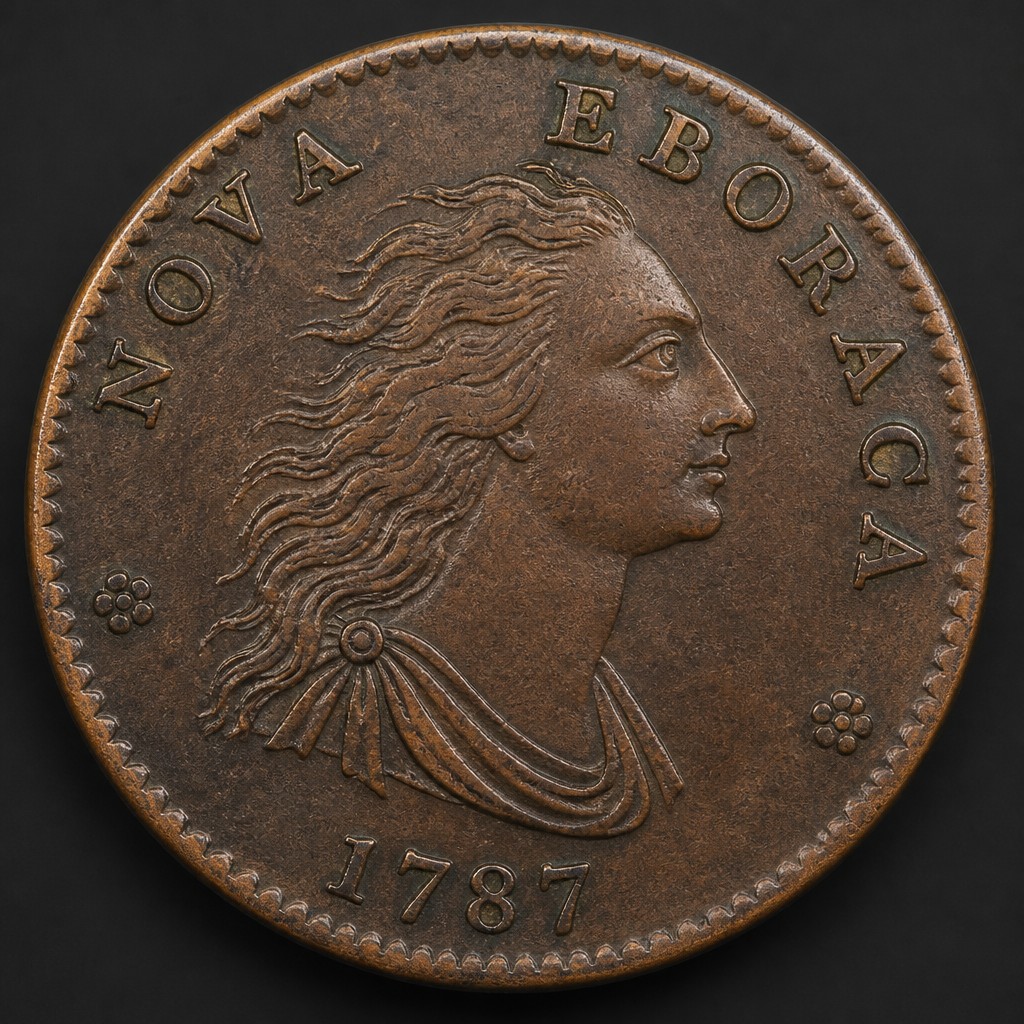
Nova Eborac Copper
1787
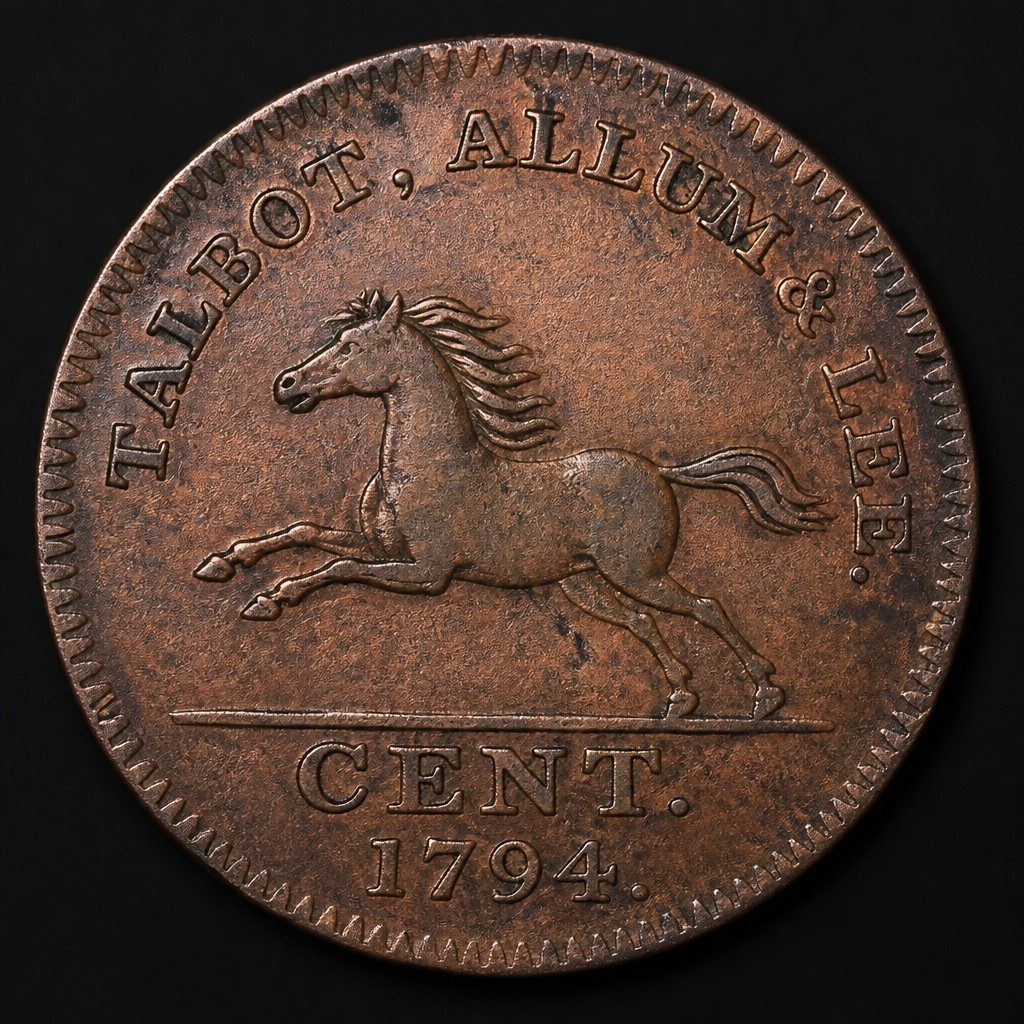
Talbot, Allum & Lee Cent
1794–1795
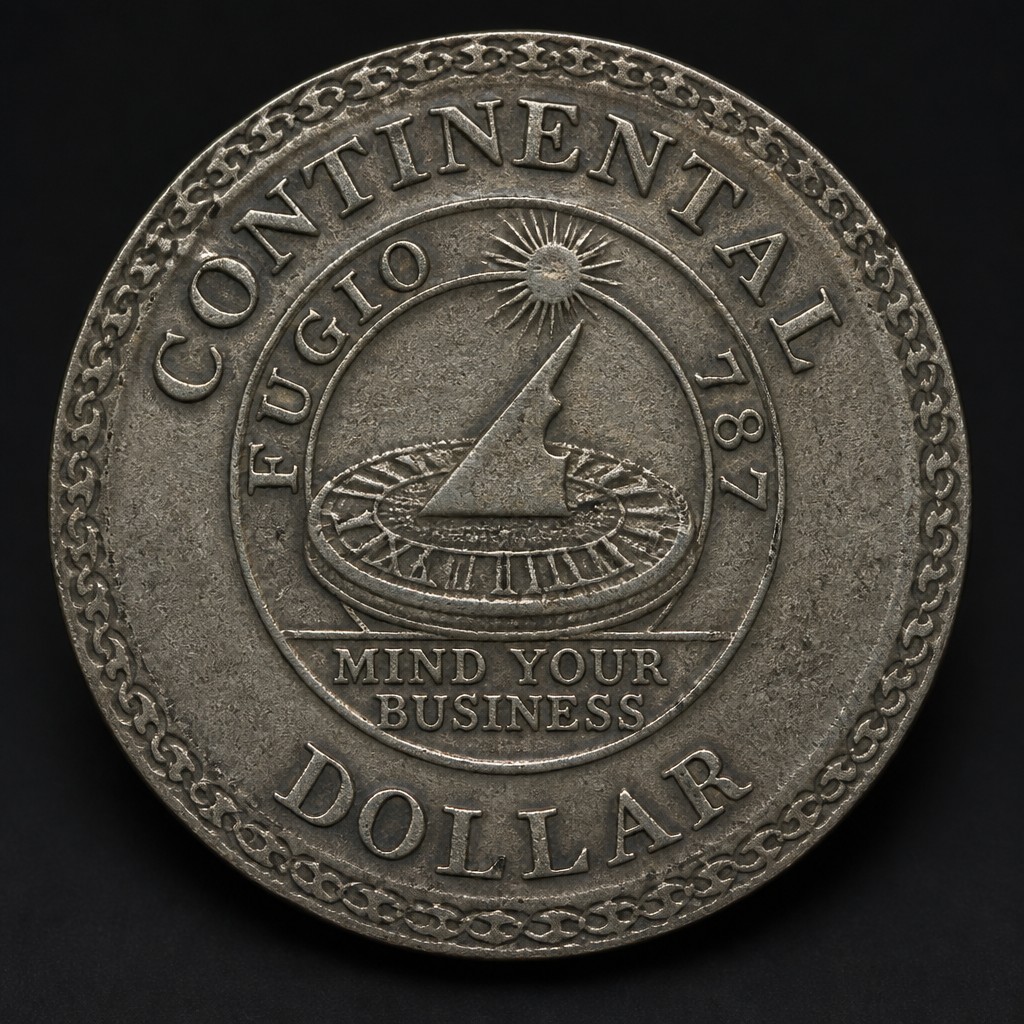
Continental Dollar
1776
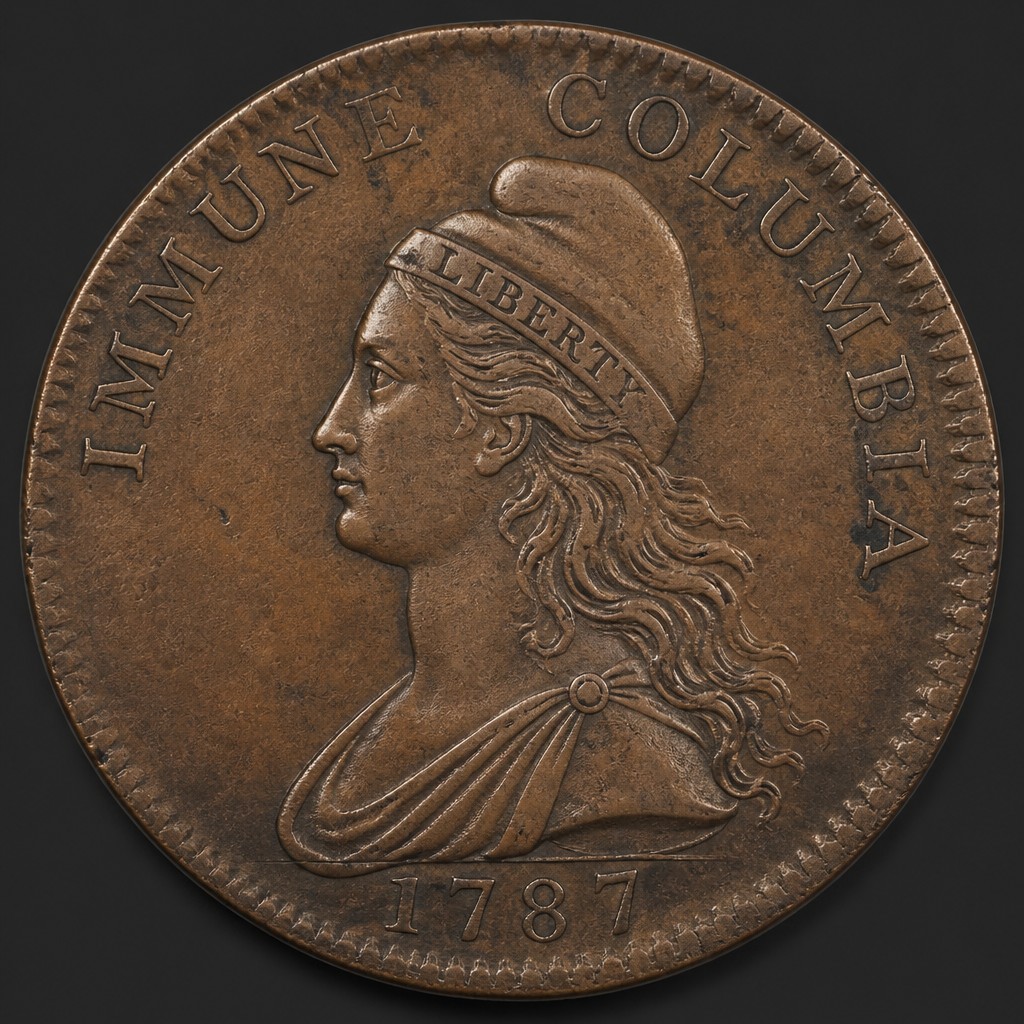
Immune Columbia Copper
circa 1785–1787
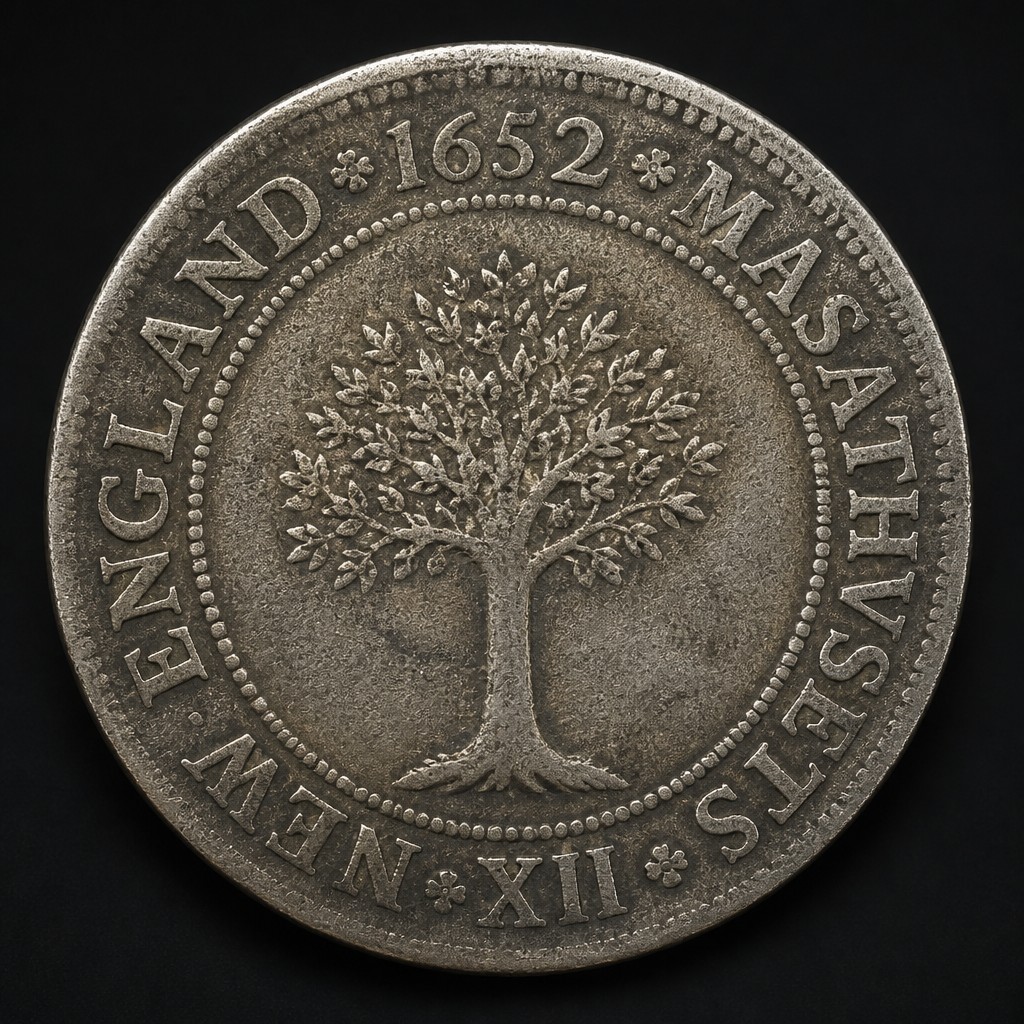
Massachusetts Oak Tree Shilling
Dated 1652, struck circa 1660–1667
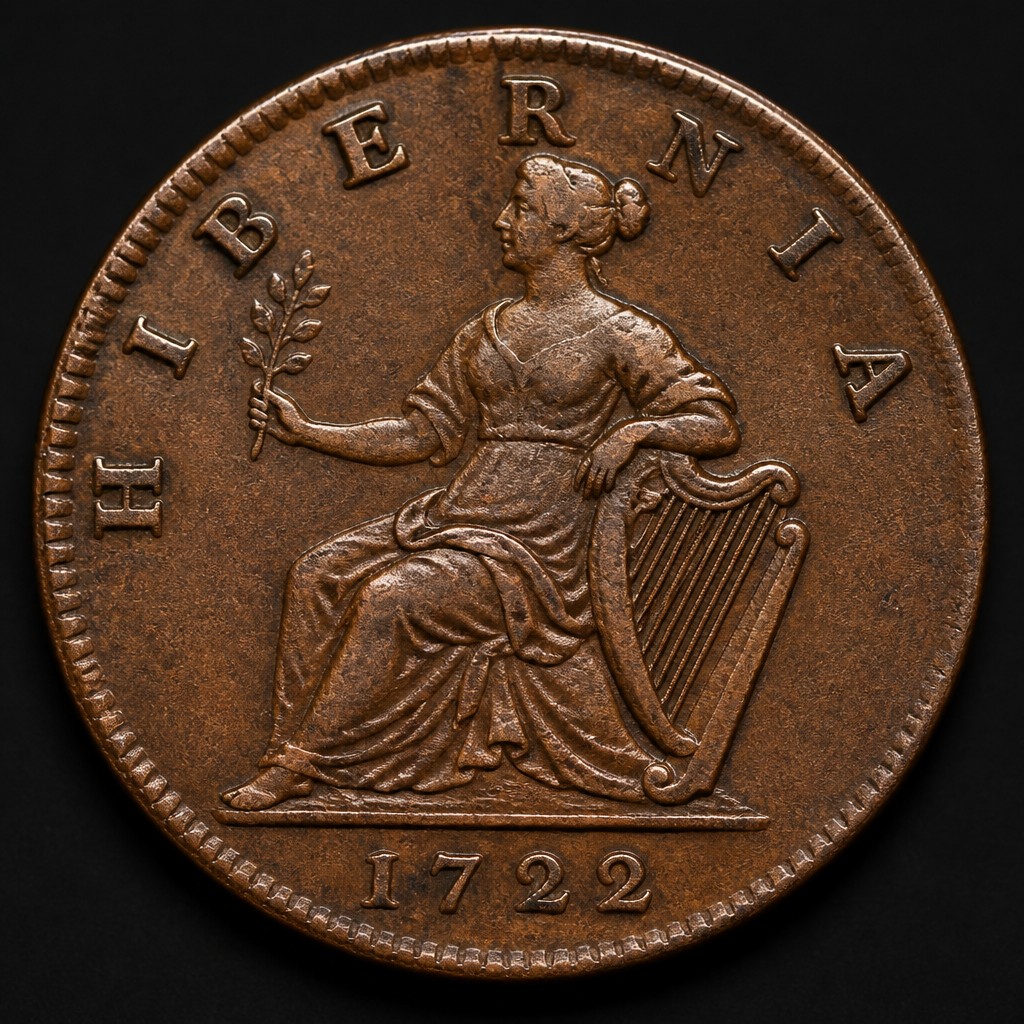
Wood's Hibernia Halfpenny
1722–1724
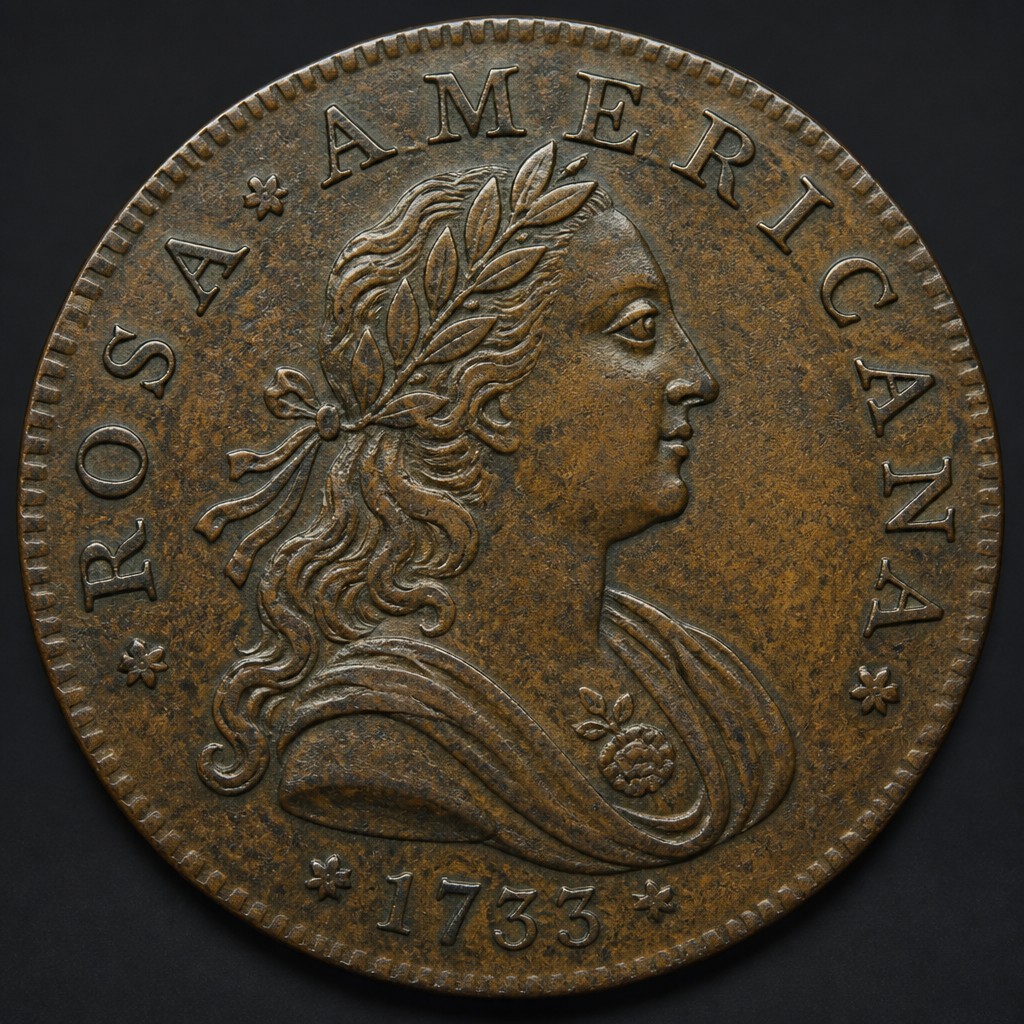
Rosa Americana Coinage
1722–1724 (with pattern issues dated 1733)
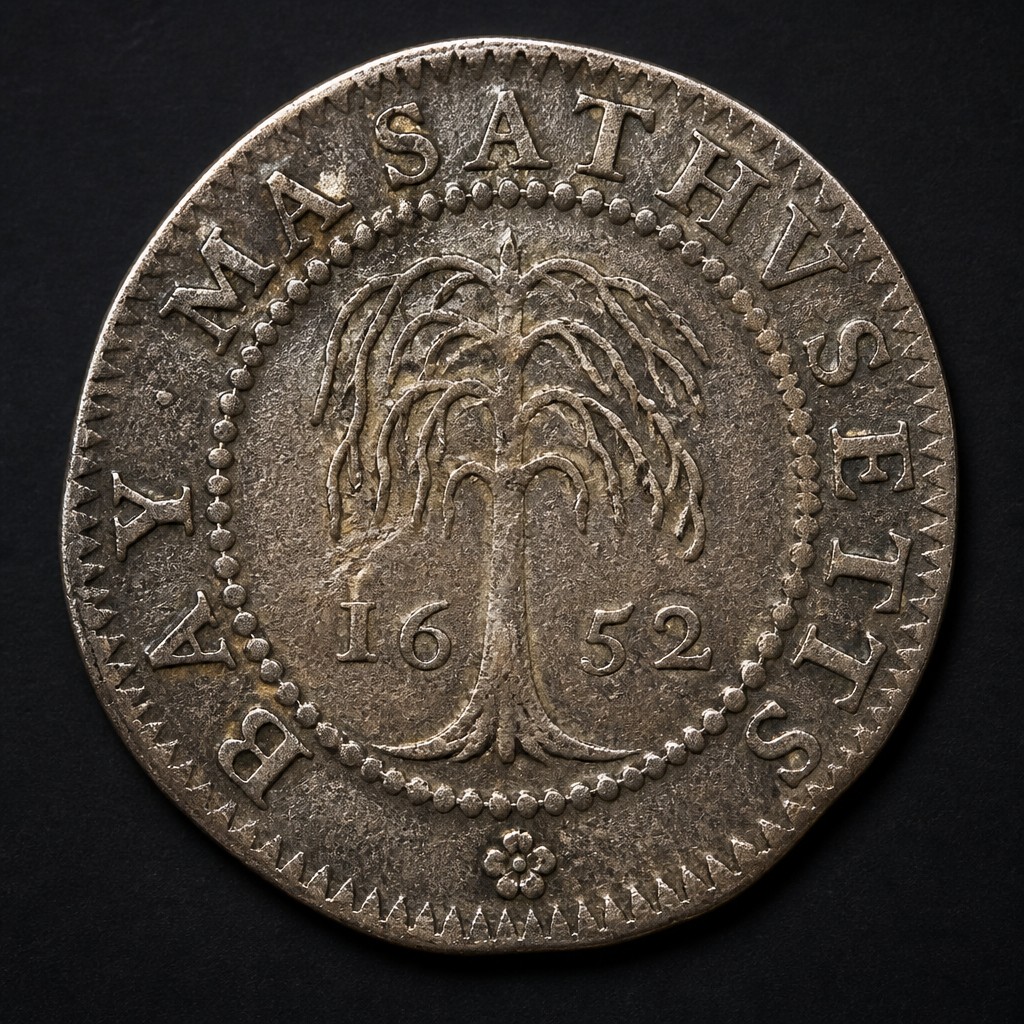
Massachusetts Willow Tree Shilling
Dated 1652, struck circa 1653–1660