
Coin Encyclopedia
Search and identify coins from around the world — with country, denomination, metal, mint, history, and how to tell them apart.
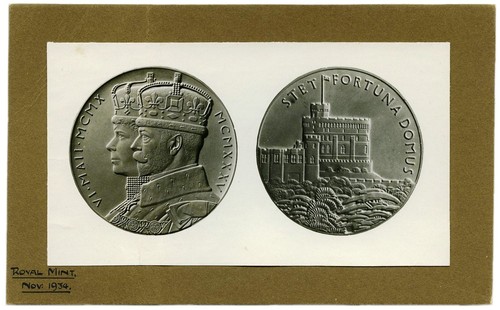
King's Silver Jubilee Medal
British 1935 commemorative medal with overlaid profiles of King George V and Queen Mary and a castle reverse marking the Silver Jubilee.
Medals & Tokens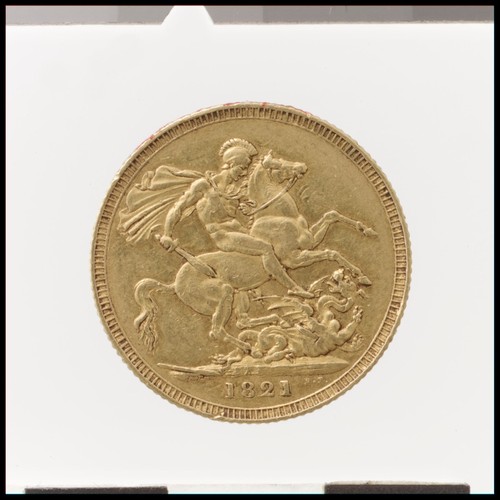
Sovereign of George IV
A milled gold sovereign of Great Britain struck under George IV, with the king's laureate head and Pistrucci's St George slaying the dragon reverse, dated 1821.
Milled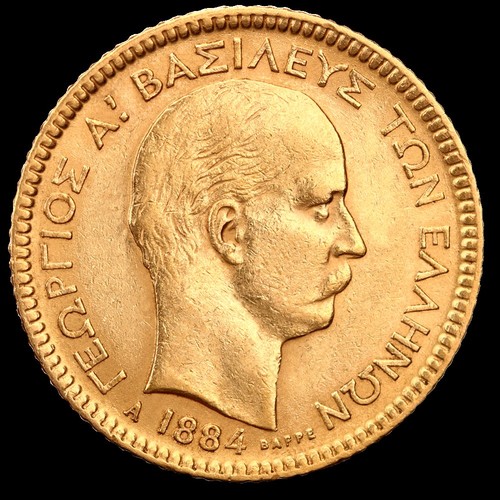
20 Drachmai
Greece's 1884 gold 20 Drachmai of King George I: a small Latin Monetary Union gold coin with the king's portrait and the crowned royal arms.
Modern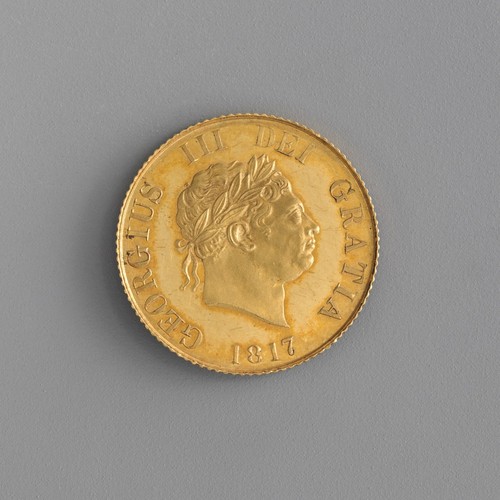
Half Sovereign of George III
British 22-carat gold half sovereign of George III, introduced in 1817 with a laureate bust and a crowned shield of arms; face value ten shillings.
Milled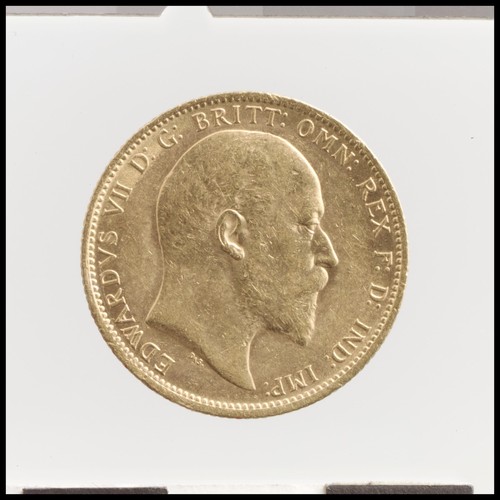
Gold Sovereign
The British gold sovereign: a one-pound gold coin. This 1817 George III example shows a laureate bust and a crowned heraldic shield of the royal arms.
World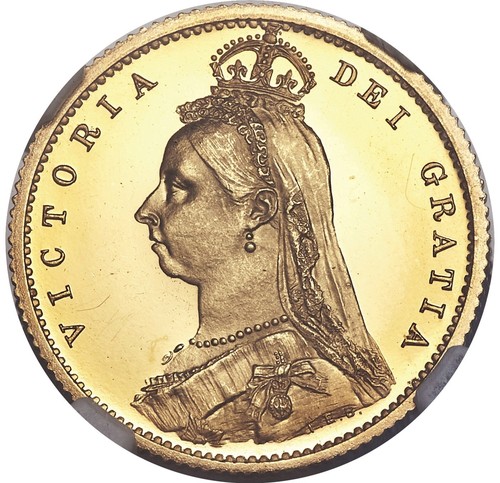
Half Sovereign
A small British 22-carat gold coin worth ten shillings; this example shows Queen Victoria's veiled, crowned Jubilee Head portrait and is dated 1887.
World Coins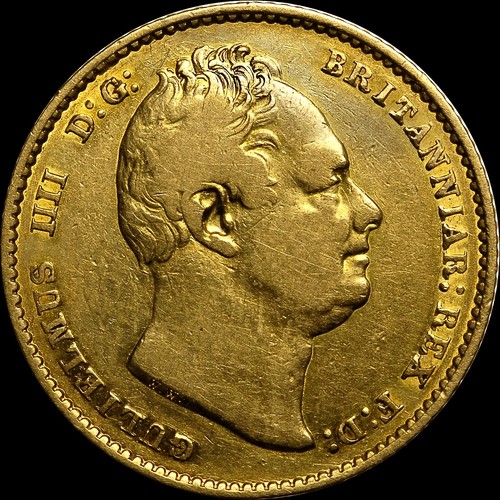
Sovereign of William IV
A 22-carat gold sovereign of William IV, with the king's bare head facing right and a crowned royal shield of arms on the reverse.
Milled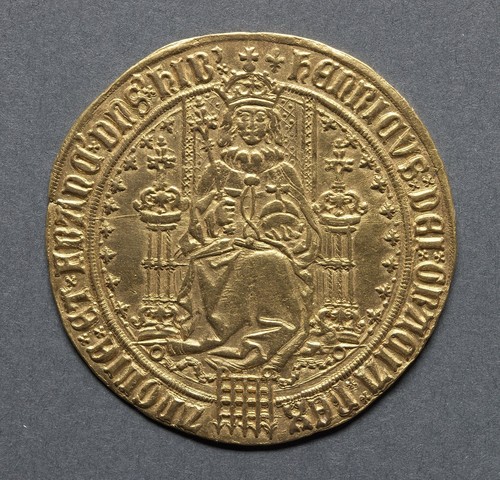
Henry VII Sovereign
The first English gold sovereign, struck under Henry VII, showing the crowned king enthroned in majesty on an elaborate Gothic throne.
Medieval Coins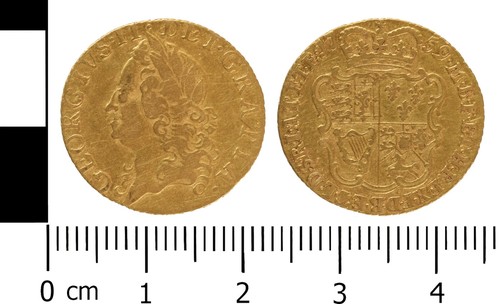
Half Guinea of George II
A small British gold coin of the reign of George II, worth half a guinea, with the king's left-facing bust and a crowned heraldic shield reverse.
Milled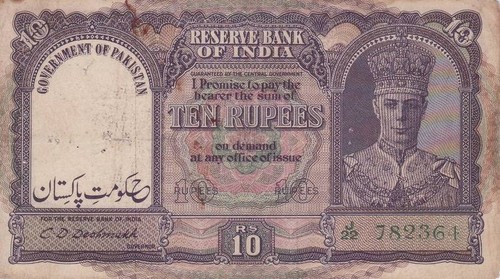
India 10 Rupees
A silver-era Indian coin carrying the profile of King George VI, struck during the final years of British India and the transition to the Republic.
Circulation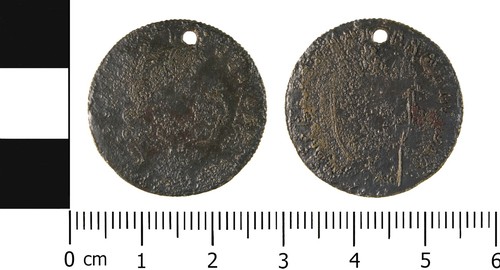
Imitation Guinea Gaming Piece
A brass or bronze token imitating a George III spade guinea, made for card games and gaming tables rather than as legal-tender money.
British Isles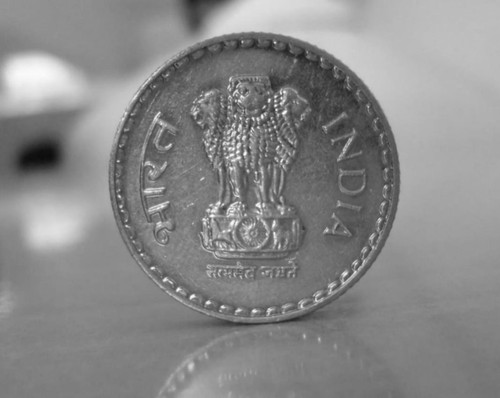
India One Rupee (Cupronickel)
A 1947 British India one rupee in cupro-nickel, its obverse bearing King George VI's crowned bust and its reverse a striding lion above ONE RUPEE INDIA.
Modern India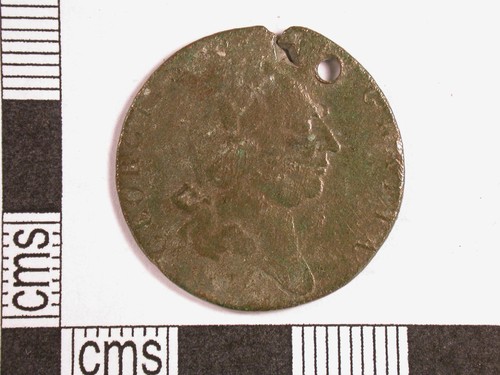
Guinea Counter (Imitation)
A brass or bronze gaming counter made to imitate a George III guinea, showing a faint male profile and a shield reverse; a token, not money.
Token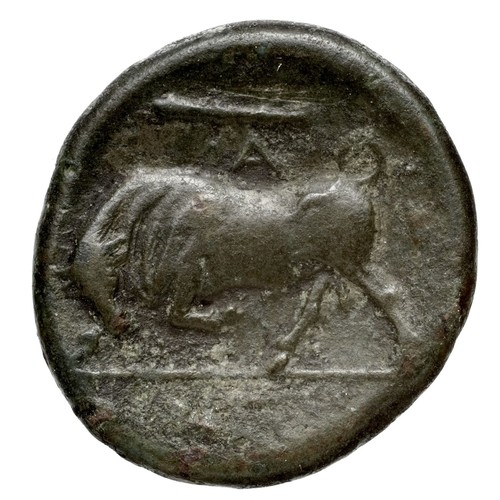
Syracuse Bronze Coin of Hiero II
Ancient Greek bronze of Syracuse struck under King Hieron II, c. 275-215 BC, bearing a Hellenistic profile head; a very common Sicilian city bronze.
Ancient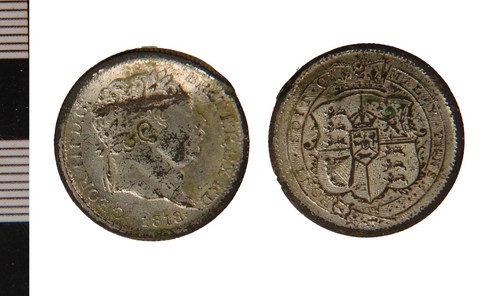
British Bank Token
Copper token of the late George III period bearing the king's left-facing bust and a quartered royal-arms reverse, dated 1819.
British Isles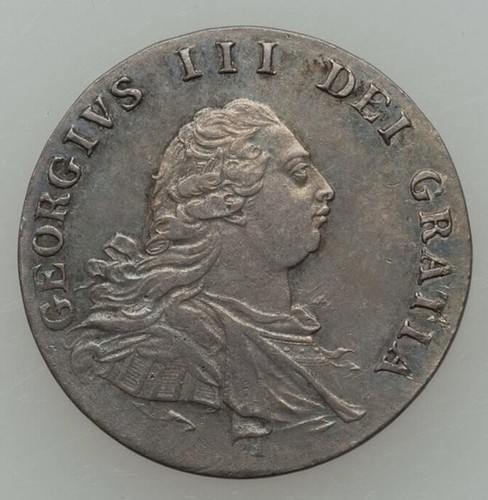
British Groat
A small George III silver fourpence of 1792, the British groat: laureate king's profile obverse, crowned shield and value reverse.
Circulation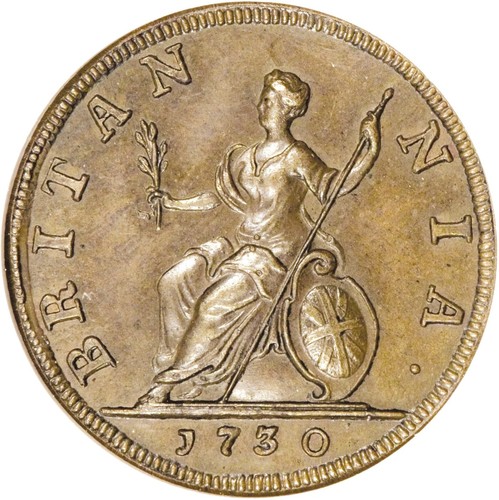
British Farthing
Small copper farthing of King George II, with his laureate bust facing left and a seated Britannia on the reverse; struck in the 1730s.
British Isles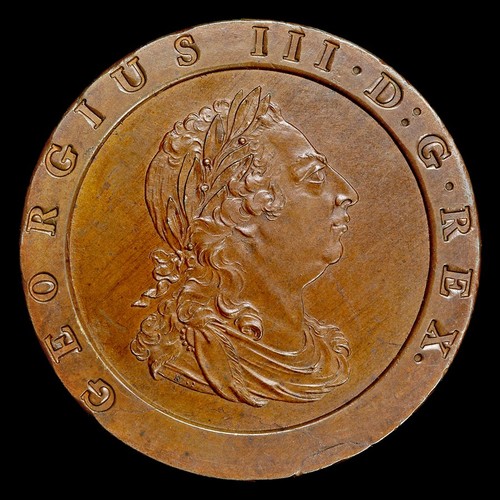
Cartwheel Twopence
The massive 1797 copper twopence of George III, famous for its broad raised rim and full ounce of copper, struck at Boulton's Soho Mint.
Milled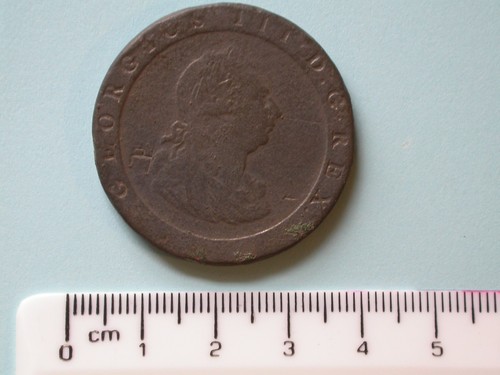
Cartwheel Penny
The heavy 1797 copper penny of George III, with a broad raised rim and sunken lettering, struck by steam power at Matthew Boulton's Soho Mint.
Milled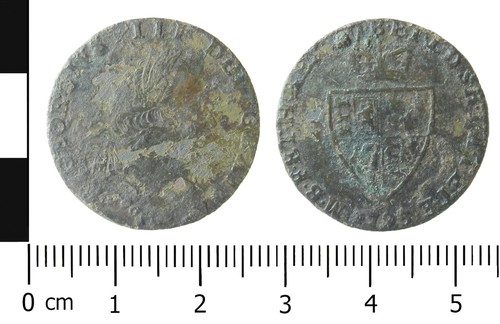
Counterfeit Guinea
A base-metal (copper or brass) imitation of a George III gold guinea, struck or cast to deceive, showing a right-facing bust and a heraldic shield reverse.
Counterfeit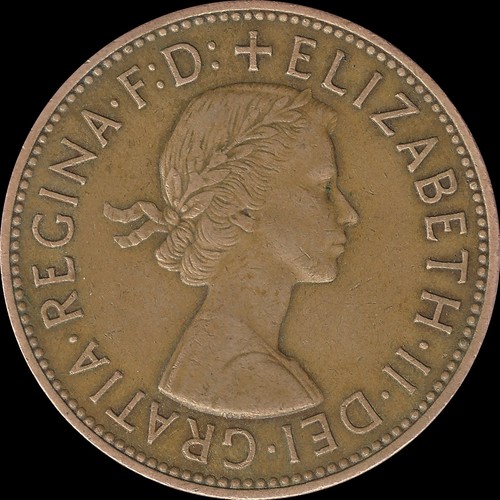
British Penny
Large bronze pre-decimal British penny showing King George VI in profile, struck for circulation in the 1930s through early 1950s.
World Coins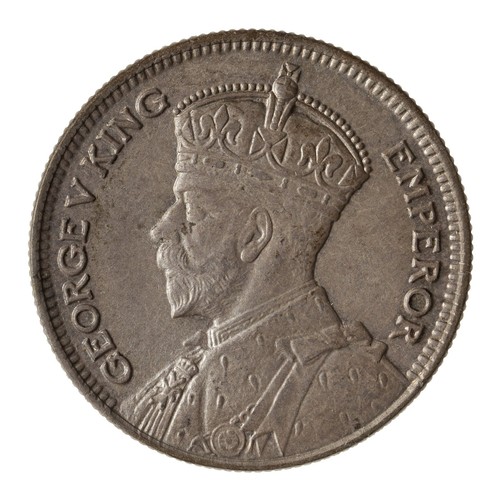
New Zealand Sixpence
New Zealand's small silver sixpence, famed for its native-bird reverse. This 1934 example shows King George V and the bird design with NEW ZEALAND SIXPENCE.
New Zealand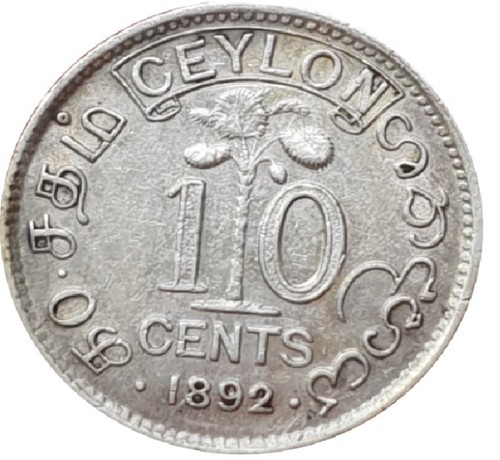
Ceylon 10 Cents (Cupronickel)
A wartime 1944 British Ceylon ten-cent piece in cupronickel, its obverse bearing the uniformed left-facing bust of King George VI and the legend GEORGE VI KING.
South Asia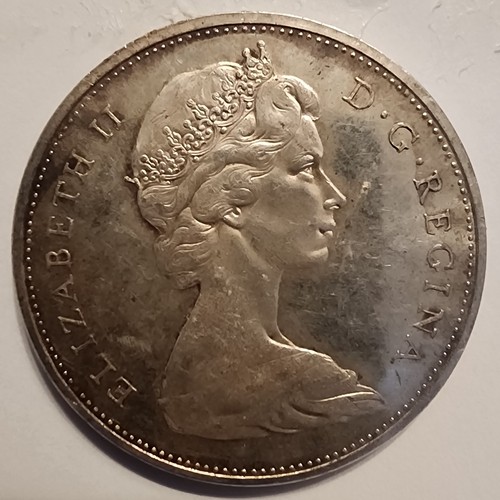
Voyageur Dollar
Canada's first circulating silver dollar, struck in 1935 for King George V's Silver Jubilee, showing a voyageur and guide paddling a canoe.
World Coins