Counterfeit Guinea
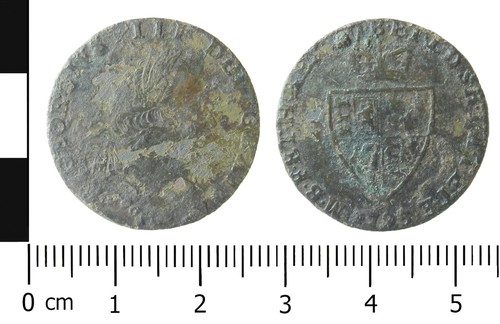
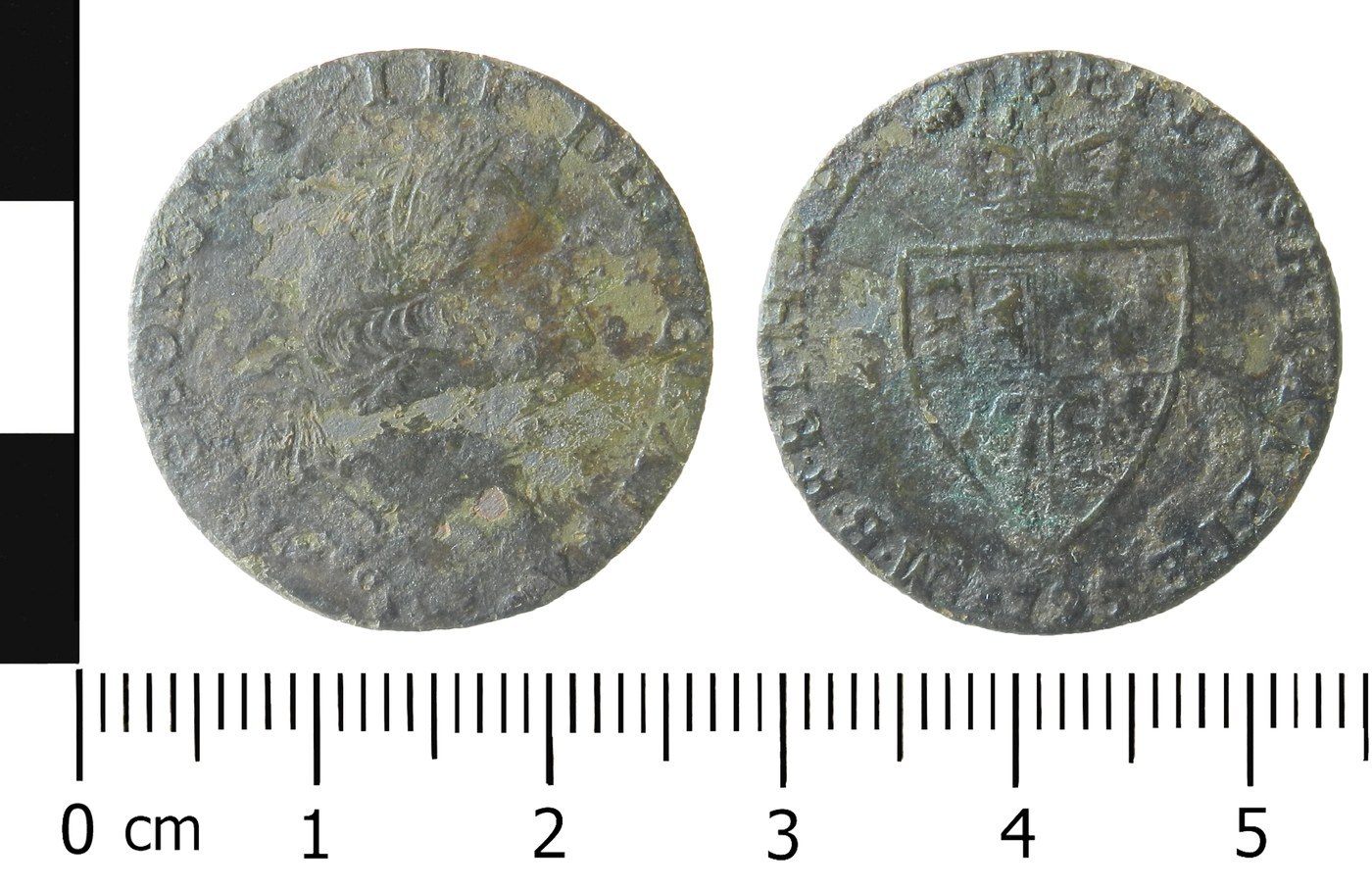
A base-metal (copper or brass) imitation of a George III gold guinea, struck or cast to deceive, showing a right-facing bust and a heraldic shield reverse.
- Country
- United Kingdom
- Denomination
- Guinea
- Metal
- Copper/brass
Got a coin like this?
Identify any coin from a photo, free.
Overview
This is a counterfeit of a British guinea, made in copper or brass rather than the gold of the genuine coin. The photographed piece copies the layout of a George III guinea: a male bust facing right on the obverse and a heraldic shield with inscriptions on the reverse. Because it is struck or cast in base metal, it is a forgery of the gold denomination rather than an official coin, and it should be described as a counterfeit rather than attributed as a genuine guinea.
Genuine guineas were high-value gold coins, so imitations in cheaper metals were produced to pass as gold in circulation. Many surviving base-metal guineas were originally gilded or lacquered to mimic the colour of gold; that surface has often worn away, exposing the yellow-brown of brass or the reddish tone of copper underneath. The result is a coin that looks broadly like a guinea in design but is unmistakably the wrong metal.
Such pieces are collected today as historical forgeries in their own right. They are not rare precious-metal coins, and their interest lies in what they reveal about counterfeiting during the reign of George III rather than in any bullion value.
History & Background
The guinea was Britain's principal gold coin from the later 17th century until the early 19th century, and during the long reign of George III (1760-1820) it was a high-value piece worth around twenty-one shillings. Because a single guinea represented a large sum, it was an obvious target for counterfeiters, who could profit by producing convincing imitations in base metal and passing them at face value.
Contemporary counterfeit guineas were made by casting or striking copper, brass, or other cheap alloys and then gilding the surface so the coin would look like gold at a glance. Coining and uttering false money were serious crimes in this period, but the reward was high enough that forgeries circulated alongside genuine coins. Some base-metal pieces of guinea design were also produced later as gaming counters, toys, or novelty tokens rather than as fraudulent coins, so not every brass 'guinea' was intended to deceive.
The genuine George III guinea itself went through several portrait and shield designs over the reign. A counterfeit typically imitates one of these types, so its style follows the real coinage even though its fabric, metal, and detail betray it as an imitation.
How to Identify
The obverse copies a right-facing male bust in the manner of the George III gold guinea, and the reverse shows a crowned or garnished heraldic shield with surrounding inscriptions. In design terms it follows the genuine coin, which is exactly why it could be passed as gold; the giveaway is not the design but the material.
The decisive test is the metal. A genuine guinea is struck in gold and has the colour, weight, and ring of a gold coin, whereas this piece is copper or brass. Where any gilding has worn or chipped, the base metal shows through as reddish copper or yellow-brown brass, and the coin will typically feel lighter than a real gold guinea of the same size. Edges, high points, and worn areas are the best places to see the underlying metal.
Other signs of a base-metal counterfeit include soft or slightly blurred detail from casting, casting seams or file marks on the edge, small bubbles or pitting in the surface, and lettering or portrait style that does not quite match genuine dies. Because the coin imitates a real design, confident identification rests on judging the metal, weight, and quality of manufacture together rather than the design alone.
Value & Collectibility
A counterfeit guinea has no gold bullion value; it is base metal made to look like gold. Its worth is that of a historical forgery or novelty piece, which is generally modest and driven by collector interest in contemporary counterfeits rather than by precious-metal content. It should never be valued as a genuine gold guinea.
Within the counterfeit and token market, value depends on the type imitated, the quality of the workmanship, how much original gilding survives, and overall condition. A well-made contemporary forgery with clear detail can hold more interest for specialists than a crude or heavily worn example, but figures are typically small compared with genuine guineas.
Because the whole point of the piece is to resemble a gold coin, anyone unsure whether a 'guinea' is genuine gold or a base-metal fake should have it weighed, measured, and examined by a dealer or specialist. Treat any value as broad context and rely on the assessment of comparable counterfeit or token pieces, not on prices realised by real gold guineas.
Frequently asked questions
Is this a real gold guinea?
No. It is a counterfeit made in copper or brass to imitate a George III gold guinea. It copies the bust and shield design of the real coin but is base metal, sometimes gilded, and has no gold content.
Why was it made in copper or brass?
Guineas were valuable gold coins, so forgers made cheap base-metal copies and gilded them to pass as gold at face value. Some similar brass pieces were also made as gaming counters or novelties rather than to deceive.
How can I tell it from a genuine guinea?
Check the metal and weight. A genuine guinea is gold, with gold's colour and heft; a counterfeit is lighter and shows reddish copper or yellow-brown brass where any gilding has worn away.
Is a counterfeit guinea worth anything?
It has no bullion value but can have modest interest as a historical forgery or token. Value depends on the type copied, workmanship, surviving gilding, and condition, and is generally small compared with a real guinea.
Could it be a gaming counter instead of a forgery?
Possibly. Base-metal pieces of guinea design were also produced as gaming counters and novelties. Wording that differs from real coin legends, or an obviously non-coin fabric, can indicate a counter rather than a coin meant to deceive.
Counterfeit Guinea guides
In-depth guides for identifying, valuing, and collecting Counterfeit Guinea.