
British Penny
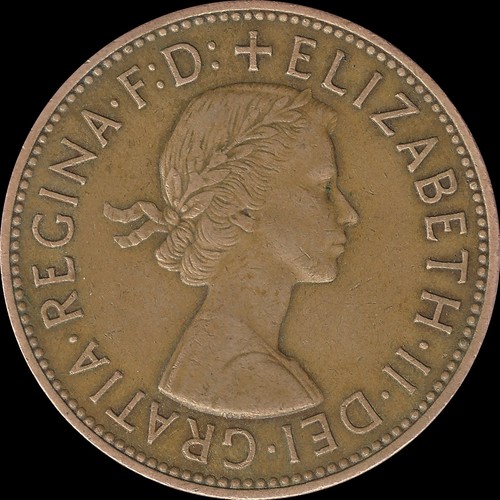
Large bronze pre-decimal British penny showing King George VI in profile, struck for circulation in the 1930s through early 1950s.
- Country
- United Kingdom
- Denomination
- 1 Penny
- Metal
- Bronze
Got a coin like this?
Identify any coin from a photo, free.
Overview
The British Penny is a large bronze coin of the United Kingdom, and the example shown carries the left-facing profile of King George VI on the obverse with the Latin legend naming him as king. It is a pre-decimal penny, worth one twelfth of a shilling and one 240th of a pound in the old currency system used before decimalization in 1971.
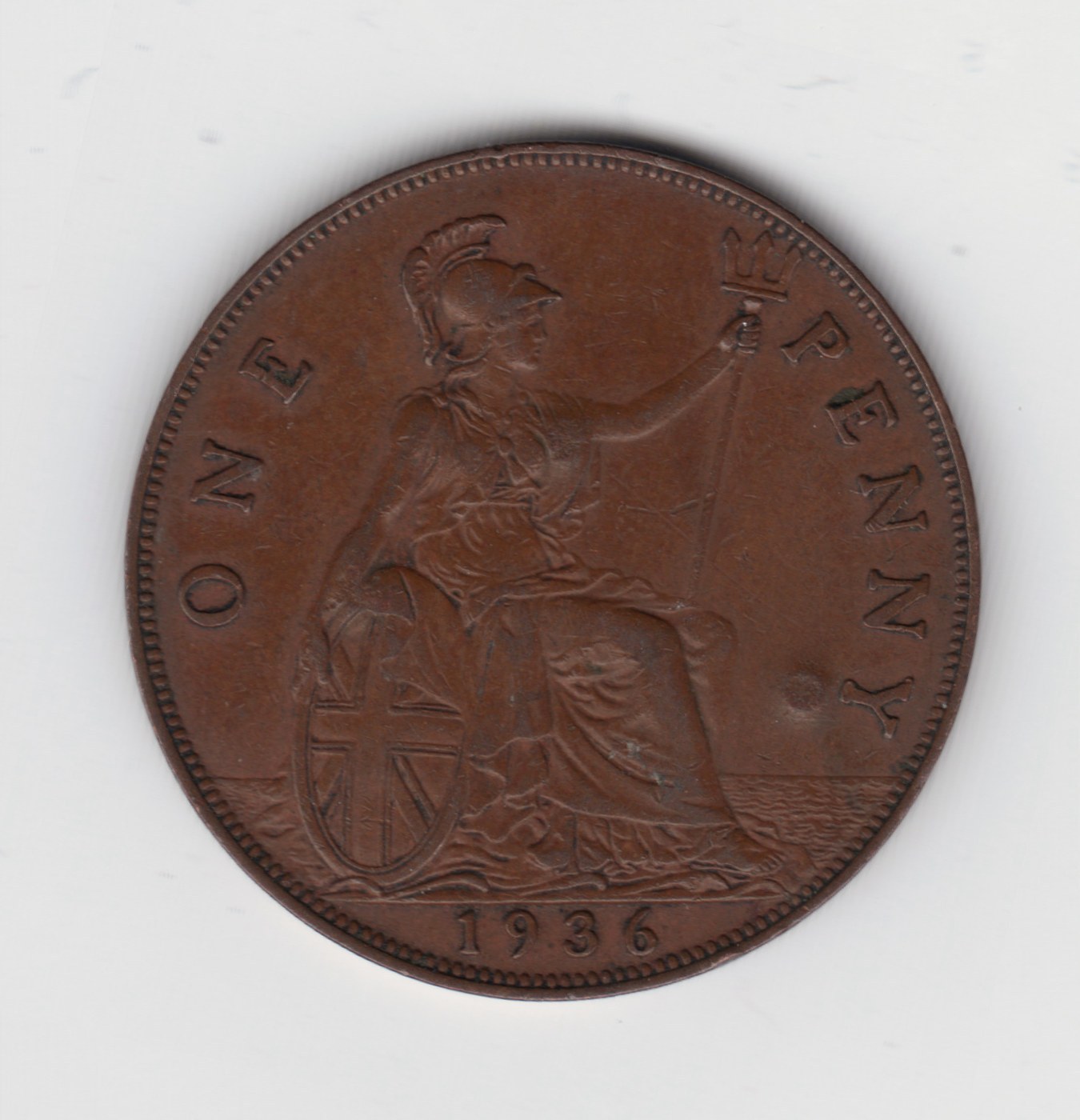
The penny is one of the most familiar British coins of the 20th century, a broad, heavy piece that circulated in enormous numbers. On George VI examples the reverse (not visible in this image) carries the traditional seated figure of Britannia. Because so many were made and they saw hard use, worn examples are common and inexpensive, while sharp, high-grade coins are collected by date and variety.
History & Background
George VI reigned from 1936 to 1952, and pennies bearing his portrait were struck from 1937 onward at the Royal Mint. His obverse portrait, by Thomas Humphrey Paget, faces left, following the tradition that each new monarch faces the opposite direction from the last. The obverse legend abbreviates his royal titles in Latin, and the wording changed during the reign.
Early George VI pennies (1937-1948) include "IND:IMP" for Emperor of India in the legend. After India's independence, coins from 1949 onward dropped that title, so the legend reads simply as king and defender of the faith, matching the shorter "F.I.D" style of titles seen here. Pennies were not struck for general circulation every year of the reign, and some dates are notably scarcer than others. The coin continued the long pre-decimal penny tradition that ended when the United Kingdom decimalized its currency in 1971.
How to Identify
Look for a large, thick bronze coin about 30-31 mm in diameter and roughly 9.4 grams, with a warm brown color when worn. The obverse shows the bare head of George VI facing left, encircled by an abbreviated Latin legend such as "GEORGIVS VI D:G:BR:OMN:REX F:D" (with or without "IND:IMP" depending on the year). The observed legend fragment "D.G.BR.OMN.I REX F.I.D" reflects these standard titles.
The reverse, though not shown here, carries the seated figure of Britannia holding a trident and shield, with the word ONE PENNY and the date. To confirm a George VI penny, match the left-facing male portrait and the king's name in the legend, and read the date, which for this reign falls between 1937 and 1952. The size and bronze composition distinguish it from the smaller silver and cupro-nickel coins of the same period.
Value & Collectibility
British pennies of this era were produced in very large numbers, so ordinary worn examples are among the most affordable of all collectible British coins and are usually valued at only modest sums. Value rises with grade: coins retaining sharp detail, original luster, or full mint red bronze surfaces are worth clear premiums over well-circulated pieces.
Certain dates and varieties carry significant collector interest, so the year and any die differences matter more than the coin's face value. A handful of George VI penny dates are scarce in high grade, and standout rarities in the broader penny series can be very valuable, but the typical circulated example is common. Treat any figure as approximate and check the specific date and condition against recent sales before buying or selling.
Frequently asked questions
Who is on this penny?
The profile is King George VI, who reigned from 1936 to 1952. His portrait faces left and his Latin titles run around the edge of the obverse.
Is it made of real bronze?
Yes. The pre-decimal penny of this period is a bronze coin, an alloy of copper with small amounts of tin and zinc, which gives it a warm brown tone as it wears.
How much was a penny worth?
In the old pre-decimal system a penny was one twelfth of a shilling and one 240th of a pound. It was withdrawn when Britain decimalized its currency in 1971.
Why do some George VI pennies say IND IMP and others do not?
Pennies dated 1937 to 1948 include IND:IMP for Emperor of India. After India's independence, coins from 1949 onward dropped that title, shortening the legend.
Is my old penny valuable?
Most worn George VI pennies are common and worth only a small amount. Value depends heavily on the exact date and condition, so sharp, high-grade coins and scarce dates are worth more.
British Penny guides
In-depth guides for identifying, valuing, and collecting British Penny.
British Penny identified by the community
Real coins identified with Coin Identifier.
Other coins you may enjoy
8 Reales (Portrait/Bust Type)
1759-1788
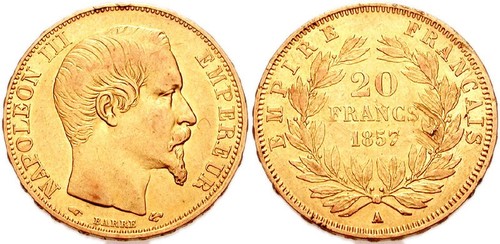
Napoleon III 20 Francs
1852-1870
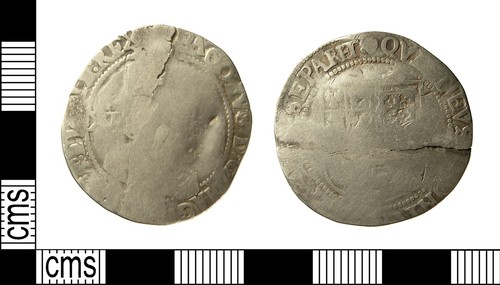
Shilling of James I
1603-1625
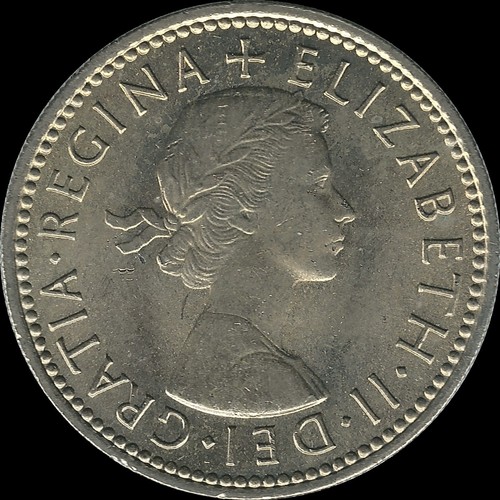
British Shilling
1837-1901 (Victoria); example dated 1887
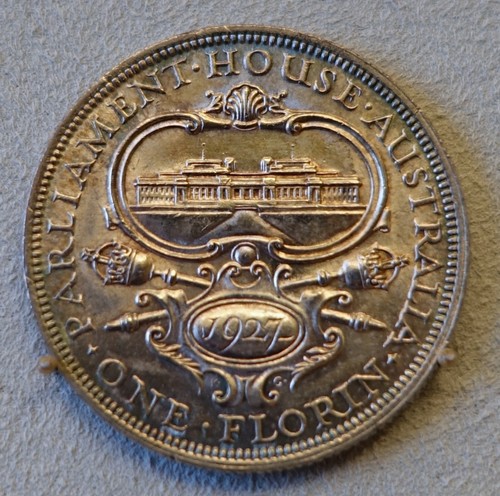
Australian Florin
1910-1963
British Double Florin
1887-1890
Gold Guinea
1663-1813
Half Sovereign
1817-1937
Mexican 1 Peso
1910-1914
Japanese 5 Yen
Meiji era (example dated Meiji 30 / 1897)
Japanese 20 Yen
1870 (Meiji 3)
Australian Penny
1911-1964