
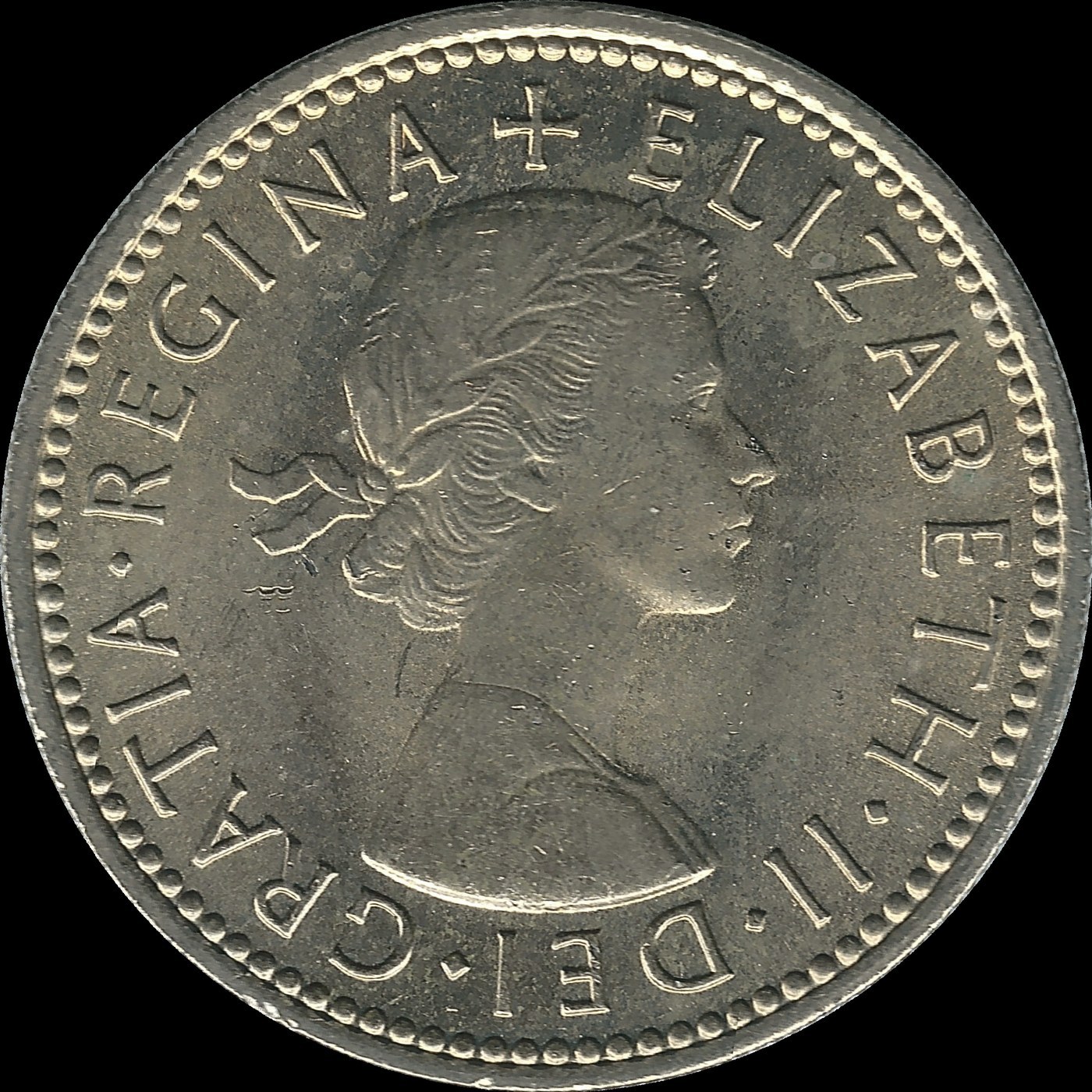
British Shilling
Small Victorian silver shilling showing Queen Victoria's crowned, veiled Jubilee portrait and a crowned heraldic shield reverse.
- Country
- United Kingdom
- Denomination
- 1 Shilling
- Metal
- Silver
Got a coin like this?
Identify any coin from a photo, free.
Overview
The British Shilling is a small silver coin of the United Kingdom, and the example shown carries the left-facing "Jubilee Head" portrait of Queen Victoria, wearing an ornate veil and a small crown, on the obverse. The reverse displays a crowned heraldic shield with the lions and crosses of the royal arms, and the coin is dated 1887.
Worth twelve pence, or one twentieth of a pound, the shilling was one of the workhorse denominations of British coinage. The 1887 date marks the first year of the Jubilee coinage, issued for Queen Victoria's Golden Jubilee, making this a widely collected and readily recognizable type of Victorian silver.
History & Background
Queen Victoria reigned from 1837 to 1901, and her long coinage passed through several distinct portrait styles. The "Young Head" appeared for the first half of the reign; in 1887 the "Jubilee Head" was introduced, showing the aging queen veiled and wearing a small imperial crown, to mark her Golden Jubilee. This Jubilee portrait was used on the shilling from 1887 until it was replaced by the "Old" or "Veiled Head" coinage in 1893.
The shilling itself was a long-established English and British denomination, valued at twelve pence within the pre-decimal system of pounds, shillings, and pence. Struck at the Royal Mint, the coin circulated heavily until decimalization in 1971, when the shilling was superseded by the five-new-pence piece.
How to Identify
Look for a small silver coin roughly 23-24 mm across bearing a left-facing bust of Queen Victoria in a veil and small crown, with a Latin legend around the rim naming her as queen. The reverse shows a crowned heraldic shield containing the lions and crosses of the royal arms, framed by a wreath, with the denomination and date present.
The Jubilee-type shilling was struck in sterling (.925) silver, so genuine pieces have a bright silver appearance and ring rather than a dull base-metal tone. The 1887 date sits at the start of the Jubilee coinage; wear typically shows first on the queen's cheek, the crown, and the high points of the shield.
Value & Collectibility
As a circulating denomination struck in large numbers, the Victorian silver shilling survives in quantity, so most value comes from condition, date, and eye appeal rather than outright rarity. Well-worn 1887 Jubilee shillings are among the more affordable collectible Victorian silver coins, valued modestly above their silver content, while sharply struck, lightly worn examples command clear premiums.
Certain dates and varieties within the broader shilling series are scarcer and worth more, and any coin's grade heavily affects price. Because the coin contains sterling silver, worn common examples also carry a bullion floor. Treat any single figure as approximate and check recent sales for the specific date and grade.
Frequently asked questions
Who is on this shilling?
It is Queen Victoria, shown in her "Jubilee Head" portrait wearing a veil and small crown. This portrait was introduced in 1887 to mark her Golden Jubilee.
What is a shilling worth in old money?
A shilling was twelve pence, or one twentieth of a pound, in the pre-decimal system. It circulated until decimalization in 1971, when it was replaced by the five-pence coin.
Is it real silver?
Yes. Victorian shillings of this era were struck in sterling (.925) silver, so a genuine example has a bright silver look and gives the coin a modest bullion value on top of collector demand.
Why does the reverse show a shield with lions?
The crowned shield bears the heraldic royal arms, whose lions and crosses represent the kingdoms of the realm. This shield reverse is characteristic of the Jubilee-era shilling.
Is an 1887 shilling rare?
No. The 1887 Jubilee shilling was struck in large numbers and is common, though value still rises steeply with condition. Sharp, lightly worn examples are worth well above worn ones.
British Shilling guides
In-depth guides for identifying, valuing, and collecting British Shilling.
British Shilling identified by the community
Real coins identified with Coin Identifier.
Other coins you may enjoy
8 Reales (Portrait/Bust Type)
1759-1788
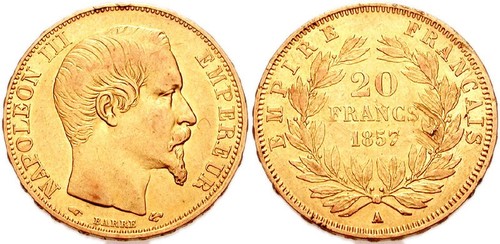
Napoleon III 20 Francs
1852-1870
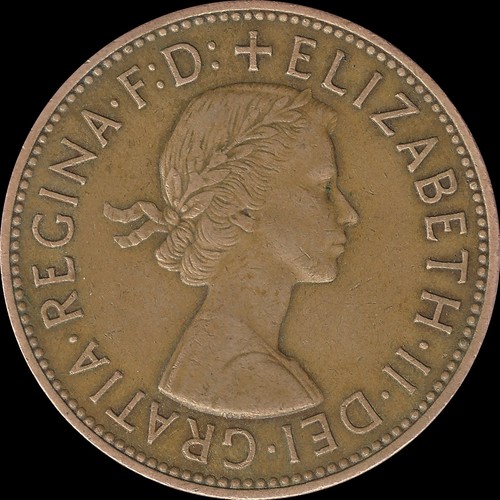
British Penny
1937-1952
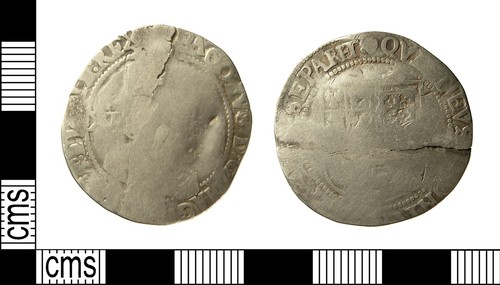
Shilling of James I
1603-1625
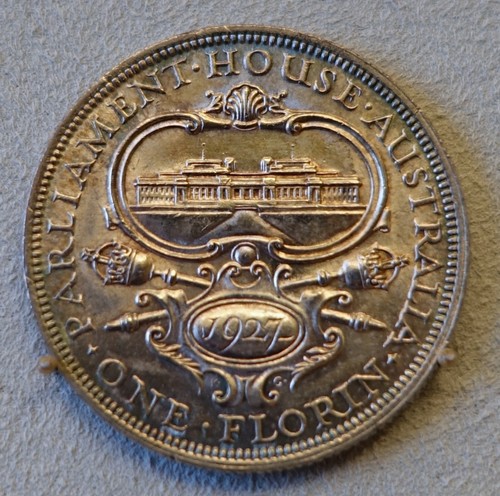
Australian Florin
1910-1963
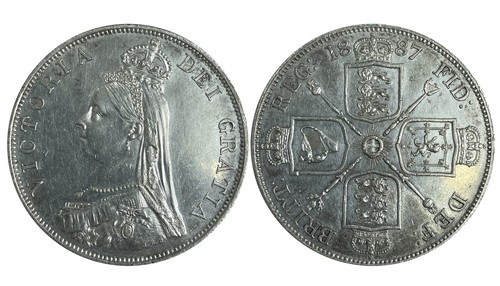
British Double Florin
1887-1890
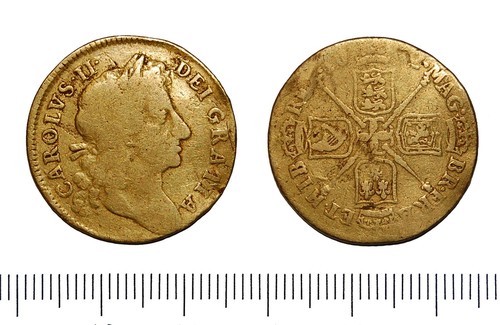
Gold Guinea
1663-1813
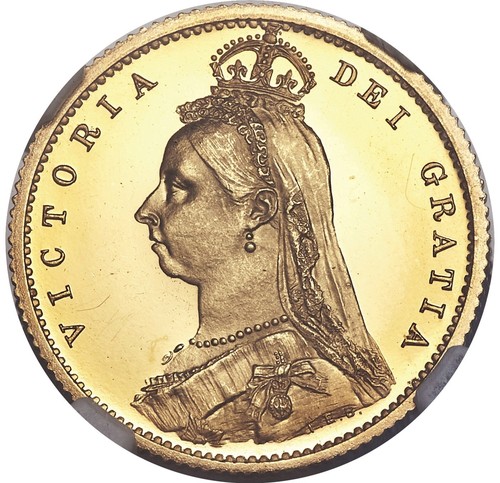
Half Sovereign
1817-1937
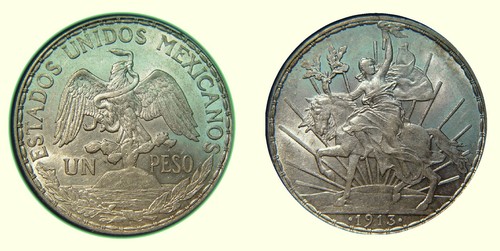
Mexican 1 Peso
1910-1914
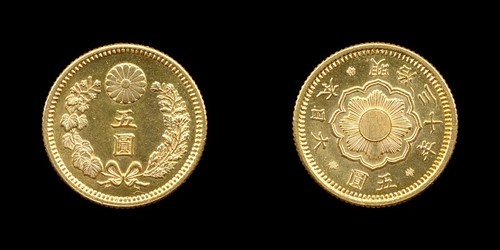
Japanese 5 Yen
Meiji era (example dated Meiji 30 / 1897)
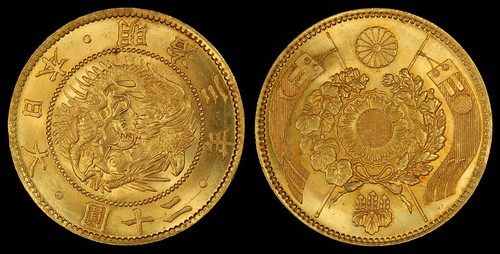
Japanese 20 Yen
1870 (Meiji 3)
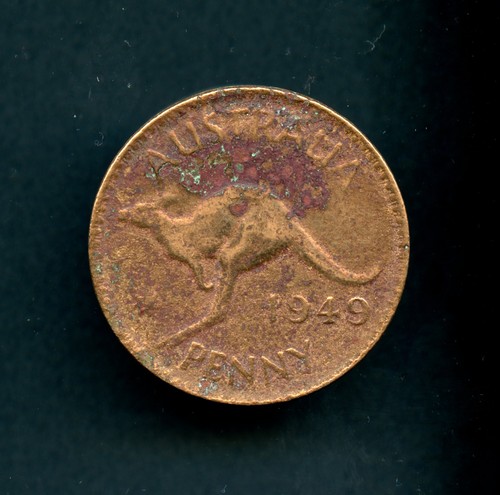
Australian Penny
1911-1964