
8 Reales (Portrait/Bust Type)
Large silver Spanish Empire dollar showing the bust of King Carlos III and a crowned coat of arms with lions and castles.
- Country
- Spanish Empire
- Denomination
- 8 Reales
- Metal
- Silver
Got a coin like this?
Identify any coin from a photo, free.
Overview
The 8 Reales (Portrait or Bust Type) is a large silver coin of the Spanish Empire, and the example shown carries the left-facing bust of King Carlos III on the obverse with the crowned Spanish coat of arms bearing lions and castles on the reverse. Introduced in 1772, the portrait design replaced the earlier pillar ("columnario") type and became the standard face of the world's most widely traded silver coin.
Often called the "Spanish dollar" or "piece of eight," the 8 Reales circulated across the Americas, Europe, and Asia and served as the model for the modern U.S. dollar. It was struck in enormous quantities at colonial mints, and surviving coins remain one of the most recognizable and collectible pieces of early modern world coinage.
History & Background
Carlos III reigned over Spain and its empire from 1759 to 1788, and in 1772 a reform introduced the modernized portrait 8 Reales bearing the monarch's bust in place of the crowned pillars-and-globes motif of the earlier milled type. The obverse legend names the king, while the reverse retains the crowned arms of Castile and Leon flanked by the Pillars of Hercules and their "PLVS VLTRA" motto.
The coin was minted chiefly at Spanish colonial mints in the Americas, most prominently Mexico City, Potosi (in present-day Bolivia), Lima, and Santiago, using silver from the vast New World mines. Its dependable weight and fineness made it the dominant international trade coin of the 18th century, accepted from the Caribbean to China, and it remained legal tender in the United States into the 19th century.
How to Identify
Look for a large, heavy silver coin roughly 38-40 mm across with a draped, armored bust of a king facing left and a Latin legend running around the rim naming Carlos III. The reverse shows the crowned Spanish coat of arms quartered with castles and lions, framed by the two crowned Pillars of Hercules with draped banners.
Genuine examples carry a mint mark and assayer initials in the legends, along with a denomination mark of "8" and a date within the Carlos III range of 1759-1788 (portrait type from 1772). The edge is decorated rather than plain, and the metal should ring as high-grade silver. Wear typically shows first on the king's cheek and hair and on the crown atop the shield.
Value & Collectibility
As a widely minted trade coin, the portrait 8 Reales survives in large numbers, so value is driven mainly by condition, mint, date, and eye appeal rather than rarity alone. Heavily worn but genuine circulated pieces are among the more affordable large silver world coins, while sharply struck, lightly worn examples command clear premiums, and problem-free high-grade coins can be worth substantially more.
Mint and assayer combinations matter: common Mexico City strikes are the most available, while scarcer mints, better dates, and coins with pleasing original surfaces or attractive toning bring higher prices. Because this type has long been heavily counterfeited and "chopmarked" trade examples exist, authentication and grade have a major effect on realized value. Treat any single figure as approximate and verify against recent sales.
Frequently asked questions
Is this the same as a "piece of eight"?
Yes. The 8 Reales is the coin popularly known as the Spanish dollar or piece of eight, worth eight reales and famous as the trade coin of the colonial era.
Who is on the coin?
The bust is King Carlos III of Spain, who reigned from 1759 to 1788. The portrait 8 Reales design was introduced in 1772 during his reign.
Is it made of real silver?
Yes. The 8 Reales was struck in high-grade silver and is a large, heavy coin about 38-40 mm across, which is why it was trusted as an international trade coin.
Where was it minted?
Most were struck at Spanish colonial mints in the Americas, especially Mexico City, plus Potosi, Lima, and Santiago. The mint mark appears in the coin's legends.
Why do some have small stamped symbols?
Those are chopmarks, applied by merchants in Asia to verify the silver. They show the coin actually circulated in trade and are collected in their own right.
8 Reales (Portrait/Bust Type) guides
In-depth guides for identifying, valuing, and collecting 8 Reales (Portrait/Bust Type).
Other coins you may enjoy
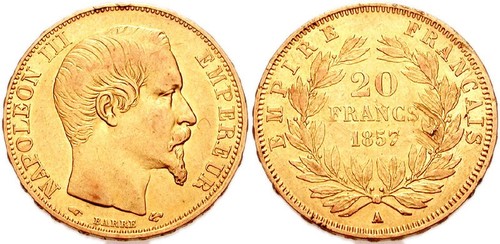
Napoleon III 20 Francs
1852-1870
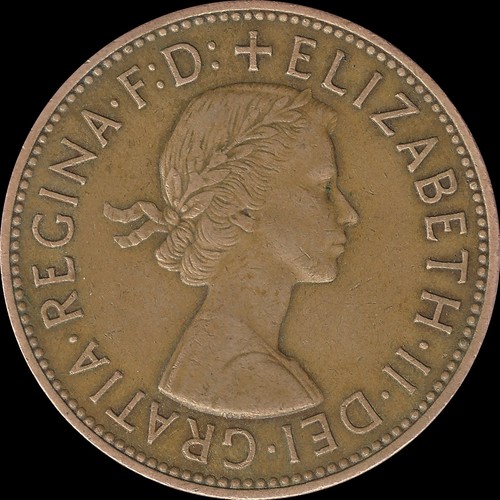
British Penny
1937-1952
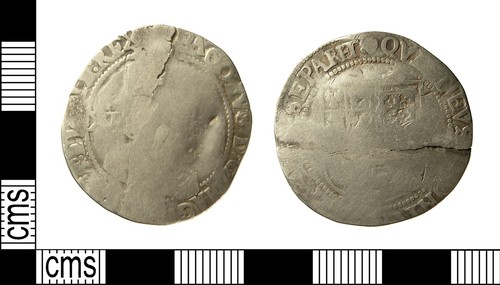
Shilling of James I
1603-1625
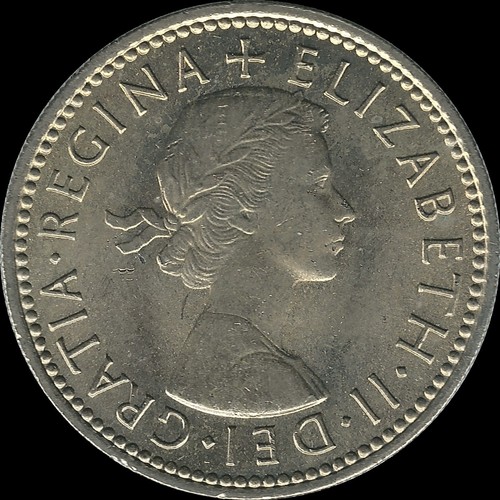
British Shilling
1837-1901 (Victoria); example dated 1887
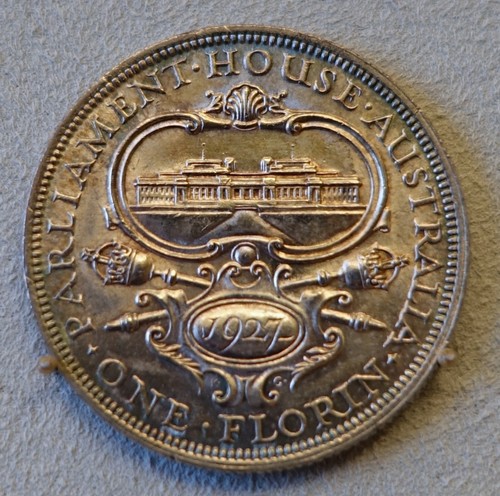
Australian Florin
1910-1963
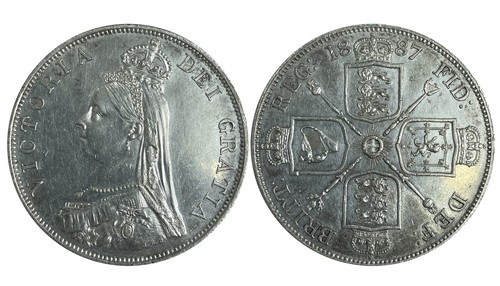
British Double Florin
1887-1890
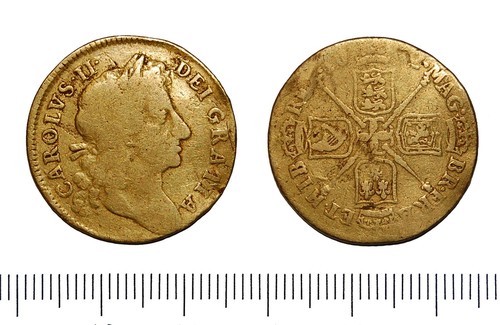
Gold Guinea
1663-1813
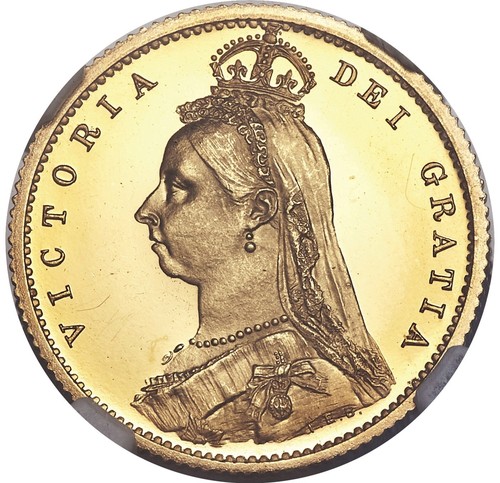
Half Sovereign
1817-1937
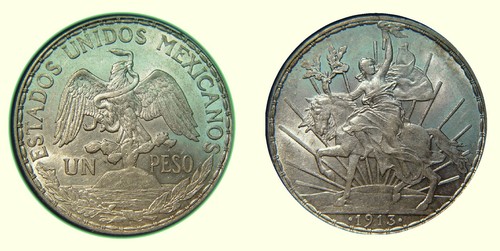
Mexican 1 Peso
1910-1914
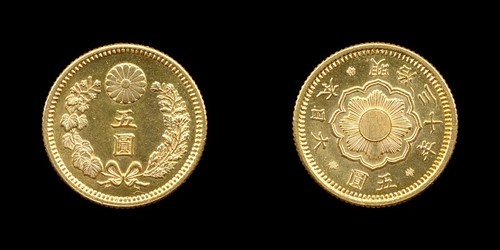
Japanese 5 Yen
Meiji era (example dated Meiji 30 / 1897)
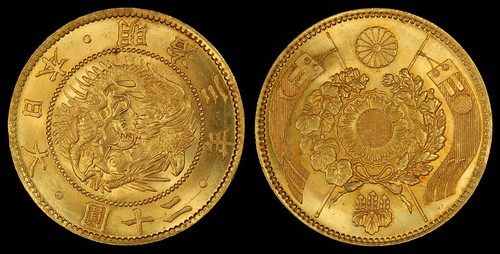
Japanese 20 Yen
1870 (Meiji 3)
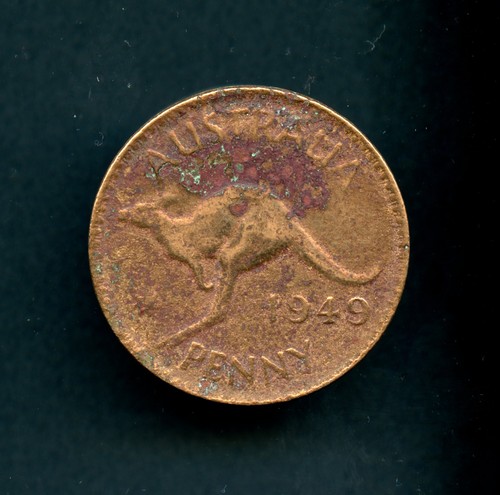
Australian Penny
1911-1964