
Napoleon III 20 Francs
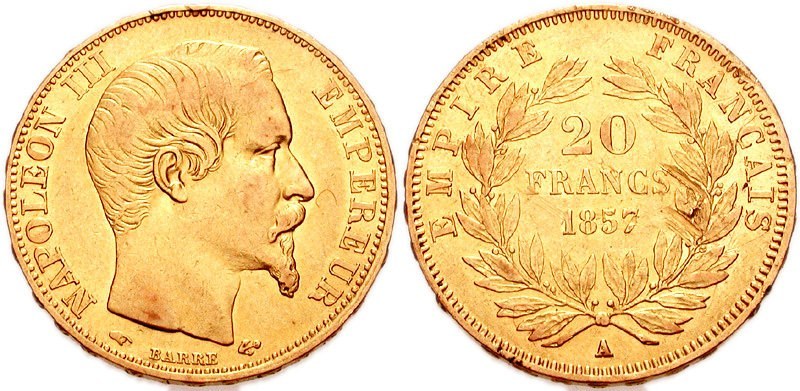
French gold 20 francs of Emperor Napoleon III, showing his bare head facing right and a wreathed value on the reverse; example dated 1857.
- Country
- France
- Denomination
- 20 Francs
- Metal
- Gold
Got a coin like this?
Identify any coin from a photo, free.
Overview
The Napoleon III 20 Francs is a small gold coin of the French Second Empire, and the example shown carries the bare head of Emperor Napoleon III facing right on the obverse, with the denomination "20 FRANCS" inside a wreath and the date on the reverse. This 1857-dated piece belongs to the earlier "bare head" (tete nue) portrait series.
Widely known simply as a "Napoleon," the 20 francs gold coin was a workhorse of 19th-century French and European commerce. It follows the long-running French gold standard established under the first Napoleon, containing a fixed amount of gold that made it a trusted store of value and a popular coin for both circulation and saving.
History & Background
Louis-Napoleon Bonaparte, nephew of Napoleon I, was elected president of the French Second Republic and then proclaimed himself Emperor Napoleon III in 1852, ruling until the collapse of the Second Empire in 1870. His 20 francs gold coinage was struck across this period and continued the standard gold denomination that had circulated in France since the Consulate.
The portrait evolved during the reign: earlier issues, including the 1857 coin shown, depict the emperor with a bare head, while later issues from the 1860s show him wearing a laurel wreath. The reverse changed as well, with the plain wreathed-value design of the early years giving way to a design bearing the imperial arms on some later dates. The coin conformed to the Latin Monetary Union weight standard shared by several European nations, making the French 20 francs interchangeable with equivalent gold pieces from Italy, Belgium, Switzerland, and elsewhere.
How to Identify
Look for a small gold coin about 21 mm in diameter with a bare-headed portrait of Napoleon III facing right and a surrounding legend naming him as emperor. The example shown reads with the "tete nue" (bare head) bust rather than a laurel wreath, which helps place it in the earlier part of the reign.
The reverse displays the denomination "20 FRANCS" within a wreath, with the date below and a small mint mark and privy marks near the rim. On this type the year 1857 appears on the reverse. The coin is struck in gold of about .900 fineness and weighs roughly 6.45 grams, with a reeded (or lettered) edge; genuine pieces show crisp detail and the warm color of high-purity gold.
Value & Collectibility
Because the 20 francs Napoleon was minted in very large numbers over many years, most common dates are valued primarily as gold bullion, trading close to the melt value of their gold content plus a modest collector premium. Ordinary circulated examples are among the most affordable and liquid classic gold coins in the world.
Premiums rise for scarcer dates and mint marks, for early bare-head issues in high grade, and for coins with strong original luster and minimal wear. Condition, specific year, and mint (Paris versus Strasbourg and other branches) all affect price, so a common well-worn coin and a rare high-grade date can differ widely. Because gold coins of this type have been counterfeited, values quoted for genuine, accurately graded pieces should be treated as approximate and checked against current gold prices and recent sales.
Frequently asked questions
How much gold is in a Napoleon III 20 francs?
The coin weighs about 6.45 grams of roughly .900 fine gold, giving close to 0.1867 troy ounces of pure gold. That fixed gold content is why it trades near bullion value.
Who is on the coin?
It is Napoleon III, emperor of the French Second Empire from 1852 to 1870 and nephew of Napoleon I. The 1857 example shows him bare-headed facing right.
What is the difference between the bare head and laurel wreath types?
Earlier issues, like this 1857 coin, show Napoleon III with a bare head. Later issues from the 1860s show him wearing a laurel wreath, and some also change the reverse design.
Is it the same as other European 20 franc gold coins?
It shares the same weight and fineness as 20 franc/lire/lei gold coins of the Latin Monetary Union, so French, Belgian, Swiss, and Italian pieces are interchangeable in gold content.
Is a common date rare or valuable?
Common dates are plentiful and trade mainly on gold value with a small premium. Rarity and higher prices come from scarce dates, mint marks, and coins in exceptional condition.
Napoleon III 20 Francs guides
In-depth guides for identifying, valuing, and collecting Napoleon III 20 Francs.
Other coins you may enjoy
8 Reales (Portrait/Bust Type)
1759-1788
British Penny
1937-1952
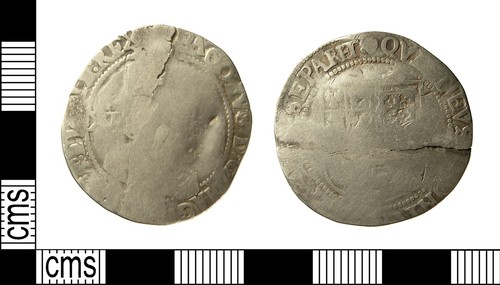
Shilling of James I
1603-1625
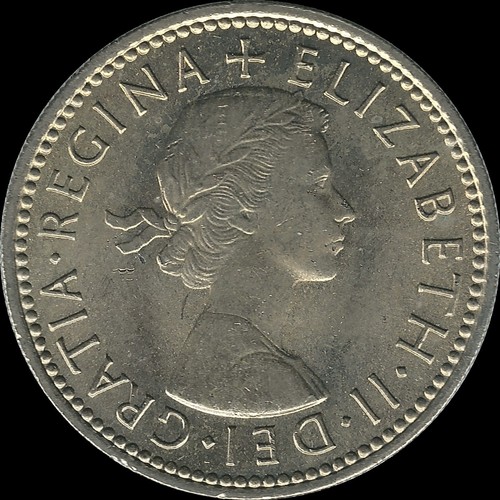
British Shilling
1837-1901 (Victoria); example dated 1887
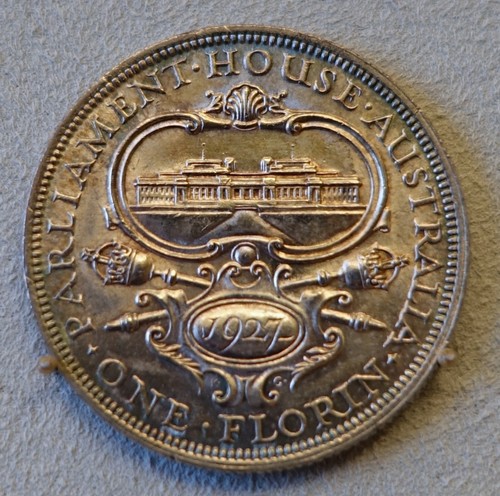
Australian Florin
1910-1963
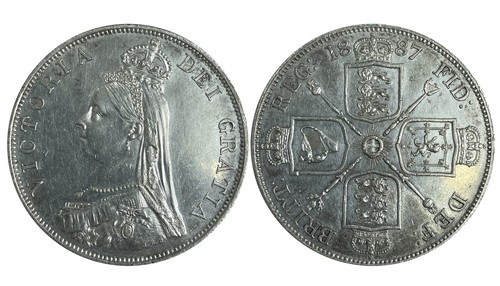
British Double Florin
1887-1890
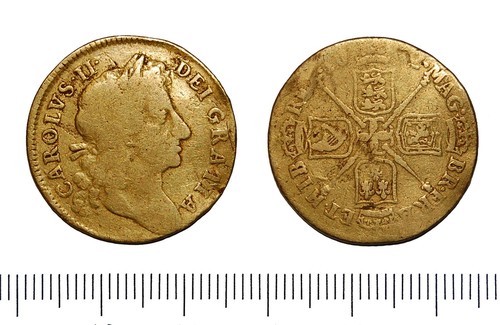
Gold Guinea
1663-1813
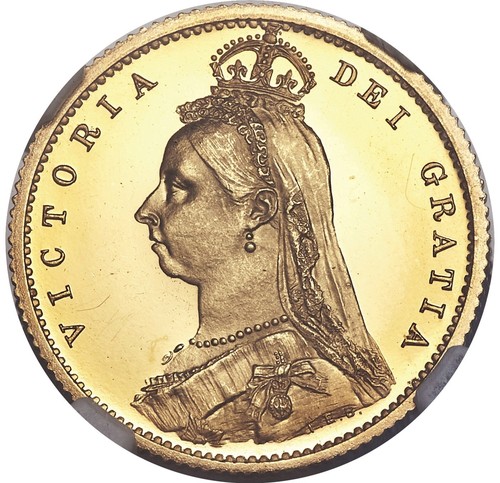
Half Sovereign
1817-1937
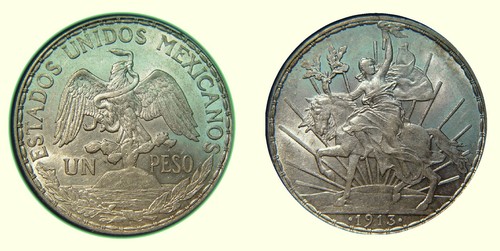
Mexican 1 Peso
1910-1914
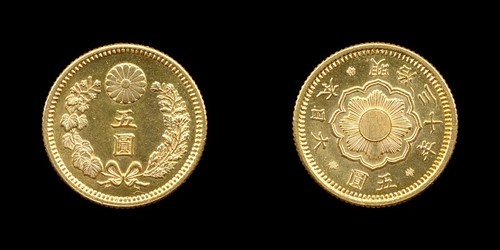
Japanese 5 Yen
Meiji era (example dated Meiji 30 / 1897)
Japanese 20 Yen
1870 (Meiji 3)
Australian Penny
1911-1964