
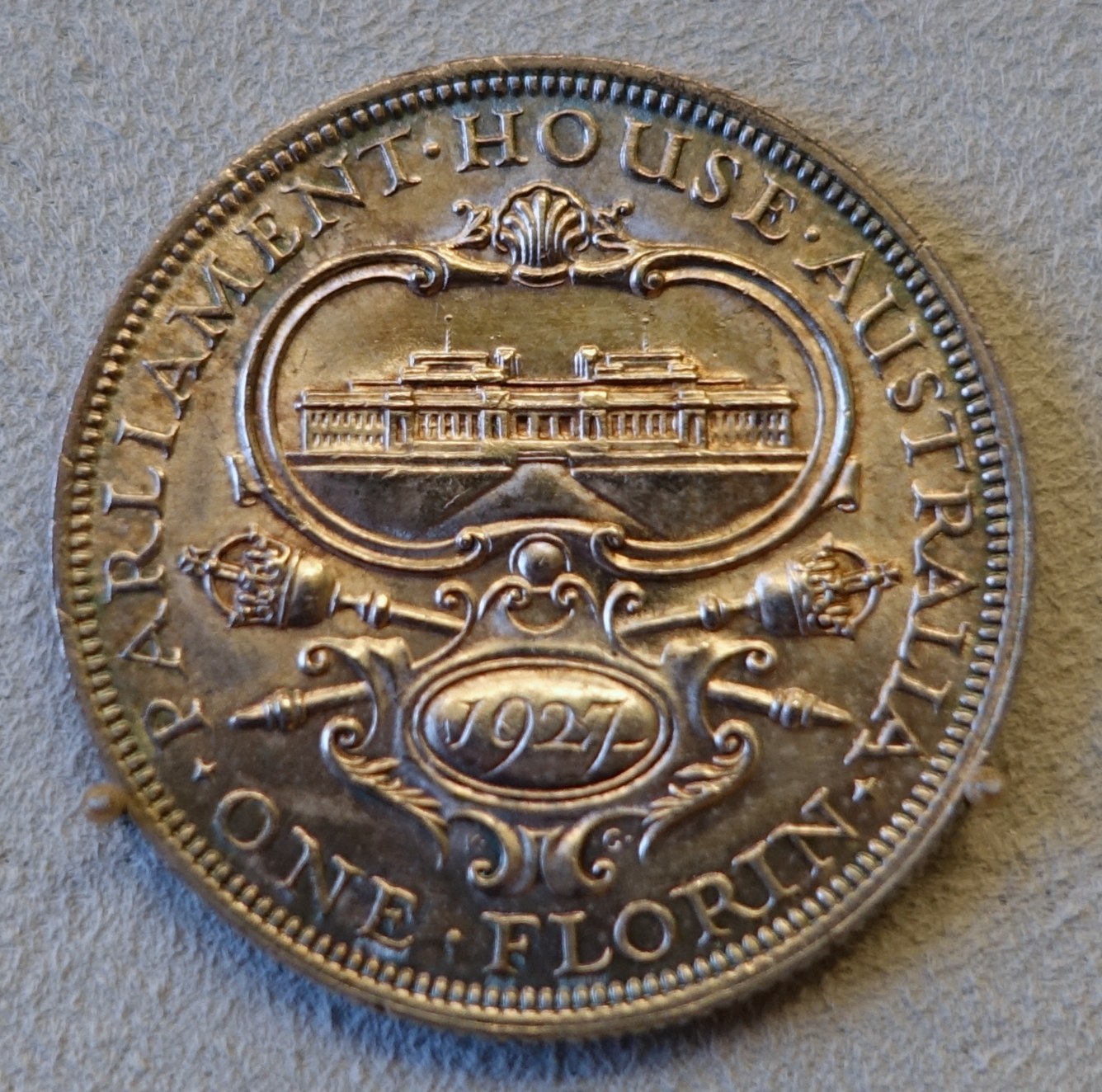
Australian Florin
Australia's pre-decimal silver two-shilling coin, showing the Commonwealth coat of arms with kangaroo and emu supporters and the reigning monarch.
- Country
- Australia
- Denomination
- Florin (2 Shillings)
- Metal
- Silver
Got a coin like this?
Identify any coin from a photo, free.
Overview
The Australian Florin is a large silver coin worth two shillings, the highest silver denomination of Australia's pre-decimal, pounds-shillings-pence system. The example shown displays the Commonwealth of Australia coat of arms with its central shield, six-pointed Commonwealth Star and crown, flanked by a kangaroo and an emu as supporters, and is dated 1946. The opposite face carries the portrait of the reigning British monarch, which for a 1946 coin is King George VI.
Often nicknamed the "two bob," the florin circulated widely as everyday money and is one of the most familiar coins of the Commonwealth era. It was struck in .925 sterling silver in its early decades and in a reduced .500 silver alloy from 1946 onward, before being retired when Australia adopted decimal currency in 1966.
History & Background
Australia began issuing its own silver coinage in 1910, shortly after federation, and the florin was the largest silver piece in that first series. Early florins carried the coat of arms adopted in 1908, later replaced by the redesigned arms seen on this coin, with issues spanning the reigns of Edward VII, George V and George VI.
The 1946 date on the observed coin marks an important transition: from 1910 through 1945 Australian florins were struck in .925 sterling silver, but rising silver costs after the Second World War led to the fineness being reduced to .500 (fifty percent) silver beginning in 1946. Florins of this later period were produced at the Melbourne Mint and, for some years including 1946, at additional facilities such as San Francisco to meet demand.
The florin continued in production until 1963. When Australia switched to decimal currency on 14 February 1966, the two-shilling florin was superseded by the twenty-cent coin, to which it was closest in value, bringing the denomination to an end.
How to Identify
Look for a substantial silver coin about 28.5 mm across, larger and heavier than the shilling. One face shows the Australian coat of arms: a central shield within a border, topped by a crown and a six-pointed Commonwealth Star, supported on the left by a kangaroo and on the right by an emu, with the word AUSTRALIA and the value FLORIN in the design and the date below. The other face bears the crowned or bare head of the reigning monarch with a surrounding Latin legend; a 1946 coin shows King George VI facing left.
Confirm the denomination by the word FLORIN and the presence of the coat of arms rather than a single animal. Dates run from 1910 to 1963, and a mint mark or dot may appear near the arms on some issues. Coins dated 1910-1945 are sterling (.925) silver, while those from 1946 onward, including this example, are .500 silver, which can show a slightly different tone. Wear appears first on the monarch's temple and hair and on the high points of the star and animals.
Value & Collectibility
The Australian Florin's value rests on two things: its silver content and its collector appeal. Because later florins such as this 1946 piece are .500 silver, they carry meaningful bullion value that rises and falls with the silver market, while the earlier .925 sterling coins contain more silver per coin.
Most circulated florins are common and trade modestly above melt value, with condition, date and mint variety driving premiums. Better dates, low-mintage years, sharp uncirculated examples and scarce varieties can be worth considerably more than ordinary worn coins. A few key dates and rare varieties in the series are notably valuable to specialists.
Because prices depend heavily on grade, exact date, mint mark and the current silver price, treat any single figure as approximate and check recent sales and catalog listings before buying or selling.
Frequently asked questions
What is an Australian florin worth?
It depends on date, condition and silver price. Common circulated florins trade modestly above their silver value, while scarce dates, varieties and high-grade uncirculated coins can be worth substantially more. The 1946 issue is .500 silver, so it has real bullion value.
Is the Australian florin made of real silver?
Yes. Florins dated 1910-1945 are .925 sterling silver, and those from 1946 to 1963, including this coin, are .500 (fifty percent) silver. Either way it is a genuine silver coin.
Who is on the 1946 florin?
The monarch's side of a 1946 florin shows King George VI, who reigned from 1936 to 1952. The other side displays the Australian coat of arms with a kangaroo and emu.
What does the coat of arms show?
The Commonwealth of Australia arms: a central shield beneath a crown and the six-pointed Commonwealth Star, supported by a kangaroo on one side and an emu on the other, with AUSTRALIA and the value FLORIN in the design.
Why did Australia stop making florins?
Australia changed to decimal currency in 1966. The two-shilling florin was replaced by the twenty-cent coin, its nearest decimal equivalent, ending the denomination after issues from 1910 to 1963.
Australian Florin guides
In-depth guides for identifying, valuing, and collecting Australian Florin.
Other coins you may enjoy
8 Reales (Portrait/Bust Type)
1759-1788
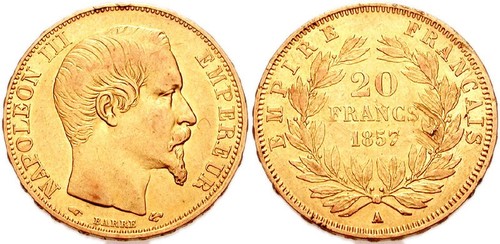
Napoleon III 20 Francs
1852-1870
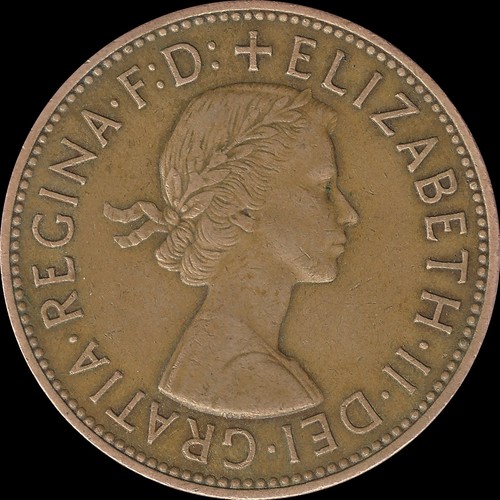
British Penny
1937-1952
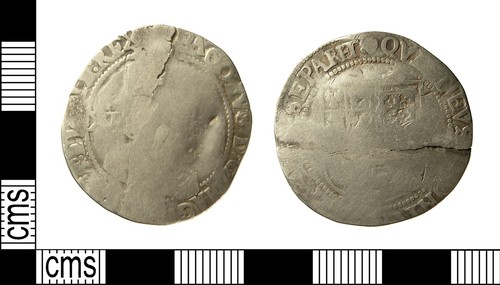
Shilling of James I
1603-1625
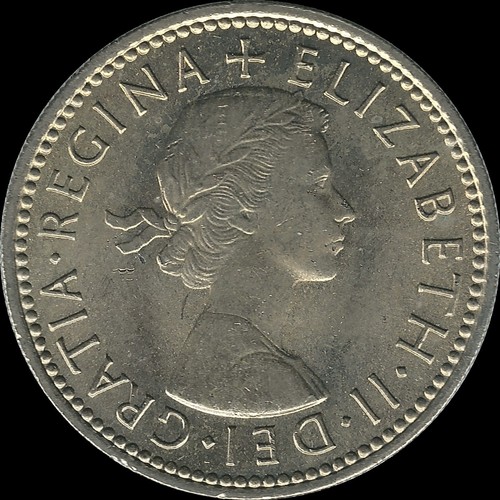
British Shilling
1837-1901 (Victoria); example dated 1887
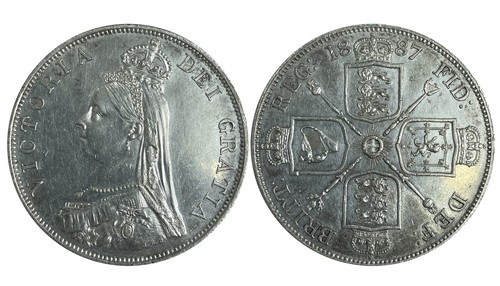
British Double Florin
1887-1890
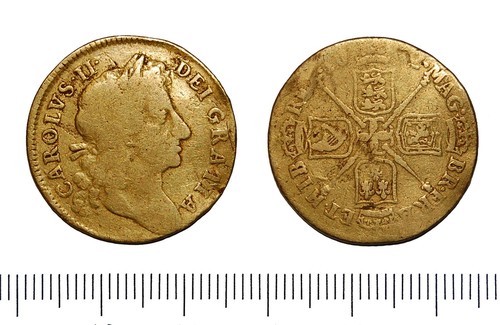
Gold Guinea
1663-1813
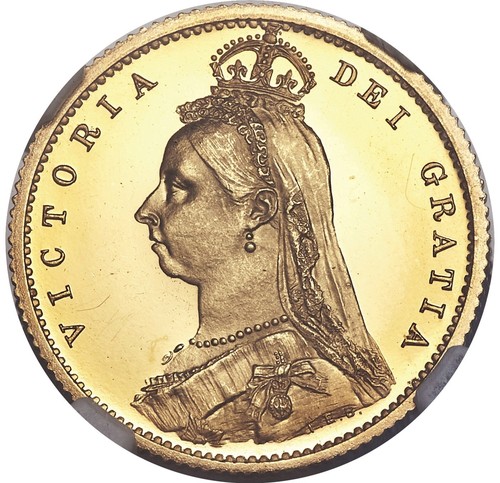
Half Sovereign
1817-1937
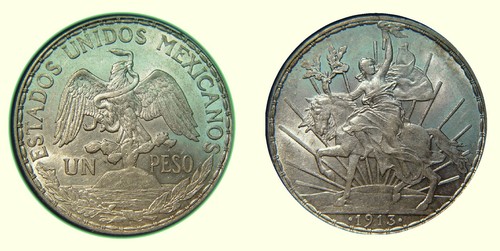
Mexican 1 Peso
1910-1914
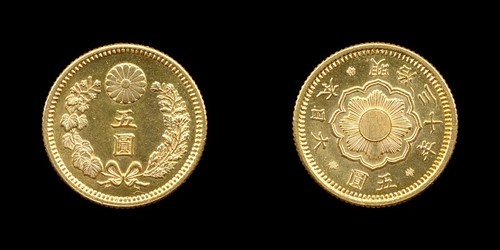
Japanese 5 Yen
Meiji era (example dated Meiji 30 / 1897)
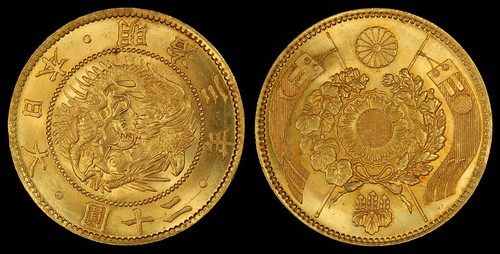
Japanese 20 Yen
1870 (Meiji 3)
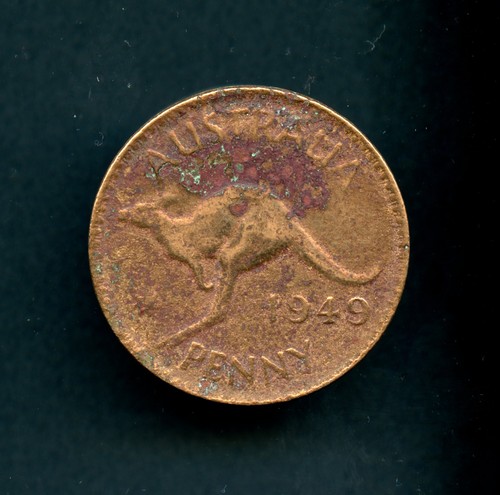
Australian Penny
1911-1964