
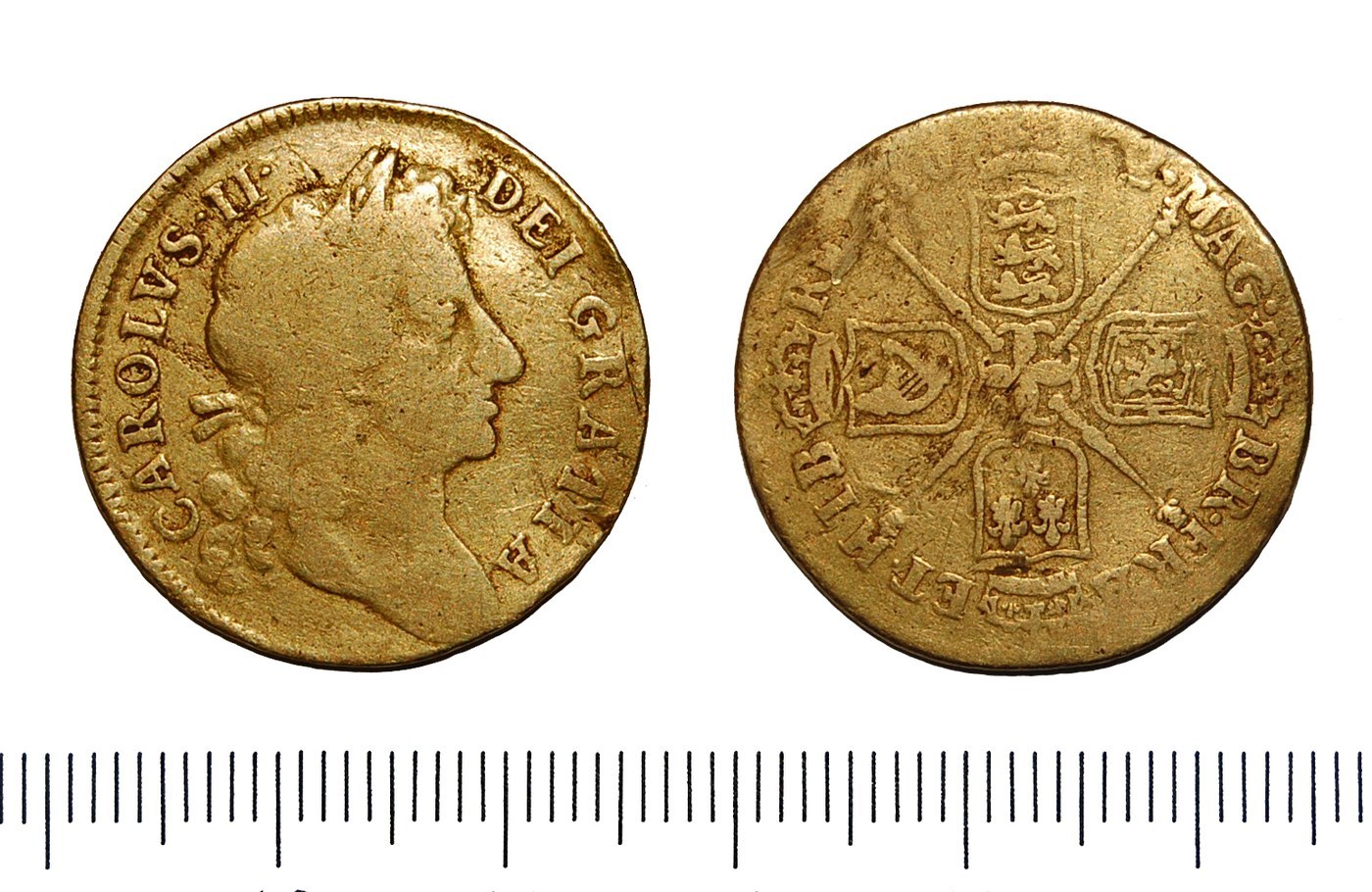
Gold Guinea
English gold coin of the Guinea denomination; the example shown bears the right-facing bust of Charles II with a crowned cruciform shield reverse dated 1668.
- Country
- United Kingdom
- Denomination
- 1 Guinea
- Metal
- Gold
Got a coin like this?
Identify any coin from a photo, free.
Overview
The Gold Guinea is the classic English gold coin introduced under King Charles II, and the piece shown carries his laureate bust facing right with the Latin legend CAROLVS SECVNDVS on the obverse and a crowned cruciform arrangement of royal shields on the reverse, dated 1668. First struck in 1663, the guinea took its name from the Guinea region of West Africa, the source of much of the gold used for the early issues.
Valued at roughly one pound (twenty shillings) at introduction, the guinea circulated as England's, and later Britain's, principal gold coin for a century and a half. Charles II examples such as this 1668 coin are among the earliest guineas and are prized both as historical objects and as milled (machine-struck) gold from the dawn of mechanised English coinage.
History & Background
Charles II reigned from 1660 to 1685, and the guinea was launched in 1663 as part of the move to fully milled coinage produced on screw presses rather than by hand hammering. The denomination was struck in gold and initially tariffed at twenty shillings, though its value against silver fluctuated over time, eventually being fixed at twenty-one shillings in the 18th century.
The name "guinea" reflects the West African Guinea coast, and many early coins carry an elephant, or elephant-and-castle, mark below the bust to indicate gold supplied by the Royal African Company. The denomination continued under successive monarchs through the reigns of James II, William and Mary, Anne, and the Hanoverian Georges, before being replaced by the gold sovereign in the great recoinage era of the early 19th century; the last guineas were struck in 1813.
How to Identify
Look for a small, deep-yellow gold coin bearing a right-facing laureate (bare or laurel-wreathed) male bust with the legend CAROLVS SECVNDVS naming Charles II, and a date such as 1668 in the field or legend. The reverse shows four crowned shields of England, Scotland, Ireland, and France arranged in a cross, with interlinked C monograms or sceptres between them and a central star of the Garter.
The guinea is struck in high-fineness gold, is roughly 25 mm across, and is noticeably smaller and lighter than a modern coin of similar face value. Check beneath the bust for a small elephant or elephant-and-castle mark, present on some issues, which signals African Company gold. Genuine milled examples have finely detailed, evenly struck devices, unlike the softer look of hammered coins.
Value & Collectibility
Early guineas of Charles II are scarce and desirable, and as gold coins they carry both bullion value and a substantial numismatic premium. Value depends heavily on date, variety, the presence of provenance marks such as the elephant, and above all condition; heavily worn examples are worth far less than sharply struck, problem-free coins, which can command strong prices at auction.
Because these coins are more than three centuries old, most survivors show honest wear, and originality matters greatly to collectors. Cleaned, mounted (ex-jewellery), or damaged pieces trade at discounts, while attractive examples with good detail are prized. As with any early gold, treat any single figure as indicative only and check recent auction results for the specific date and variety.
Frequently asked questions
What is a guinea worth in old money?
The guinea was introduced at twenty shillings (one pound) but its value drifted with the price of gold and was later fixed at twenty-one shillings, which is why "a guinea" long meant 21 shillings in Britain.
Who is on this coin?
The bust is King Charles II of England, named in the legend CAROLVS SECVNDVS ("Charles the Second"). He reigned from 1660 to 1685, and the guinea was first struck under him in 1663.
Why is it called a guinea?
The name comes from the Guinea region of West Africa, which supplied much of the gold for the early coins. Some guineas carry an elephant mark below the bust to show this African gold source.
Is it real gold?
Yes. The guinea was struck in high-fineness gold. It is a small coin, around 25 mm across, but dense and clearly gold in colour.
Are guineas still made?
No. The guinea was replaced by the gold sovereign, and the last guineas were struck in 1813. The word survived as a unit of account meaning 21 shillings well into the 20th century.
Gold Guinea guides
In-depth guides for identifying, valuing, and collecting Gold Guinea.
Other coins you may enjoy
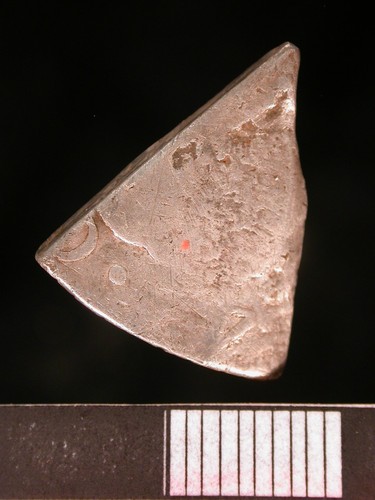
8 Reales (Portrait/Bust Type)
1759-1788
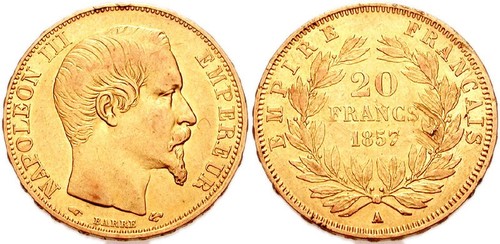
Napoleon III 20 Francs
1852-1870
British Penny
1937-1952
Shilling of James I
1603-1625
British Shilling
1837-1901 (Victoria); example dated 1887
Australian Florin
1910-1963
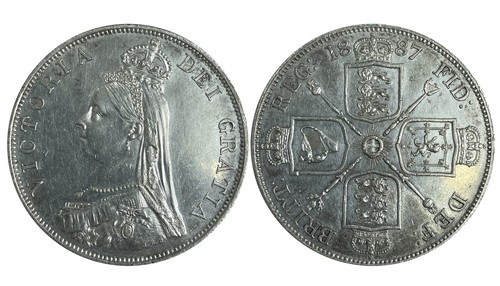
British Double Florin
1887-1890
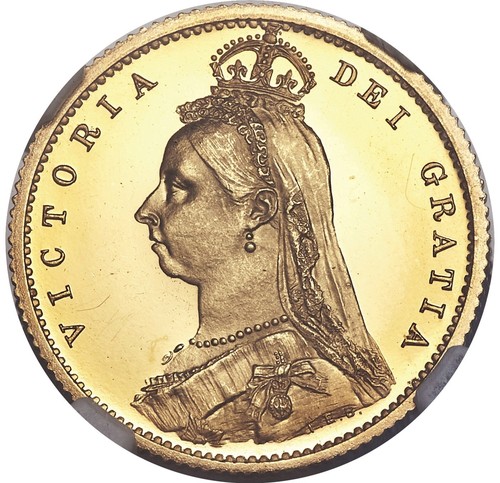
Half Sovereign
1817-1937
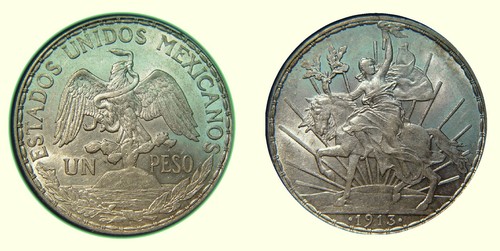
Mexican 1 Peso
1910-1914
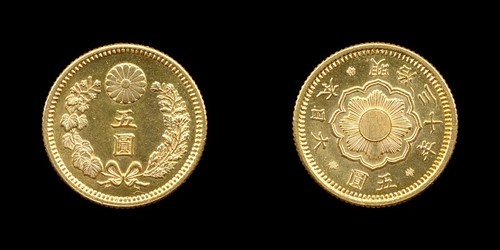
Japanese 5 Yen
Meiji era (example dated Meiji 30 / 1897)
Japanese 20 Yen
1870 (Meiji 3)
Australian Penny
1911-1964