
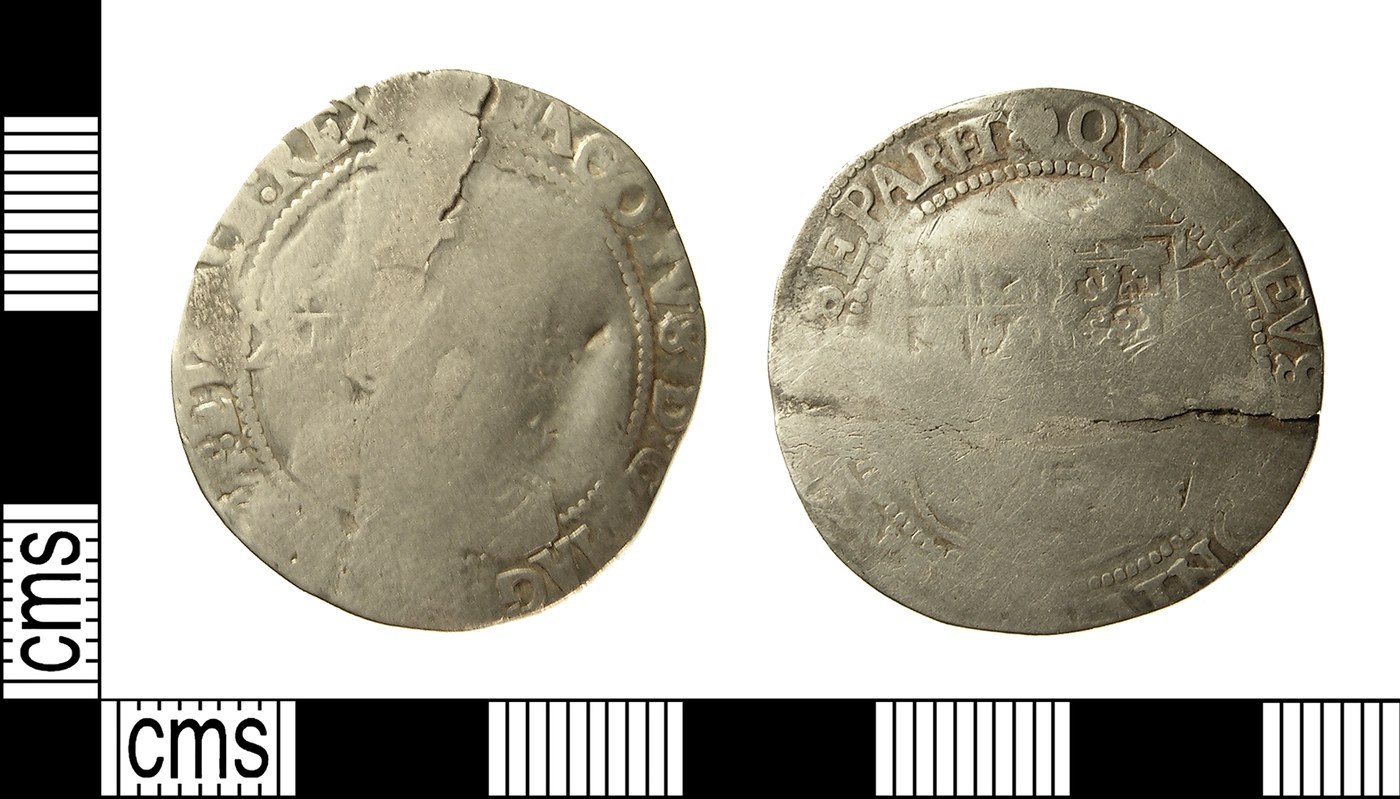
Shilling of James I
Hammered silver shilling of King James I, showing his crowned left-facing bust and a quartered heraldic shield of England, Scotland, Ireland and France.
- Country
- United Kingdom
- Denomination
- 1 Shilling
- Metal
- Silver
Got a coin like this?
Identify any coin from a photo, free.
Overview
The Shilling of James I is a hammered silver coin struck in England during the reign of King James I (1603-1625), the first Stuart monarch of a united English and Scottish crown. The example shown carries a crowned, left-facing profile bust of the king on the obverse and a heraldic shield divided into four quarters on the reverse, representing the royal arms.
Valued at twelve pence (one twentieth of a pound), the shilling was one of the larger everyday silver denominations of early 17th-century England. Struck by hand rather than by machine, each coin is individually a little irregular in shape and centering, and surviving pieces are prized as tangible relics of the early Jacobean era.
History & Background
James VI of Scotland became James I of England in 1603 on the death of Elizabeth I, uniting the two crowns under a single monarch. His silver shillings were struck at the Tower of London mint throughout the reign, and their designs and legends evolved across three officially recognized coinages as the king's titles and heraldry were adjusted.
The quartered shield on the reverse reflects James's claim to the arms of England, Scotland, Ireland, and France, a combined heraldry that expressed the newly united realms. Because coins were still made by hammering a blank between hand-held dies, each shilling was produced one strike at a time, and mint marks placed in the legends were changed periodically to track the year of issue for accounting purposes.
How to Identify
Look for a thin, hand-struck silver coin roughly 30-32 mm across bearing a crowned bust of the king in profile facing left, wrapped by a Latin legend naming James and his titles. The reverse shows a heraldic shield quartered into four sections, surrounded by another Latin legend, typically with a motto referring to the united kingdoms.
Because the coins were hammered, expect slightly uneven, non-circular flans, off-center strikes, and softness in parts of the design. A small symbol known as a mint mark (or "initial mark") appears at the start of the legends and helps date the coin within the reign. Wear usually shows first on the king's cheek, the crown, and the raised lines of the shield.
Value & Collectibility
As a widely circulated denomination struck across a 22-year reign, the James I shilling survives in reasonable numbers, so condition, sharpness of the bust and shield, and overall eye appeal drive value far more than rarity alone. Heavily worn, clipped, or corroded examples are among the more affordable hammered Stuart silver, while bold, well-centered coins with clear legends command substantial premiums.
Specific coinage, bust variety, and mint mark can matter to specialists, and pleasing original surfaces are scarce because hammered silver was handled hard in circulation. Cleaning, edge clipping, and old repairs all reduce desirability. Values vary widely, so treat any single figure as approximate and check recent sales of comparable graded examples before buying or selling.
Frequently asked questions
Who is on this coin?
The crowned profile bust is King James I of England, who was also James VI of Scotland. He reigned in England from 1603 to 1625 as the first Stuart king.
What is the shield on the reverse?
It is the royal coat of arms divided into four quarters, combining the heraldry of England, Scotland, Ireland, and France to reflect James's claim over the united crowns.
Is it real silver?
Yes. The shilling was struck in silver and was worth twelve pence. It is a fairly broad, thin coin about 30-32 mm across, typical of early 17th-century hammered silver.
Why is the coin uneven or off-center?
It was made by hammering a blank between hand-held dies rather than by machine, so slightly irregular shape, off-center designs, and uneven strength are normal for the type.
How can I date it more precisely?
James I shillings do not always show a full date. Instead, a small mint mark at the start of the legend was changed periodically, and specialists use it, along with the bust and titles, to place the coin within the reign.
Shilling of James I guides
In-depth guides for identifying, valuing, and collecting Shilling of James I.
Other coins you may enjoy
8 Reales (Portrait/Bust Type)
1759-1788
Napoleon III 20 Francs
1852-1870
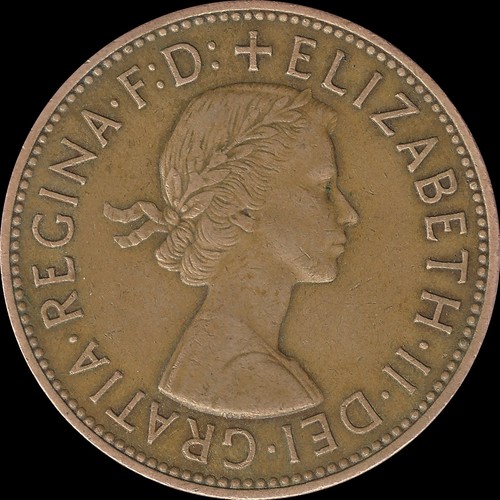
British Penny
1937-1952
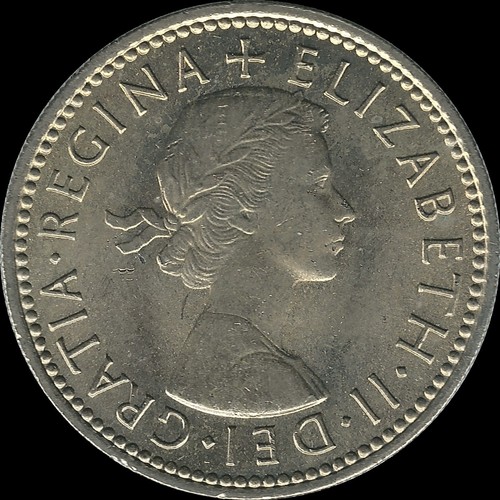
British Shilling
1837-1901 (Victoria); example dated 1887
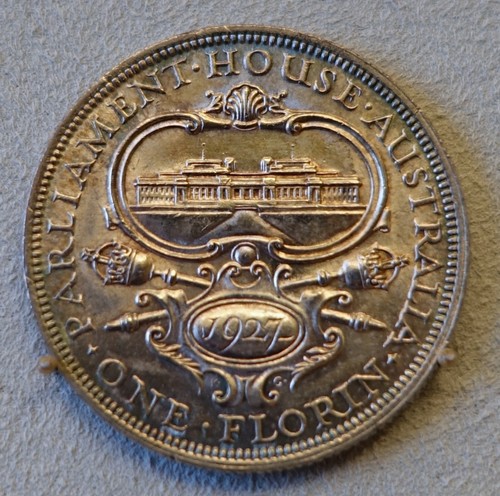
Australian Florin
1910-1963
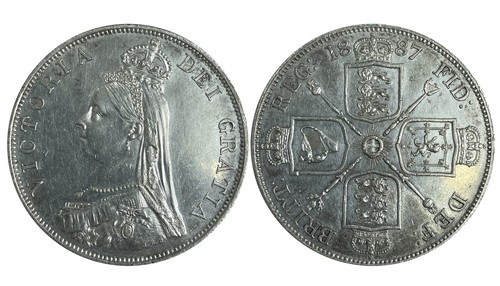
British Double Florin
1887-1890
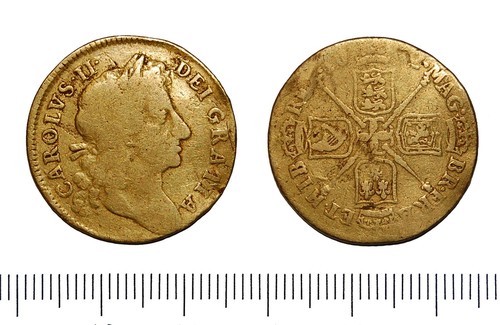
Gold Guinea
1663-1813
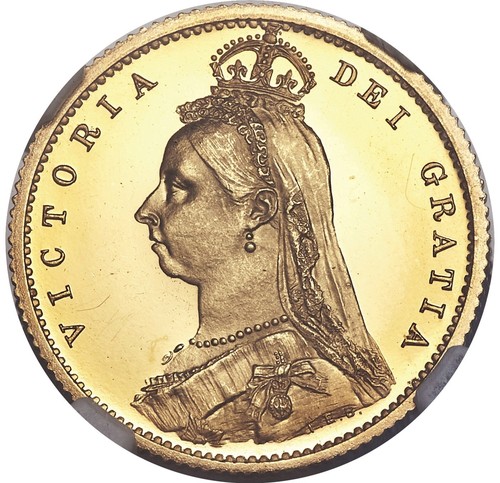
Half Sovereign
1817-1937
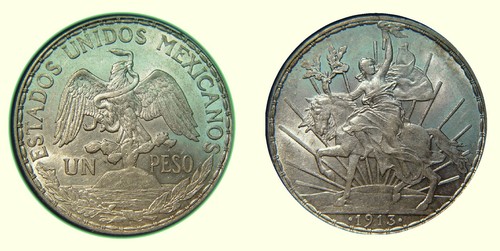
Mexican 1 Peso
1910-1914
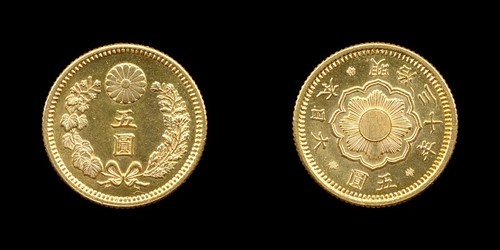
Japanese 5 Yen
Meiji era (example dated Meiji 30 / 1897)
Japanese 20 Yen
1870 (Meiji 3)
Australian Penny
1911-1964