
Australian Penny
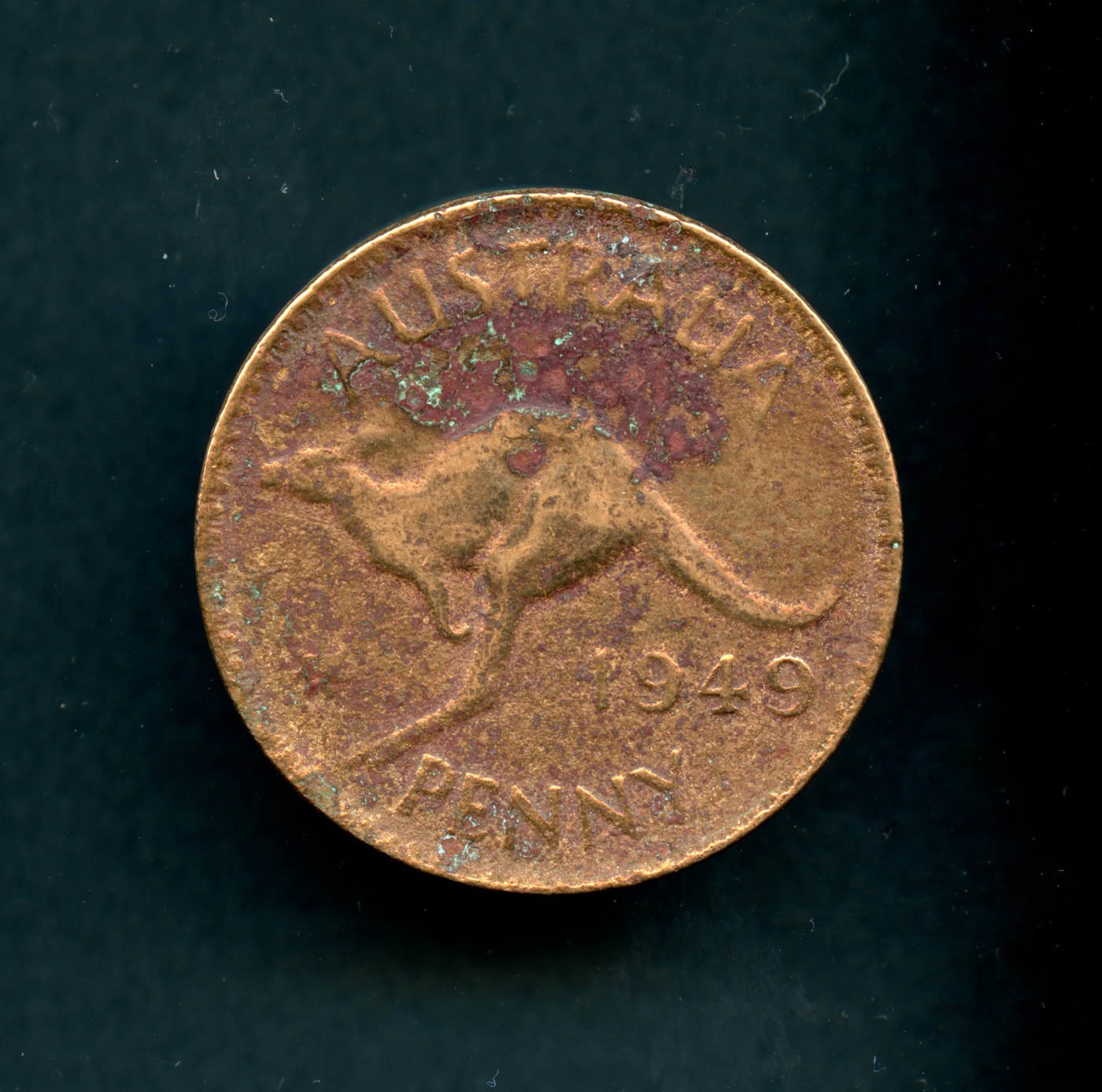
Large bronze pre-decimal Australian penny with a leaping kangaroo, AUSTRALIA and PENNY on one side and a monarch's bust on the other.
- Country
- Australia
- Denomination
- 1 Penny
- Metal
- Bronze
Got a coin like this?
Identify any coin from a photo, free.
Overview
The Australian Penny is a large bronze coin from Australia's pre-decimal era, worth one penny (1d) in the old pounds-shillings-pence system. The face shown here carries the design most people recognise: a leaping kangaroo with the words AUSTRALIA and PENNY and the year, in this case 1949. The opposite face carries the crowned or bare-head bust of the reigning British monarch.
Struck in bronze and measuring a little over 30 mm across, the penny circulated heavily for decades and is one of the most familiar of all Australian coins. Because so many were made and kept, it is a common and approachable collectible today, prized more for its bold kangaroo motif and historical charm than for scarcity.
History & Background
Australia began issuing its own bronze penny in 1911, replacing the British pennies that had circulated in the colonies. The denomination was part of the pounds-shillings-pence coinage that Australia used until decimalisation, when the penny was withdrawn and the dollar-and-cent system was introduced in 1966.
The kangaroo reverse became the enduring emblem of the coin, while the obverse changed with the reigning monarch: pennies were struck under Edward VII, George V, George VI, and Elizabeth II. A 1949 example like this one falls in the reign of King George VI, whose bust appears on the obverse. Pennies were minted at several facilities over the years, including the Melbourne, Perth, and Sydney mints as well as overseas strikings, and small mint marks and die varieties from these sources are a major focus for collectors.
How to Identify
Look for a broad, coppery-brown bronze coin about 30-31 mm in diameter with a leaping kangaroo on one side, framed by the words AUSTRALIA and PENNY and the date. The other side shows the profile bust of a British king or queen with a surrounding Latin royal legend; a 1949 coin carries the bare-head portrait of George VI.
Check the date and any small mint mark, which help pin down the exact issue and where it was struck. The coin is noticeably larger and heavier than a modern small-change piece, and the metal is plain bronze rather than silver or a two-tone alloy. Wear usually shows first on the kangaroo's body and on the high points of the monarch's portrait.
Value & Collectibility
Most Australian pennies are common and inexpensive in worn, circulated grades, since they were produced in large numbers over many years and widely saved. Typical everyday dates in average condition are among the more affordable world coins, with value rising for coins that retain sharp detail and original surfaces.
Certain dates, mints, and varieties are the exception and can be worth far more, with a handful of rare key dates and error coins highly sought after. Condition, mint mark, and any die variety drive price much more than the date alone, so a specific coin should be checked against recent sales and, for anything scarce, verified by a specialist. Treat any single figure as approximate.
Frequently asked questions
What is the animal on the coin?
It is a leaping kangaroo, the long-running reverse design of the pre-decimal Australian penny, shown with the words AUSTRALIA and PENNY and the year.
Is the Australian penny made of silver?
No. The penny is a bronze coin, coppery-brown in colour. It is a large low-denomination piece, not a precious-metal coin.
Who is on the other side of a 1949 penny?
A 1949 penny carries the bust of King George VI on the obverse. Earlier and later pennies show other monarchs, from Edward VII through Elizabeth II.
When did Australia stop using the penny?
The penny was part of the old pounds-shillings-pence system and was withdrawn when Australia switched to decimal dollars and cents in 1966.
Is my old penny valuable?
Most dates are common and modestly valued in worn condition, but some rare dates, mint marks, and errors are worth much more. Condition and variety matter more than age.
Australian Penny guides
In-depth guides for identifying, valuing, and collecting Australian Penny.
Other coins you may enjoy
8 Reales (Portrait/Bust Type)
1759-1788
Napoleon III 20 Francs
1852-1870
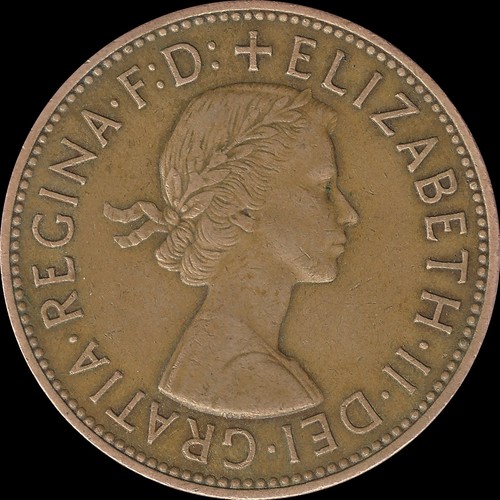
British Penny
1937-1952
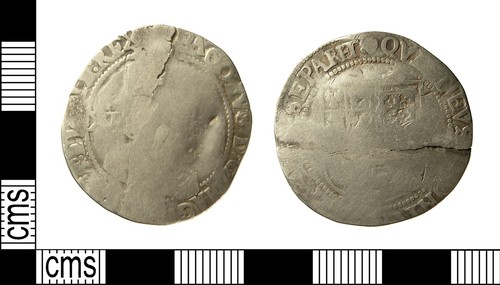
Shilling of James I
1603-1625
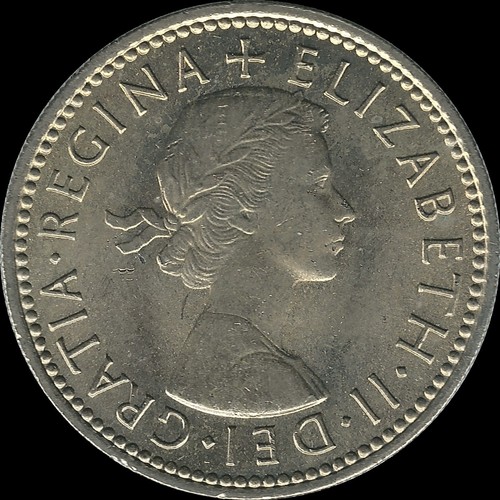
British Shilling
1837-1901 (Victoria); example dated 1887
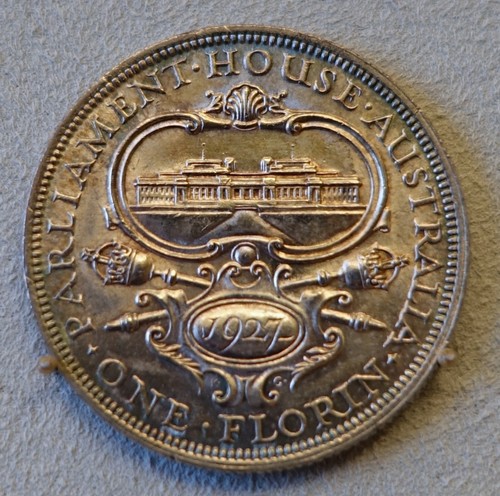
Australian Florin
1910-1963
British Double Florin
1887-1890
Gold Guinea
1663-1813
Half Sovereign
1817-1937
Mexican 1 Peso
1910-1914
Japanese 5 Yen
Meiji era (example dated Meiji 30 / 1897)
Japanese 20 Yen
1870 (Meiji 3)