
Half Sovereign
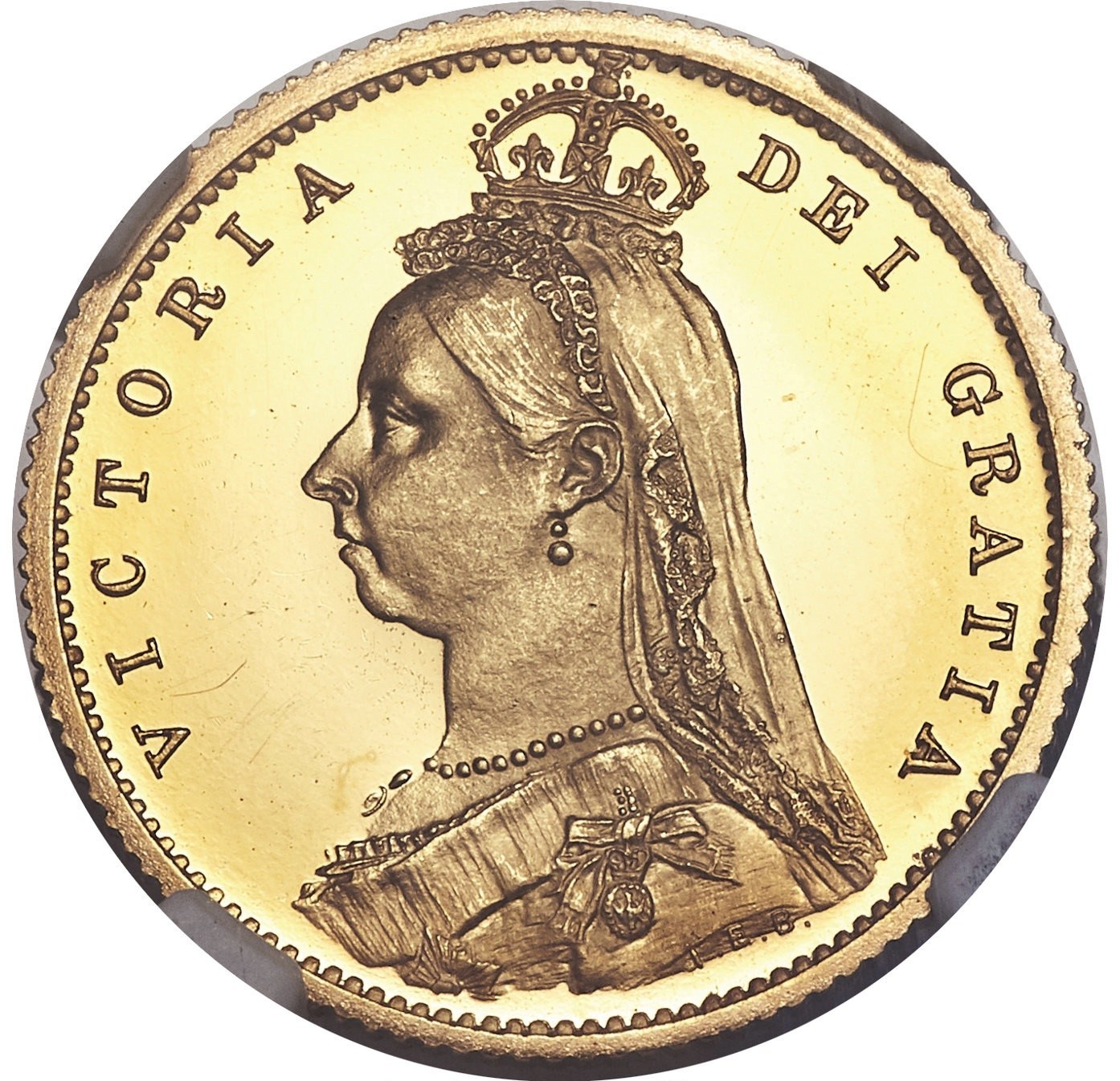
A small British 22-carat gold coin worth ten shillings; this example shows Queen Victoria's veiled, crowned Jubilee Head portrait and is dated 1887.
- Country
- United Kingdom
- Denomination
- Half Sovereign
- Metal
- Gold
Got a coin like this?
Identify any coin from a photo, free.
Overview
The Half Sovereign is a small British gold coin traditionally valued at ten shillings, or half of a full sovereign. The example shown carries Queen Victoria facing left, wearing a veil, a small crown, and a pearl necklace, with the legend VICTORIA DEI GRATIA BRITT REGINA. This is the "Jubilee Head" portrait, introduced in 1887 to mark Victoria's Golden Jubilee, and the coin is dated to that first year of the design.
Struck in 22-carat gold at a diameter of roughly 19 mm, the Half Sovereign is one of the smallest workhorse gold coins of the British Empire. It circulated widely as everyday money before the First World War and remains a popular and accessible way to collect genuine Victorian gold.
History & Background
The modern Half Sovereign was introduced in 1817 alongside the sovereign during the Great Recoinage that followed the Napoleonic Wars, replacing the older gold guinea system with a decimalized-weight gold coinage tied to the pound. It served as practical circulating gold for over a century, struck under successive monarchs at the Royal Mint in London and, later, at branch mints across the Empire.
The coin pictured belongs to Victoria's reign (1837-1901). In 1887 the Royal Mint replaced the long-running "Young Head" portrait with Joseph Edgar Boehm's "Jubilee Head," showing the Queen veiled and wearing a small crown, as seen here. This portrait was used on the Half Sovereign until it was itself replaced by the "Old Head" (veiled bust) design in 1893.
Half Sovereigns circulated as money until the First World War, when gold coins were largely withdrawn from everyday use. Regular striking for circulation ended in the 1930s, and in later decades the Half Sovereign was revived mainly as a collector and bullion piece.
How to Identify
This coin is identified by its small size and warm gold color: a genuine Victorian Half Sovereign is 22-carat (.9167) gold, about 19.3 mm across and roughly 3.99 grams, with a reeded (grooved) edge. It is noticeably heavy for its diameter, a hallmark of gold.
The obverse shown carries Victoria facing left with a veil, small crown, and pearl necklace, encircled by VICTORIA DEI GRATIA BRITT REGINA ("Victoria, by the Grace of God, Queen of the Britains"). This veiled-and-crowned Jubilee Head, combined with an 1887 date, pins the coin to the 1887-1893 portrait period. Victorian Half Sovereign reverses typically show a crowned shield bearing the Royal Arms, and some issues carry a mint mark below the design indicating a branch mint.
Because the reverse is not visible here, confirm identity from the obverse portrait, legend, small gold planchet, and reeded edge. The date and portrait style together separate this from the earlier Young Head (pre-1887) and later Old Head (1893 onward) Half Sovereigns.
Value & Collectibility
As a 22-carat gold coin, the Half Sovereign has a baseline worth tied to its gold content of roughly 0.1176 troy ounces of fine gold, so its value tracks the gold market. Common circulated Victorian pieces usually trade at a modest premium over that bullion value.
Condition, date, portrait type, and mint mark drive collector premiums above melt. Well-worn but genuine examples are among the more affordable ways to own Victorian gold, while sharply detailed, lightly worn coins and scarcer dates or branch-mint issues command higher prices. First-year-of-type coins such as an 1887 Jubilee Head can carry extra interest.
Because Half Sovereigns have been widely copied and counterfeited, authenticity and grade strongly affect price. Treat any single figure as approximate, weigh and measure the coin, and check realized auction results or a current price guide rather than relying on a fixed number.
Frequently asked questions
How much is a Half Sovereign worth?
Its baseline value comes from about 0.1176 troy ounces of 22-carat gold, so it tracks the gold price. Common circulated Victorian examples trade at a modest premium over that; scarcer dates, mint marks, and high grades bring more.
Who is on this coin?
Queen Victoria, shown facing left wearing a veil and a small crown. This is the "Jubilee Head" portrait introduced in 1887 for her Golden Jubilee, matching the coin's 1887 date.
Is a Half Sovereign real gold?
Yes. Half Sovereigns are struck in 22-carat (.9167) gold. Despite the small size, the coin is dense and heavy for its diameter, which is one way to help confirm it is genuine gold.
What does DEI GRATIA BRITT REGINA mean?
It is Latin for "by the Grace of God, Queen of the Britains," part of Victoria's royal titles. The full obverse legend reads VICTORIA DEI GRATIA BRITT REGINA around her portrait.
How is it different from a full sovereign?
A Half Sovereign is worth ten shillings, half the value of a sovereign, and is smaller and lighter, about 19 mm versus roughly 22 mm. Both are 22-carat gold British coins.
Half Sovereign guides
In-depth guides for identifying, valuing, and collecting Half Sovereign.
Other coins you may enjoy
8 Reales (Portrait/Bust Type)
1759-1788
Napoleon III 20 Francs
1852-1870
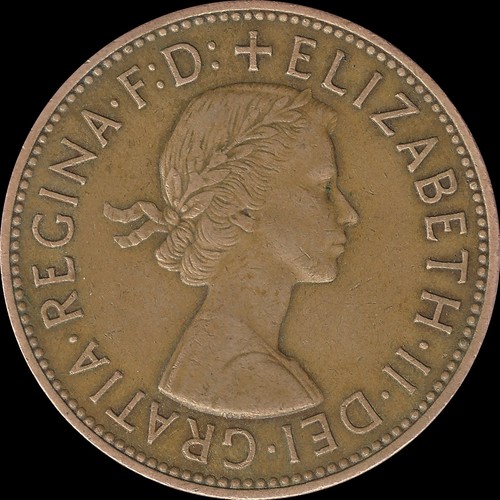
British Penny
1937-1952
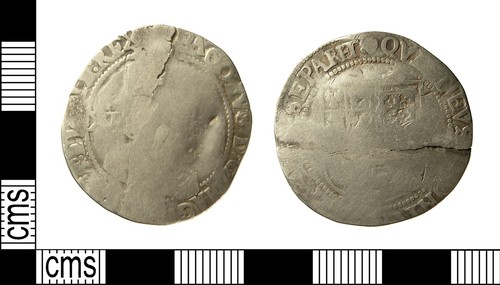
Shilling of James I
1603-1625
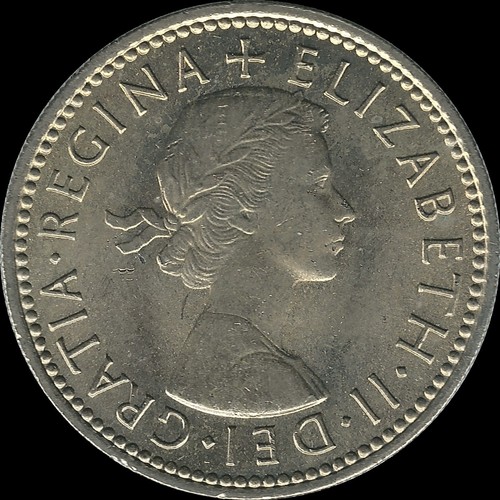
British Shilling
1837-1901 (Victoria); example dated 1887
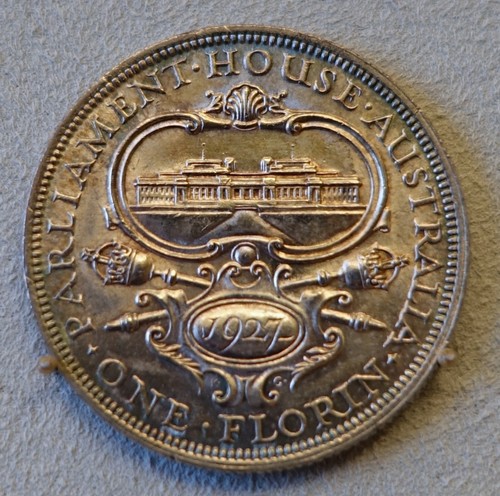
Australian Florin
1910-1963
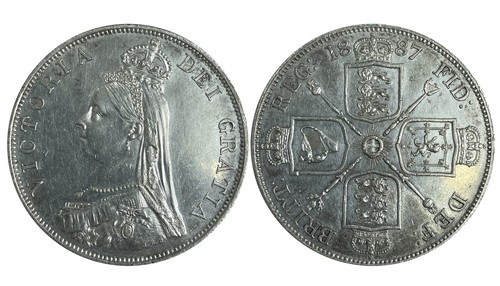
British Double Florin
1887-1890
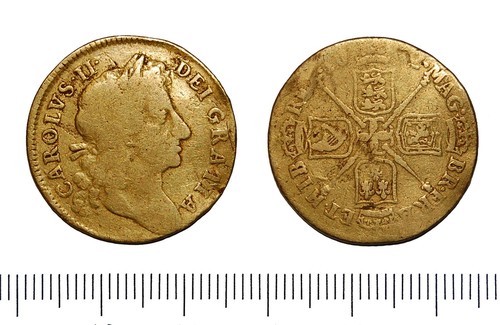
Gold Guinea
1663-1813
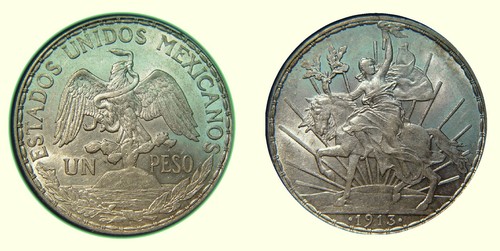
Mexican 1 Peso
1910-1914
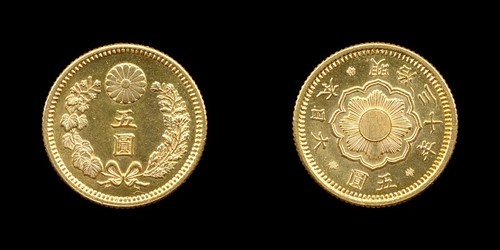
Japanese 5 Yen
Meiji era (example dated Meiji 30 / 1897)
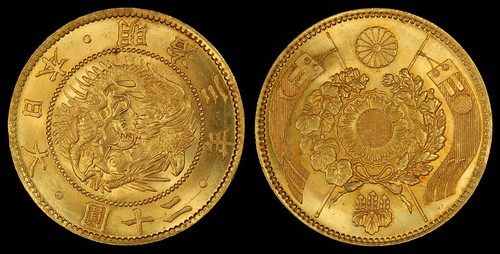
Japanese 20 Yen
1870 (Meiji 3)
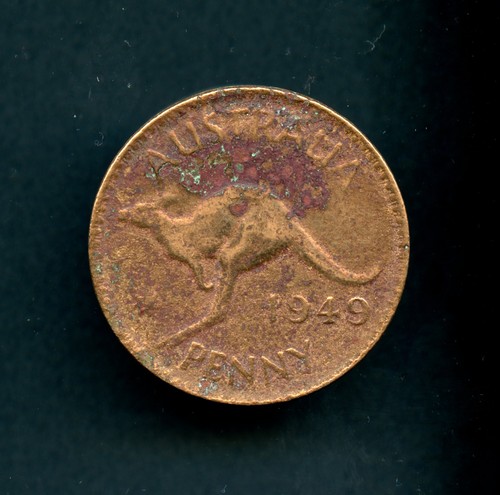
Australian Penny
1911-1964