
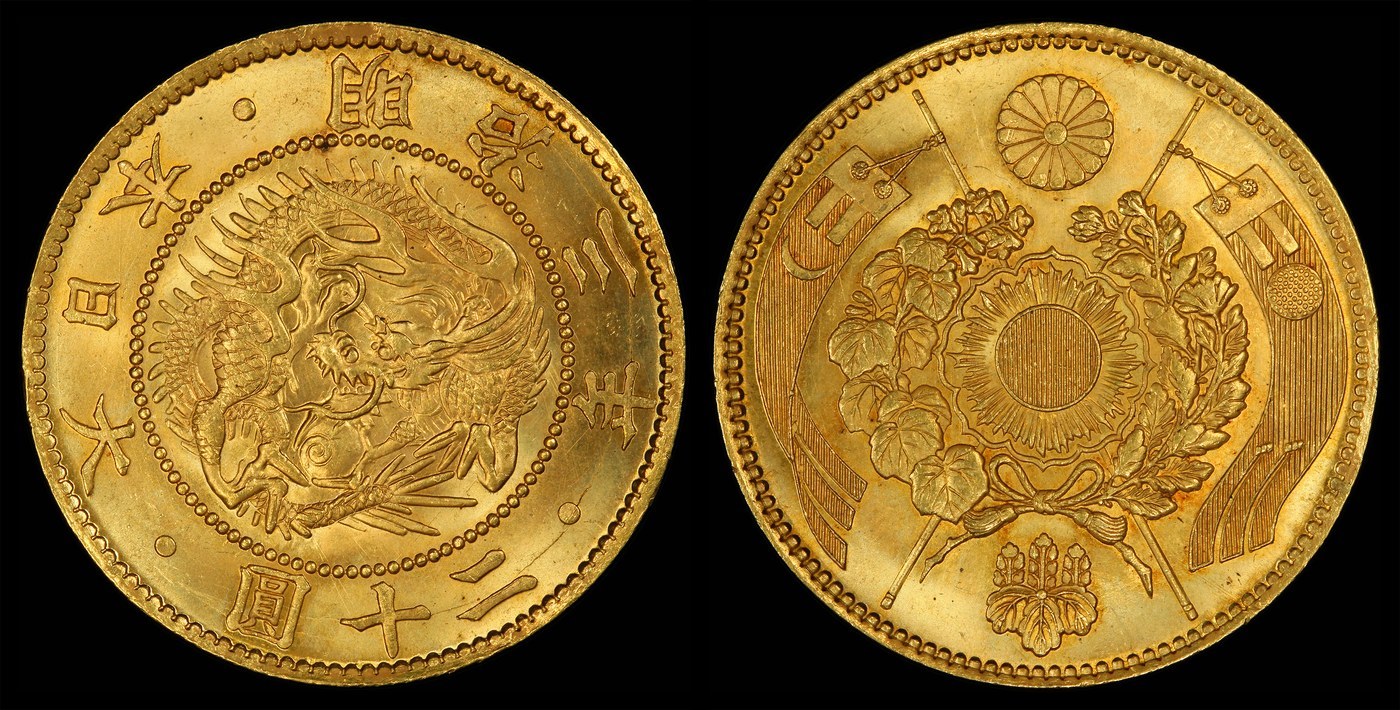
Japanese 20 Yen
Early Meiji-era Japanese gold coin showing a dragon among clouds on one side and a floral design with the 20 yen denomination on the other.
- Country
- Japan
- Denomination
- 20 Yen
- Metal
- Gold
Got a coin like this?
Identify any coin from a photo, free.
Overview
The Japanese 20 Yen is a large gold coin of the early Meiji period, and the example shown is dated 1870, corresponding to Meiji year 3. One side displays a dragon coiled among clouds surrounded by decorative motifs, while the other carries a large floral design framing the value of 20 yen. It represents the highest gold denomination introduced when Japan adopted the yen and a modern, Western-style decimal coinage.
Struck at the very start of Japan's modern coinage system, the 20 yen was a substantial gold piece intended for major transactions and reserves rather than everyday use. The dragon motif and radiant sunburst and floral emblems make it one of the most visually distinctive gold coins of 19th-century Asia, and early-dated pieces like the 1870 issue are prized by collectors of world gold.
History & Background
In 1871 Japan formally established the yen as its currency unit under the New Currency Act, replacing the older mon and ryo system with a decimal coinage modeled on Western practice. Coins bearing the 1870 (Meiji 3) date were among the earliest gold pieces of this reform, produced as the new Osaka Mint began operations with imported machinery and Western technical guidance.
The 20 yen stood at the top of the gold series, above the 10, 5, 2, and 1 yen denominations. The dragon that dominates one face was a traditional East Asian symbol of imperial authority and power, rendered here in fine relief, while the reverse combines chrysanthemum and paulownia-style floral emblems with sunburst rays and banners around the denomination. This early 'old type' 20 yen was minted only briefly and in very limited numbers, making it one of the scarcer and more significant issues of the entire Meiji gold series.
How to Identify
Look for a gold coin with a dragon shown among clouds and scroll-like decorative motifs on one side, encircled by inscriptions in Japanese characters that name the country, the emperor's reign year, and the value. The opposite side shows a large radiating floral and sunburst design with banners and paulownia or chrysanthemum emblems framing the '20 yen' denomination.
The date is expressed in the Japanese era system rather than Western numerals; a Meiji year 3 coin corresponds to 1870. Genuine pieces are struck in gold with a warm yellow tone and are noticeably heavy for their size. Because the design was reused with variations across several years, confirm the specific reign-year characters and the style of the dragon and border to distinguish the early 'old type' from later revised issues.
Value & Collectibility
The 20 yen was the largest gold denomination of the Meiji series and was produced in far smaller quantities than the silver coins of the period, so genuine examples are scarce and generally command strong prices as bullion-plus-rarity gold. The early 1870 (Meiji 3) 'old type' in particular is a key date sought by collectors of Japanese and world gold, and quality survivors can be highly valuable.
Value depends heavily on the exact year, type variety, and condition, since even modest wear and any signs of cleaning, mounting, or repair strongly affect price. Because high-value Japanese gold has been extensively copied, professional authentication and third-party grading are essential before assigning a figure. Treat all valuations as approximate ranges and confirm against recent, comparable auction results rather than a single quoted price.
Frequently asked questions
What year is this coin from?
This example is dated 1870, which corresponds to Meiji year 3 in the Japanese era calendar used on the coin. It is one of the earliest gold pieces of Japan's modern yen coinage.
Is the Japanese 20 Yen made of gold?
Yes. The 20 yen was the top gold denomination of the early Meiji series, struck as a substantial gold coin for large transactions and reserves rather than everyday circulation.
What does the dragon mean?
The dragon among clouds is a traditional East Asian symbol of imperial power and authority. It was a signature motif of early Meiji coinage and appears in high relief on this denomination.
Is this coin rare?
Early 20 yen gold, especially the 1870 old-type issue, was minted in very limited numbers and is considered scarce. Genuine high-grade examples are prized and can be quite valuable.
How can I be sure mine is genuine?
Because valuable Japanese gold is widely counterfeited, have it authenticated and graded by a reputable third-party service. Check weight, the reign-year characters, and the fine dragon detail against verified references.
Japanese 20 Yen guides
In-depth guides for identifying, valuing, and collecting Japanese 20 Yen.
Other coins you may enjoy
8 Reales (Portrait/Bust Type)
1759-1788
Napoleon III 20 Francs
1852-1870
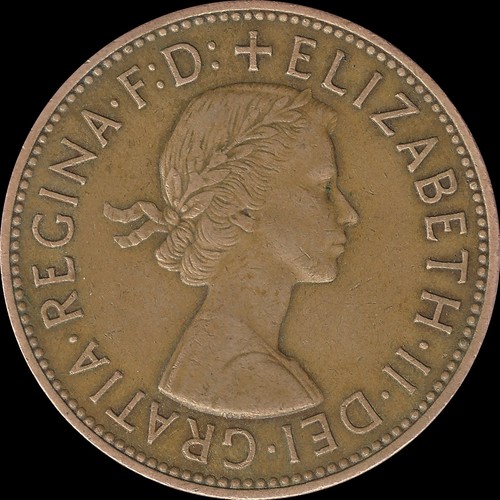
British Penny
1937-1952
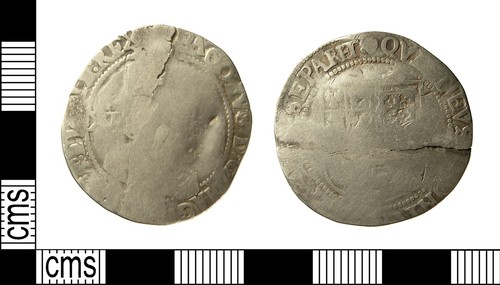
Shilling of James I
1603-1625
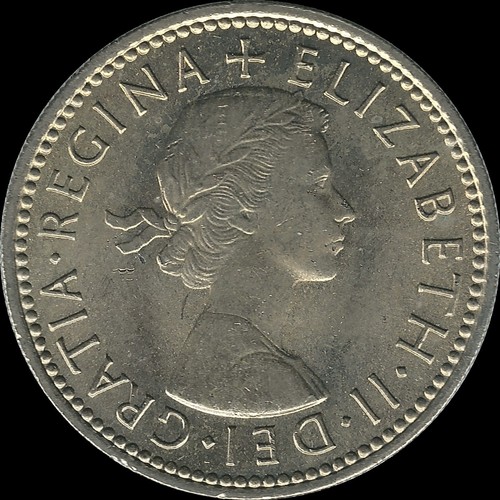
British Shilling
1837-1901 (Victoria); example dated 1887
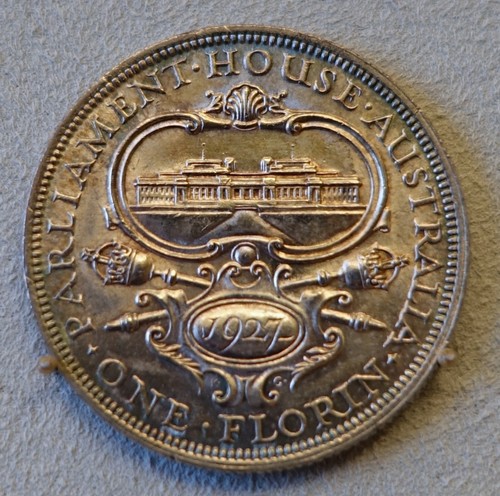
Australian Florin
1910-1963
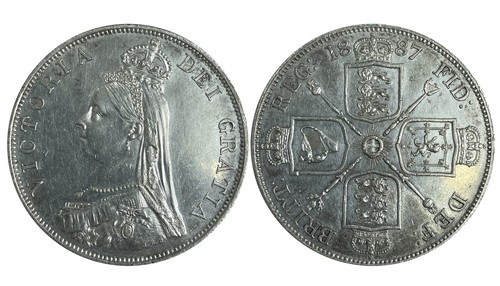
British Double Florin
1887-1890
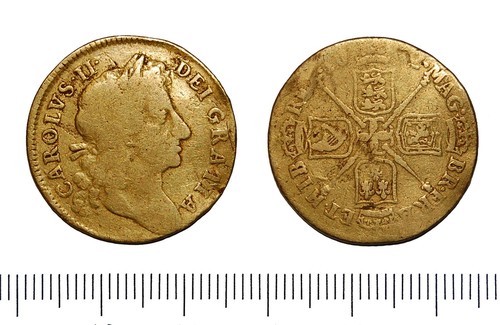
Gold Guinea
1663-1813
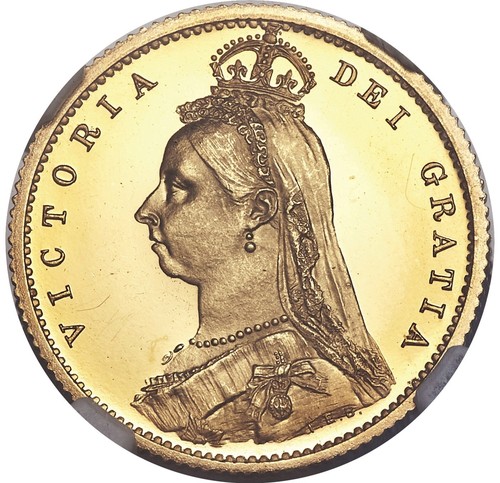
Half Sovereign
1817-1937
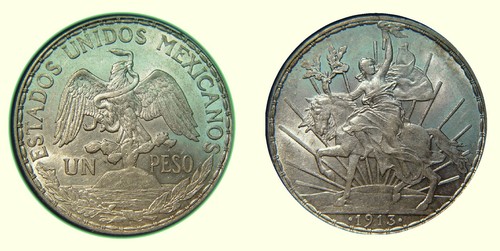
Mexican 1 Peso
1910-1914
Japanese 5 Yen
Meiji era (example dated Meiji 30 / 1897)
Australian Penny
1911-1964