
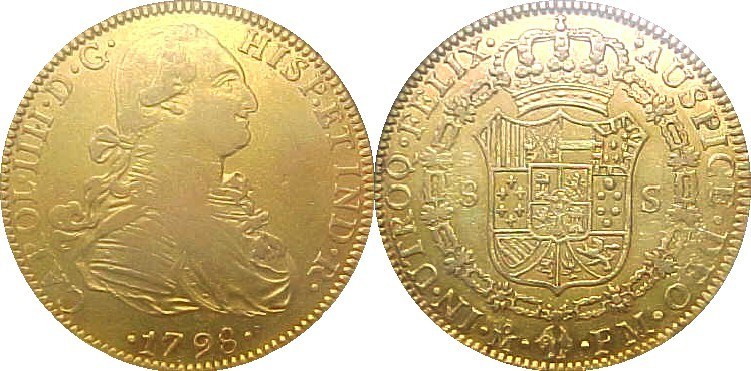
Spanish Doubloon (8 Escudos)
Large Spanish gold coin worth eight escudos, showing the right-facing bust of King Charles IV and a crowned Spanish shield with a cross.
- Country
- Spain
- Denomination
- 8 Escudos
- Metal
- Gold
Got a coin like this?
Identify any coin from a photo, free.
Overview
The Spanish Doubloon of eight escudos is a large gold coin of the Spanish crown, and the example shown carries the right-facing bust of King Charles IV (Carlos IV) on the obverse with a crowned Spanish shield bearing a cross on the reverse, dated 1798. As the highest of the standard escudo denominations, it was the flagship gold piece of the Spanish monetary system.
Popularly called the "doubloon" or, in Spanish, the onza (ounce of gold), the 8 Escudos is the coin most associated with Spanish treasure and colonial commerce. It was struck in substantial quantities in Spain and across the Spanish Americas, and surviving pieces remain among the most sought-after gold coins of the early modern world.
History & Background
Charles IV ruled Spain and its empire from 1788 to 1808, and the 8 Escudos struck in his name continued a long-running design tradition of a royal bust paired with the crowned arms of Spain. The obverse legend names the king and his titles, while the reverse presents the crowned Spanish coat of arms with a cross, typically framed within the collar of the Order of the Golden Fleece.
Coins of this denomination were produced both at peninsular Spanish mints and, in far greater numbers, at colonial mints in the Americas such as Mexico City, Lima, Potosi, Santiago, and the New Kingdom of Granada. The gold came largely from New World mines, and the coin's dependable weight and fineness made it a trusted store of value and a fixture of international trade. Its enduring fame as the "doubloon" of pirate and treasure lore stems from this era of Spanish maritime wealth.
How to Identify
Look for a substantial gold coin, roughly 34-37 mm across and near an ounce in weight, with a draped, armored bust of a king facing right and a Latin legend around the rim naming Carlos IV (Charles IV). The reverse shows the crowned Spanish shield with a cross, usually surrounded by the chain-like collar of the Golden Fleece.
Genuine examples carry a mint mark and assayer initials in the legends, a denomination mark such as "8 S" or "8", and a date within the Charles IV range of 1788-1808 (the pictured coin is dated 1798). The rich yellow color of high-fineness gold and the coin's heft are strong indicators of the metal. Wear typically shows first on the king's cheek and hair and on the crown atop the shield.
Value & Collectibility
As a large gold coin, the 8 Escudos carries significant intrinsic bullion value on top of its collector premium, so even worn examples are worth well more than common silver or base-metal coins. Actual value is driven by mint, date, assayer, condition, and eye appeal, and can range widely from the price of a well-worn piece to a strong multiple of that for sharp, problem-free coins.
Mint and assayer combinations matter: some colonial issues are common while others are genuinely scarce, and Spanish peninsular strikes differ in availability from American ones. Because gold coins of this type have long been targets for counterfeiting and modern reproductions, authentication has a major effect on realized value. Treat any single figure as approximate, factor in the current gold price, and verify against recent auction results.
Frequently asked questions
Is this a real "Spanish doubloon"?
Yes. The 8 Escudos is the gold coin popularly known as the doubloon, or in Spanish the onza (ounce of gold). It was the largest standard escudo denomination of the Spanish crown.
Who is on the coin?
The bust is King Charles IV of Spain (Carlos IV), who reigned from 1788 to 1808. The pictured example is dated 1798, within his reign.
Is it made of real gold?
Yes. The 8 Escudos was struck in high-fineness gold and is a large, heavy coin close to an ounce, which is why it held such value in trade and treasure.
Where was it minted?
Coins were struck in Spain and at colonial mints across the Americas, including Mexico City, Lima, Potosi, and Santiago. The mint mark appears in the coin's legends.
What is the reverse design?
The reverse shows the crowned Spanish coat of arms with a cross, generally enclosed within the collar of the Order of the Golden Fleece.
Spanish Doubloon (8 Escudos) guides
In-depth guides for identifying, valuing, and collecting Spanish Doubloon (8 Escudos).
Other coins you may enjoy
8 Reales (Portrait/Bust Type)
1759-1788
Napoleon III 20 Francs
1852-1870
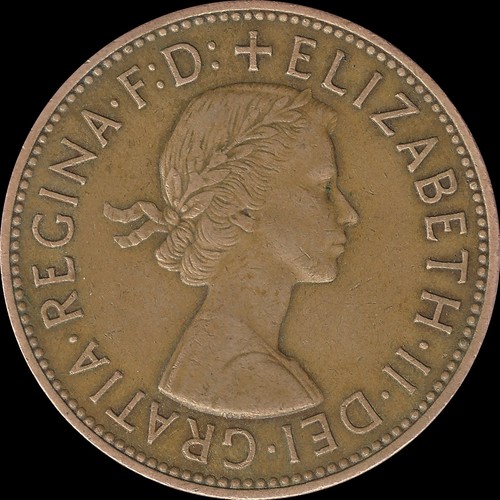
British Penny
1937-1952
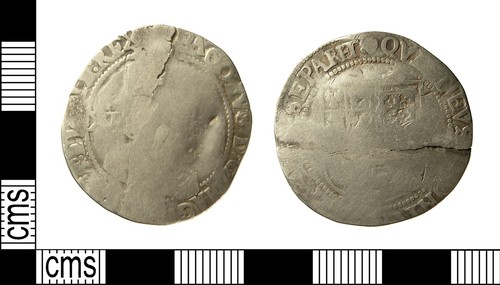
Shilling of James I
1603-1625
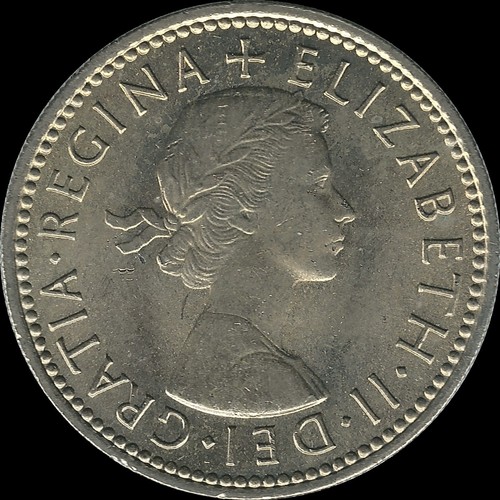
British Shilling
1837-1901 (Victoria); example dated 1887
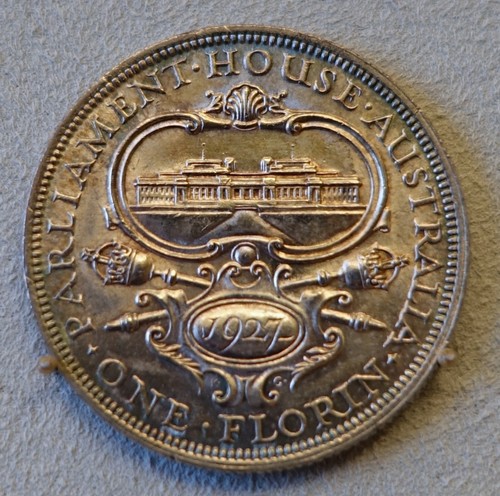
Australian Florin
1910-1963
British Double Florin
1887-1890
Gold Guinea
1663-1813
Half Sovereign
1817-1937
Mexican 1 Peso
1910-1914
Japanese 5 Yen
Meiji era (example dated Meiji 30 / 1897)
Japanese 20 Yen
1870 (Meiji 3)