
Gold Sovereign
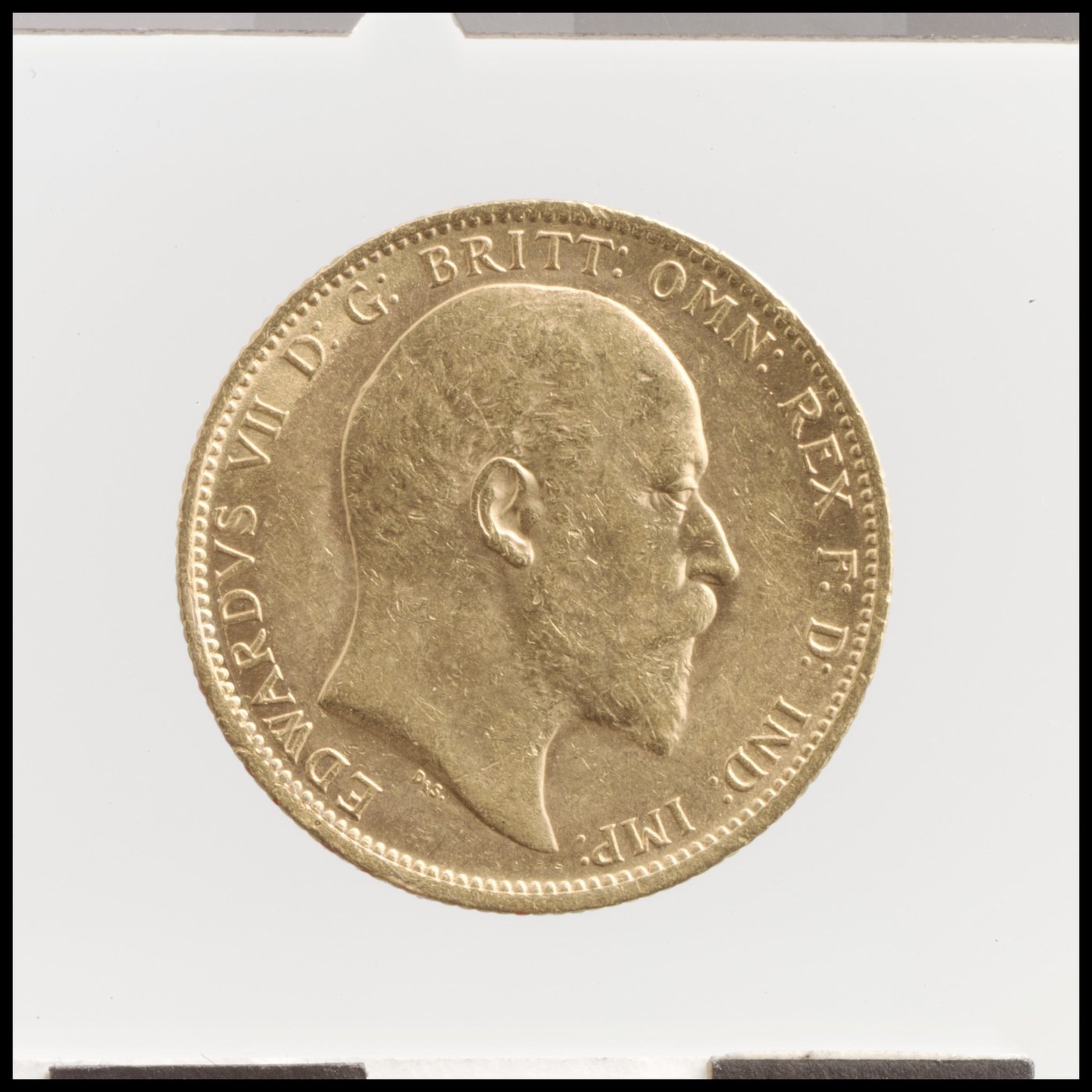
The British gold sovereign: a one-pound gold coin. This 1817 George III example shows a laureate bust and a crowned heraldic shield of the royal arms.
- Country
- United Kingdom
- Denomination
- 1 Sovereign
- Metal
- Gold
Got a coin like this?
Identify any coin from a photo, free.
Overview
The gold sovereign is Britain's classic one-pound gold coin, first struck in its modern form in 1817. The example described here is an early sovereign of King George III, dated 1817, with the king's laureate bust facing left on the obverse and a heraldic coat of arms on the reverse.
The sovereign is a small, dense gold coin struck in 22-karat 'crown gold' (about 91.67% gold, alloyed with copper for hardness). A full sovereign contains just under a quarter of a troy ounce of pure gold, which gives it a warm, deep-yellow tone and a substantial feel for its modest diameter.
As seen in this view, the reverse carries a crowned shield bearing the quartered royal arms rather than a pictorial scene. The obverse shows George III wreathed in laurel and facing left, with a surrounding Latin legend naming the monarch.
History & Background
The modern sovereign was introduced in 1817 as part of the Great Recoinage that followed the Napoleonic Wars, replacing the earlier guinea and establishing a gold coin valued at one pound sterling. The 1817 date on this coin places it at the very start of that series, in the final years of George III's long reign.
Early George III sovereigns were struck at the Royal Mint in London and set the pattern for a coin that would go on to be produced across the reigns of later British monarchs. Over the following two centuries the sovereign became one of the most widely recognized gold coins in the world, at times minted not only in London but also at branch mints across the British Empire.
The design combination on an 1817 sovereign — a laureate royal bust paired with a heraldic shield of arms — reflects early nineteenth-century British coinage style. Because it is an early, historic issue rather than a modern bullion strike, a genuine 1817 sovereign is both a gold coin and a collectible artifact of the Georgian era.
How to Identify
Start with the portrait and legend. The obverse of this coin shows George III facing left, his head encircled by a laurel wreath, with a Latin inscription running around the rim that names him as king. A laureate left-facing bust with the date 1817 is the key marker of this early George III sovereign.
Turn to the reverse. Instead of a figural scene, this sovereign shows a crowned heraldic shield containing the quartered royal coat of arms. Read the shield and its ornamentation carefully, as the specific arrangement of the arms and surrounding decoration is characteristic of the issue.
Confirm the physical coin. A full sovereign is a small gold piece — roughly 22 mm across — struck in 22-karat gold and weighing about 8 grams, of which just under a quarter ounce is pure gold. Its warm color, dense feel, and precise diameter and weight all help separate a genuine sovereign from thinner or lighter imitations.
Value & Collectibility
A gold sovereign always carries a floor of value from its gold content: just under a quarter troy ounce of pure gold, which tracks the daily gold spot price. Common later sovereigns often trade close to that bullion value plus a modest premium.
An early dated sovereign such as this 1817 George III piece is different, because age, historical significance, and relative scarcity can lift its worth well above melt value. Condition matters enormously — a worn example is worth far less than a sharp, well-preserved one — and early dates in high grade can be genuinely rare and valuable.
Because both gold prices and collector demand shift over time, treat any single figure as a snapshot. For an early sovereign, have the exact date, monarch, and condition assessed, and check recent auction and dealer results for comparable coins before settling on a value.
Frequently asked questions
What is a gold sovereign worth?
Every sovereign is backed by its gold content — just under a quarter ounce of pure gold — so it tracks the gold price at minimum. An early dated coin like an 1817 George III sovereign can be worth considerably more depending on its condition and scarcity, so bullion value is only the starting point.
How much gold is in a full sovereign?
A full sovereign is struck in 22-karat gold and weighs about 8 grams, containing just under a quarter of a troy ounce (roughly 7.3 grams) of pure gold. The remaining metal is copper, which hardens the coin and gives it a warm tone.
Who is on this 1817 sovereign?
The obverse shows King George III, depicted with his head facing left and crowned by a laurel wreath, with a Latin legend naming him as king. The 1817 date marks it as an early example from the first years of the modern sovereign.
Why does this sovereign show a shield instead of St George?
This coin's reverse carries a crowned heraldic shield with the quartered royal arms. Heraldic shield reverses were used on sovereigns in this period, so the coat-of-arms design is a legitimate sovereign type rather than a sign of a different coin.
Is the gold sovereign pure gold?
No. Sovereigns are struck in 22-karat 'crown gold,' about 91.67% gold alloyed with copper. This makes the coin more durable than pure 24-karat gold while still guaranteeing its gold content.
Gold Sovereign guides
In-depth guides for identifying, valuing, and collecting Gold Sovereign.
Other coins you may enjoy
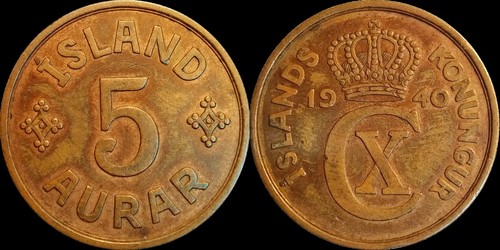
5 Aurar
1926-1942
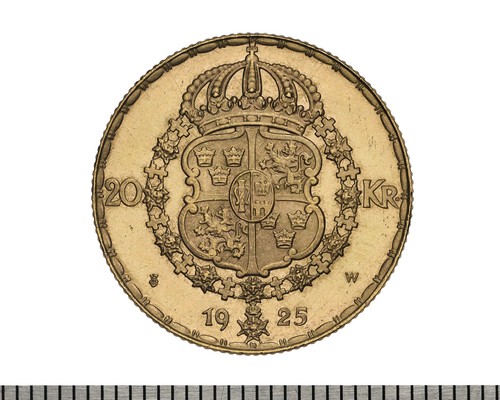
20 Kronor
1925 (denomination struck 1873-1925)
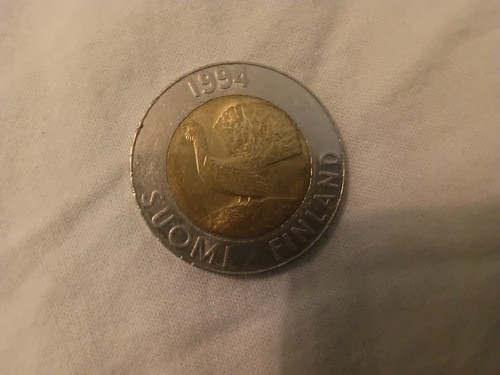
10 Markka
1993–2001
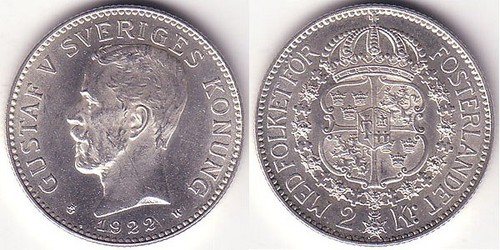
2 Kronor
1910-1940 (this example dated 1922)
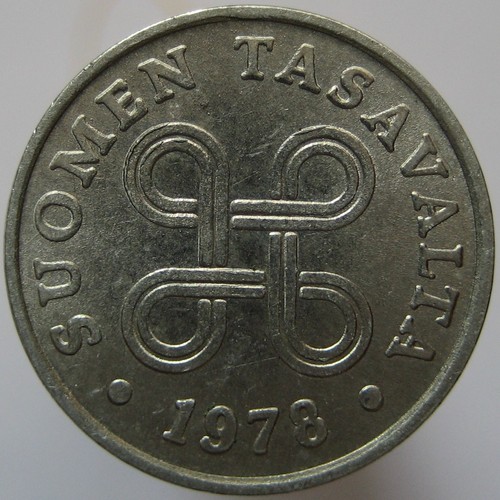
1 Penni
1969–1979
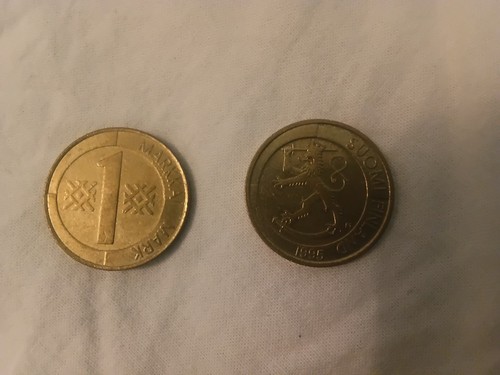
1 Markka
1993–2001
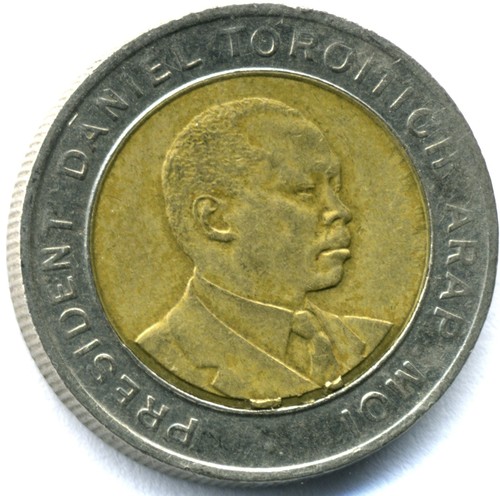
Kenya 5 Shillings
Bimetallic issues (2005–2010)
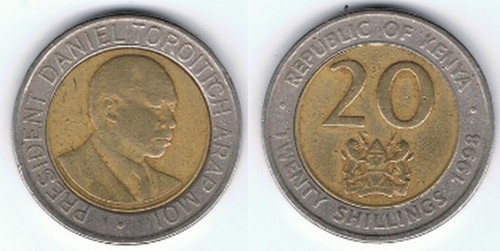
Kenya 20 Shillings
Modern issue (late 1990s–2000s)
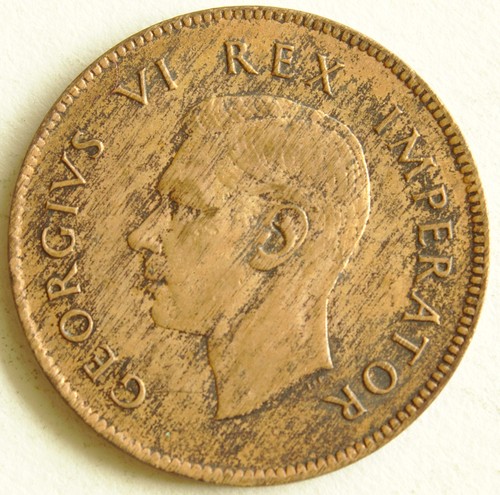
South Africa Farthing
1923-1960
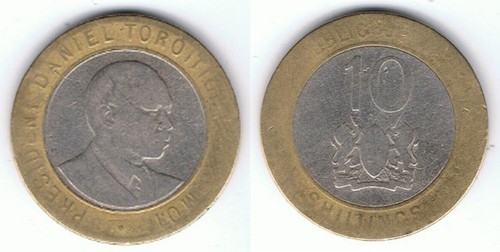
Kenya 10 Shillings
Republic of Kenya, bimetallic issues (mid-1990s to c. 2010)
Henri V Five Francs
1831
Tunisia 1 Millime
1960