
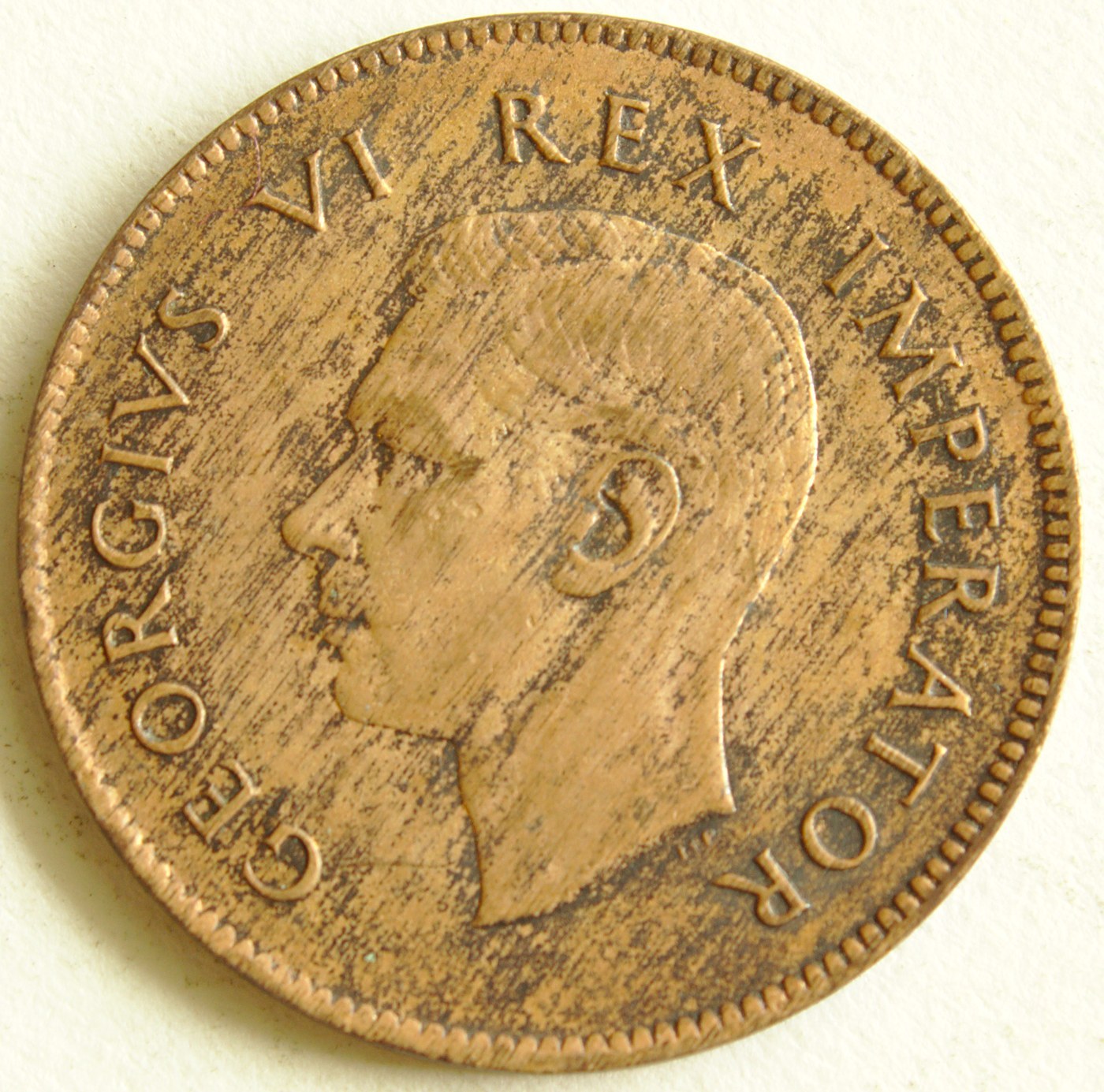
South Africa Farthing
The smallest bronze coin of the Union of South Africa, a quarter-penny with a crowned royal portrait and a South African bird reverse.
- Country
- South Africa
- Denomination
- Farthing
- Metal
- Bronze
Got a coin like this?
Identify any coin from a photo, free.
Overview
The South Africa Farthing is the smallest circulating bronze coin of the Union of South Africa, worth a quarter of a penny. The example shown here is a 1939 issue bearing the left-facing crowned portrait of King George VI with the abbreviated Latin legend including REX IND IMP ("King, Emperor of India").
The reverse departs from the British farthing and shows a distinctly South African design: two small birds, long associated with the Union's low-denomination coinage. The coin is bilingual across its issues, using both English and Afrikaans forms of the country name, reflecting the Union's two official languages.
Struck in bronze, the farthing is a small, light coin of roughly 20 mm diameter. It was a workhorse of everyday small change and, like its British counterpart, ceased to serve much purpose as prices rose over the decades.
History & Background
The Union of South Africa began issuing its own coinage in 1923, and the farthing formed the base of the bronze series alongside the halfpenny and penny. The 1939 coin shown here belongs to the reign of King George VI (1936-1952), whose portrait carries the title REX IND IMP, the "King and Emperor of India" style used on British Commonwealth coinage until India's independence in 1947.
Earlier farthings were struck under George V, and later issues appeared under Queen Elizabeth II. Across these reigns the country name was rendered bilingually, and the reverse bird design became a recognisable emblem of the Union's minor coinage. Coins were produced at the Pretoria Mint.
The farthing continued until the end of the Union's pre-decimal coinage. When South Africa decimalised in 1961, replacing pounds, shillings and pence with rand and cents, the farthing was among the denominations retired. It remains a familiar and affordable piece of pre-decimal Union numismatics.
How to Identify
Read the obverse legend first. A crowned or bare royal portrait with REX IND IMP in the surrounding Latin identifies a King (rather than Queen) issue and dates the coin to before India's 1947 independence. On the 1939 coin here the monarch is King George VI facing left.
The reverse carries a South African bird design rather than the seated Britannia of the British farthing, and the country name appears in both English and Afrikaans. Confirm the denomination as a quarter penny; the farthing is the smallest of the bronze trio, clearly below the halfpenny and penny in size.
Check the physical standard: bronze, small at roughly 20 mm in diameter, and light in the hand. A magnet should not attract it. The combination of the bird reverse, bilingual legends, and small bronze module separates the Union farthing from British and other Commonwealth farthings.
Value & Collectibility
The South Africa Farthing is an affordable, widely available coin for most dates. As a small bronze piece it carries little intrinsic metal value, so its worth is numismatic and driven mainly by date, mintage, and condition. Common circulated dates trade for modest sums.
Condition is the main lever on price. Heavily worn coins are inexpensive, while coins retaining sharp detail and original mint red on the bronze command higher premiums. Scarcer dates and any low-mintage years within the series are worth more than the common run.
Because values move with grade and the specific year, treat any single figure as indicative only. For a particular coin, especially one in high grade or an uncommon date, seek a written opinion from a reputable dealer or a third-party grading service before buying, selling, or insuring.
Frequently asked questions
What does REX IND IMP mean on the South Africa Farthing?
It is Latin for "King, Emperor of India," a royal title used on Commonwealth coinage until India became independent in 1947. It marks this as a King's issue, here George VI.
What is on the reverse of the South Africa Farthing?
A South African bird design, not the Britannia figure of the British farthing. The country name is shown in both English and Afrikaans, reflecting the Union's two official languages.
Is the South Africa Farthing made of silver?
No. The farthing is a bronze coin, the smallest of the Union's bronze denominations. It contains no precious metal and its value is numismatic rather than bullion.
When did South Africa stop making the farthing?
The farthing was part of the pre-decimal Union coinage and was retired when South Africa decimalised in 1961, switching from pounds, shillings and pence to rand and cents.
How much is a South Africa Farthing worth?
Most dates are common and inexpensive in worn condition. Value rises sharply with condition and for scarcer years; high-grade coins with original mint red bring the biggest premiums.
South Africa Farthing guides
In-depth guides for identifying, valuing, and collecting South Africa Farthing.
Other coins you may enjoy
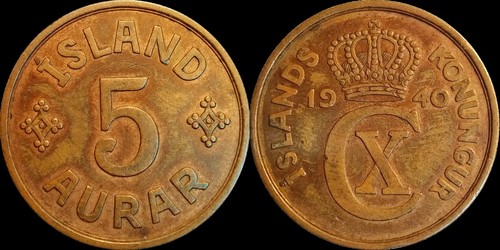
5 Aurar
1926-1942
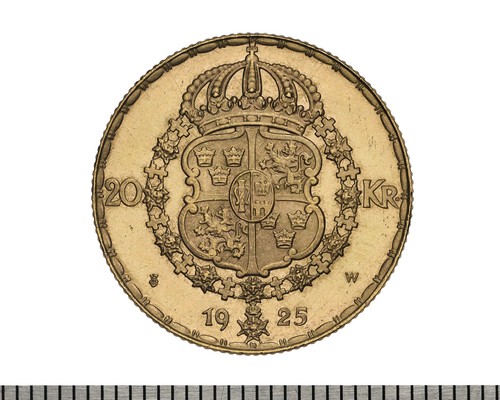
20 Kronor
1925 (denomination struck 1873-1925)
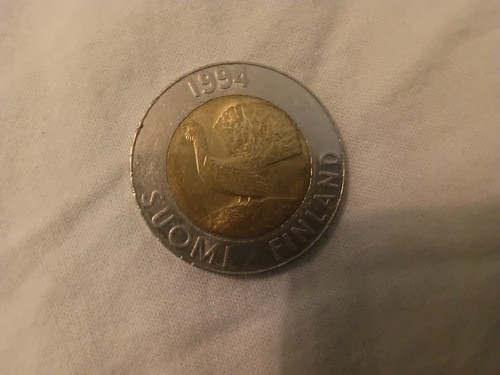
10 Markka
1993–2001
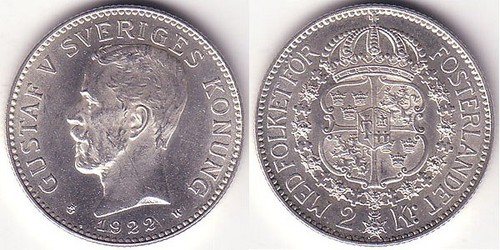
2 Kronor
1910-1940 (this example dated 1922)
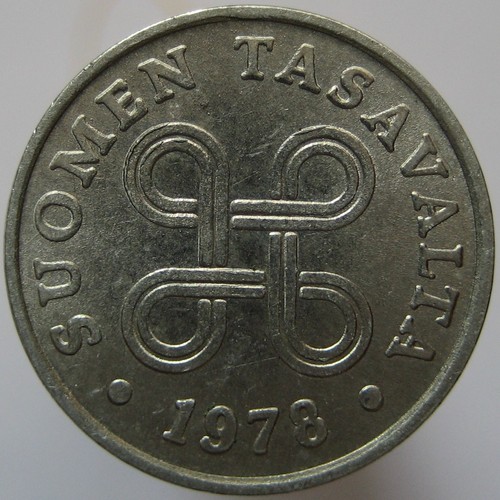
1 Penni
1969–1979
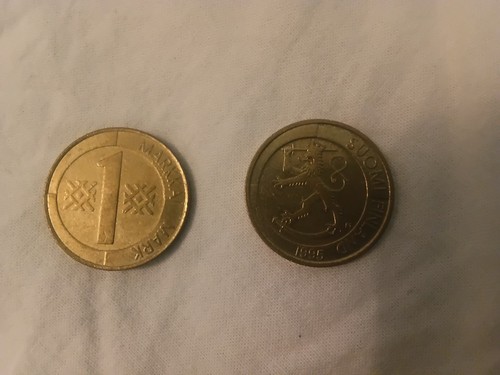
1 Markka
1993–2001
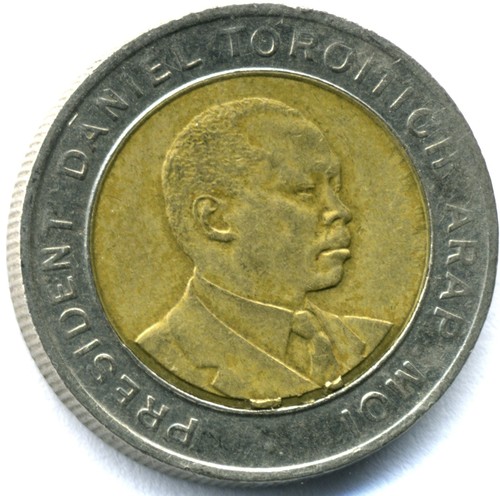
Kenya 5 Shillings
Bimetallic issues (2005–2010)
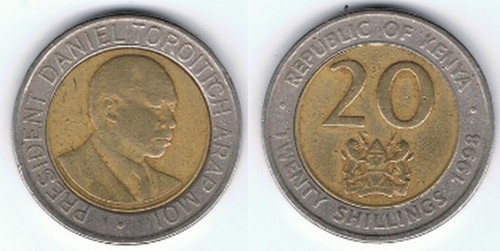
Kenya 20 Shillings
Modern issue (late 1990s–2000s)
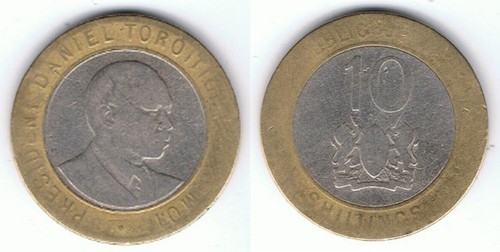
Kenya 10 Shillings
Republic of Kenya, bimetallic issues (mid-1990s to c. 2010)
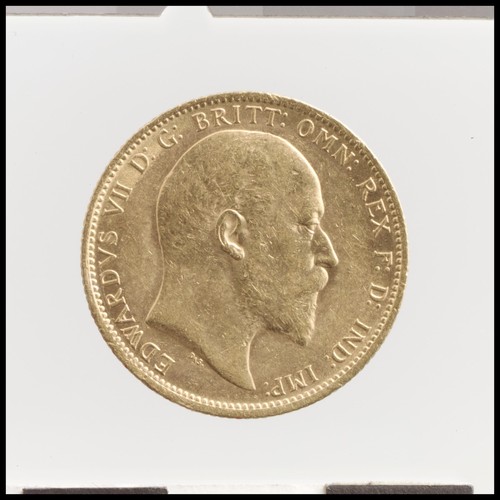
Gold Sovereign
1817–present
Henri V Five Francs
1831
Tunisia 1 Millime
1960