
Tunisia 1 Millime
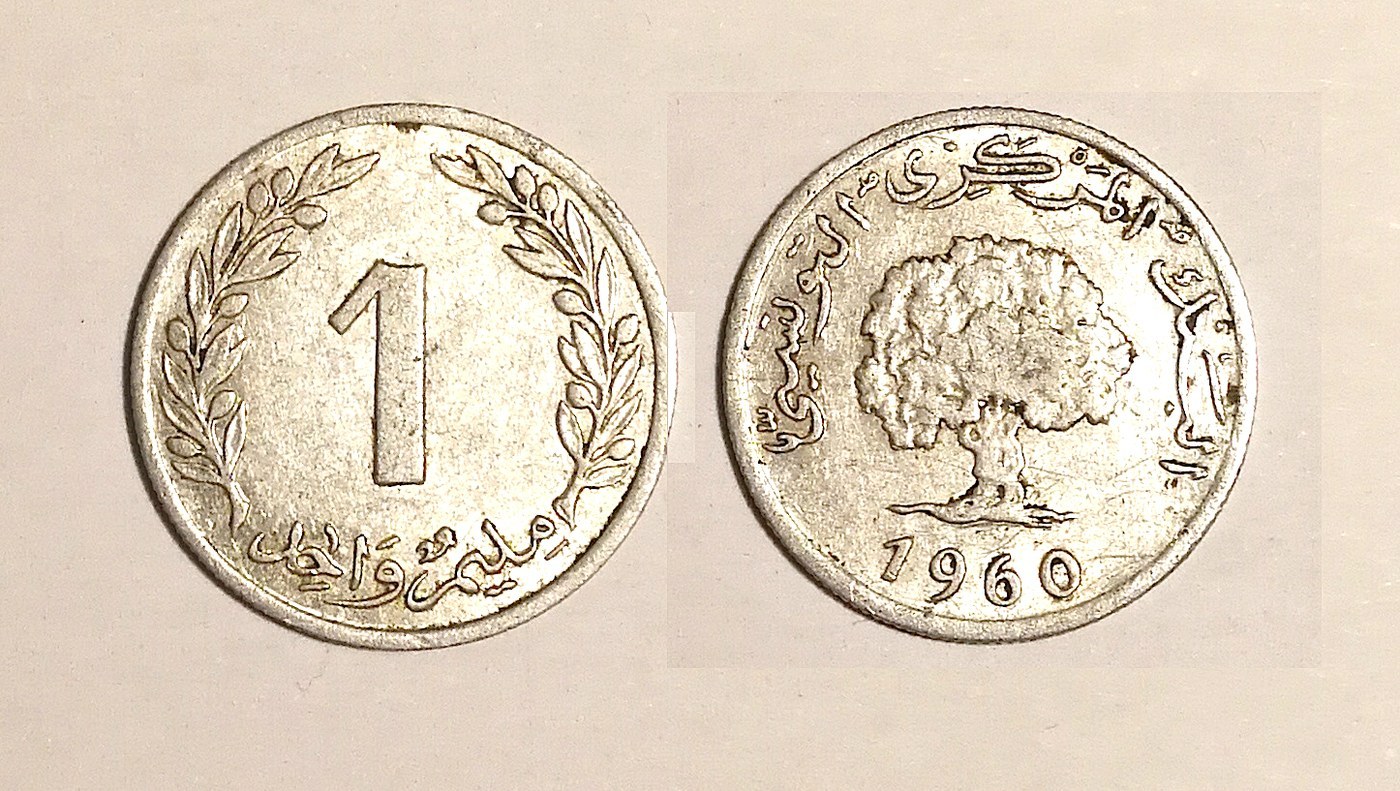
Tunisia's smallest post-independence coin, a tiny aluminum-bronze 1 millime of 1960 showing the value 1 framed by laurel and a numeral in profile.
- Country
- Tunisia
- Denomination
- 1 Millime
- Metal
- Aluminum-Bronze
Got a coin like this?
Identify any coin from a photo, free.
Overview
The Tunisia 1 millime is the smallest denomination of the coinage Tunisia introduced when it adopted the dinar, which is divided into 1,000 millimes. As seen on the coin, one face carries a large numeral 1 for the value, encircled by laurel branches, while the other face shows a numeral rendered in profile facing right along with inscriptions and the date.
Struck in a warm-toned aluminum-bronze alloy, the piece is small, light, and utilitarian, meant for everyday small change rather than commemoration. Its golden color and modest size make it recognizable as a minor circulation coin of the early Tunisian republic.
The example documented here is dated 1960, the year the new decimal millime system was launched, placing this coin among Tunisia's first modern national issues after the country moved away from the earlier franc-based currency.
History & Background
Tunisia gained independence from France in 1956 and became a republic in 1957 under its first president, Habib Bourguiba. In 1960 the country reformed its money, replacing the Tunisian franc with the dinar, subdivided into 1,000 millimes. The 1 millime coin dates from this reform and represents the very bottom of the new decimal scale.
Because a single dinar contained a thousand millimes, the 1 millime was a fractional coin of tiny purchasing power from the outset. It was issued in aluminum-bronze as part of a family of low denominations that gave the young republic a full set of national coins to circulate alongside its new banknotes.
As the dinar's value settled and prices rose over the following decades, such minuscule denominations gradually faded from everyday use. Surviving 1960 pieces are remembered today as artifacts of Tunisia's currency changeover rather than as coins that saw long, heavy service.
How to Identify
Start with the numeral face. A genuine Tunisia 1 millime shows a bold 1 as its value, wreathed by laurel branches, making the denomination unmistakable. The opposite face carries a numeral shown in profile facing right, together with Arabic and Latin inscriptions and the date, which on this issue reads 1960.
The coin is small, thin, and struck in aluminum-bronze, so it has a distinctly golden or brassy tone rather than the pale silver look of nickel or aluminum minors. It is light in the hand and should be non-magnetic. Compare its diameter and weight against the other early millime denominations (2, 5, and higher), which share the family style but carry larger value numerals.
Use the date and the laurel-framed 1 together to confirm the coin. The 1960 dating ties the piece to Tunisia's introduction of the millime, and the single-digit value separates it from the larger, more common circulation coins of the same era.
Value & Collectibility
The Tunisia 1 millime is a small base-metal minor, and most circulated examples carry only modest value. As an inexpensive world coin it typically trades for a fraction of a dollar to a few dollars, sold individually or as part of mixed Tunisian or North African lots.
Condition is the main driver of any premium. Bright, uncirculated pieces with full original luster and sharp detail on the laurel wreath and numeral appeal to collectors of Tunisian coinage and can bring somewhat more than worn examples, though values generally stay low.
Because it is a common early-republic minor, treat any single figure as a rough guide. For a specific coin, judge its grade and check recent world-coin listings, since eye appeal and preservation matter more here than rarity.
Frequently asked questions
What is a millime?
A millime is the smallest unit of Tunisian currency. One Tunisian dinar is divided into 1,000 millimes, so the 1 millime coin represents a single one-thousandth of a dinar.
What metal is the Tunisia 1 millime made of?
It is struck in aluminum-bronze, a base-metal alloy that gives the coin a warm golden or brassy color. It contains no precious metal and is a low-value circulation piece.
Why is it dated 1960?
1960 is the year Tunisia introduced the dinar and its millime subdivisions, replacing the earlier franc currency. This 1 millime is among the first coins of that new decimal system.
Is my Tunisia 1 millime valuable?
Usually only modestly. It is a common base-metal minor worth little beyond a small collector value, though clean uncirculated examples with strong luster can bring a slight premium.
What do the two sides show?
One face displays a large numeral 1 for the value surrounded by laurel branches; the other shows a numeral in profile facing right along with inscriptions and the date.
Tunisia 1 Millime guides
In-depth guides for identifying, valuing, and collecting Tunisia 1 Millime.
Other coins you may enjoy
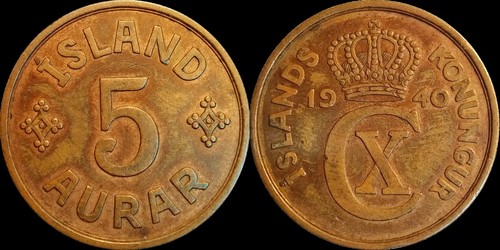
5 Aurar
1926-1942
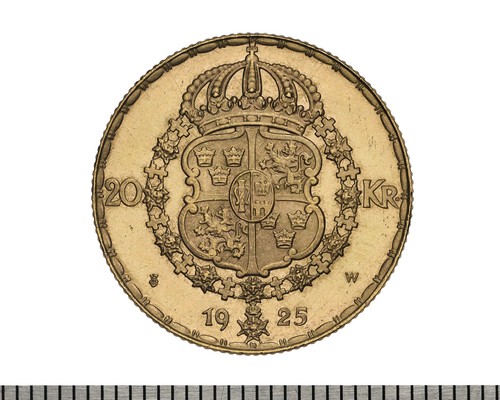
20 Kronor
1925 (denomination struck 1873-1925)
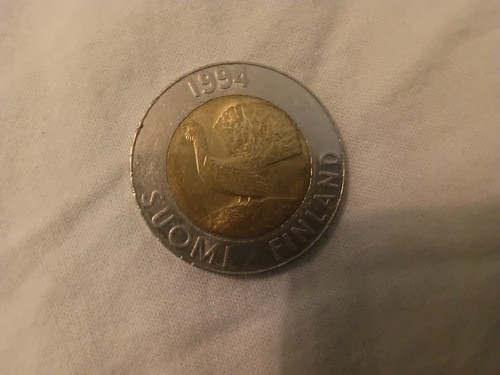
10 Markka
1993–2001
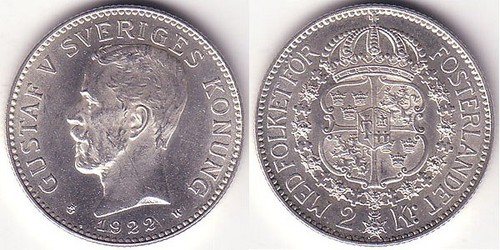
2 Kronor
1910-1940 (this example dated 1922)
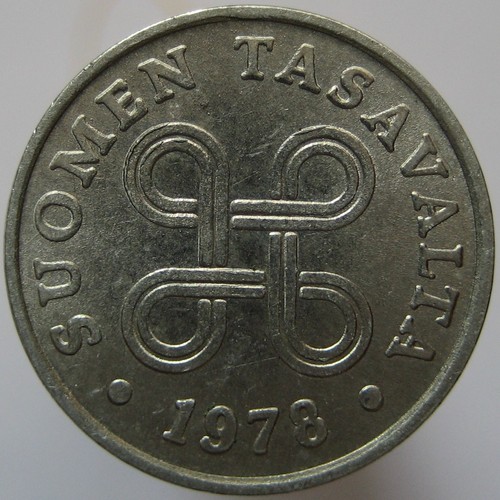
1 Penni
1969–1979
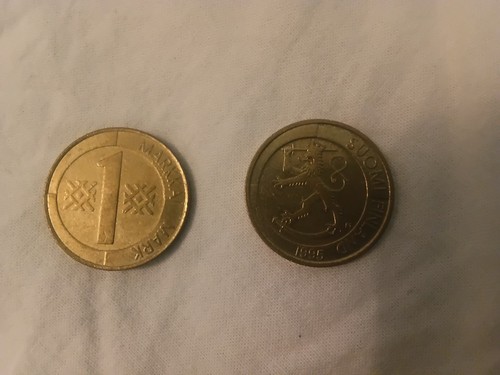
1 Markka
1993–2001
Kenya 5 Shillings
Bimetallic issues (2005–2010)
Kenya 20 Shillings
Modern issue (late 1990s–2000s)
South Africa Farthing
1923-1960
Kenya 10 Shillings
Republic of Kenya, bimetallic issues (mid-1990s to c. 2010)
Gold Sovereign
1817–present
Henri V Five Francs
1831