
Israel 10 Lirot
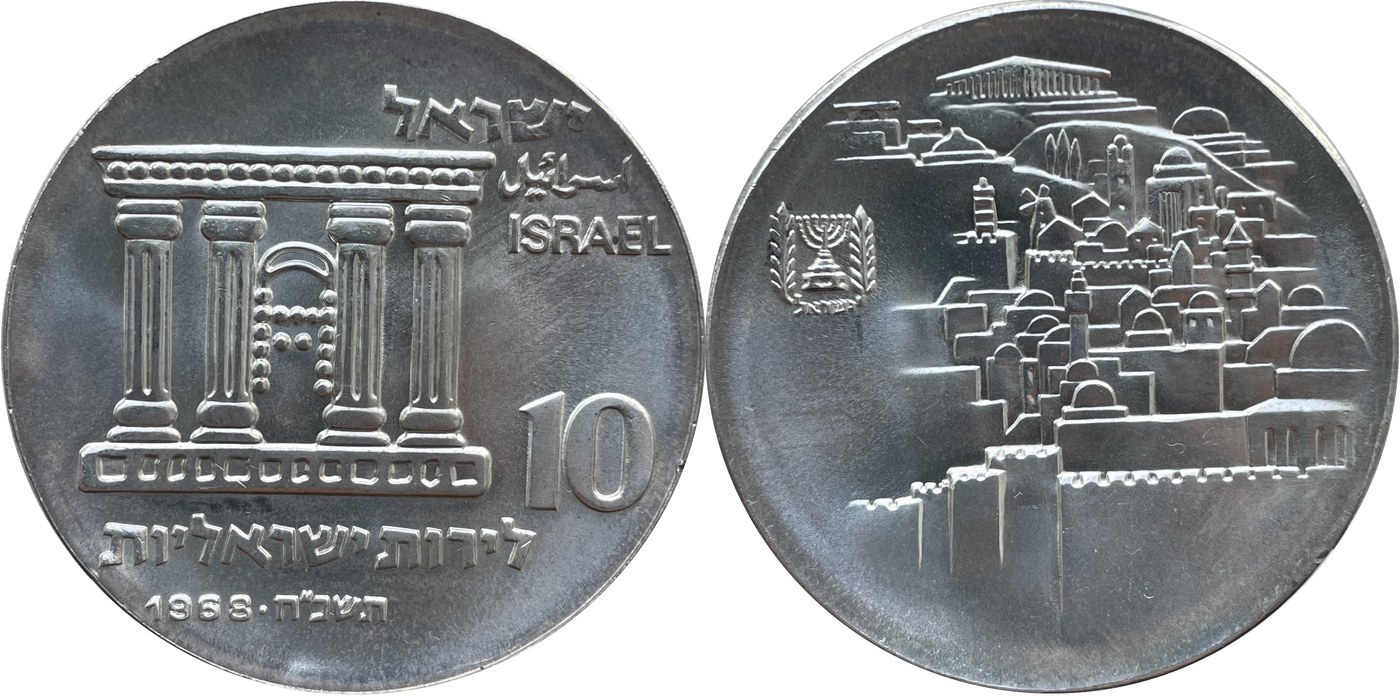
Israel's 1968 silver 10 Lirot, struck for the 20th anniversary of independence, pairing a menorah emblem with a view of Jerusalem.
- Country
- Israel
- Denomination
- 10 Lirot
- Metal
- Silver
Got a coin like this?
Identify any coin from a photo, free.
Overview
The Israel 10 Lirot is a crown-sized silver commemorative issued by the Bank of Israel. The example shown is dated 1968 and carries a menorah design flanked by columns on one face and a view of the Jerusalem cityscape on the other. Ten lirot (the lira, or Israeli pound, was the national currency before the shekel) was a high face value, marking this as a collector piece rather than everyday spending money.
The coin belongs to Israel's long-running series of annual Independence Day commemoratives. Its Jerusalem theme reflects the mood of the late 1960s, and the silver composition, large diameter, and careful strike place it firmly among non-circulating collector issues rather than pocket change.
Because it was made for numismatists, surviving examples are usually well preserved. Both a frosted proof version and a brilliant uncirculated version were produced, and both remain widely available to collectors today.
History & Background
The lira (Israeli pound) served as Israel's currency from the early 1950s until it was replaced by the shekel in the early 1980s. During that period the Bank of Israel, working with the Israel Government Coins and Medals Corporation, issued a silver 10 Lirot coin each year to mark Independence Day (Yom Ha'atzmaut).
The 1968 issue commemorated the 20th anniversary of the founding of the State of Israel in 1948. Its imagery of Jerusalem resonated strongly in the year following the 1967 war, when the city featured prominently in national commemoration. The obverse carries the state's menorah emblem, one of Israel's oldest and most recognizable national symbols.
These Independence Day coins were sold to collectors at a premium over face value rather than released into circulation. That distribution model is why the series is remembered today as commemorative silver rather than as working currency.
How to Identify
Look first at the denomination and the two central designs. Genuine pieces read 10 Lirot and pair a menorah (shown here with flanking columns) on one side with a panoramic view of Jerusalem on the other, alongside Hebrew (and often English) legends and the date. The example here is dated 1968.
This is a large silver coin, roughly crown-sized at about 37 mm across and weighing near 26 grams in a high-silver alloy. Its heft, bright metal, and clean ring help separate it from base-metal tokens or medals of similar appearance.
Israeli commemoratives distinguish their proof strikes with a small Star of David mint mark placed near the design, absent on the plain uncirculated version. Checking for that mark, along with the Hebrew date and the Independence Day inscription, confirms both the type and the finish.
Value & Collectibility
As a silver crown, the 10 Lirot has a baseline worth tied to its bullion content, so its floor moves with the silver market. Most ordinary examples trade close to that intrinsic value plus a modest collector premium.
Condition and finish drive the difference in price. Frosted proof strikes and coins retained in their original mint packaging or holders bring more than loose, handled brilliant-uncirculated pieces. Because the Independence Day coins were made in collector quantities and carefully saved, high grades are common and premiums stay moderate.
For a specific coin, weigh and measure it, confirm the proof or uncirculated finish, and compare against recent sales of the same date. Values shift with the silver price and demand, so treat any figure as a range rather than a fixed number.
Frequently asked questions
What does the Israel 10 Lirot commemorate?
The 1968 coin was struck for the 20th anniversary of Israel's independence, part of the Bank of Israel's annual Independence Day silver series. Its Jerusalem cityscape reverse ties the design to the city's prominence in national commemoration at the time.
Is the 10 Lirot made of real silver?
Yes. It is a crown-sized silver commemorative, so it carries an intrinsic bullion value beneath any collector premium. Weigh and measure a specific coin to confirm it matches the expected silver specifications.
Was this coin used as everyday money?
No. Despite its high 10 Lirot face value, it was a non-circulating collector issue sold at a premium rather than released for spending. That is why most surviving pieces are in high grade.
What is the difference between the proof and uncirculated versions?
Both were struck for the same issue, but the proof carries a small Star of David mint mark and a frosted, mirror-like finish, while the uncirculated version lacks that mark and has an ordinary luster.
What is the menorah on the obverse?
It is Israel's national emblem, a seven-branched menorah, one of the country's oldest and most recognizable symbols. On this coin it appears flanked by columns alongside the denomination and legends.
Israel 10 Lirot guides
In-depth guides for identifying, valuing, and collecting Israel 10 Lirot.
Other coins you may enjoy
5 Aurar
1926-1942
20 Kronor
1925 (denomination struck 1873-1925)
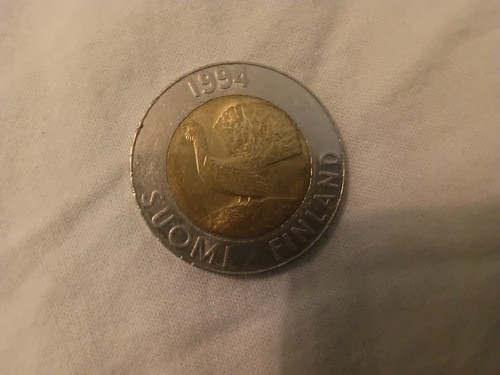
10 Markka
1993–2001
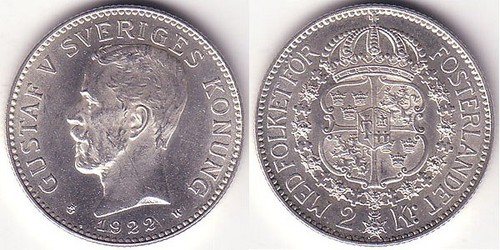
2 Kronor
1910-1940 (this example dated 1922)
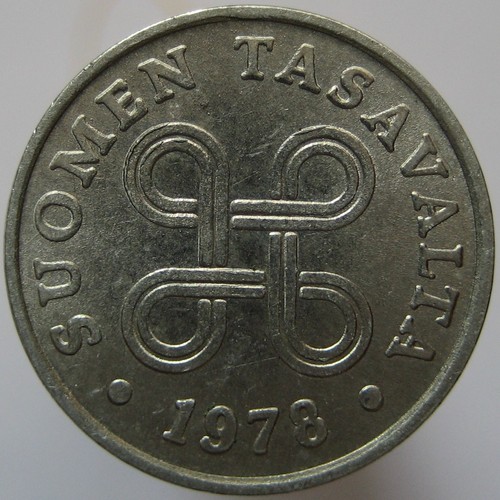
1 Penni
1969–1979
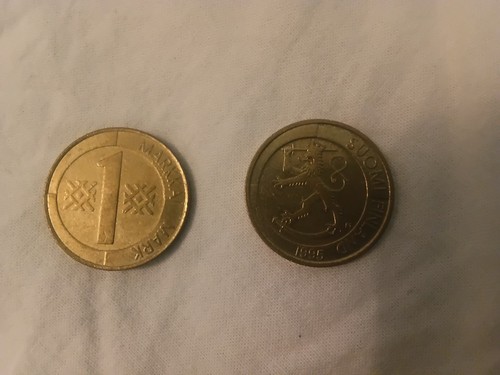
1 Markka
1993–2001
Kenya 5 Shillings
Bimetallic issues (2005–2010)
Kenya 20 Shillings
Modern issue (late 1990s–2000s)
South Africa Farthing
1923-1960
Kenya 10 Shillings
Republic of Kenya, bimetallic issues (mid-1990s to c. 2010)
Gold Sovereign
1817–present
Henri V Five Francs
1831