
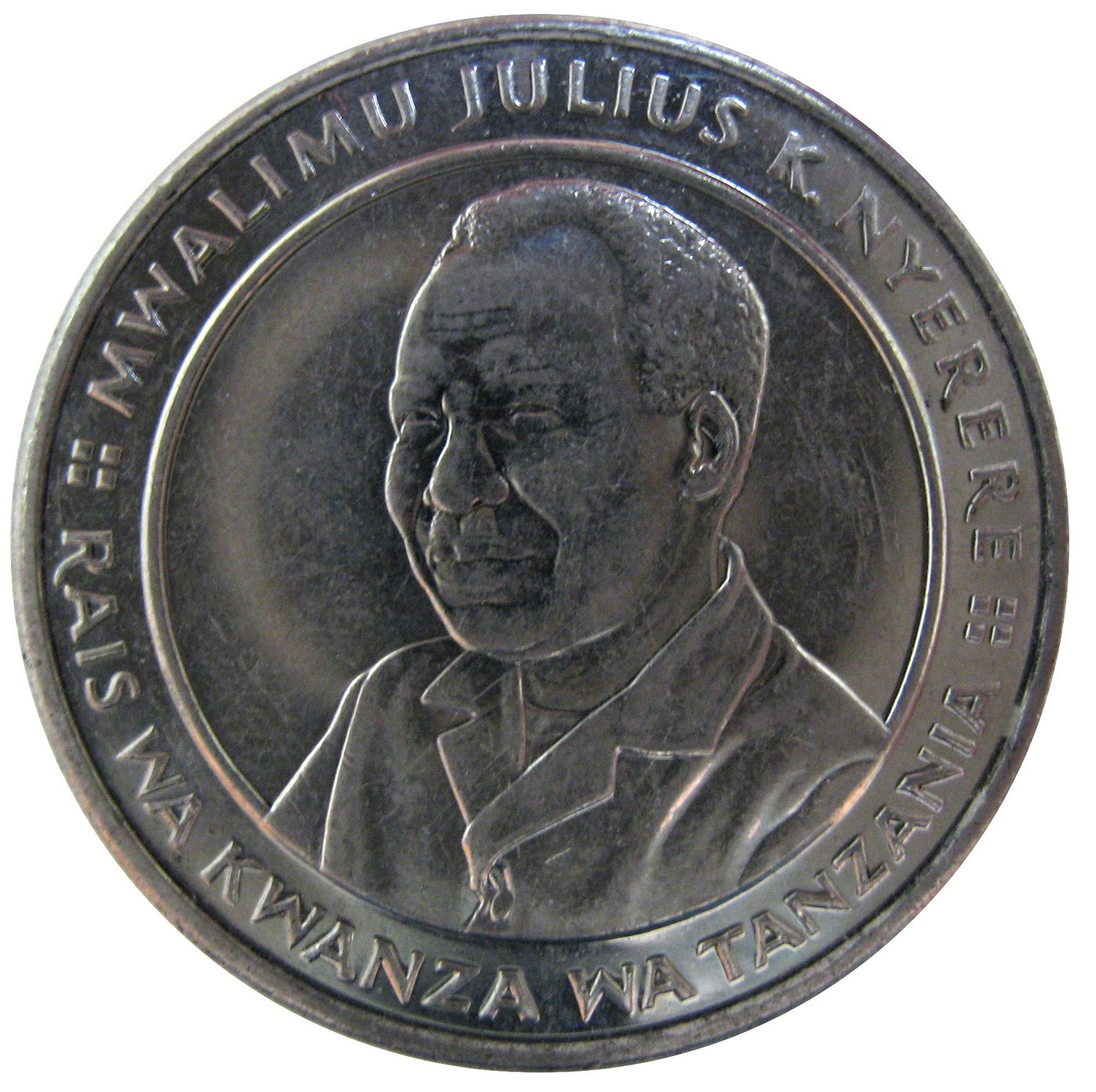
Tanzania 10 Shillings
A base-metal Tanzanian coin bearing President Julius Nyerere on the obverse and the national coat of arms with the value 10 on the reverse.
- Country
- Tanzania
- Denomination
- 10 Shillings
- Metal
- Copper
Got a coin like this?
Identify any coin from a photo, free.
Overview
The Tanzania 10 shillings is a mid-value circulation coin from the East African republic of Tanzania. As seen on the photographed 1993 example, one face carries a bust of Mwalimu Julius K. Nyerere, the country's first president, and the other shows the Tanzanian national coat of arms above the bold numeral 10.
The denomination is written in Swahili on the coin as SHILINGI KUMI, meaning "ten shillings." The shilling (shilingi) is Tanzania's national currency, and this piece served as everyday change during the late 1980s and early 1990s. It is a base-metal coin with a pale, silver-gray appearance rather than a precious-metal issue.
The design is patriotic and utilitarian: a founding statesman on one side and the state emblem on the other, framed by Swahili legends. Coins of this type circulated heavily and are common today in world-coin collections.
History & Background
Tanzania was formed in 1964 from the union of Tanganyika and Zanzibar, and Julius Nyerere—honored with the title "Mwalimu" (teacher)—served as its founding president. His portrait appears on much of the country's coinage from this era, and the obverse legend names him as RAIS WA KWANZA WA TANZANIA, "first president of Tanzania."
The 10 shillingi denomination in this design was struck across several years spanning the late 1980s and early 1990s, with the photographed coin dated 1993. Over this period Tanzania issued a family of shilling coins in ascending values, of which the 10 shillings was among the higher circulating pieces before larger denominations took over in later reforms.
As inflation reshaped Tanzanian currency through the 1990s, small and mid-value coins such as this were gradually superseded by higher denominations. The Nyerere-portrait 10 shillings therefore belongs to a defined historical series rather than to current circulation.
How to Identify
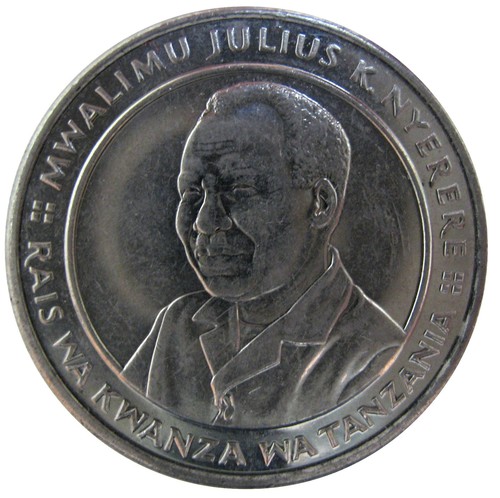
Start with the two faces. The obverse shows a facing-to-side bust of Julius Nyerere in a jacket, encircled by the legend MWALIMU JULIUS K. NYERERE and RAIS WA KWANZA WA TANZANIA. The reverse carries the Tanzanian coat of arms—a warrior's shield bearing a torch, crossed tools, and a spear, flanked by a man and a woman standing on a representation of Mount Kilimanjaro, with the motto UHURU NA UMOJA ("Freedom and Unity") on the base.
Read the reverse legend to confirm the type: SHILINGI KUMI ("ten shillings") arcs across the top with the date, and a large numeral 10 sits below the arms. The 1993 date on the photographed example appears to the right of the coat of arms. This numeral and the Swahili wording are the quickest way to separate it from Tanzania's 5, 20, or higher shilling coins of the same era.
The coin is a round, medium-sized base-metal piece with a pale, silvery-gray tone; issues of this period are commonly reported as nickel-clad steel, so a genuine example is typically attracted to a magnet. Use the magnet response, the Nyerere portrait, and the SHILINGI KUMI legend together rather than relying on any single feature.
Value & Collectibility
The Nyerere-portrait 10 shillings is a common circulation coin, and most examples are worth only a small amount above face value. Well-worn pieces are usually sold in bulk or as inexpensive world-coin filler, often for well under a dollar.
Condition is the main driver of any premium. Bright, uncirculated coins with full detail on the portrait and coat of arms can bring a modest amount from collectors of Tanzanian or East African coinage, but values generally stay in the low single-dollar range. Individual dates within the series can be scarcer than others.
Because these coins were produced for everyday use and survive in quantity, treat any figure as a rough guide. Check the exact date and grade against recent world-coin listings before assigning value, since a superior example may be worth several times an average circulated one while still remaining an affordable coin.
Frequently asked questions
Who is the man on the Tanzania 10 shillings?
It is Julius K. Nyerere, honored as "Mwalimu" (teacher) and Tanzania's first president. The obverse legend names him as RAIS WA KWANZA WA TANZANIA, meaning first president of Tanzania.
What does SHILINGI KUMI mean?
It is Swahili for "ten shillings," the coin's denomination. It appears on the reverse alongside the large numeral 10 and the date, such as 1993 on the photographed example.
Is the Tanzania 10 shillings made of silver?
No. Despite its pale, silvery-gray look it is a base-metal circulation coin, commonly reported as nickel-clad steel. It is not a precious-metal or bullion piece.
What is shown on the reverse of the coin?
The Tanzanian national coat of arms: a shield with a torch, crossed tools, and a spear, flanked by a man and a woman on Mount Kilimanjaro, above the motto UHURU NA UMOJA (Freedom and Unity).
Is my Tanzania 10 shillings valuable?
Usually only modestly. Most are common circulation coins worth little beyond face value, though uncirculated examples with sharp detail can bring a small premium from collectors.
Tanzania 10 Shillings guides
In-depth guides for identifying, valuing, and collecting Tanzania 10 Shillings.
Other coins you may enjoy
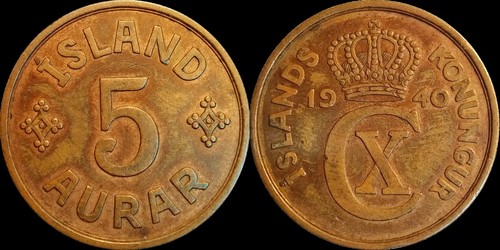
5 Aurar
1926-1942
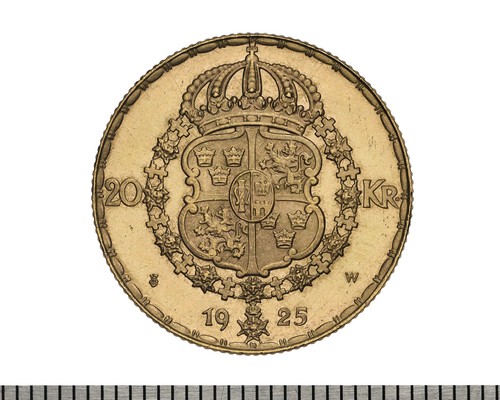
20 Kronor
1925 (denomination struck 1873-1925)
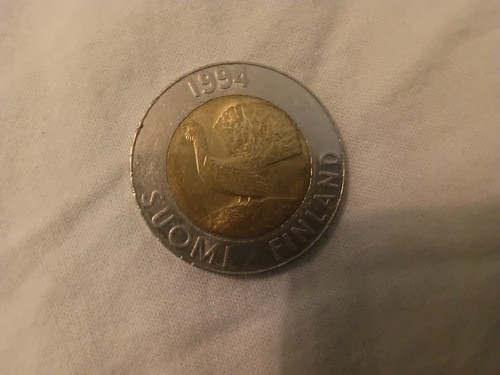
10 Markka
1993–2001
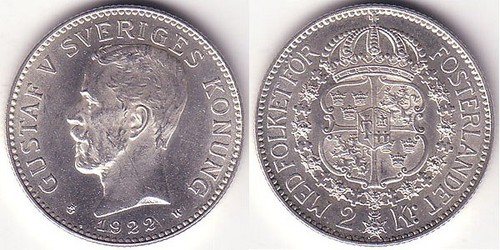
2 Kronor
1910-1940 (this example dated 1922)
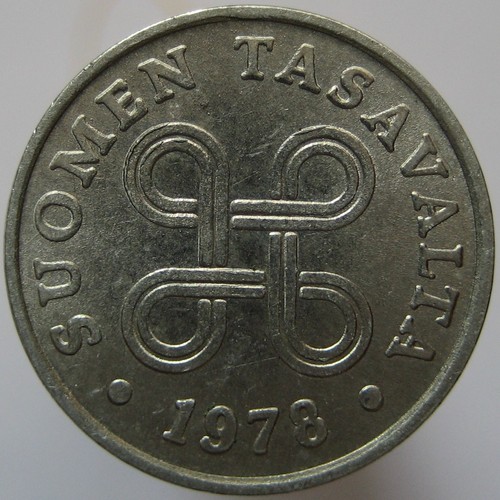
1 Penni
1969–1979
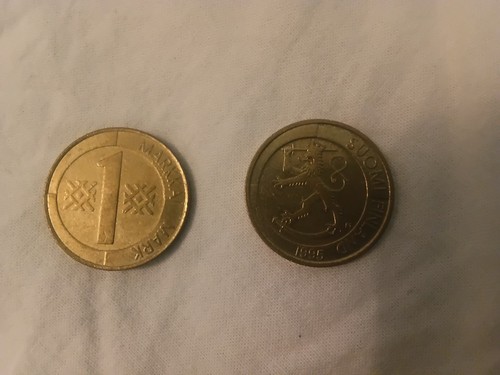
1 Markka
1993–2001
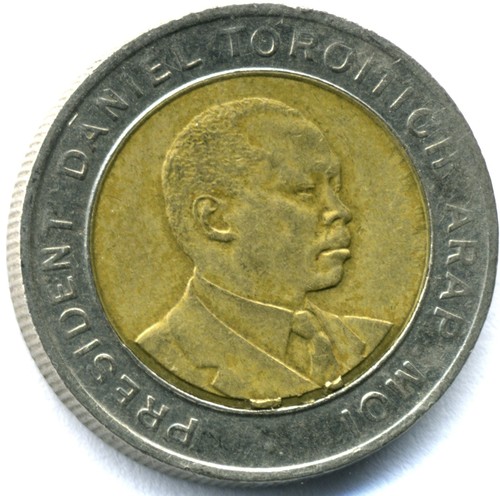
Kenya 5 Shillings
Bimetallic issues (2005–2010)
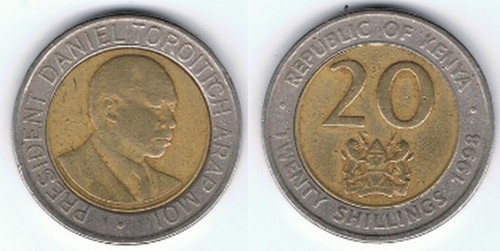
Kenya 20 Shillings
Modern issue (late 1990s–2000s)
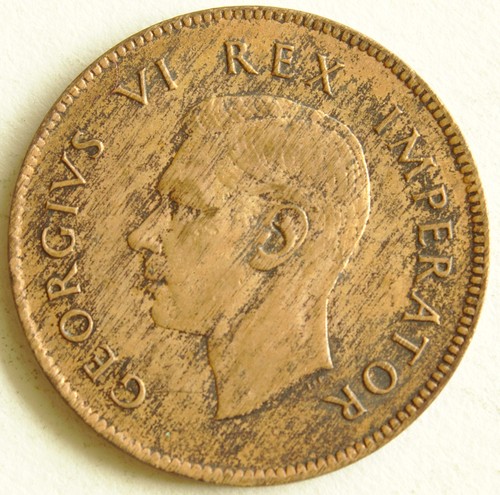
South Africa Farthing
1923-1960
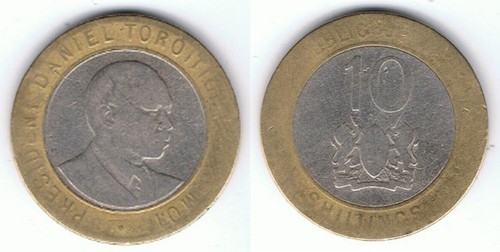
Kenya 10 Shillings
Republic of Kenya, bimetallic issues (mid-1990s to c. 2010)
Gold Sovereign
1817–present
Henri V Five Francs
1831