
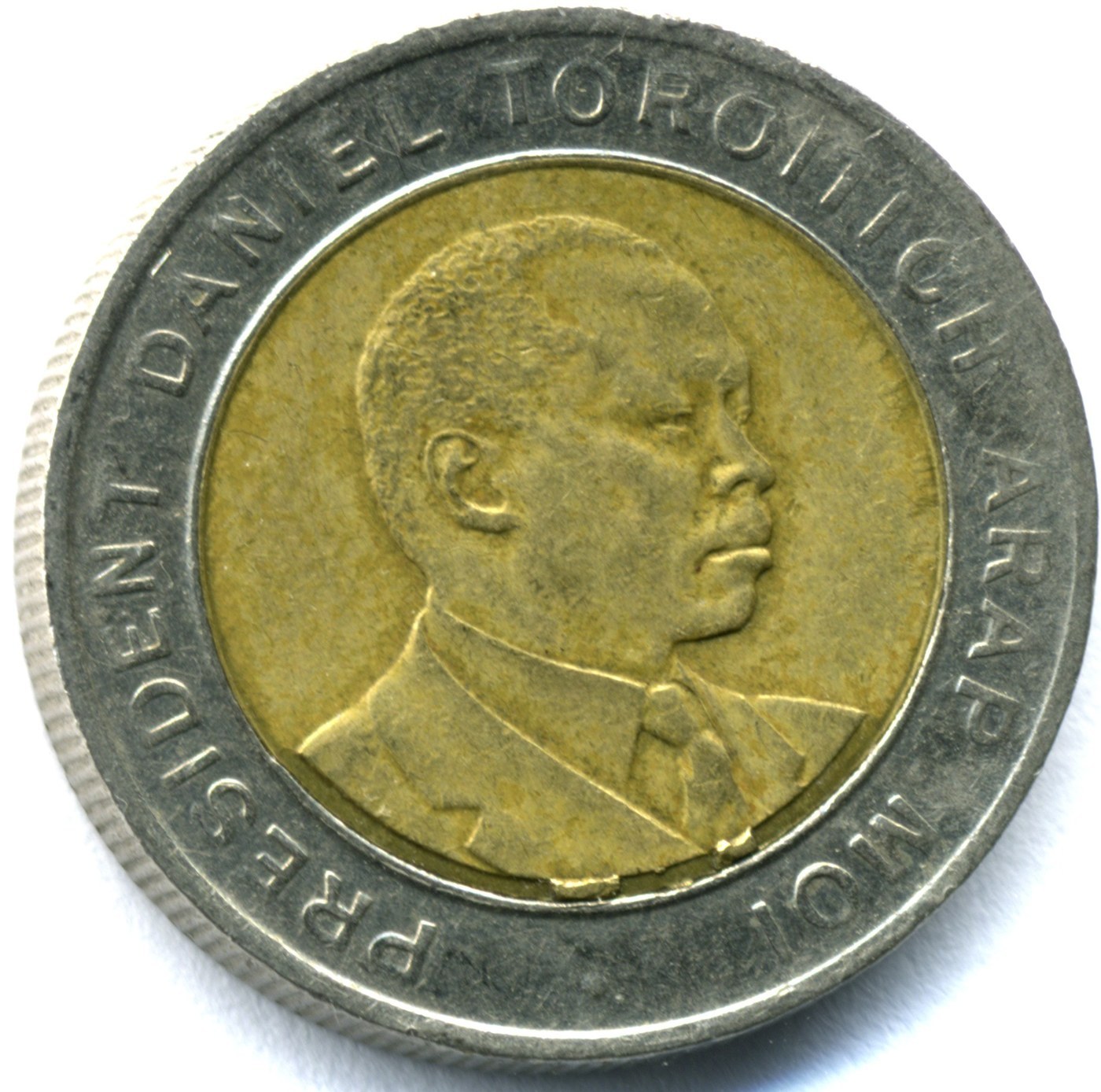
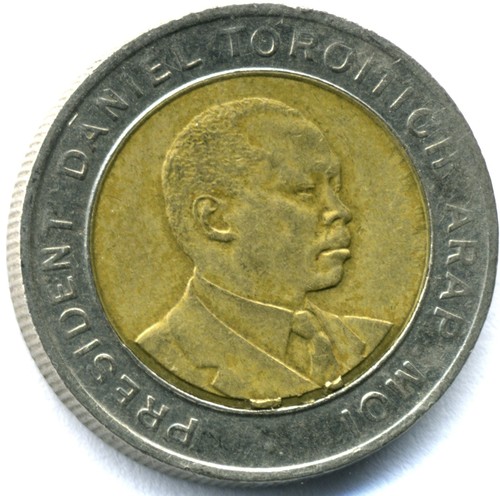
Kenya 5 Shillings
A modern bimetallic Kenyan coin pairing a President's portrait with the national coat of arms and the bold value 5 shillings.
- Country
- Kenya
- Denomination
- 5 Shillings
- Metal
- Bimetallic
Got a coin like this?
Identify any coin from a photo, free.
Overview
The Kenya 5 shillings shown here is a modern bimetallic circulation coin issued by the Central Bank of Kenya. It has a two-tone appearance, with a pale center disc set into a differently colored outer ring, a construction chosen for higher-value everyday coins that need to resist wear and be easy to tell apart by touch and sight.
As seen on the coin, one face carries the portrait of a Kenyan head of state, while the other bears the national coat of arms together with the denomination and the country name. The word for the currency, shillings (shilingi in Swahili), appears with the numeral 5, marking this as one of the larger circulating coin values in the Kenyan shilling system.
The piece is a workaday circulation coin rather than a commemorative, produced in quantity for daily commerce. Its combination of a leader's portrait and the state emblem is typical of Kenyan coinage from this period.
History & Background
Kenya adopted the Kenyan shilling in 1966, a few years after independence in 1963, replacing the earlier East African shilling that had circulated across the region. The Central Bank of Kenya has issued the country's coins and banknotes ever since, and portraits of the nation's presidents featured prominently on that coinage for decades.
The bimetallic 5 shillings belongs to a later generation of Kenyan coins in which higher denominations were struck as two-tone pieces for durability and anti-counterfeiting. Coins of this type carrying a presidential portrait were produced in the mid-2000s through around 2010, before a redesign of the country's circulating coinage.
Kenya's 2010 constitution discouraged the depiction of individuals on currency, and the later "new generation" coins introduced toward the end of the 2010s replaced the presidential portrait with wildlife imagery. A coin showing a leader's portrait therefore belongs to the earlier bimetallic series rather than the newest issue.
How to Identify
Start with the construction: this is a bimetallic coin, with a lighter-colored inner disc surrounded by a ring of a different tone. That two-tone build immediately separates the 5 shillings from Kenya's smaller single-metal coins. Confirm the value by the numeral 5 and the word SHILLINGS on the coin.
One face shows the portrait of a Kenyan president facing to the side, with the country name and legends around the rim. The opposite face carries the Kenyan coat of arms, which features two lions supporting a shield, spears, and the national motto, alongside the denomination. The date of striking appears in the field and identifies the specific year within the series.
Because several East African and world coins use a similar bimetallic format, rely on the inscriptions: a genuine piece names KENYA and states the value in shillings. The presence of a presidential portrait rather than an animal marks this as the earlier bimetallic type, not the later wildlife redesign.
Value & Collectibility
The bimetallic 5 shillings is a common modern circulation coin struck in base metal, so ordinary worn examples carry little value beyond their small face amount. They are inexpensive and widely available, and there is no precious-metal content to underpin a price.
Condition is the main driver of any premium. Uncirculated, lustrous examples and better-preserved dates can bring a modest amount from collectors of Kenyan or East African coinage, but values generally stay in the low range. Scarcer individual dates within the series may be worth somewhat more than common years.
Treat any figure as a rough guide and check a specific date and variety against recent world-coin listings. Bimetallic coins can also separate or discolor with heavy wear, which lowers desirability, so eye appeal and an intact two-tone surface matter for the small premium these coins command.
Frequently asked questions
Who is on the Kenya 5 shillings coin?
The portrait is of a Kenyan head of state. Presidential portraits appeared on Kenya's circulating coins for decades, and this earlier bimetallic 5 shillings carries such a portrait rather than the wildlife design used on the newer coins.
Is the Kenya 5 shillings made of silver?
No. It is a bimetallic base-metal coin, with a pale inner disc and a differently colored outer ring. Its two-tone look comes from combining two base-metal alloys, not from silver or any precious metal.
Why do newer Kenya 5 shilling coins look different?
Kenya's later "new generation" coins replaced the presidential portrait with wildlife imagery, reflecting a move away from depicting individuals on currency. A coin showing a leader's portrait belongs to the earlier bimetallic series.
What is the emblem on the reverse?
It is the coat of arms of Kenya, showing two lions supporting a shield with spears and the national motto. It appears alongside the denomination and identifies the coin as an official Kenyan issue.
Is my Kenya 5 shillings coin valuable?
Usually only modestly. Most are common circulation coins worth little beyond face value, though clean uncirculated examples or scarcer dates can bring a small premium from collectors.
Kenya 5 Shillings guides
In-depth guides for identifying, valuing, and collecting Kenya 5 Shillings.
Other coins you may enjoy
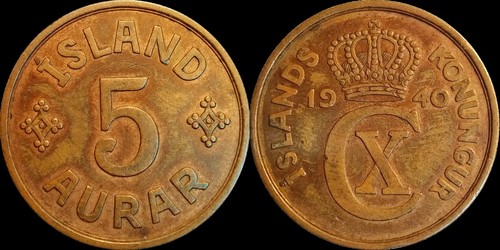
5 Aurar
1926-1942
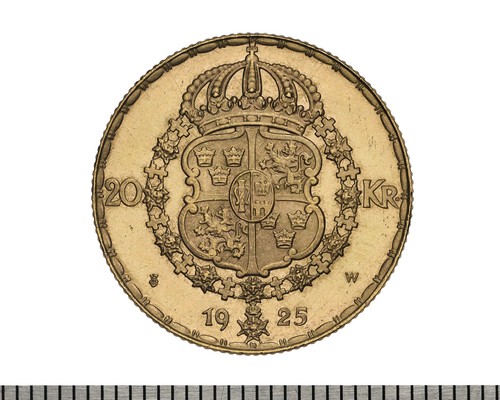
20 Kronor
1925 (denomination struck 1873-1925)
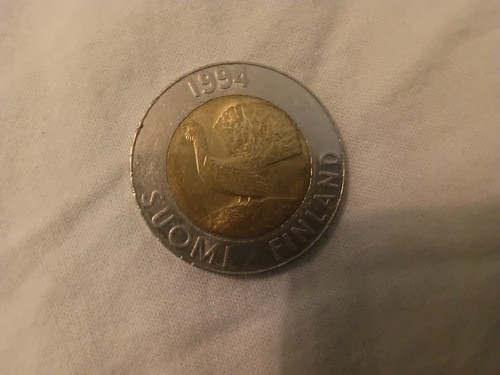
10 Markka
1993–2001
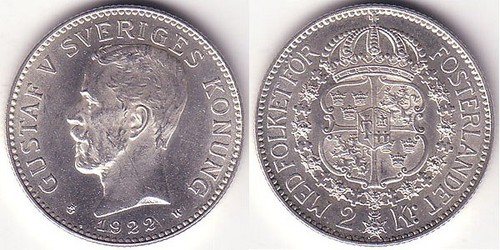
2 Kronor
1910-1940 (this example dated 1922)
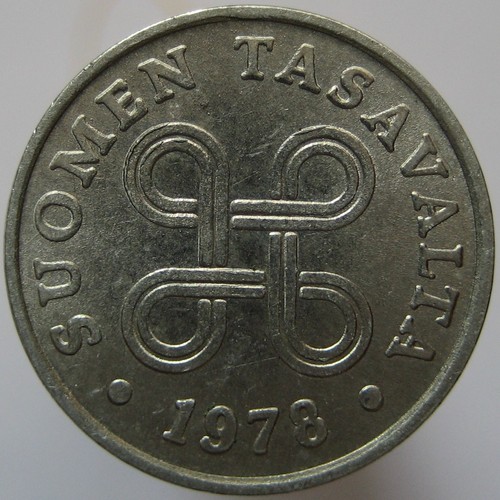
1 Penni
1969–1979
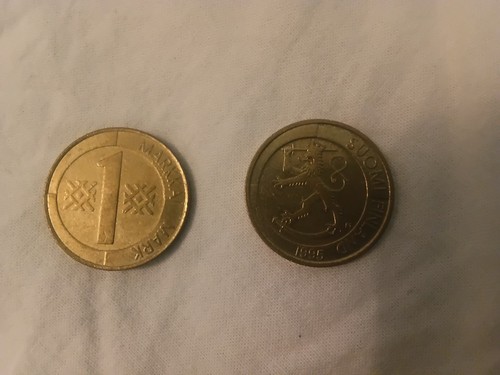
1 Markka
1993–2001
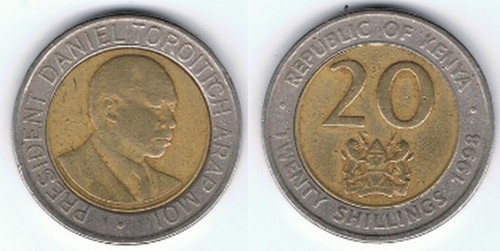
Kenya 20 Shillings
Modern issue (late 1990s–2000s)
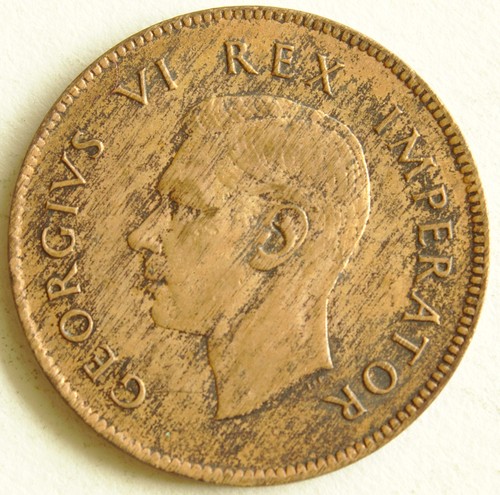
South Africa Farthing
1923-1960
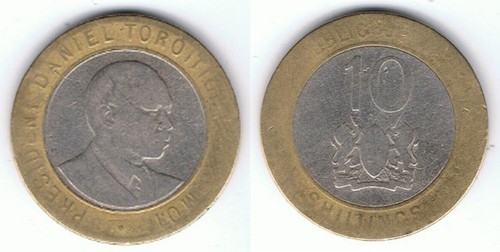
Kenya 10 Shillings
Republic of Kenya, bimetallic issues (mid-1990s to c. 2010)
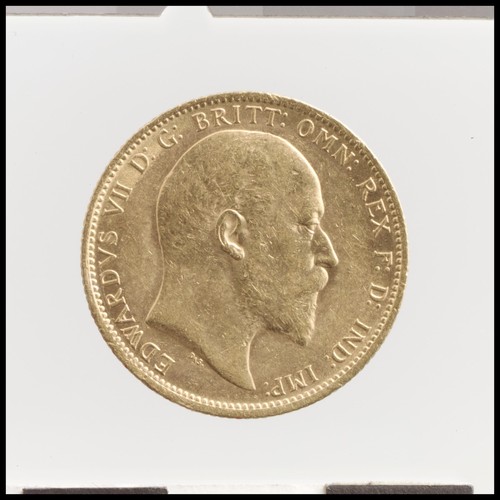
Gold Sovereign
1817–present
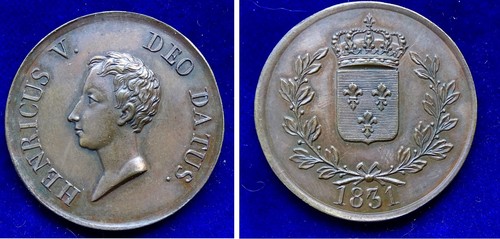
Henri V Five Francs
1831
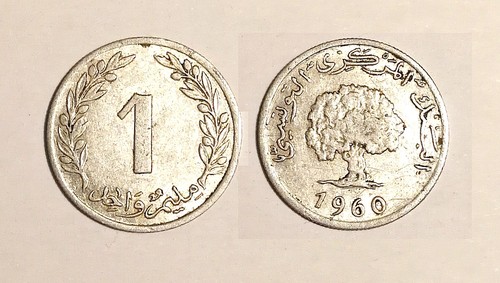
Tunisia 1 Millime
1960