
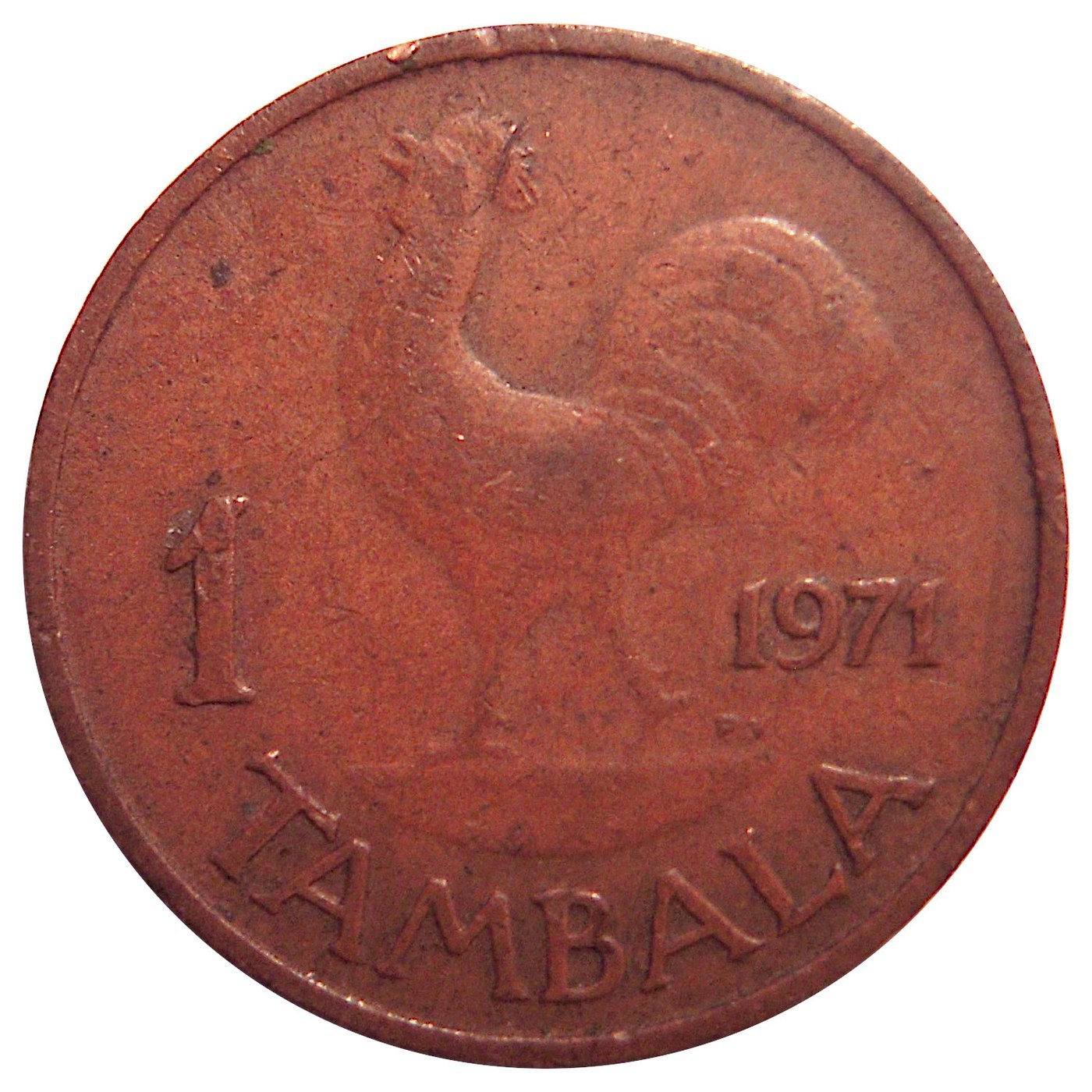
Malawi 1 Tambala
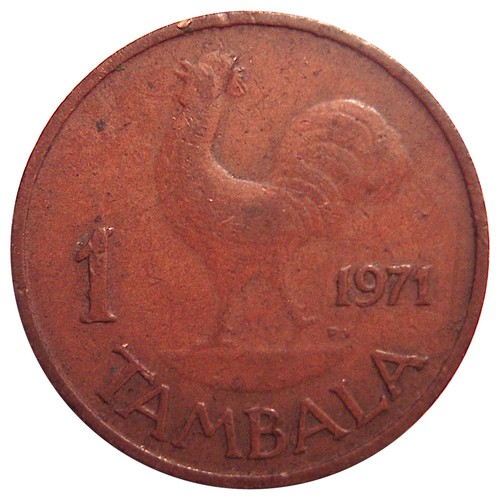
Malawi's small copper-bronze 1 tambala of 1971, showing President Hastings Kamuzu Banda on the obverse and a standing cockerel on the reverse.
- Country
- Malawi
- Denomination
- 1 Tambala
- Metal
- Copper
Got a coin like this?
Identify any coin from a photo, free.
Overview
The Malawi 1 tambala is a small copper-colored circulation coin from the first decimal series of the Republic of Malawi. The tambala is the country's minor unit, with 100 tambala making up one kwacha, so a single tambala is the lowest-value piece of everyday change. The example seen here is dated 1971, the year Malawi introduced its decimal currency.
As shown on the coin, one face carries the portrait of a man — Dr. Hastings Kamuzu Banda, Malawi's first president — with the legend MALAWI. The other face shows a standing cockerel (rooster) in an open, grassy field, flanked by the numeral 1, the year 1971, and the word TAMBALA below. The design ties directly to its name: "tambala" means cockerel in Chichewa, so the bird on the reverse is a visual pun on the denomination.
Struck in a reddish copper-bronze alloy rather than any precious metal, the coin is light, thin, and clearly a workhorse of small commerce rather than a commemorative piece.
History & Background
Malawi became independent from Britain in 1964 and a republic in 1966, with Hastings Kamuzu Banda as its first president. In 1971 the country replaced its earlier pound-based money with a decimal system built on the kwacha, divided into 100 tambala. The 1 tambala shown here belongs to that inaugural decimal coinage.
The portrait of Banda on the obverse reflects his central role as head of state, a fixture on Malawian coins and notes during his long tenure. The cockerel on the reverse is more than decoration: the rooster was the emblem of the ruling Malawi Congress Party, and it doubles as a literal illustration of the word tambala. Both design choices root the coin firmly in the politics and language of early-independence Malawi.
These first-series minor coins were produced for general circulation and saw heavy everyday use. As Malawi's currency lost purchasing power over the following decades, the tiny tambala denominations were struck in later years in altered metals and designs, and the smallest values eventually faded from practical use.
How to Identify
Start with the reverse, which is the most distinctive face. It shows a standing cockerel with raised head and full tail in a grassy setting, the large numeral 1 to the left, the year (1971 on this example) to the right, and the word TAMBALA curving along the bottom rim. This bird-and-TAMBALA combination is the quickest confirmation of the coin.
The obverse carries a right-facing bust of a man — President Hastings Kamuzu Banda — with the country name MALAWI along the lower edge. On worn pieces like those pictured, the portrait detail and legend can be soft, but the overall head-and-shoulders profile and the MALAWI inscription remain the key markers.
The coin is small, thin, and struck in a copper-bronze alloy, giving it a warm reddish-brown tone that darkens with wear and handling. It is not silver and not magnetic. Use the pairing of the Banda portrait with MALAWI on one side and the cockerel with TAMBALA on the other to separate it from similarly sized bronze small change of other countries.
Value & Collectibility
The 1 tambala is a common, low-face-value circulation coin, and worn examples such as those shown are generally worth only a small amount — typically well under a dollar and often sold in bulk world-coin lots or as inexpensive filler.
Condition is the main driver of any premium. Bright, uncirculated pieces with full cockerel and portrait detail and original red color can attract modest collector interest, especially as a first-year 1971 type or as an example of the cockerel design. Most circulated survivors, being brown and lightly worn, stay firmly in the low-value range.
Because these coins are plentiful and were produced for everyday use, treat any figure as a rough guide. For a specific date and grade, check recent world-coin listings and Malawi catalog references, since sharp uncirculated examples of early tambala coins can bring more than ordinary worn strikes.
Frequently asked questions
What does "tambala" mean?
Tambala is Malawi's minor currency unit, with 100 tambala equal to one kwacha. The word also means "cockerel" in Chichewa, which is why a rooster appears on the reverse of the coin.
Who is the man on the Malawi 1 tambala?
The obverse portrait is Dr. Hastings Kamuzu Banda, Malawi's first president, shown alongside the country name MALAWI. His image appeared widely on Malawian coins and banknotes during his time in office.
Is the 1 tambala coin made of silver?
No. It is struck in a copper-bronze alloy, giving it a reddish-brown color. It contains no precious metal and is a low-value circulation coin, not a bullion or silver piece.
Why is there a rooster on the coin?
The cockerel is both a play on the word tambala, which means rooster in Chichewa, and the historic emblem of the Malawi Congress Party. It makes the reverse design a visual illustration of the denomination's name.
Is my 1971 Malawi 1 tambala valuable?
Usually only modestly. Worn examples are common and worth little beyond a nominal amount. Bright, uncirculated first-year pieces with full detail can bring a small premium from collectors of African coinage.
Malawi 1 Tambala guides
In-depth guides for identifying, valuing, and collecting Malawi 1 Tambala.
Other coins you may enjoy
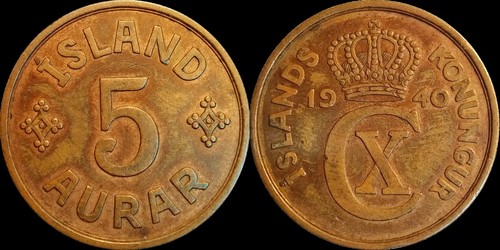
5 Aurar
1926-1942
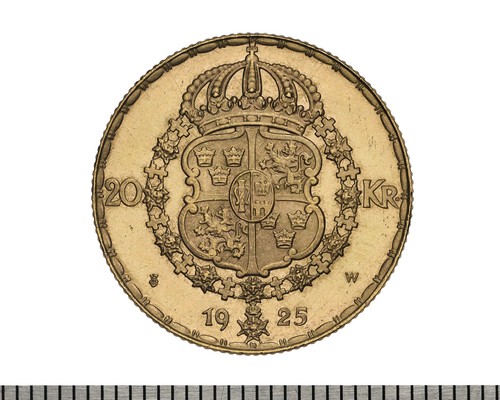
20 Kronor
1925 (denomination struck 1873-1925)
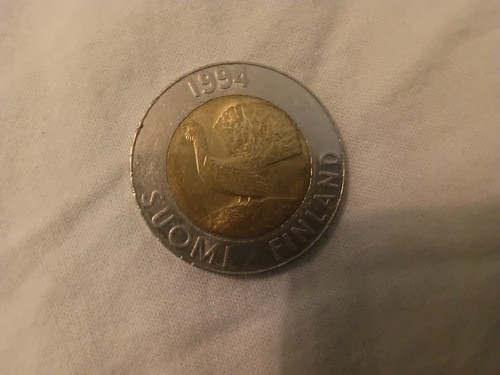
10 Markka
1993–2001
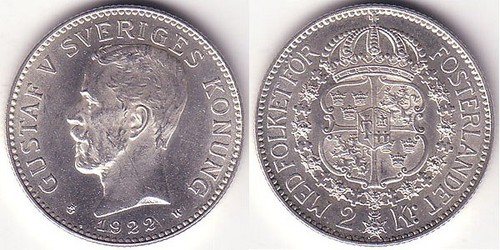
2 Kronor
1910-1940 (this example dated 1922)
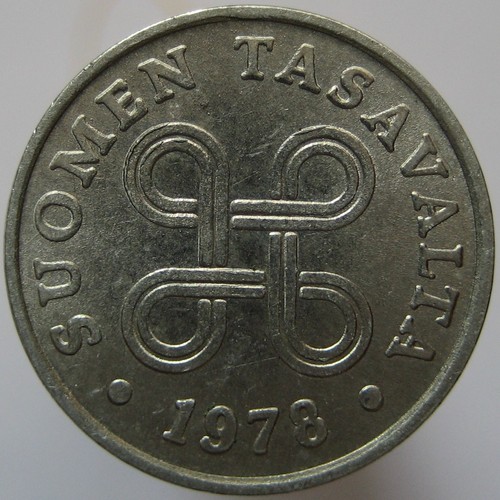
1 Penni
1969–1979
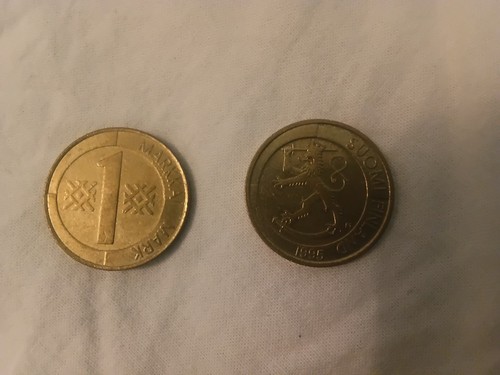
1 Markka
1993–2001
Kenya 5 Shillings
Bimetallic issues (2005–2010)
Kenya 20 Shillings
Modern issue (late 1990s–2000s)
South Africa Farthing
1923-1960
Kenya 10 Shillings
Republic of Kenya, bimetallic issues (mid-1990s to c. 2010)
Gold Sovereign
1817–present
Henri V Five Francs
1831