
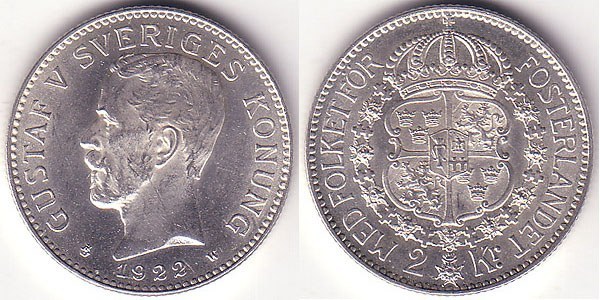
2 Kronor
Silver 2 kronor of Sweden showing King Gustaf V in left profile and the crowned national arms, this piece dated 1922.
- Country
- Sweden
- Denomination
- 2 Kronor
- Metal
- Silver
Got a coin like this?
Identify any coin from a photo, free.
Overview
The 2 Kronor is a large silver denomination struck by the Kingdom of Sweden during the reign of King Gustaf V. The example shown carries a left-facing profile of the king on the obverse and the crowned Swedish coat of arms on the reverse, and is dated 1922.
Coins of this type circulated as everyday high-value currency and are among the most commonly encountered Swedish silver coins in world-coin collections today. They were struck in an .800-fine silver alloy and are notably larger and heavier than the accompanying 1 krona and minor coins of the same era.
History & Background
Sweden adopted the krona under the Scandinavian Monetary Union in the 1870s, and the 2 kronor denomination was struck in silver across the reigns of Oscar II and Gustaf V. Gustaf V ruled from 1907 until 1950, and his portrait appears on regular-issue silver coinage throughout that long period.
The standard portrait type seen here, with the aging king in profile, was produced through the 1910s and into the 1940s. Alongside these regular issues, Sweden also struck several commemorative 2 kronor pieces (for example anniversary designs in the early 1920s and 1930s) that carry different obverse and reverse motifs. The 1922 coin illustrated is a regular circulation type rather than a commemorative.
Silver 2 kronor production ended in 1940; later coins of related design were struck in debased alloys before the denomination was discontinued.
How to Identify
Look first at the obverse: a bare-headed bust of Gustaf V facing left, encircled by a Swedish royal legend and typically the motto GUD MED OSS ("God with us"). The date, here 1922, appears on the coin.
The reverse shows the crowned greater coat of arms of Sweden on a decorative shield, with the denomination and crown. The coin is a substantial silver piece — roughly 31 mm in diameter and about 15 g — clearly larger than a 1 krona.
Confirm the country by the Swedish-language legends and the three-crowns arms; confirm the ruler by the left-facing elderly male profile and the name GUSTAF V.
Value & Collectibility
Regular-date silver 2 kronor of Gustaf V, including common years around the 1920s, are affordable world-silver coins. In well-worn to average circulated grades they typically trade near their silver bullion value, often in the low tens of US dollars depending on the silver market.
Value rises with condition. Clean, lightly circulated examples and especially uncirculated pieces with full luster command meaningful premiums over bullion. Scarcer dates, commemorative types, and high-grade certified coins can be worth substantially more. Prices quoted here are general ranges — always check current listings and completed sales for a specific date and grade.
Frequently asked questions
Is this 2 kronor coin made of real silver?
Yes. Sweden's Gustaf V 2 kronor of this era were struck in .800-fine silver, so the coin contains genuine silver content in addition to any collector value.
Who is on the front of the coin?
The left-facing profile is King Gustaf V of Sweden, who reigned from 1907 to 1950. His name appears in the surrounding legend along with the motto GUD MED OSS.
What does the reverse design show?
The reverse displays the crowned Swedish coat of arms on a decorative shield, together with the denomination. It identifies the coin as an official issue of the Kingdom of Sweden.
Is a 1922 2 kronor rare or valuable?
The 1922 regular issue is a common-date silver coin. Worn examples trade near silver value, while high-grade uncirculated pieces bring a premium. Rarity depends on the exact date and condition.
How big is the silver 2 kronor?
It is a large coin, roughly 31 mm across and about 15 grams, noticeably bigger and heavier than the contemporary 1 krona.
2 Kronor guides
In-depth guides for identifying, valuing, and collecting 2 Kronor.
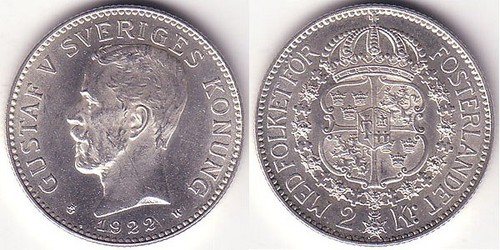
Other coins you may enjoy
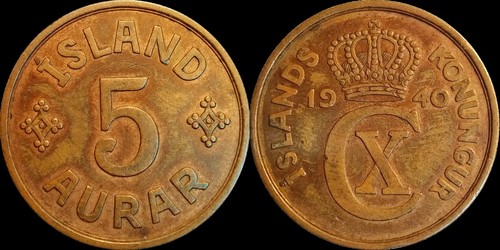
5 Aurar
1926-1942
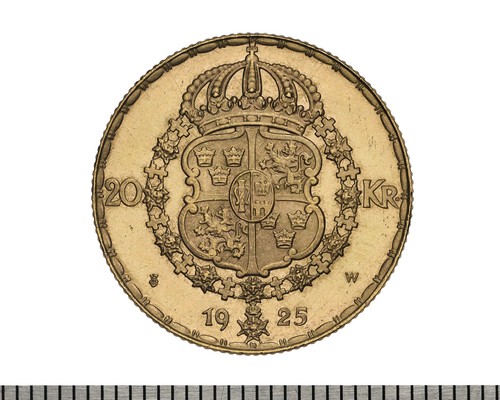
20 Kronor
1925 (denomination struck 1873-1925)
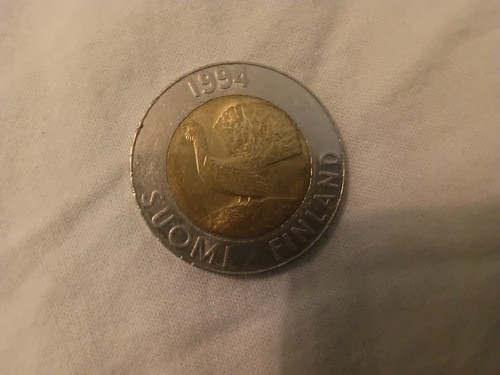
10 Markka
1993–2001
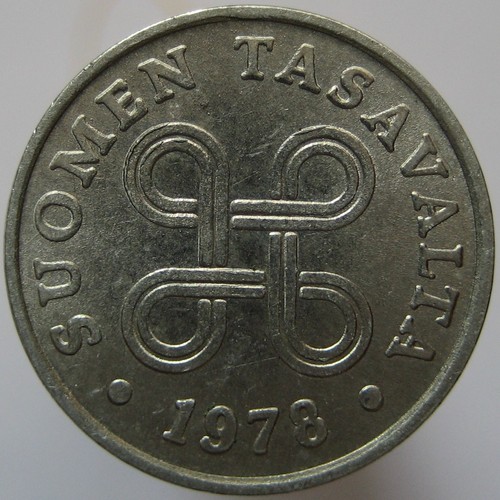
1 Penni
1969–1979
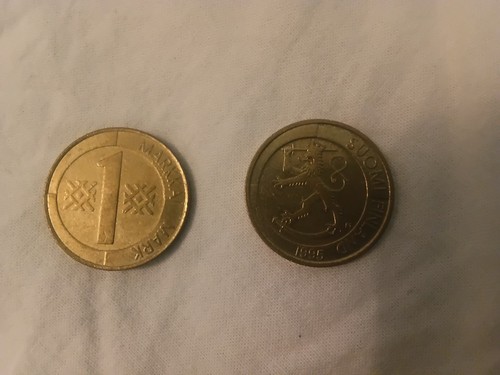
1 Markka
1993–2001
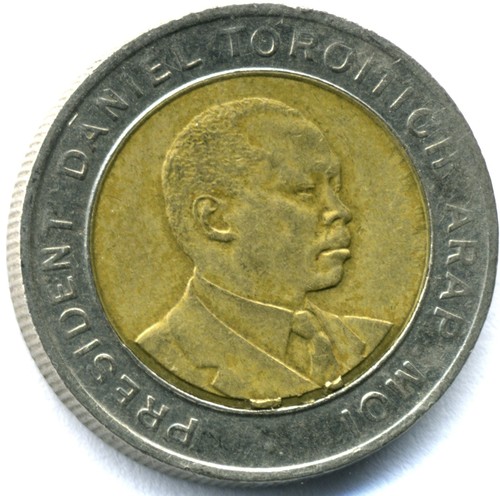
Kenya 5 Shillings
Bimetallic issues (2005–2010)
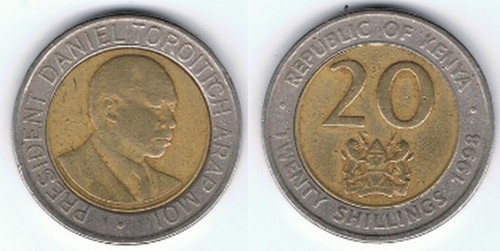
Kenya 20 Shillings
Modern issue (late 1990s–2000s)
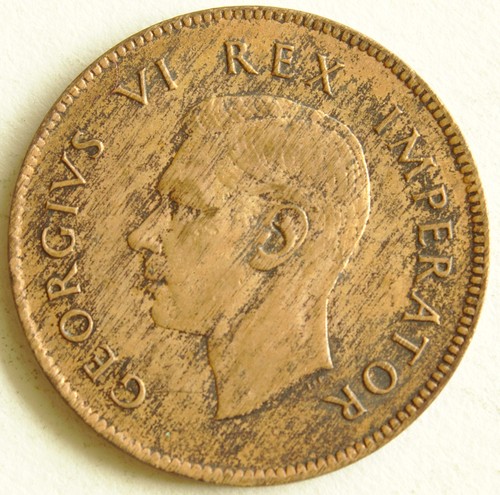
South Africa Farthing
1923-1960
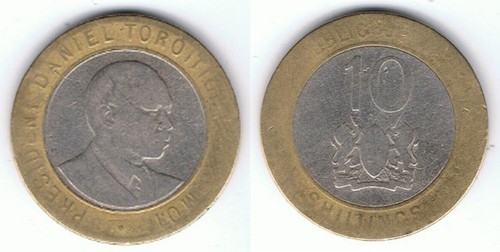
Kenya 10 Shillings
Republic of Kenya, bimetallic issues (mid-1990s to c. 2010)
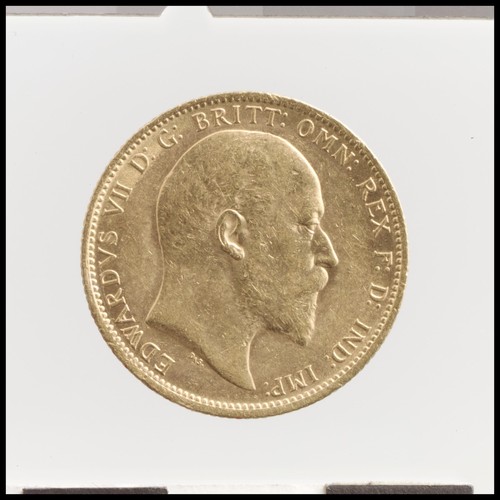
Gold Sovereign
1817–present
Henri V Five Francs
1831
Tunisia 1 Millime
1960