
20 Kronor
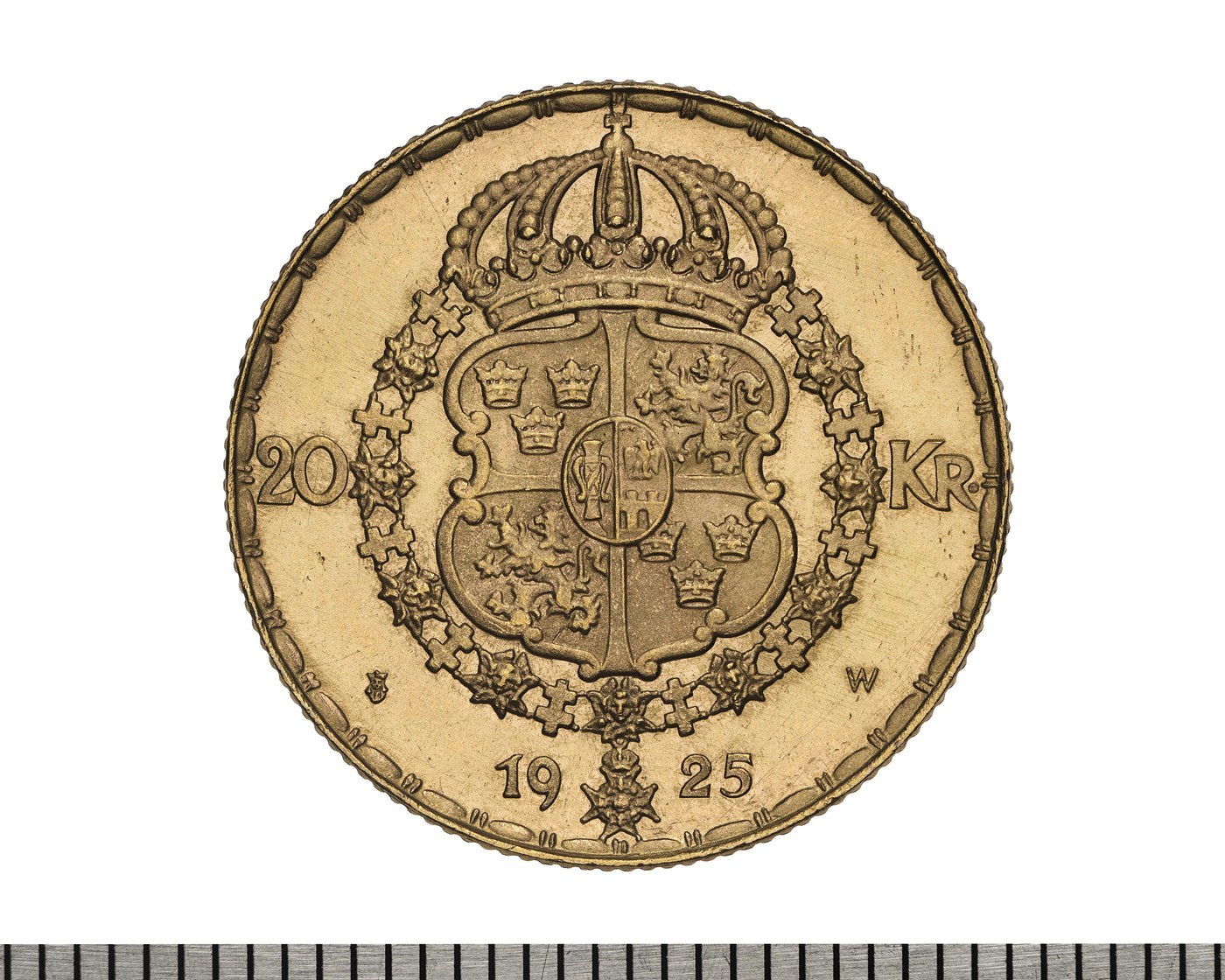
Gold 20 kronor of Sweden showing the crowned national arms with three coronets, reverse marked 20 KR and dated 1925.
- Country
- Sweden
- Denomination
- 20 Kronor
- Metal
- Gold
Got a coin like this?
Identify any coin from a photo, free.
Overview
The 20 Kronor is Sweden's principal gold denomination, and the example shown is the late 1925 issue struck under King Gustaf V. Rather than a royal portrait, this type carries the crowned Swedish coat of arms — a shield topped by three small coronets and quartered with crowns — on the obverse, while the reverse states the value 20 KR, the date, and a small mint mark.
The coin is a small but heavy piece of .900-fine gold, weighing about 8.96 grams and measuring roughly 23 mm across. It follows the international gold standard set by the Scandinavian Monetary Union, so it shares its weight and fineness with the gold 20 kroner of Denmark and Norway. The 1925 date is the final year Sweden issued a circulating gold coin of this kind.
History & Background
Sweden adopted the krona (crown) as its currency in 1873 when it joined the Scandinavian Monetary Union with Denmark and, soon after, Norway. Under that agreement the three countries struck gold to a common standard, and Sweden's 20 kronor became the workhorse gold coin of the era. Most 19th-century pieces bear the portrait of King Oscar II.
Gold coinage across Europe was disrupted by the First World War, and Sweden — like its neighbors — largely suspended gold striking. The 1925 20 kronor was a late, limited issue produced under King Gustaf V (reigned 1907-1950). Unusually, it abandons the royal-portrait tradition in favor of the crowned national arms shown here.
After 1925 Sweden did not resume regular gold coinage for circulation, making this date the tail end of a fifty-year series. Because it was struck in modest numbers late in the run, the 1925 issue is generally scarcer than the common Oscar II dates.
How to Identify
Look at the obverse: a crown sits above the Swedish coat of arms, a shield bearing crowns and topped by three small coronets. This is a heraldic design with no king's portrait, which immediately sets it apart from the earlier Oscar II gold 20 kronor.
The reverse carries the denomination 20 KR, the date — here 1925 — and a small mint mark (a mintmaster's privy symbol) placed near the value. The surrounding legend is in Swedish.
Confirm the metal and size: this is a gold coin, about 23 mm in diameter and roughly 8.96 g, in a .900-fine alloy. Its warm gold color, small diameter, and notable heft for its size are key identifiers versus larger silver kronor.
Value & Collectibility
As a .900-fine gold coin containing roughly a quarter troy ounce of gold (about 8.06 g of pure gold, ~0.259 oz), the 20 kronor always carries a baseline bullion value that moves with the gold market. Common-date Swedish and Scandinavian gold 20 kronor typically trade at a modest premium over melt.
The 1925 date is different: as a scarce, final-year issue struck in limited numbers, it usually commands a meaningful numismatic premium above its gold content, and high-grade or certified examples can bring substantially more. Values vary widely with condition and the current gold price.
Figures here are general context, not a quote. For a specific 1925 coin, check recent auction results and dealer listings for that date and grade, and have any high-value piece authenticated.
Frequently asked questions
Is the 20 kronor made of real gold?
Yes. Sweden's 20 kronor is struck in .900-fine gold, weighing about 8.96 grams total with roughly 8.06 grams (about 0.259 troy ounce) of pure gold content.
Why is there no king's portrait on the 1925 coin?
The 1925 issue used the crowned Swedish coat of arms instead of a royal portrait, unlike the earlier Oscar II gold 20 kronor which show the king's profile. It was struck under King Gustaf V.
Is the 1925 20 kronor rare?
Relatively, yes. It was a late, limited issue and Sweden's last circulating gold coin of this series, so it is generally scarcer than common 19th-century dates and often sells above its gold value.
How big is the gold 20 kronor?
It is a small, heavy coin — about 23 mm in diameter and roughly 8.96 grams. Its small size and gold weight distinguish it from the larger silver kronor denominations.
What does '20 KR' on the reverse mean?
It is the denomination, twenty kronor, in Swedish. The reverse also shows the date and a small mintmaster's mark identifying the coin as an official Swedish issue.
20 Kronor guides
In-depth guides for identifying, valuing, and collecting 20 Kronor.
Other coins you may enjoy
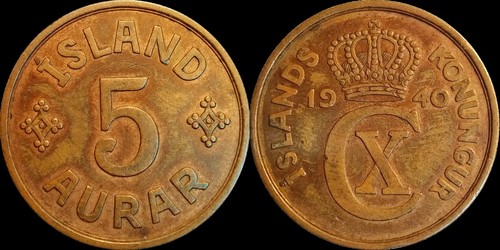
5 Aurar
1926-1942
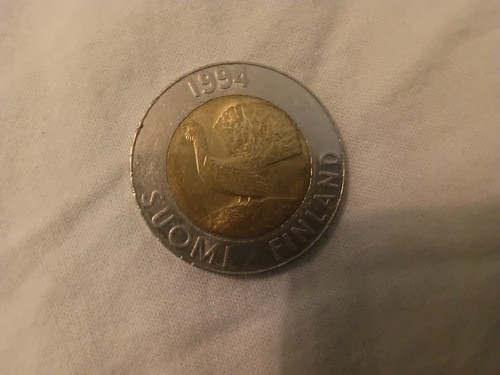
10 Markka
1993–2001
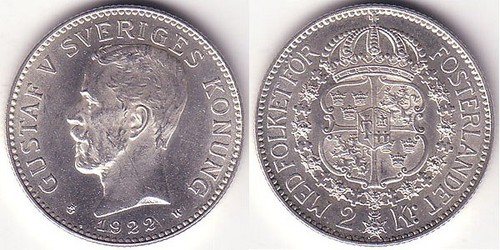
2 Kronor
1910-1940 (this example dated 1922)
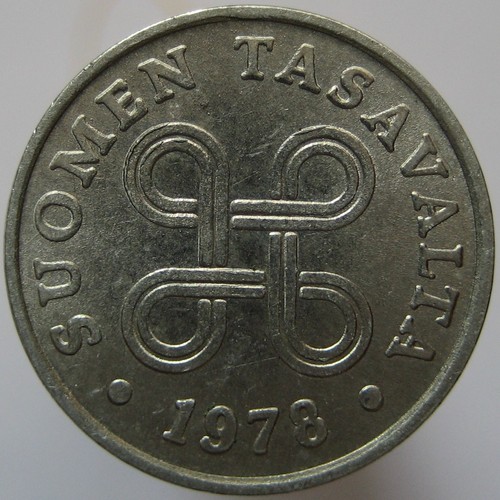
1 Penni
1969–1979
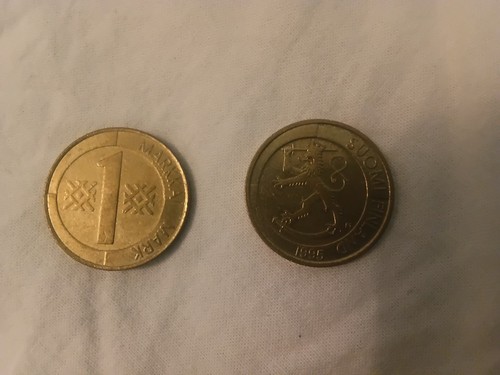
1 Markka
1993–2001
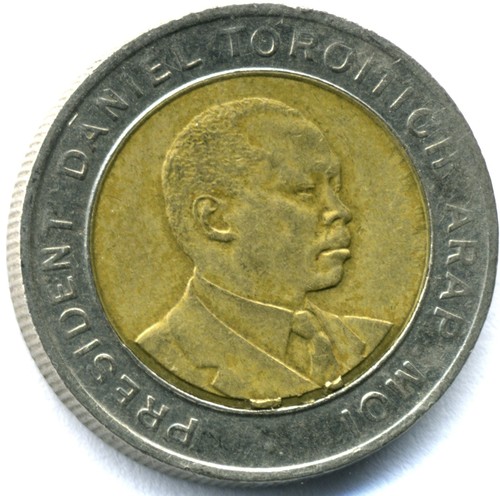
Kenya 5 Shillings
Bimetallic issues (2005–2010)
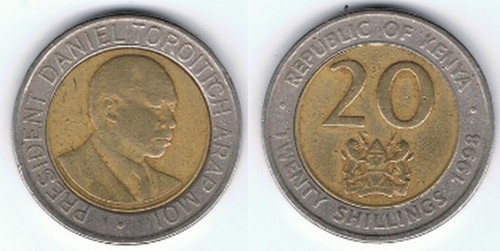
Kenya 20 Shillings
Modern issue (late 1990s–2000s)
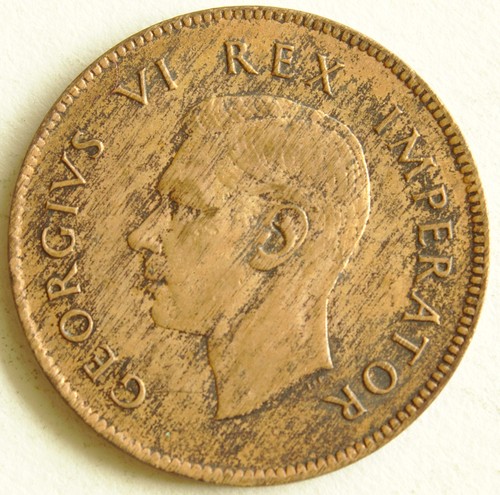
South Africa Farthing
1923-1960
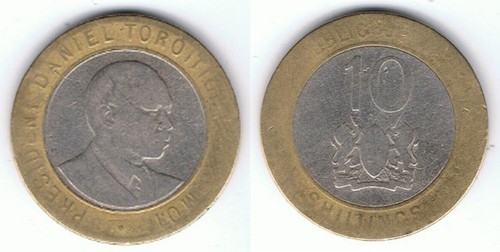
Kenya 10 Shillings
Republic of Kenya, bimetallic issues (mid-1990s to c. 2010)
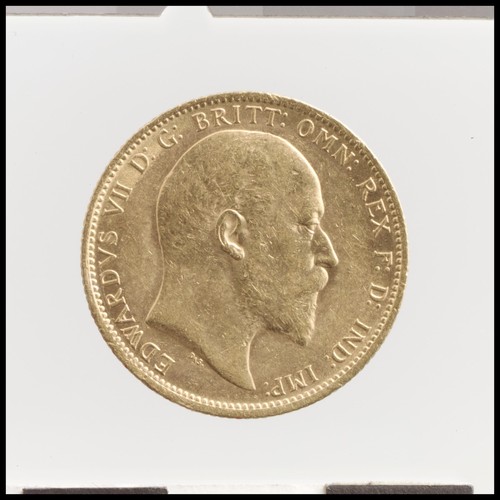
Gold Sovereign
1817–present
Henri V Five Francs
1831
Tunisia 1 Millime
1960