
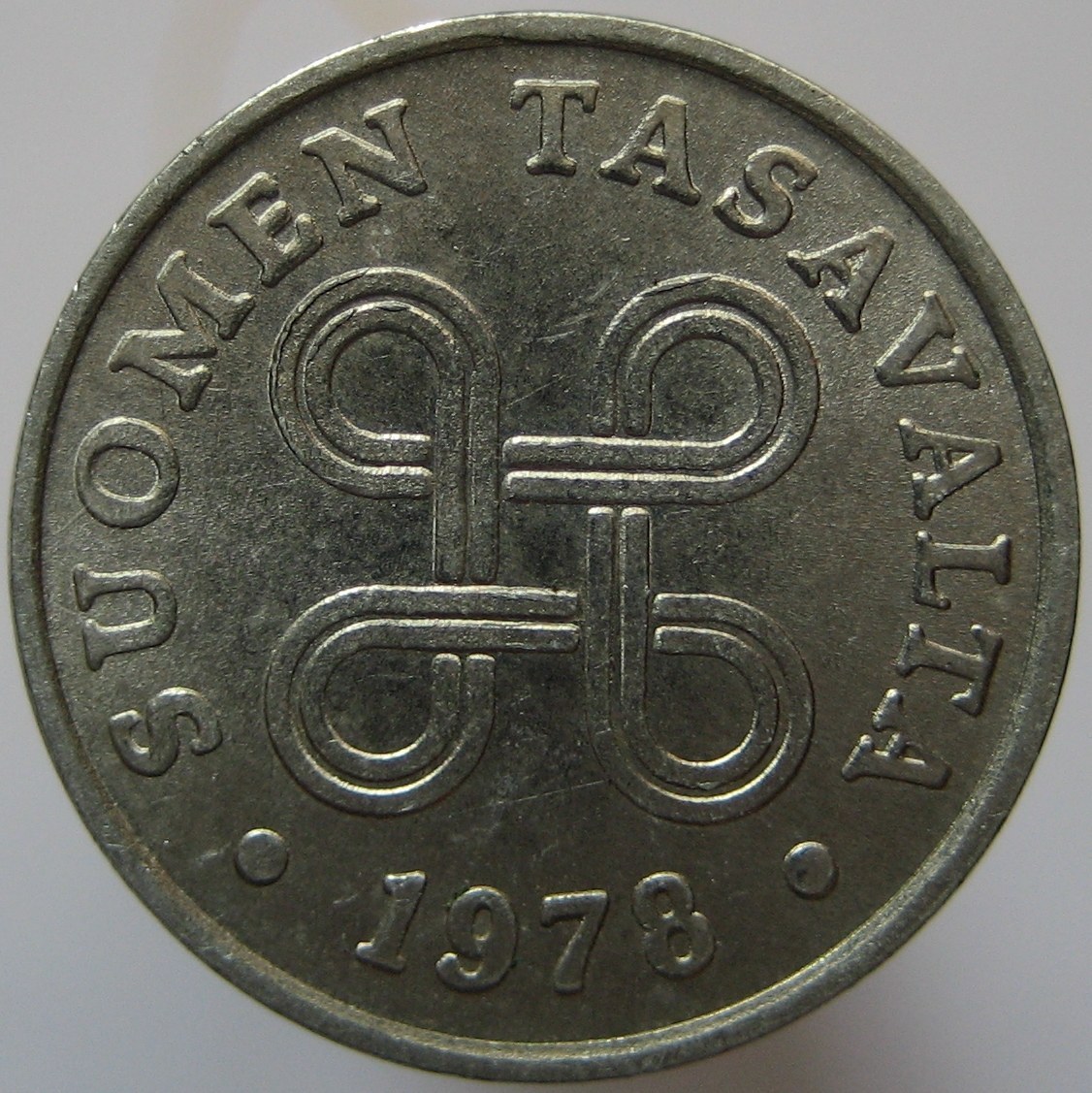
1 Penni
Finland's smallest post-1963 coin: a tiny light base-metal piece with a bold numeral 1 and SUOMI on the front and a geometric line pattern on the back.
- Country
- Finland
- Denomination
- 1 Penni
- Metal
- Aluminum-Bronze
Got a coin like this?
Identify any coin from a photo, free.
Overview
The 1 penni was the lowest denomination of Finland's decimal coinage under the markka system, where 100 penniä made one markka. It is a very small, lightweight coin meant purely for making change, and the example shown here is dated 1978.
The design is deliberately plain and modern. The obverse carries a large numeral "1" set against a small heraldic shield motif together with the word SUOMI (Finnish for "Finland") and the year, while the reverse is filled with a stylized geometric pattern of lines rather than a portrait or coat of arms.
Because it was struck in large numbers for everyday use and had almost no purchasing power even when new, the 1 penni is one of the most common Finnish coins and is familiar to anyone who handled Finnish change before the euro.
History & Background
Finland introduced a reformed decimal coinage in 1963, when the markka was revalued and a fresh series of penni and markka coins replaced the older inflation-worn issues. The 1 penni was the smallest unit in this system and was produced by the Finnish state mint (Rahapaja / Mint of Finland) in Helsinki.
Coins of this small denomination were struck in light base-metal alloys; catalogs generally describe the later 1 penni as an aluminium or aluminium-bronze type, chosen because a coin of such tiny face value had to be cheap to produce. Pieces like the 1978 example belong to the final years of the denomination's circulation.
As prices rose through the 1970s the 1 penni became too small to be useful, and Finland eventually retired the smallest penni coins. The markka and its penni subdivisions were themselves replaced when Finland adopted the euro at the start of the 2000s, ending the series entirely.
How to Identify
Look first at the obverse: a large numeral "1" accompanied by a small heraldic shield element, the legend SUOMI, and a four-digit year (here 1978). The reverse departs from typical coin imagery, showing a flat geometric pattern of lines rather than an emblem or figure, which is a strong recognition cue for this little coin.
Physically the 1 penni is small and very light, roughly fingernail-sized, with a plain (smooth) edge rather than a reeded one. The pale, low-luster appearance reflects its inexpensive base-metal composition. A tiny mint master's initial or mark may appear beside the design, which collectors use to attribute the issue.
Do not confuse it with the similarly styled 5 penni or with other small European minor coins of the period. The combination of the word SUOMI, the bold single numeral, and the geometric reverse pattern is what specifically identifies it as a Finnish 1 penni.
Value & Collectibility
The 1 penni is extremely common and carries only nominal value. Circulated examples such as a well-worn 1978 piece are worth just a few cents and are typically bought and sold in bulk lots or as inexpensive filler for a world-coin collection.
Uncirculated or mint-set examples with full original surfaces command a small premium over worn coins, but this remains a low-cost coin overall. Specific dates or mint-mark varieties can matter to specialist collectors of Finnish coinage, so condition and exact issue are the main drivers of the modest differences in value.
As with any low-value modern coin, most of its appeal is historical and educational rather than monetary.
Frequently asked questions
What does SUOMI mean on this coin?
SUOMI is simply the Finnish-language name for Finland, so the inscription identifies the country of issue.
How much was 1 penni worth?
It was the smallest unit of the Finnish markka, with 100 penniä equaling one markka, so a single penni had almost no purchasing power.
Is a 1978 1 penni valuable?
No. It is a very common circulation coin worth only a few cents; even uncirculated pieces bring just a small premium.
What metal is the 1 penni made of?
It is a light base-metal coin; issues of this type are generally catalogued as an aluminium or aluminium-bronze alloy chosen for its low cost.
Is the penni still used today?
No. The smallest penni coins were retired as their value fell, and the markka and penni were replaced when Finland adopted the euro.
1 Penni guides
In-depth guides for identifying, valuing, and collecting 1 Penni.
Other coins you may enjoy
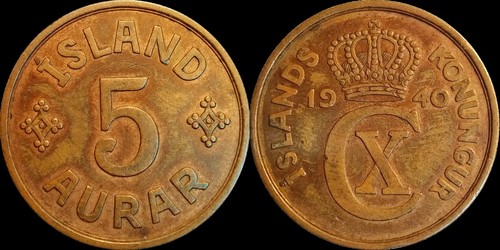
5 Aurar
1926-1942
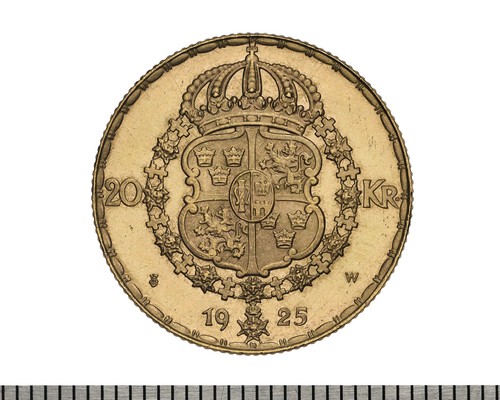
20 Kronor
1925 (denomination struck 1873-1925)
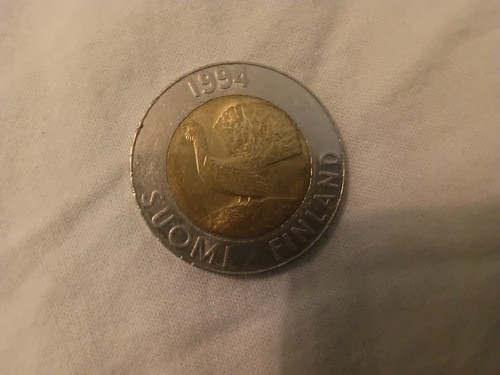
10 Markka
1993–2001
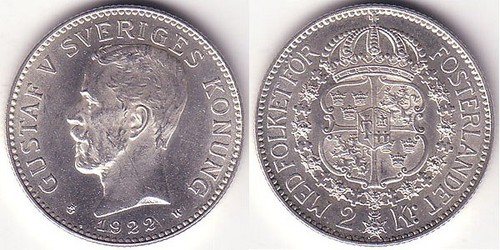
2 Kronor
1910-1940 (this example dated 1922)
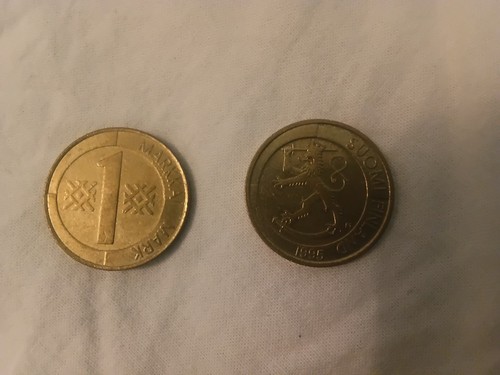
1 Markka
1993–2001
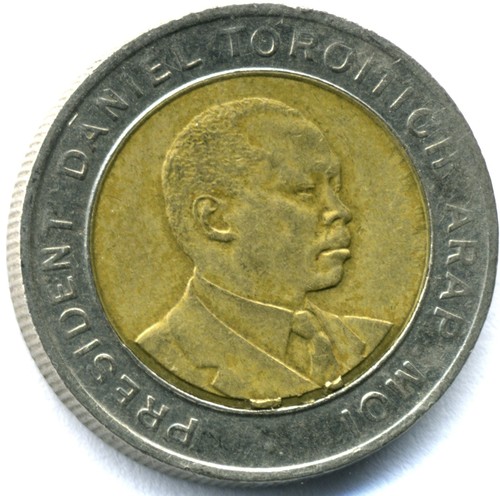
Kenya 5 Shillings
Bimetallic issues (2005–2010)
Kenya 20 Shillings
Modern issue (late 1990s–2000s)
South Africa Farthing
1923-1960
Kenya 10 Shillings
Republic of Kenya, bimetallic issues (mid-1990s to c. 2010)
Gold Sovereign
1817–present
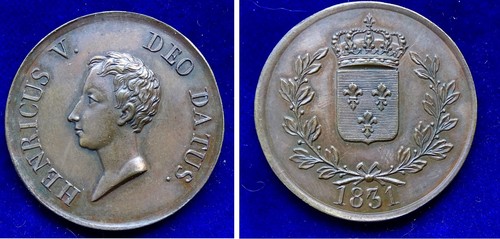
Henri V Five Francs
1831
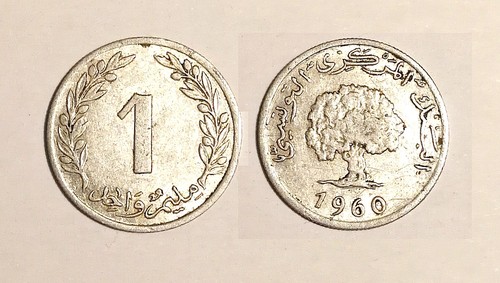
Tunisia 1 Millime
1960