
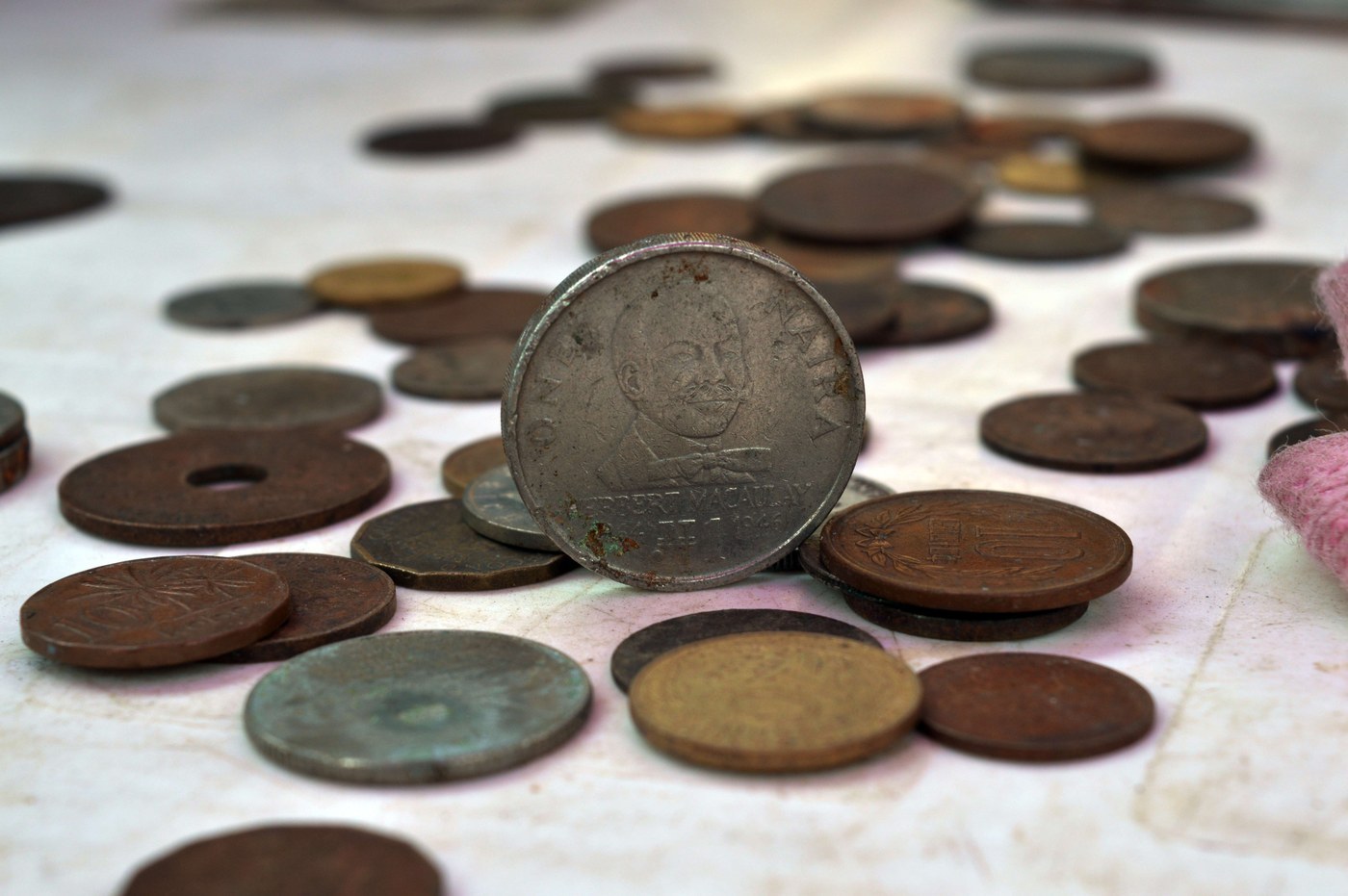
Nigeria 1 Naira
Nigeria's copper-nickel 1 Naira showing the nationalist Herbert Macaulay on the obverse and the national coat of arms on the reverse.
- Country
- Nigeria
- Denomination
- 1 Naira
- Metal
- Copper-nickel
Got a coin like this?
Identify any coin from a photo, free.
Overview
The Nigeria 1 Naira is the top denomination of the country's first decimal coin series, struck in a pale copper-nickel alloy. As seen on the photographed coin, the obverse carries the legend ONE NAIRA and a portrait of a mustached man identified in the exergue as HERBERT MACAULAY, one of the founding figures of Nigerian nationalism, together with his life dates.
The reverse bears Nigeria's national coat of arms, the black shield with a white Y-shaped band flanked by supporting horses and crowned by an eagle, which is the standard emblem across this coinage. It is a comparatively large, heavy circulation coin rather than a small piece of change.
Because it was the highest-value coin of the early naira system, the 1 Naira was a workhorse of everyday Nigerian commerce in its day and is a familiar type to collectors of West African and Commonwealth-era African coinage.
History & Background
Nigeria replaced the Nigerian pound with a decimal currency, the naira, on 1 January 1973, dividing one naira into 100 kobo. The 1 Naira coin was introduced as part of that first series and stood as the largest circulating coin of the new system.
The obverse honors Herbert Macaulay (1864–1946), an engineer, journalist and political organizer widely regarded as a father of Nigerian nationalism, making the coin a piece of national commemoration as well as everyday money. The reverse uses the Federal Republic's coat of arms, tying the coinage to the modern independent state established in 1960.
Over following decades high inflation eroded the naira, and the large copper-nickel 1 Naira was eventually superseded by smaller, lighter coins as the denomination's real value fell. The Macaulay copper-nickel piece therefore represents the earlier, higher-value era of naira coinage rather than the small modern issues.
How to Identify
The quickest confirmation is the wording. A genuine coin of this type reads ONE NAIRA around the obverse and names HERBERT MACAULAY in the lower field beneath the portrait, alongside his dates. The portrait itself, a balding, mustached man in profile-to-three-quarter view, is distinctive and unlike the emblem-only designs of many African coins.
Turn to the reverse for the Nigerian coat of arms: a shield charged with a forked (pouring) band, two supporting horses, and an eagle above. The coin is round, struck in a silvery copper-nickel alloy with no precious-metal content, and is notably broad and heavy compared with minor kobo denominations of the same series.
The date appears with the design and identifies the specific year of striking within the first naira series. Worn or toned examples like the photographed piece can show spotting and surface corrosion typical of a circulated base-metal coin, but the ONE NAIRA legend and Macaulay portrait remain the defining diagnostics.
Value & Collectibility
The 1 Naira is a base-metal circulation coin, so ordinary worn examples carry little value beyond a modest collector interest, typically changing hands for a low sum as world-coin filler. There is no precious metal to underpin a melt value.
Condition is the main driver of any premium. Clean, high-grade or uncirculated pieces with full detail on Macaulay's portrait and the coat of arms are more desirable than heavily circulated, spotted coins, and certain dates within the series can be a little scarcer than others.
Because values depend on date, grade and demand, treat any single figure as a rough guide and check recent listings for the exact year and condition. As a historically significant first-series naira honoring a national figure, it holds appeal for collectors of Nigerian and African coinage even when the monetary value is small.
Frequently asked questions
Who is the man on the Nigeria 1 Naira?
He is Herbert Macaulay (1864–1946), an engineer, journalist and political leader widely regarded as a father of Nigerian nationalism. His name appears beneath the portrait on the obverse.
Is the 1 Naira coin made of silver?
No. Despite its pale, silvery look it is struck in copper-nickel, a base-metal alloy with no precious-metal content. Its value is collector-driven, not based on metal.
What is on the back of the coin?
The reverse shows Nigeria's national coat of arms: a shield with a forked white band, flanked by two supporting horses and topped by an eagle.
When was the 1 Naira coin made?
It was introduced with Nigeria's first decimal coin series after the naira replaced the Nigerian pound on 1 January 1973, and this copper-nickel type belongs to that earlier, higher-value era of naira coinage.
Is my Nigeria 1 Naira valuable?
Usually only modestly. Circulated examples are common and inexpensive, while clean uncirculated coins or scarcer dates can bring a small premium from collectors of Nigerian coinage.
Nigeria 1 Naira guides
In-depth guides for identifying, valuing, and collecting Nigeria 1 Naira.
Other coins you may enjoy
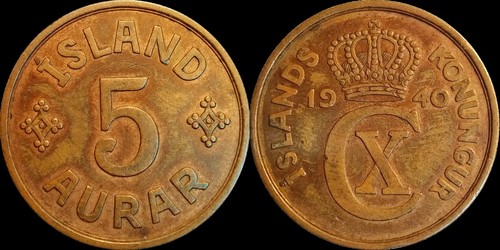
5 Aurar
1926-1942
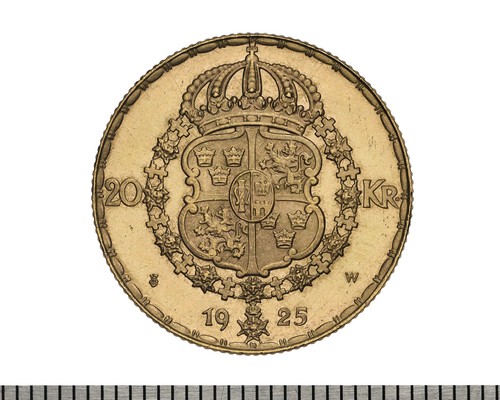
20 Kronor
1925 (denomination struck 1873-1925)
10 Markka
1993–2001
2 Kronor
1910-1940 (this example dated 1922)
1 Penni
1969–1979
1 Markka
1993–2001
Kenya 5 Shillings
Bimetallic issues (2005–2010)
Kenya 20 Shillings
Modern issue (late 1990s–2000s)
South Africa Farthing
1923-1960
Kenya 10 Shillings
Republic of Kenya, bimetallic issues (mid-1990s to c. 2010)
Gold Sovereign
1817–present
Henri V Five Francs
1831