King's Silver Jubilee Medal
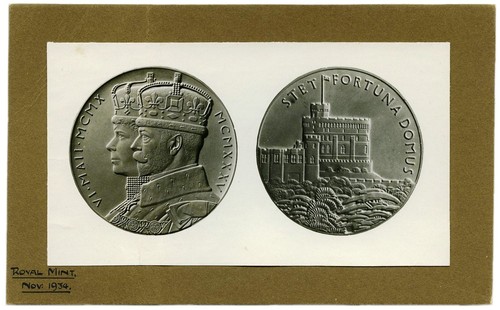
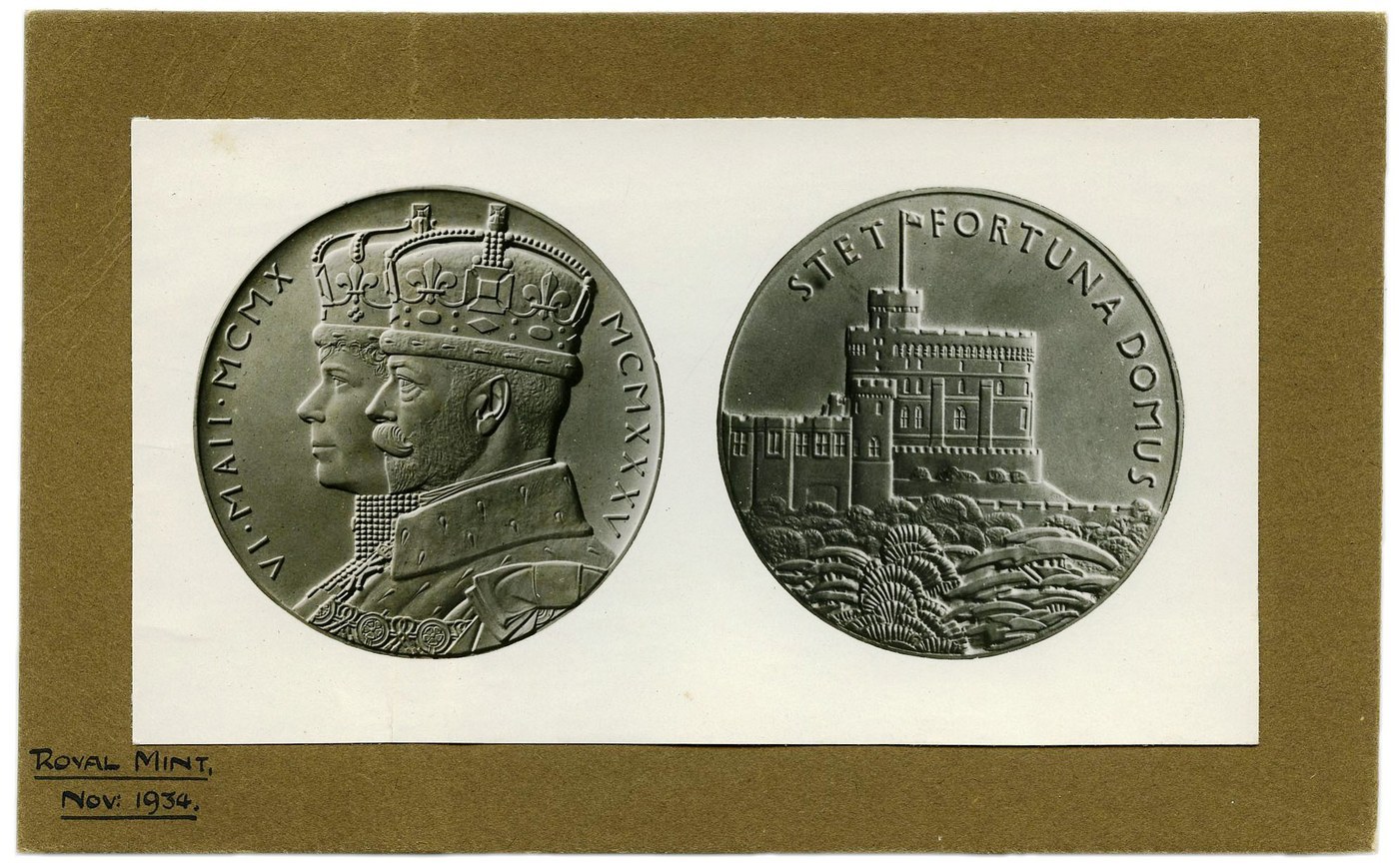
British 1935 commemorative medal with overlaid profiles of King George V and Queen Mary and a castle reverse marking the Silver Jubilee.
- Country
- United Kingdom
- Denomination
- Medal
- Metal
- Silver
Got a coin like this?
Identify any coin from a photo, free.
Overview
The King's Silver Jubilee Medal is a British commemorative medal struck to mark the 1935 Silver Jubilee of King George V. The example shown carries overlaid (conjoined) royal profiles on the obverse, with a Roman-numeral date MCMXXXV (1935), and a fortified castle on the reverse beneath the Latin motto STET FORTUNA DOMUS.
This is a medal rather than a coin: it carries no monetary denomination and was never legal tender. Pieces of this kind were produced to celebrate the twenty-fifth anniversary of the King's accession, and many patterns and makers exist, from official royal medals to privately struck commemoratives sold or given out during the 1935 festivities.
History & Background
King George V acceded to the throne in 1910, and 1935 marked twenty-five years of his reign. The Silver Jubilee was celebrated across Britain and the Empire in May 1935 with public ceremonies, street parties, and a large output of commemorative material, including medals, medallions, mugs, and souvenirs bearing the King and Queen Mary.
The overlaid profiles on this medal represent the royal couple, and the Roman numerals MCMXXXV fix the jubilee year. The reverse motto STET FORTUNA DOMUS translates roughly as "may the fortune of the house stand," a sentiment fitting a dynastic anniversary, paired here with a castle image evoking royal residence and continuity. Because the jubilee spawned so many private and civic issues, medals like this vary widely in maker, finish, and fineness.
How to Identify
Look for a round silver or silver-colored medal with two overlaid royal heads in profile facing the same direction, a Roman-numeral date reading MCMXXXV, and lettering around the rim (recorded here as VAILLAME MCMXXXV). The reverse shows a fortified castle with towers and battlements above the Latin legend STET FORTUNA DOMUS.
Because it is a medal, there is no face value, mint mark in the coin sense, or denomination figure. Some jubilee medals carry a maker's name, a hallmark, or a suspension loop for wearing; the presence and wording of any such marks help distinguish one issue from another. The 1935 date and the paired George V and Mary portraits are the key diagnostics separating this from later jubilee and coronation pieces.
Value & Collectibility
Silver Jubilee commemoratives were produced in large numbers in 1935, so most surviving medals are affordable collectibles rather than rarities. Value depends on the specific issuer, the metal and fineness (solid silver versus silver-plated base metal), the size, and the condition, with clean, undamaged pieces and documented official issues bringing more than common worn souvenirs.
As an unofficial or privately struck commemorative, this type generally trades in a modest range, and any silver content sets a floor based on bullion weight. Loops, mounting marks, cleaning, or corrosion reduce collector appeal. Treat any single price as approximate and check recent sales of comparable 1935 jubilee medals, since values swing with maker, metal, and condition.
Frequently asked questions
Is this a coin or a medal?
It is a commemorative medal, not a coin. It carries no monetary denomination and was never legal tender; it was made to mark the 1935 Silver Jubilee.
Who are the two figures on the front?
The overlaid profiles represent the royal couple of the period, King George V and Queen Mary, whose Silver Jubilee the medal commemorates.
What does MCMXXXV mean?
It is the Roman numeral for 1935, the year of King George V's Silver Jubilee, twenty-five years after his 1910 accession.
What does STET FORTUNA DOMUS mean?
The Latin phrase translates roughly as "may the fortune of the house stand," a fitting motto for a royal anniversary and paired here with a castle image.
Is it made of solid silver?
Some 1935 jubilee medals are solid silver while others are silver-plated base metal. Check for hallmarks, weight, and any maker's marks to judge the metal of a specific piece.
King's Silver Jubilee Medal guides
In-depth guides for identifying, valuing, and collecting King's Silver Jubilee Medal.