
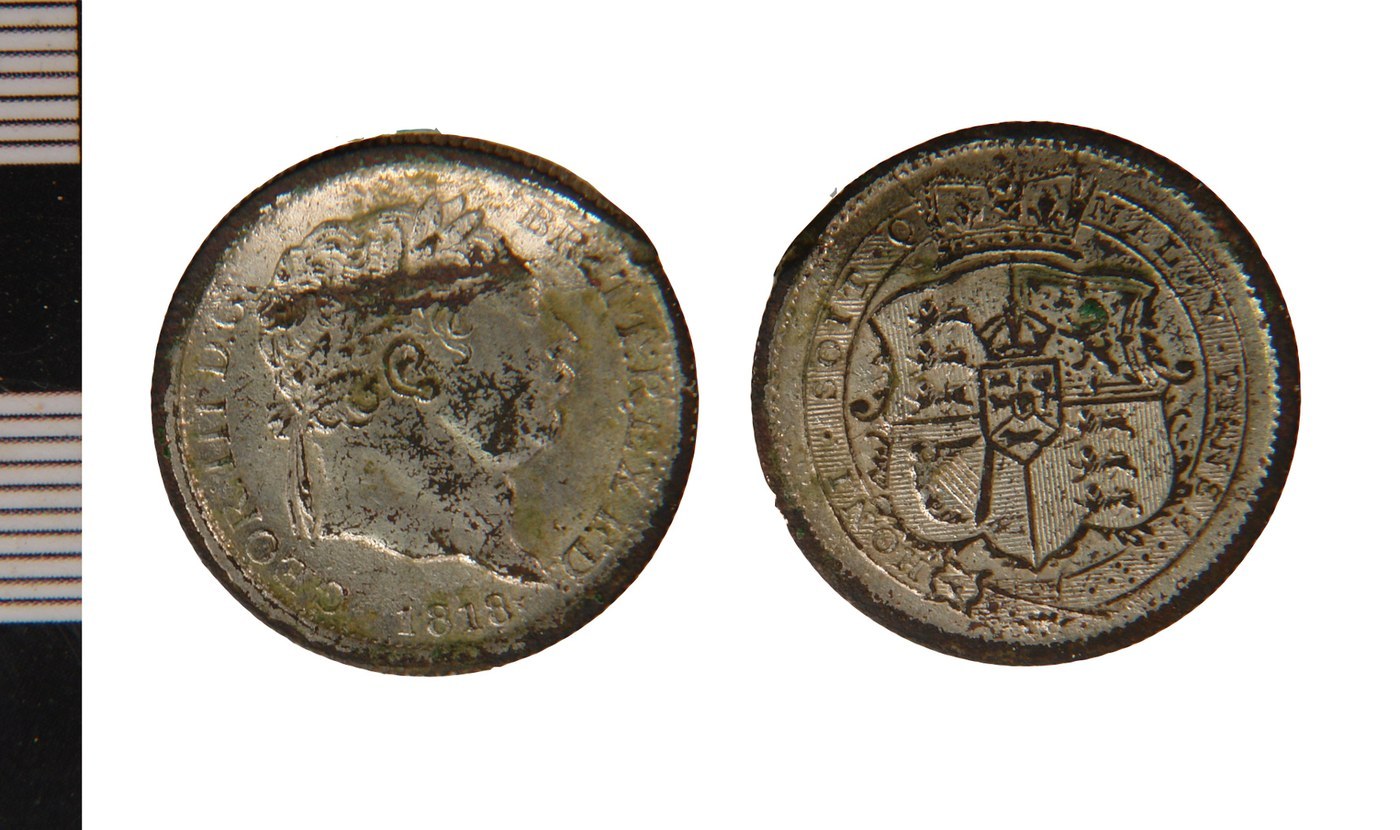
British Bank Token
Copper token of the late George III period bearing the king's left-facing bust and a quartered royal-arms reverse, dated 1819.
- Country
- United Kingdom
- Denomination
- Token
- Metal
- Copper
Got a coin like this?
Identify any coin from a photo, free.
Overview
The piece shown here is a copper Bank Token from the closing years of George III's reign. The obverse carries a bust of King George III facing left with a surrounding inscription, and the reverse shows the royal arms quartered on a heraldic shield. The date on this example is 1819.
Tokens of this kind belong to a broad family of privately and semi-officially issued money-substitutes that circulated in Britain and Ireland during the coin shortages of the Napoleonic and immediate post-war years. They imitate the look of regal coinage, borrowing the royal portrait and the arms of the realm, but were produced to fill gaps in everyday small change rather than struck as full Crown currency.
Because it is copper rather than silver or gold, this token was intended for low-value, hand-to-hand transactions. Surviving examples are collected today as historic artifacts of a turbulent monetary period rather than as bullion.
History & Background
During the long reign of George III (1760-1820), Britain suffered repeated shortages of good small-denomination coin. The Royal Mint could not keep pace with demand for pennies, halfpennies, and other petty change, and the gap was filled by a flood of privately struck tokens issued by merchants, companies, and banks. These are broadly grouped by collectors into the eighteenth-century "Conder" token series and the later token issues of roughly 1811 to 1820.
The most famous official response to the silver shortage was the Bank of England's own silver bank tokens of 1811-1816, and Ireland saw parallel Bank of Ireland issues. Alongside these ran a large and varied output of copper tokens that echoed regal designs, including the royal portrait and the quartered arms. A token dated 1819, near the very end of George III's life, sits at the tail of this token era.
The token phenomenon was wound down after the great recoinage of 1816-1817 restored a reliable regal silver and copper coinage, and legislation progressively suppressed private token issues. Pieces like this one are therefore relics of the last years before regular Mint coinage fully reasserted itself.
How to Identify
Identify this token by its two main design elements. The obverse shows the bust of George III facing left with a legend around the rim; the reverse displays a shield of the royal arms, quartered into the heraldic divisions of the realm. The date, here 1819, appears with the reverse design.
Confirm the metal and size: the piece is copper (a brown to reddish-brown metal, non-magnetic), and token pieces of this class are typically penny- or halfpenny-sized. Read the inscriptions carefully with a loupe, because the exact wording, spelling, and any issuer name or place are what separate one token from another and distinguish a genuine circulating token from a later imitation or game counter.
Be cautious about attribution. Many copper pieces of this era carry very similar royal portraits and arms, and gilt "toy" coins, gaming counters, and later reproductions were made in the same style. Do not assume a specific issuing bank or denomination from the design alone; match the full legend and compare against a token reference before drawing conclusions.
Value & Collectibility
Copper tokens of the George III era are generally modest in value. Common, worn examples typically trade in the low tens of dollars or less, while sharper pieces with clear legends and original surfaces bring more. Scarce issuers, unusual varieties, or high grades can command significantly higher premiums among token specialists.
Condition drives price heavily. A token with a full, legible legend, crisp portrait, and even brown patina is worth a multiple of a smooth, corroded, or holed example. Cleaning or harsh polishing reduces value, so original surfaces are preferred.
Because the field includes many look-alikes, gilt counters, and reproductions, treat any figure as indicative only. For a specific piece, especially one you believe to be a scarce issuer or variety, seek an opinion from a token or British-coin specialist before buying, selling, or insuring it.
Frequently asked questions
Is the British Bank Token made of precious metal?
This example is copper, a base metal, so its value is numismatic rather than bullion. The famous silver bank tokens are a separate, earlier group; this is a copper piece intended for low-value change.
Why does a token look so much like a real coin?
Token makers deliberately copied regal designs, including the royal portrait and the quartered arms, so the pieces would be accepted in everyday trade during periods when official small change was scarce.
What does the 1819 date tell me?
It places the token at the very end of George III's reign, in the last phase of the token era before regular Royal Mint coinage was fully restored after the 1816-1817 recoinage.
What is on the reverse?
The reverse shows the royal arms as a quartered heraldic shield, dividing the coat of arms into its component realms, alongside the date.
How much is a copper Bank Token worth?
Most circulated copper tokens of this era are modest, often in the low tens of dollars or less, with scarce issuers and high grades worth more. Have a specific piece assessed by a token specialist.
British Bank Token guides
In-depth guides for identifying, valuing, and collecting British Bank Token.
Other coins you may enjoy
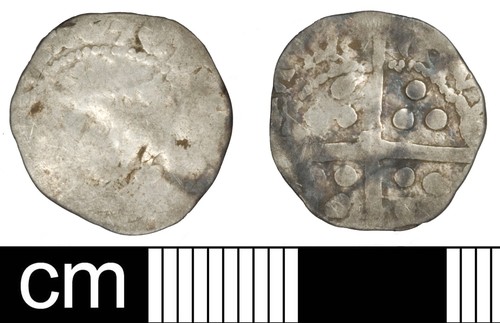
Medieval Penny of Edward III
1327–1377
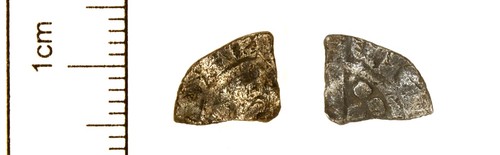
Medieval Silver Cut Farthing
1272-1509
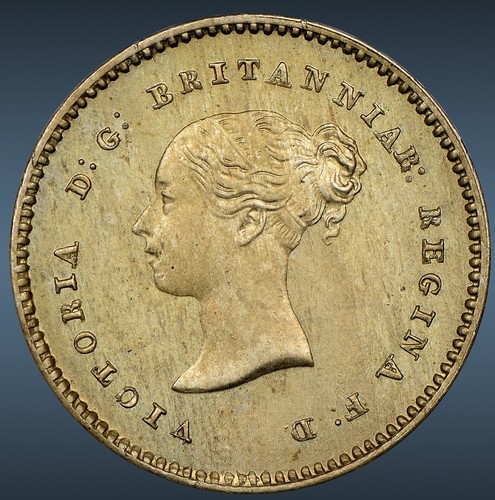
Quarter Farthing
1839-1868
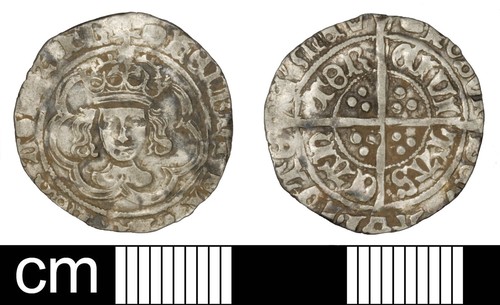
Medieval Halfgroat of Henry VII
1485-1509
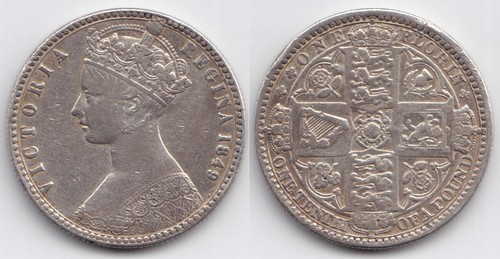
Godless Florin
1849
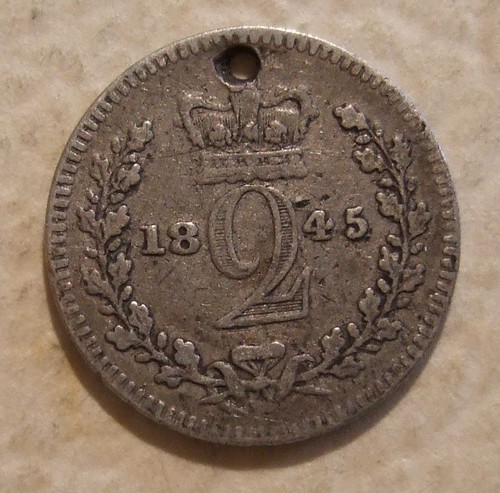
Victoria Maundy Twopence
1838–1901 (Young Head example shown: 1845)
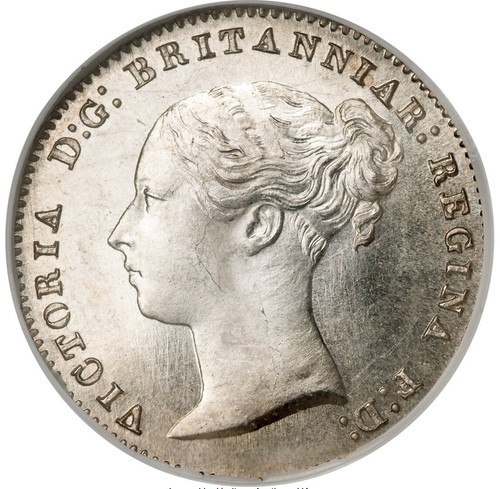
British Silver Threepence
1838-1944
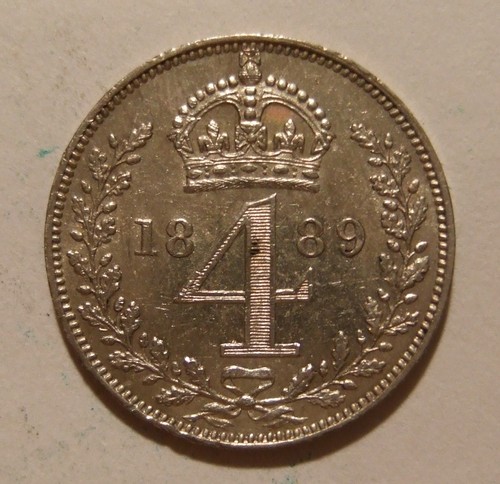
Victoria Maundy Fourpence
1838–1901 (Jubilee Head type shown: 1888–1892)
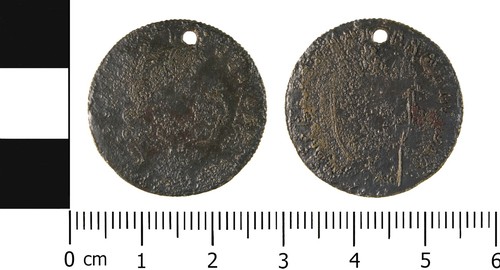
Imitation Guinea Gaming Piece
c. 1790-1900 (undated)
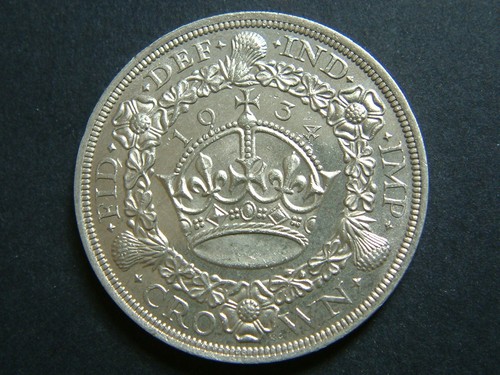
British Crown
1927–1936 (George V wreath crown; example dated 1934)
British Decimal Half Penny
1971–1984
British Brass Threepence
1937-1967