
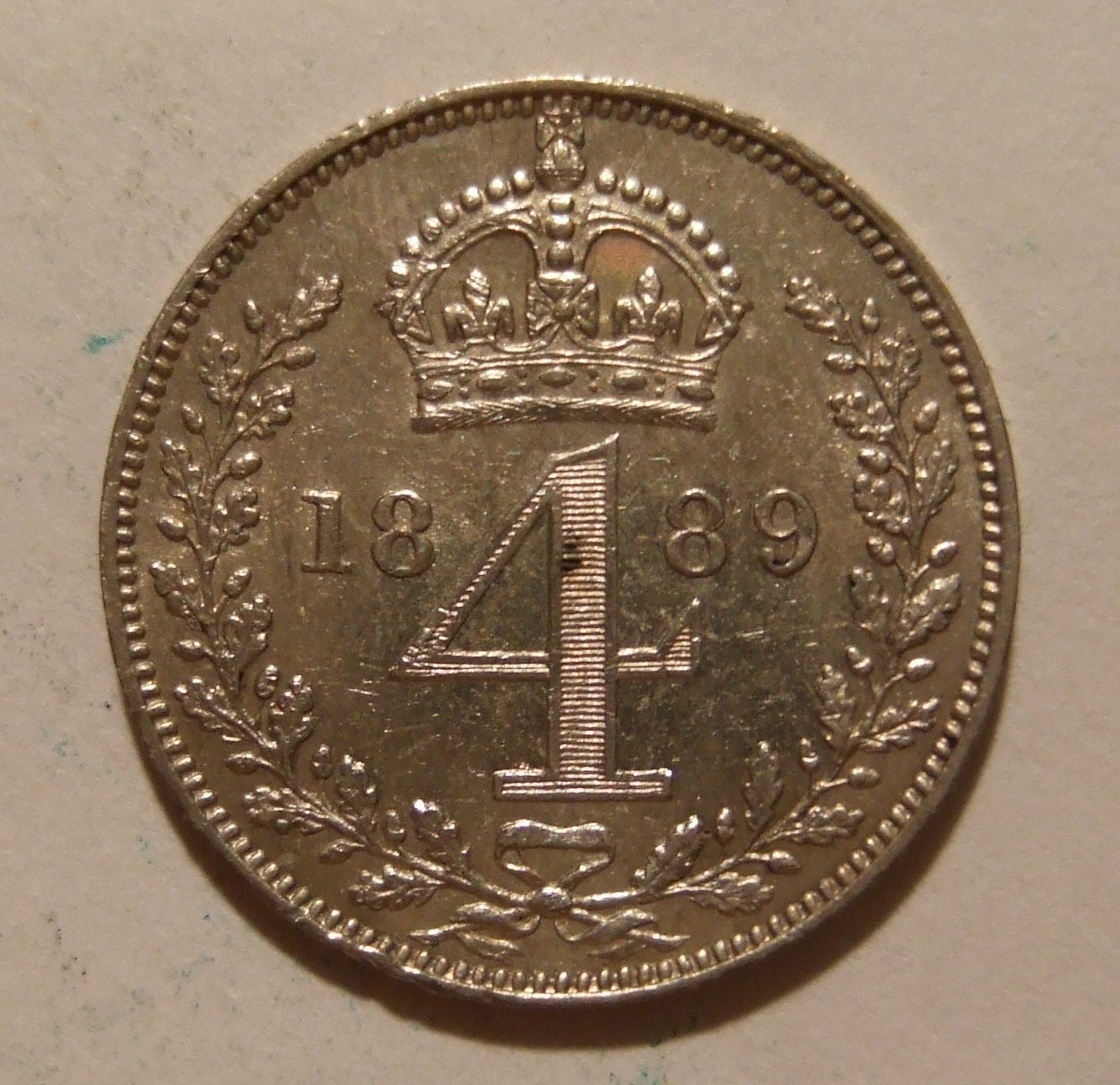
Victoria Maundy Fourpence
A tiny sterling-silver ceremonial coin from a royal Maundy set. This 1889 example shows Victoria's crowned Jubilee Head and a crowned '4' in a wreath.
- Country
- United Kingdom
- Denomination
- 4 Pence
- Metal
- Silver
Got a coin like this?
Identify any coin from a photo, free.
Overview
The Maundy fourpence is a small sterling-silver coin struck not for everyday commerce but for the Royal Maundy ceremony, at which the British monarch distributes specially made sets of tiny coins to elderly recipients on Maundy Thursday. Each set contains a penny, twopence, threepence, and fourpence, and the fourpence is the largest of the four. The example pictured here is dated 1889.
The obverse carries the crowned profile of Queen Victoria in her Jubilee Head style, introduced in the late 1880s. The reverse shows a large crowned numeral 4 enclosed by an oak wreath, with the date. Because these coins were made for ceremonial presentation rather than circulation, surviving pieces are usually well preserved.
History & Background
Royal Maundy is one of the oldest surviving British royal customs, its coin distribution tracing back centuries. By Victoria's reign the four small silver denominations—one, two, three, and four pence—were struck each year specifically as Maundy money and handed out in leather or velvet purses on Maundy Thursday, the number of recipients traditionally tied to the sovereign's age.
Victoria's long reign (1837–1901) produced three main portrait styles on Maundy coinage: the Young Head of her early years, the Jubilee Head introduced around 1887, and the veiled Old Head of the 1890s. The 1889 fourpence shown here belongs to the Jubilee Head period, distinguished by the small imperial crown Victoria wears on the bust.
Maundy coins of this era were struck in .925 sterling silver, the traditional British standard that remained in place until 1920. Mintages were tiny by circulation standards—typically only a few thousand sets a year—reflecting the limited number of Maundy recipients.
How to Identify
Begin with the size and the design pairing. The Maundy fourpence is a very small silver coin, roughly 17–18 mm across and only about 1.9 grams, yet its reverse carries a bold crowned numeral 4 within an oak wreath and the date—here 1889. That crowned-numeral reverse, rather than a pictorial or heraldic scene, is the signature of Maundy and small silver of this family.
The obverse shows Victoria facing left wearing a small crown (the Jubilee Head), surrounded by a Latin legend beginning VICTORIA. The crowned bust is the quickest way to place the coin in the 1888–1892 window rather than the earlier bare Young Head or the later veiled Old Head.
Two physical clues help confirm a Maundy piece: the metal is bright .925 sterling silver, and the edge is plain (smooth), not reeded. A worn, dark, or reeded small coin of similar size is more likely a circulating threepence than a Maundy fourpence.
Value & Collectibility
Because Maundy coins were produced in very small numbers and rarely circulated, they carry a numismatic premium well above their slim silver content. A single fourpence broken out of a set is the most affordable way to own one, while complete, matched four-coin sets in original condition command considerably more.
Condition and originality drive the price. Coins with full detail, attractive toning, and no cleaning or mounting marks are the most desirable, and prices climb for scarcer dates or exceptional preservation. Silver spot price sets only a floor here; treat any single quoted figure as a snapshot that varies with grade, eye appeal, and whether the coin is sold singly or as part of an intact set.
Frequently asked questions
What is a Maundy fourpence?
It is a small sterling-silver coin made for the Royal Maundy ceremony, in which the monarch gives sets of tiny coins to elderly recipients on Maundy Thursday. The fourpence is the largest of the four Maundy denominations.
Is the 1889 Victoria Maundy fourpence silver?
Yes. Victorian Maundy coins were struck in .925 sterling silver, the traditional British standard used until 1920. The fourpence weighs only about 1.9 grams, so its intrinsic silver value is small.
Why does Victoria wear a crown on this coin?
The 1889 fourpence uses Victoria's Jubilee Head portrait, introduced in the late 1880s, which depicts her wearing a small imperial crown. Her earlier Young Head is bare, and her later Old Head is veiled.
Are Maundy coins rare?
They were struck in very small numbers—only enough for the ceremony's recipients each year—so they are far scarcer than circulating coinage and carry a collector premium over their silver content.
Victoria Maundy Fourpence guides
In-depth guides for identifying, valuing, and collecting Victoria Maundy Fourpence.
Other coins you may enjoy
Medieval Penny of Edward III
1327–1377
Medieval Silver Cut Farthing
1272-1509
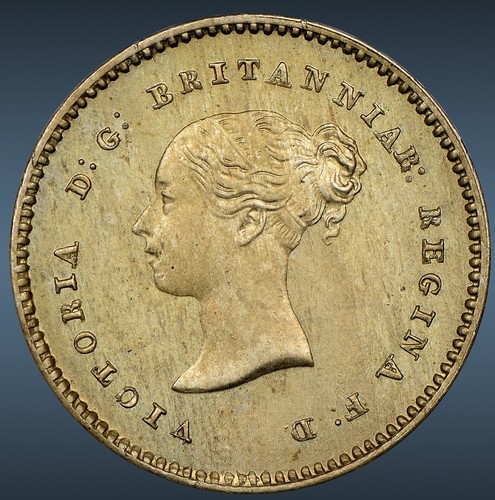
Quarter Farthing
1839-1868
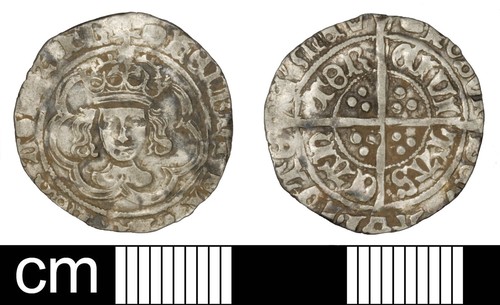
Medieval Halfgroat of Henry VII
1485-1509
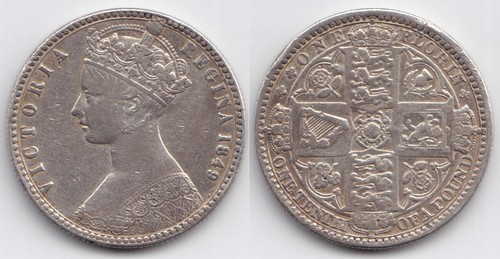
Godless Florin
1849
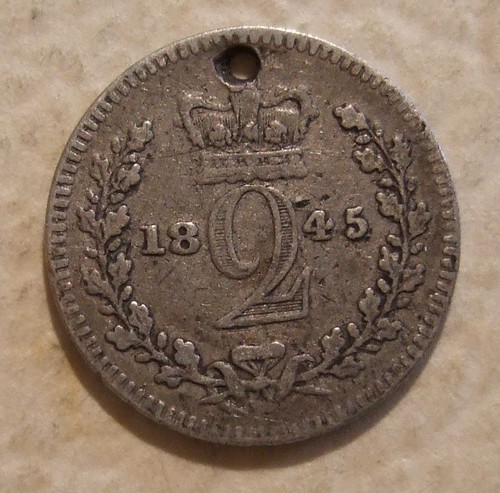
Victoria Maundy Twopence
1838–1901 (Young Head example shown: 1845)
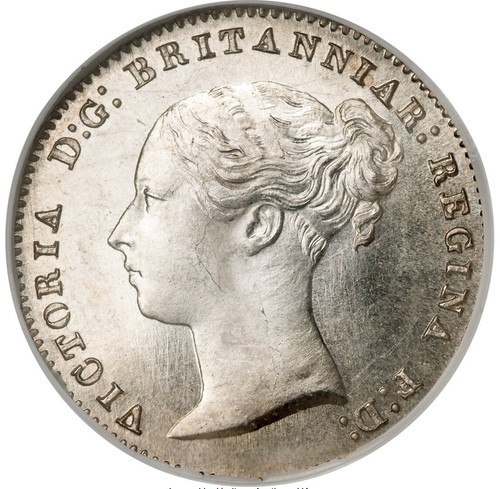
British Silver Threepence
1838-1944
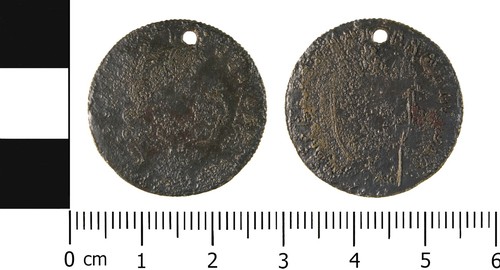
Imitation Guinea Gaming Piece
c. 1790-1900 (undated)
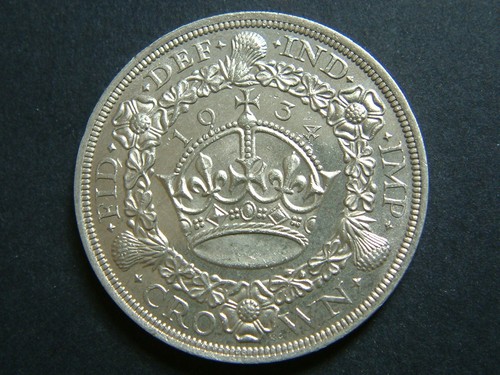
British Crown
1927–1936 (George V wreath crown; example dated 1934)
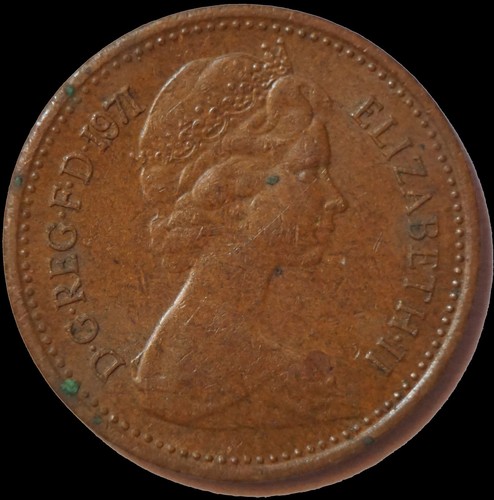
British Decimal Half Penny
1971–1984
British Brass Threepence
1937-1967
British Half Crown
1928 (George V type; series ran 1816–1946 in silver)