
British Crown
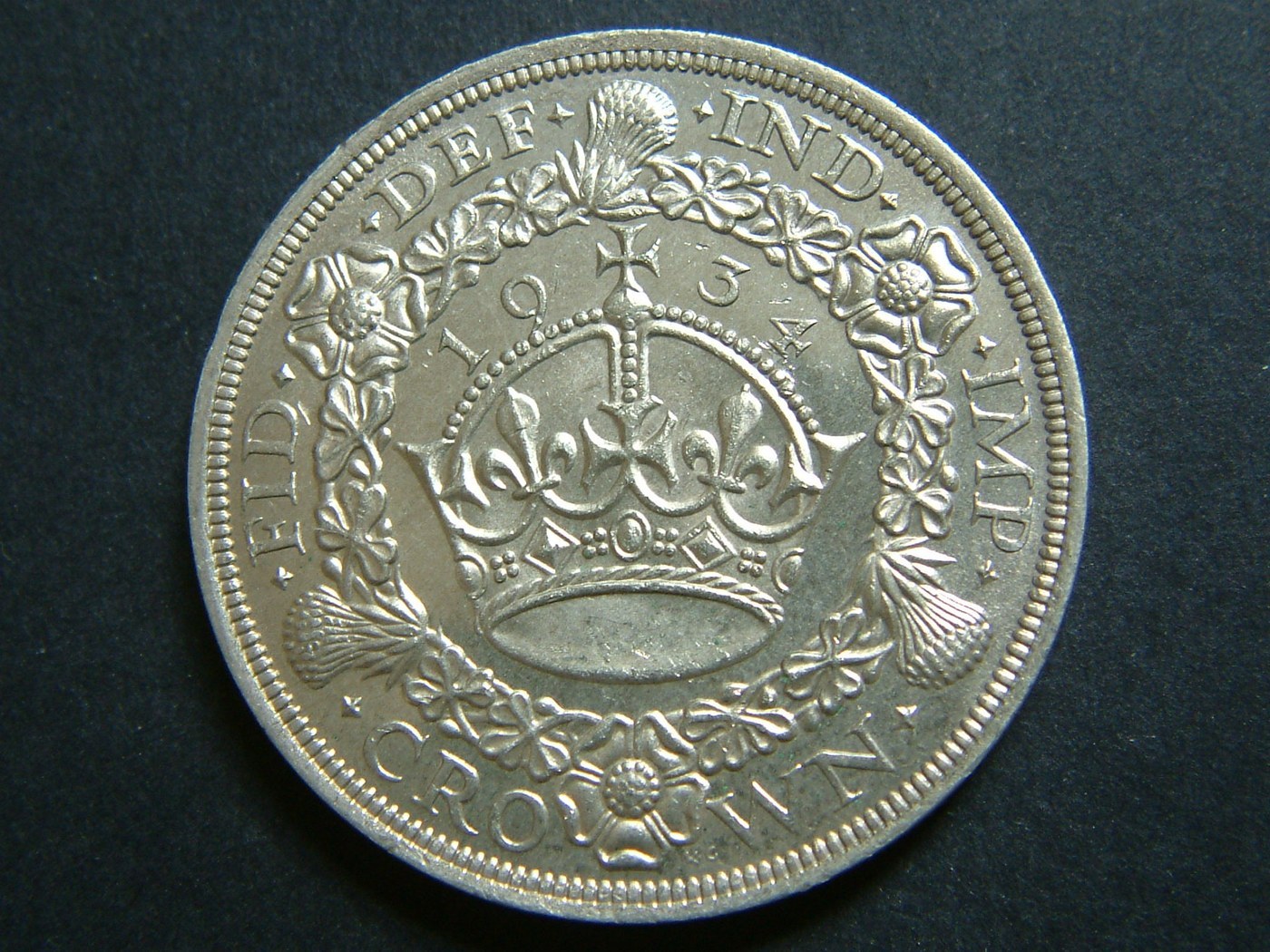
A large George V silver crown of the 1927–1936 'wreath' type, showing the king's profile and a royal crown framed by an ornamental wreath.
- Country
- United Kingdom
- Denomination
- Crown
- Metal
- Silver
Got a coin like this?
Identify any coin from a photo, free.
Overview
The British Crown was the largest silver coin in regular circulation-standard denominations, worth five shillings (a quarter of a pound). The piece shown here belongs to the George V 'wreath crown' series struck between 1927 and 1936, named for the ornamental wreath that encircles the royal crown on the reverse. The obverse carries a left-facing profile of King George V with an abbreviated Latin legend including D.G.BR.OMN REX ('by the Grace of God, King of all the Britains').
This is a heavy, impressive coin roughly 38 mm across, larger than most everyday currency of its era. Crowns of this type were produced in very small numbers each year and were bought or given as keepsakes rather than spent, which is why so many survive in high grade despite tiny mintages.
Within the series, the 1934 date seen on this example is the standout: it was struck in the smallest quantity of the entire wreath run, making it a recognized key date among British collectors.
History & Background
By the 1920s the crown had long ceased to circulate as everyday money, but the Royal Mint continued issuing it in small commemorative-style batches. In 1927 a new reverse by the engraver George Kruger Gray replaced earlier designs, presenting a single royal crown surrounded by a wreath—hence the collector nickname 'wreath crown.' The series ran, with a gap in some years, from 1927 through 1936.
These crowns were struck in the reduced .500 (50%) silver standard that Britain adopted in 1920, when the silver content of coinage was halved to conserve bullion after the First World War. Annual production was minuscule by circulating-coin standards—typically only a few thousand pieces—because the coins were sold to collectors and given as gifts, often at Christmas, rather than released for commerce.
The 1934 issue was made in the lowest number of the series, reportedly fewer than a thousand coins, which has made it one of the most sought-after modern British crowns. The wreath type ended in 1936 with the death of George V, after which the coinage passed to the short reign of Edward VIII and then George VI.
How to Identify
Look first at the obverse: a bare-headed profile of George V facing left, encircled by a Latin legend that abbreviates GEORGIVS V DEI GRA(tia) BR(itt) OMN(ium) REX FID(ei) DEF(ensor) IND(iae) IMP(erator). The D.G.BR.OMN REX portion visible on this coin is the standard George V royal titling. The reverse shows a single royal crown set within an ornamental leafy wreath, with the date (1934 here) below or in the field.
The coin is large and substantial: about 38–39 mm in diameter and roughly 28 grams, struck in .500 silver. Its size alone distinguishes a crown from the far smaller half-crown, florin, and shilling. Because these were carefully preserved, genuine examples often show sharp, frosty detail rather than heavy circulation wear.
The key confirming detail for this piece is the wreath reverse combined with the George V portrait—this pairing identifies it firmly as the 1927–1936 wreath crown series rather than an earlier Victorian or Edwardian crown or a later George VI or Elizabeth II issue.
Value & Collectibility
Value in the wreath crown series is driven almost entirely by date and condition, since all shared the same design. Common dates in the run trade for modest sums above their silver content, while low-mintage dates command sharp premiums.
The 1934 crown shown here is the key date of the series and is genuinely scarce, so even worn examples carry a strong premium and choice, lustrous pieces can reach well into the thousands. Exact figures vary widely with grade, eye appeal, and market conditions, so treat any single price as a snapshot rather than a fixed value.
Because the 1934 date is valuable, it is a target for altered dates and counterfeits; a professional grading or authentication opinion is strongly advised before buying or selling at the high end.
Frequently asked questions
What is a British Crown worth in shillings?
A crown was worth five shillings, or one quarter of a pound sterling, in the pre-decimal British system.
Why is the 1934 crown special?
The 1934 wreath crown was struck in the smallest quantity of the 1927–1936 series—reportedly under a thousand pieces—making it the key date and the most desirable of the type.
Is this crown made of pure silver?
No. Like all British silver coinage from 1920 to 1946, it is .500 fine silver (50% silver, 50% base metal), not sterling or pure silver.
Why is it called a 'wreath crown'?
The reverse, designed by George Kruger Gray, shows a royal crown encircled by an ornamental wreath, and collectors adopted 'wreath crown' as the nickname for the 1927–1936 George V series.
British Crown guides
In-depth guides for identifying, valuing, and collecting British Crown.
Other coins you may enjoy
Medieval Penny of Edward III
1327–1377
Medieval Silver Cut Farthing
1272-1509
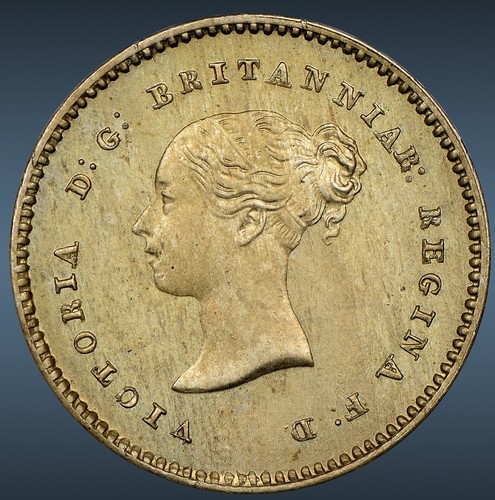
Quarter Farthing
1839-1868
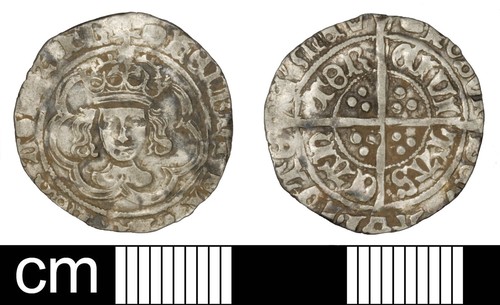
Medieval Halfgroat of Henry VII
1485-1509
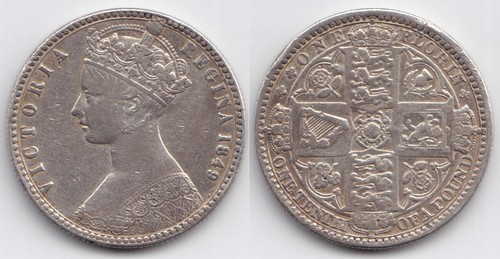
Godless Florin
1849
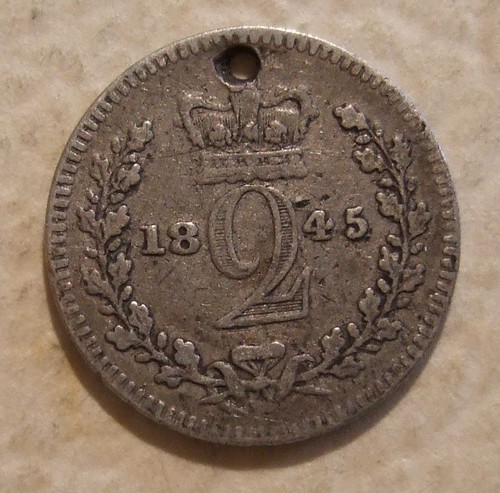
Victoria Maundy Twopence
1838–1901 (Young Head example shown: 1845)
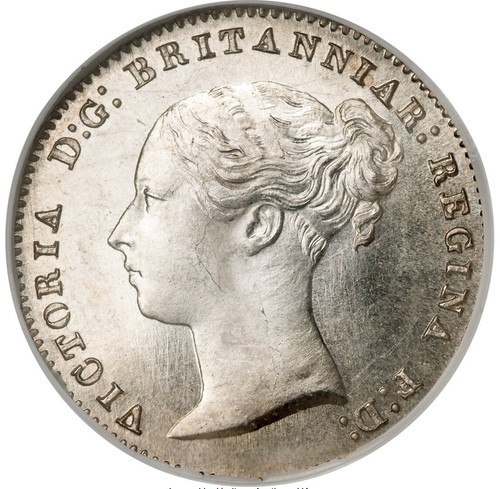
British Silver Threepence
1838-1944
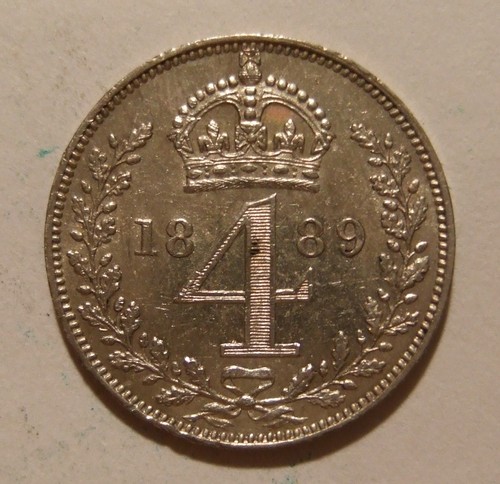
Victoria Maundy Fourpence
1838–1901 (Jubilee Head type shown: 1888–1892)
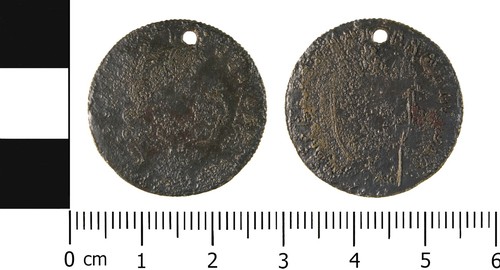
Imitation Guinea Gaming Piece
c. 1790-1900 (undated)
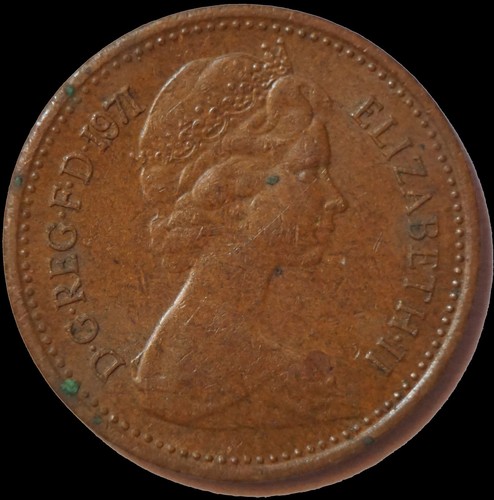
British Decimal Half Penny
1971–1984
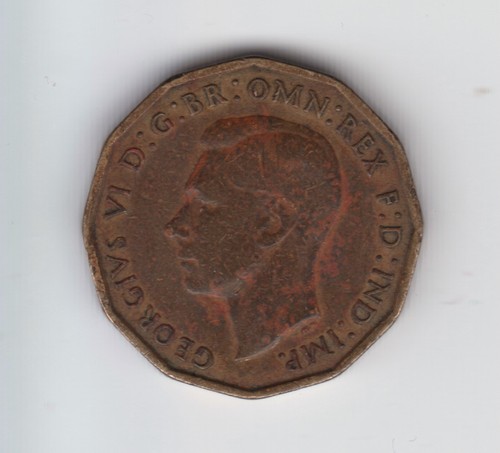
British Brass Threepence
1937-1967
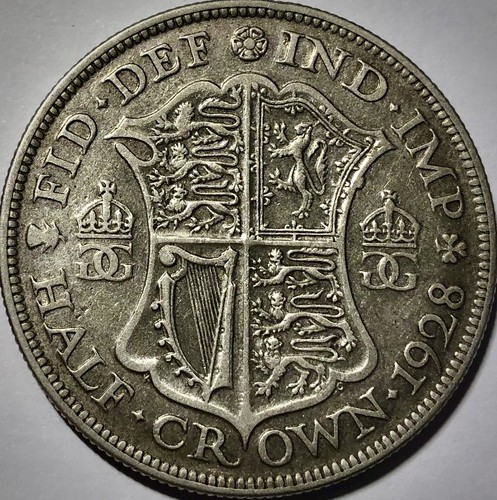
British Half Crown
1928 (George V type; series ran 1816–1946 in silver)