
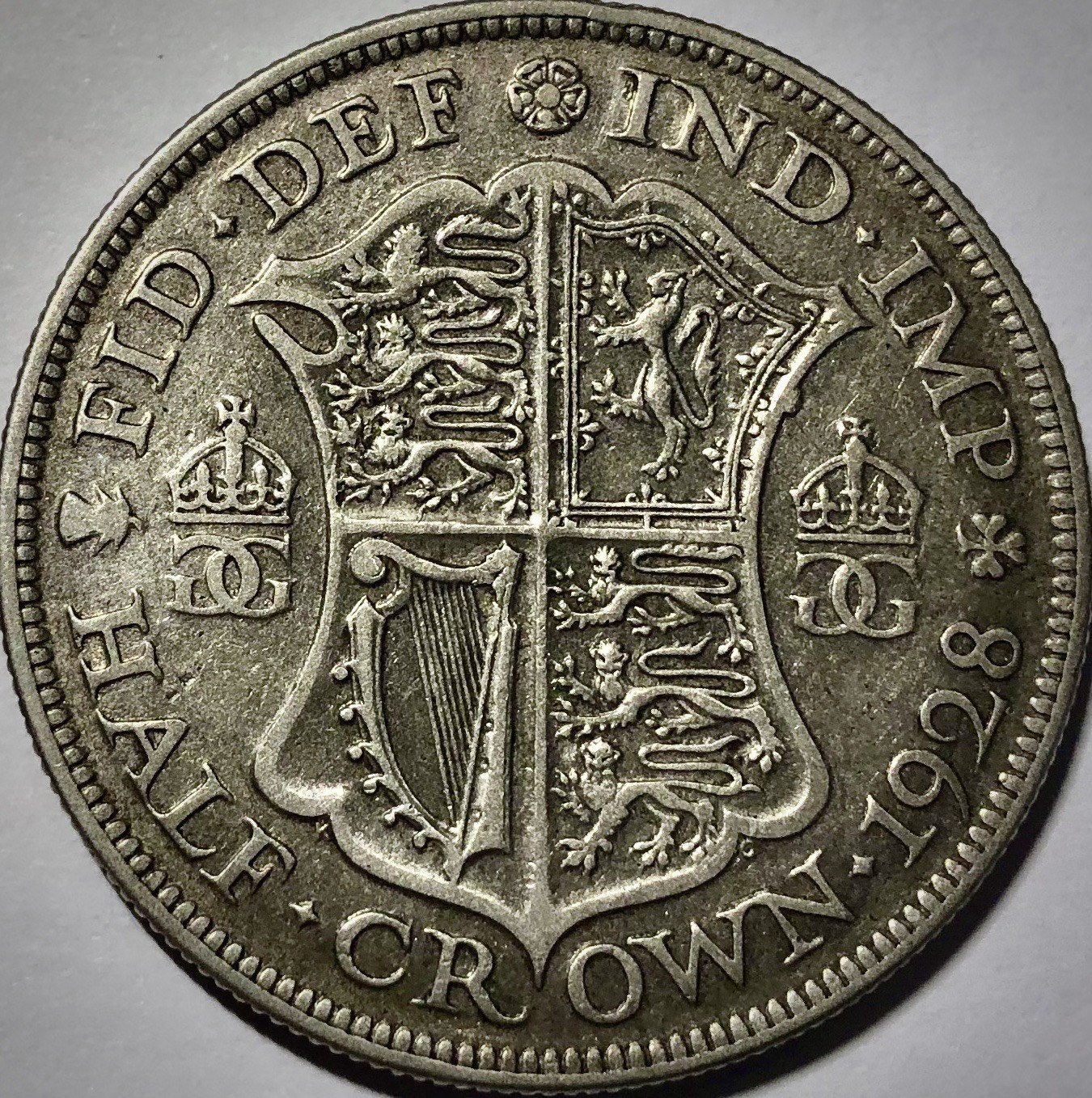
British Half Crown
British silver half crown of King George V, worth two shillings and sixpence, with the king's bare left-facing head and a crowned shield of arms.
- Country
- United Kingdom
- Denomination
- Half Crown
- Metal
- Silver
Got a coin like this?
Identify any coin from a photo, free.
Overview
The British half crown was a large silver coin worth two shillings and sixpence (2/6), or one-eighth of a pound sterling. The 1928 piece shown here belongs to the reign of King George V (1910–1936) and carries his bare-headed profile facing left on the obverse, with a crowned heraldic shield on the reverse.
By 1928 the half crown was struck in 50% silver rather than sterling. It was a workhorse of everyday commerce, one of the higher-value silver coins most people handled regularly, and it remained a familiar denomination until decimalisation in 1971 rendered the sum of 2/6 obsolete.
History & Background
The half crown had a long history in British coinage, circulating in silver for centuries before George V's reign. Under George V the design saw several changes: the silver standard was reduced from .925 (sterling) to .500 fineness in 1920 as a wartime and post-war economy measure, so 1928 coins are half silver by weight.
The reverse seen on this 1928 coin is the crowned quartered shield introduced in 1927, work associated with the designer George Kruger Gray, replacing the earlier ornate crowned-shield reverses used earlier in the reign. The obverse portrait of George V was engraved by Bertram Mackennal. The half crown continued through the reigns of Edward VIII (pattern only), George VI, and Elizabeth II until it was withdrawn ahead of decimalisation in the early 1970s.
How to Identify
The obverse shows the bare head of George V facing left, encircled by a Latin legend beginning "GEORGIVS V DEI GRA BRITT OMN REX" and continuing with his titles as Defender of the Faith and Emperor of India. The reverse displays a crowned shield bearing the quartered royal arms (the lions of England, the lion of Scotland, and the harp of Ireland), with the date 1928 in the field.
The coin is a substantial silver piece, roughly 32 mm across and about 14 grams, noticeably larger than a florin (two shillings) and smaller than a full crown (five shillings). Because 1928 falls in the .500 fineness era, the metal has a slightly warmer, less bright tone than earlier sterling issues and often tones to grey.
Value & Collectibility
The George V half crown of the late 1920s and 1930s is a relatively common date and is usually valued modestly. In well-worn condition it typically trades not far above its silver content, with a small collector premium.
Condition drives price sharply upward: coins with sharp, unworn detail on the king's hair and the shield, and especially uncirculated examples with original lustre, command significantly more than circulated pieces. As a .500 silver coin, its bullion floor is lower than a sterling-era half crown of the same size. Exact values vary with the silver market, grade, and eye appeal, so treat any single figure as a guide rather than a fixed price.
Frequently asked questions
How much was a half crown worth?
A half crown was two shillings and sixpence (written 2/6), which is one-eighth of a pound sterling, or thirty old pence.
Is the 1928 half crown real silver?
Yes, but only 50% silver. From 1920 onward British silver coins, including this half crown, were struck in .500 fineness rather than the earlier .925 sterling standard.
Who is on the 1928 British half crown?
King George V, shown as a bare-headed profile facing left, with a Latin legend giving his royal and imperial titles.
What is on the reverse of this coin?
A crowned shield displaying the quartered royal coat of arms, with the date 1928. This crowned-shield reverse was introduced in 1927.
Is a 1928 half crown rare or valuable?
It is a common date. Worn examples are worth a modest premium over their silver value, while sharply struck or uncirculated coins are worth considerably more.
British Half Crown guides
In-depth guides for identifying, valuing, and collecting British Half Crown.
Other coins you may enjoy
Medieval Penny of Edward III
1327–1377
Medieval Silver Cut Farthing
1272-1509
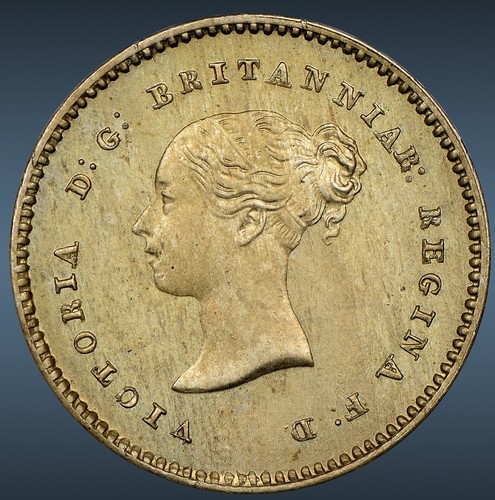
Quarter Farthing
1839-1868
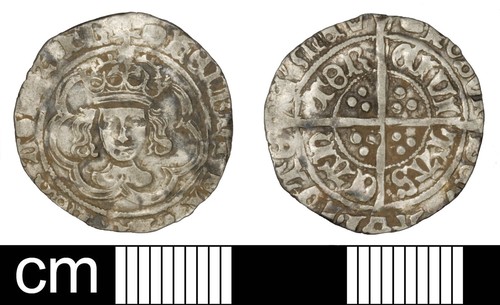
Medieval Halfgroat of Henry VII
1485-1509
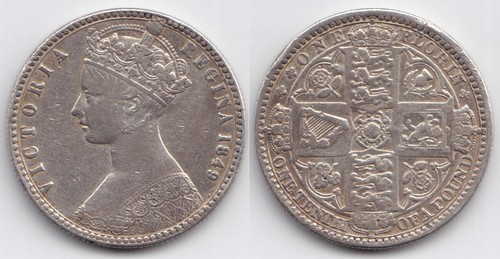
Godless Florin
1849
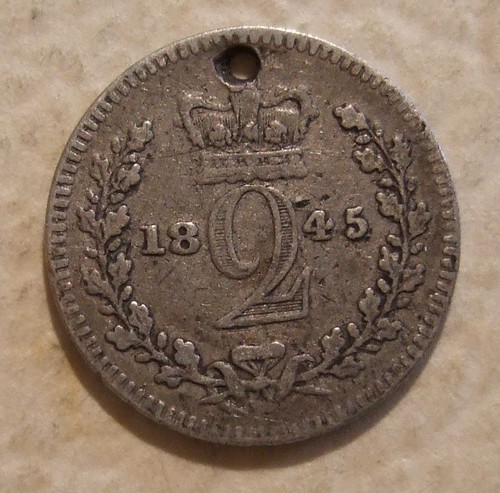
Victoria Maundy Twopence
1838–1901 (Young Head example shown: 1845)
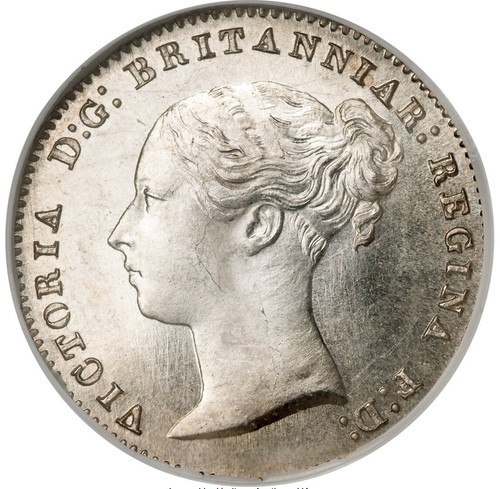
British Silver Threepence
1838-1944
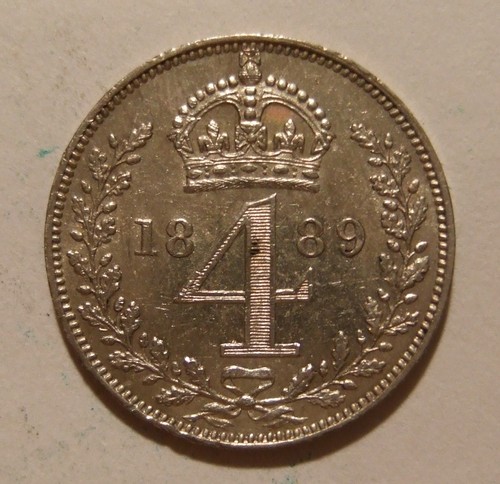
Victoria Maundy Fourpence
1838–1901 (Jubilee Head type shown: 1888–1892)
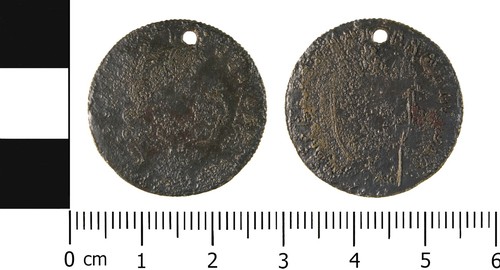
Imitation Guinea Gaming Piece
c. 1790-1900 (undated)
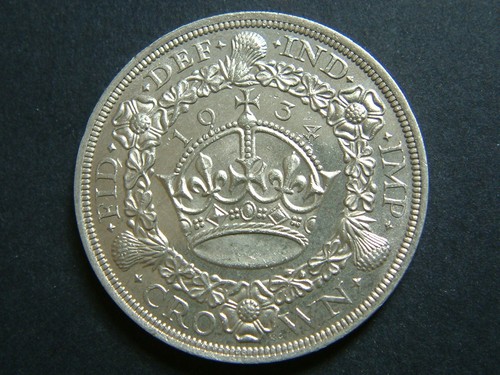
British Crown
1927–1936 (George V wreath crown; example dated 1934)
British Decimal Half Penny
1971–1984
British Brass Threepence
1937-1967