
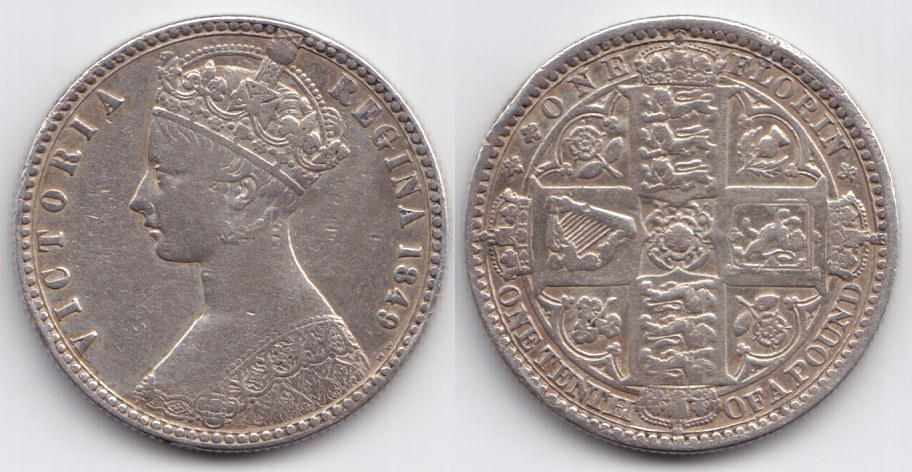
Godless Florin
Britain's first florin, struck only in 1849 and nicknamed "Godless" because it dropped "Dei Gratia" from Queen Victoria's titles.
- Country
- United Kingdom
- Denomination
- Florin
- Metal
- Silver (.925 sterling)
Got a coin like this?
Identify any coin from a photo, free.
Overview
The Godless Florin is the popular name for the very first British florin, a two-shilling silver coin issued in 1849 under Queen Victoria. The florin was introduced as an early experiment toward a decimal currency, valued at one-tenth of a pound, and the reverse legend openly announces this as "ONE FLORIN ONE TENTH OF A POUND."
The coin earned its nickname because the usual royal abbreviations were left off the obverse legend. Where earlier coins read "VICTORIA DEI GRATIA" (Victoria, by the Grace of God), this florin simply reads "VICTORIA REGINA," omitting both "Dei Gratia" and the "Fid. Def." (Defender of the Faith) title. Contemporaries found the omission scandalous, and the coin was quickly labelled the "Godless" or "Graceless" florin.
Because it was struck in only a single year before the design was replaced, the 1849 Godless Florin holds a permanent place in British numismatics as both the country's first florin and a well-known example of how public and religious sentiment can reshape a coin.
History & Background
By the 1840s there was growing interest in decimal coinage in Britain, and the florin at one-tenth of a pound was proposed as a cautious first step. The Royal Mint issued the new denomination in 1849, with the obverse portrait engraved by William Wyon and the crowned cruciform-shield reverse also in the Wyon style.
The missing "Dei Gratia" and "Fid. Def." caused an immediate outcry. Critics saw the omission as impious, and some superstitious commentators even linked it to the cholera outbreaks of the period. The reaction was strong enough that the Master of the Mint reportedly lost favour over the affair, and the offending legend was corrected in the redesign that followed.
In 1851 the florin was reissued in the elaborate medieval-style "Gothic" design, which restored the full royal titles and used ornate Gothic lettering and Roman-numeral dates. The 1849 Godless type was therefore a one-year issue, superseded by the long-running Gothic Florin series that continued into the 1880s.
How to Identify
Look first at the obverse legend. A genuine Godless Florin reads "VICTORIA REGINA 1849" in plain Roman capitals with no "D G" or "F D" — this omission is the single most diagnostic feature. The portrait is a left-facing crowned bust of the young Queen Victoria, her hair drawn back beneath a coronet with a drape at the rear of the neck.
The reverse shows four crowned shields arranged as a cross (cruciform), bearing the arms of England, Scotland and Ireland, with a rose, thistle and shamrock filling the angles between them and the legend "ONE FLORIN ONE TENTH OF A POUND." The date 1849 appears on the obverse only, in ordinary Arabic figures rather than the Roman numerals used on the later Gothic florins.
Specifications match a Victorian silver florin: sterling silver (.925), roughly 28 mm in diameter and about 11.3 grams, with a reeded edge. Minor die varieties exist, including differences in the placement of Wyon's "WW" initials on the obverse truncation, which specialists distinguish but which do not change the coin's basic identity.
Value & Collectibility
The Godless Florin is a genuinely collectable one-year type but not a great rarity, since it was struck in fairly large numbers. Well-worn examples typically trade in the modest range of a common older silver coin, while problem-free coins in higher circulated grades command a clear premium for the type and its story.
Sharp, lightly circulated to Extremely Fine pieces move into the low-to-mid range for classic British silver, and true Uncirculated or attractively toned examples can reach several times that. Recognised die varieties, original mint luster and proof or pattern strikings sit at the top of the market.
As always, condition, eye appeal and originality drive price far more than age. Cleaned, scratched or holed coins are worth substantially less, and high-value examples are best bought with third-party grading given the coin's fame and the incentive it creates for altered or counterfeit pieces.
Frequently asked questions
Why is it called the Godless Florin?
Because the 1849 obverse legend reads simply "VICTORIA REGINA" and leaves out "Dei Gratia" (by the Grace of God) and "Fid. Def." (Defender of the Faith). Many people found the omission irreligious, so the coin was nicknamed the Godless, or Graceless, florin.
What is a florin worth in old British money?
A florin was two shillings, or one-tenth of a pound. It was introduced in 1849 as an early move toward decimal coinage, which is why the reverse states "ONE TENTH OF A POUND."
Was the Godless Florin only made in 1849?
Yes. The Godless type is dated 1849 only. It was replaced from 1851 by the ornate Gothic Florin, which restored the full royal titles and used Gothic lettering with Roman-numeral dates.
Is a Godless Florin rare or valuable?
It is a sought-after one-year type but not extremely rare, as many were struck. Worn examples are affordable, while high-grade, original or Uncirculated coins carry a meaningful premium.
Godless Florin guides
In-depth guides for identifying, valuing, and collecting Godless Florin.
Other coins you may enjoy
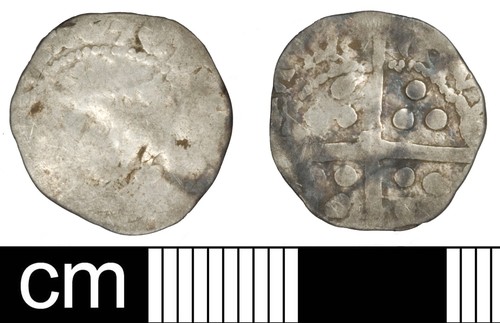
Medieval Penny of Edward III
1327–1377
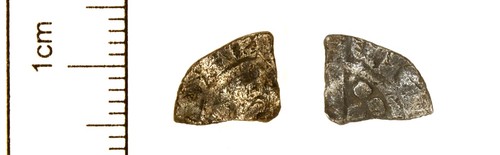
Medieval Silver Cut Farthing
1272-1509
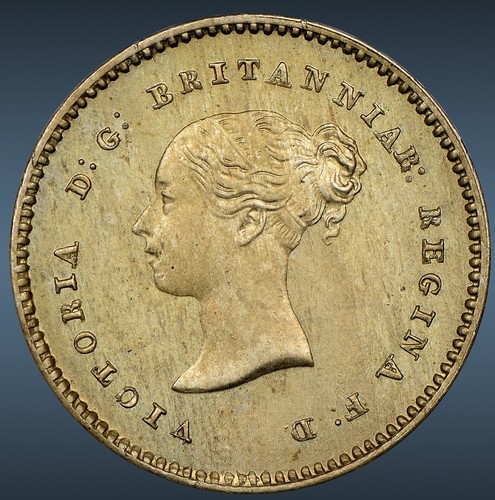
Quarter Farthing
1839-1868
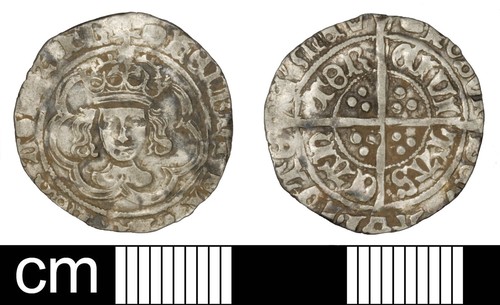
Medieval Halfgroat of Henry VII
1485-1509
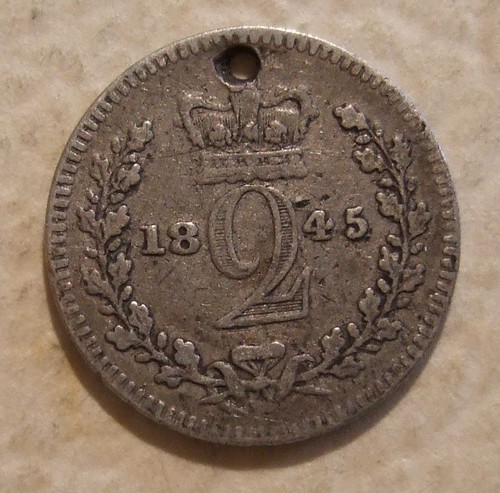
Victoria Maundy Twopence
1838–1901 (Young Head example shown: 1845)
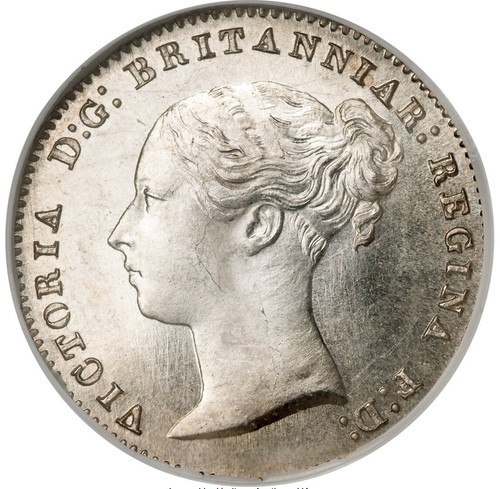
British Silver Threepence
1838-1944
Victoria Maundy Fourpence
1838–1901 (Jubilee Head type shown: 1888–1892)
Imitation Guinea Gaming Piece
c. 1790-1900 (undated)
British Crown
1927–1936 (George V wreath crown; example dated 1934)
British Decimal Half Penny
1971–1984
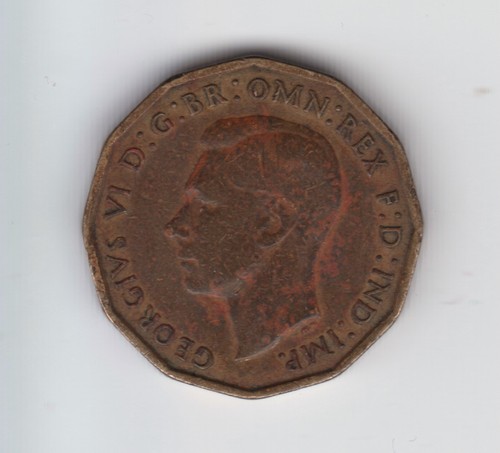
British Brass Threepence
1937-1967
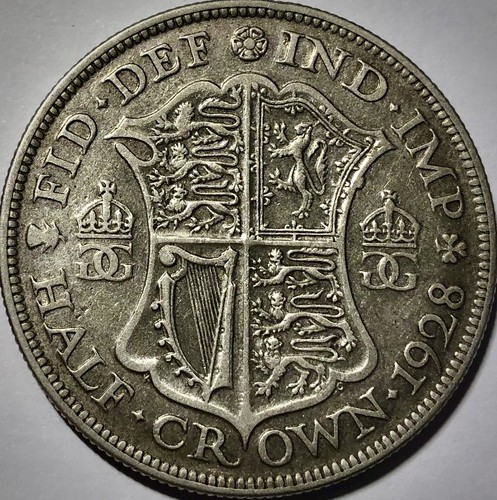
British Half Crown
1928 (George V type; series ran 1816–1946 in silver)