
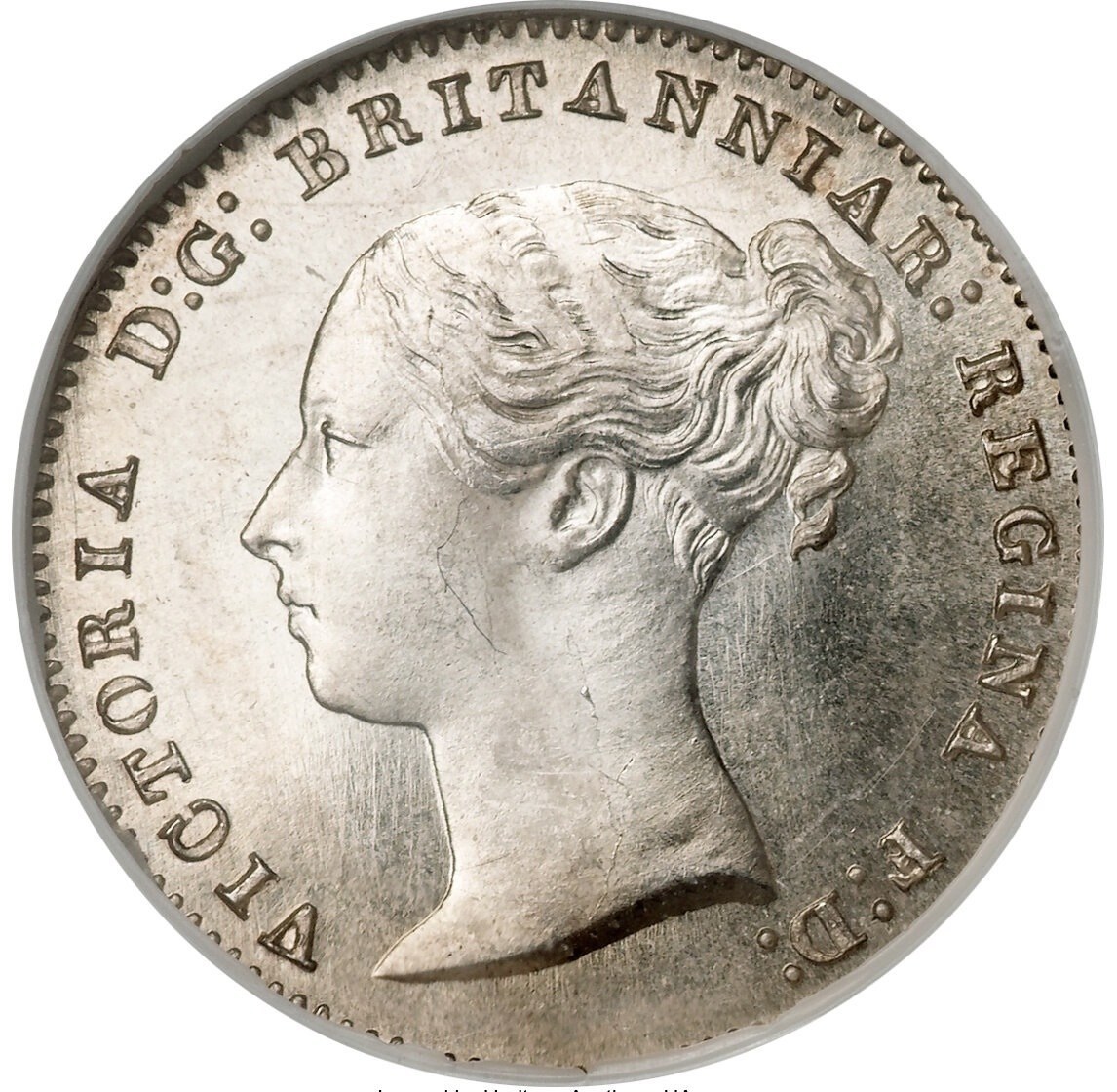
British Silver Threepence
Tiny sterling-silver threepence of Queen Victoria; the young-head type shown here dates to 1858 and is one of Britain's smallest circulating coins.
- Country
- United Kingdom
- Denomination
- Threepence
- Metal
- Silver
Got a coin like this?
Identify any coin from a photo, free.
Overview
The British Silver Threepence is a very small sterling-silver coin worth three pence, or a quarter of a shilling, in the pre-decimal system. The example shown here is a Victorian young head issue dated 1858, with the Queen's left-facing portrait and a legend ending ...BRITANNIA on the obverse.
The coin is minute, only about 16 mm across and a little over a gram in weight, which makes the delicate portrait and small lettering hard to read without magnification. It was struck in the same 0.925 sterling silver used for larger Victorian coins, so despite its size it is a genuine precious-metal piece.
The silver threepence circulated as everyday small change and was also produced as a Maundy coin. The circulating version continued well into the twentieth century before being replaced by the larger brass twelve-sided threepence.
History & Background
A silver threepence had existed since the Tudor period, but regular striking for general circulation was firmly re-established under Queen Victoria in the 1840s. The young-head portrait seen on the 1858 coin was engraved by William Wyon and used on the threepence for much of Victoria's early and middle reign.
The same small silver coin was struck in two roles: ordinary currency for pockets and tills, and a ceremonial Maundy piece distributed by the sovereign on Maundy Thursday. Business-strike and Maundy threepences of a given year share the design, which is one reason the tiny coin can be confusing to attribute.
Over the following decades the portrait was updated to the Jubilee and Old Head types of Victoria, and later to Edward VII, George V, and George VI. Silver was reduced from sterling to a 50% alloy in 1920. The circulating silver threepence was eventually superseded by the chunky nickel-brass twelve-sided threepence introduced in the late 1930s, though small silver threepences continued to be struck for Maundy and for some export use into the 1940s.
How to Identify
Identify this type from the obverse first. It shows a young, left-facing bust of Queen Victoria surrounded by an abbreviated Latin legend; on a worn coin only the tail of it, ...BRITANNIA, may be legible, but the full form reads VICTORIA D G BRITANNIAR REGINA F D. The date, here 1858, is normally carried on the reverse.
The reverse is not visible in this image. On the Victorian young-head silver threepence it is conventionally an ornate crowned numeral 3 within a wreath, with the date, rather than a written value; confirm the exact reverse before final attribution.
Check the physical standard as a cross-test. A genuine silver threepence of this era is about 16 mm in diameter, roughly 1.4 grams, struck in 0.925 sterling silver, and non-magnetic. Its small size and silver colour distinguish it clearly from the much larger and yellow brass threepence of later years.
Value & Collectibility
Most circulated Victorian silver threepences are affordable, common-date coins. Worn examples are modest collector pieces valued for their silver content and historical interest rather than rarity, and typically trade for a few dollars to low tens of dollars depending on grade.
Value rises with condition and with scarcer dates. Sharp, lightly worn coins with a clear portrait, and especially uncirculated or proof-like Maundy strikes, command higher premiums. Because business-strike and Maundy coins of the same year can look alike, an expert eye helps separate the two.
Treat any figure as indicative only. Grade, eye appeal, and whether a coin is a currency or Maundy issue all move the price, so have a specific coin checked by a reputable dealer or catalogue before buying, selling, or insuring it.
Frequently asked questions
Is the British silver threepence actually silver?
Yes. Victorian threepences like the 1858 example are struck in 0.925 sterling silver. The silver content was reduced to a 50% alloy in 1920, and only the later twelve-sided threepence was brass.
Why is this coin so small?
The threepence was a low-value coin, and pre-decimal silver denominations were sized by their silver content. At only about 16 mm and 1.4 grams it is one of the smallest British circulating coins.
What does the ...BRITANNIA legend mean?
It is the end of the abbreviated Latin obverse legend VICTORIA D G BRITANNIAR REGINA F D, meaning Victoria, by the Grace of God, Queen of the Britains, Defender of the Faith.
Is my threepence a currency coin or a Maundy coin?
The same tiny design was used for both circulating threepences and ceremonial Maundy threepences of the same year. They can look identical, so an expert usually confirms which one you have.
How much is an 1858 silver threepence worth?
Common circulated examples are inexpensive, often a few dollars, while sharp high-grade or Maundy pieces bring more. Have a specific coin appraised for an accurate figure.
British Silver Threepence guides
In-depth guides for identifying, valuing, and collecting British Silver Threepence.
Other coins you may enjoy
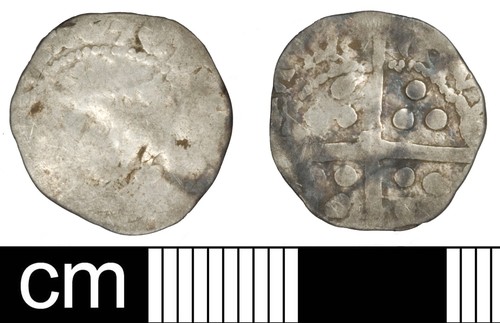
Medieval Penny of Edward III
1327–1377
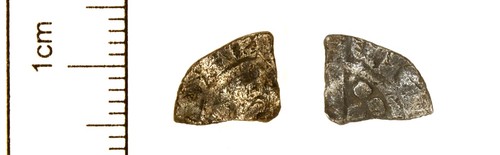
Medieval Silver Cut Farthing
1272-1509
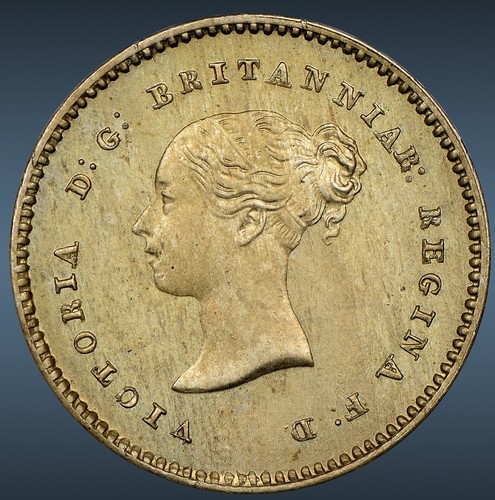
Quarter Farthing
1839-1868
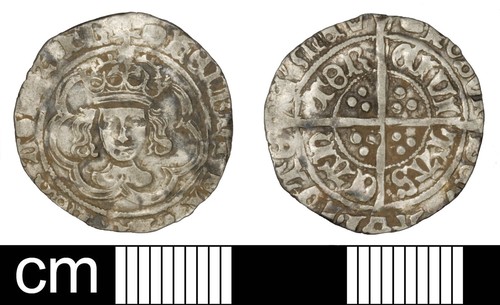
Medieval Halfgroat of Henry VII
1485-1509
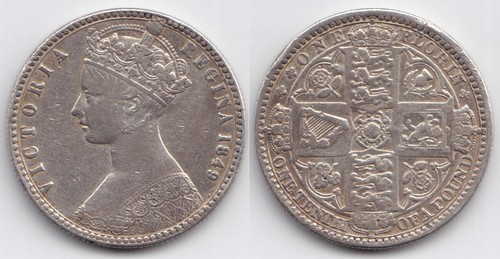
Godless Florin
1849
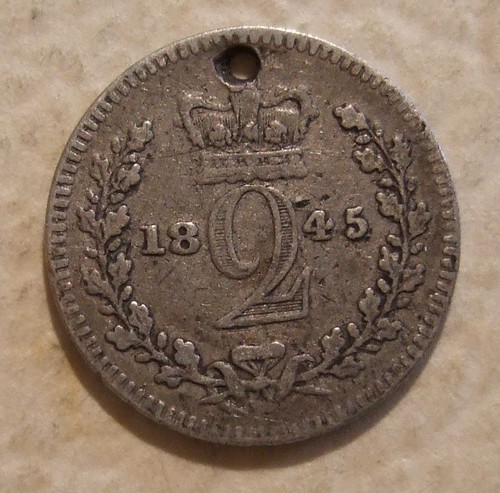
Victoria Maundy Twopence
1838–1901 (Young Head example shown: 1845)
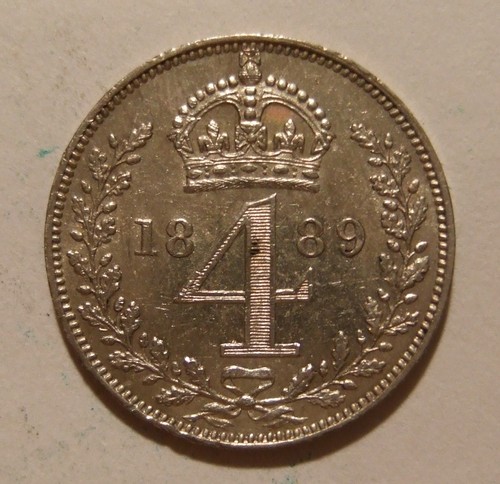
Victoria Maundy Fourpence
1838–1901 (Jubilee Head type shown: 1888–1892)
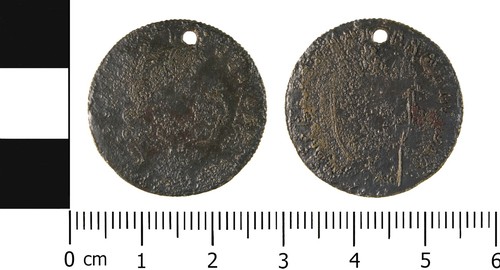
Imitation Guinea Gaming Piece
c. 1790-1900 (undated)
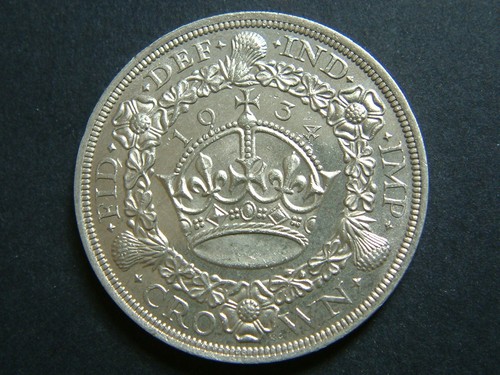
British Crown
1927–1936 (George V wreath crown; example dated 1934)
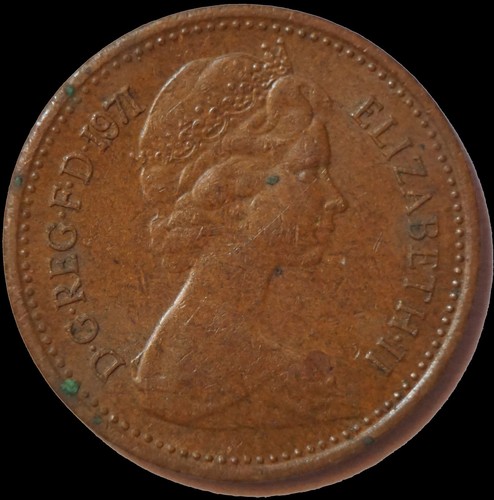
British Decimal Half Penny
1971–1984
British Brass Threepence
1937-1967
British Half Crown
1928 (George V type; series ran 1816–1946 in silver)