
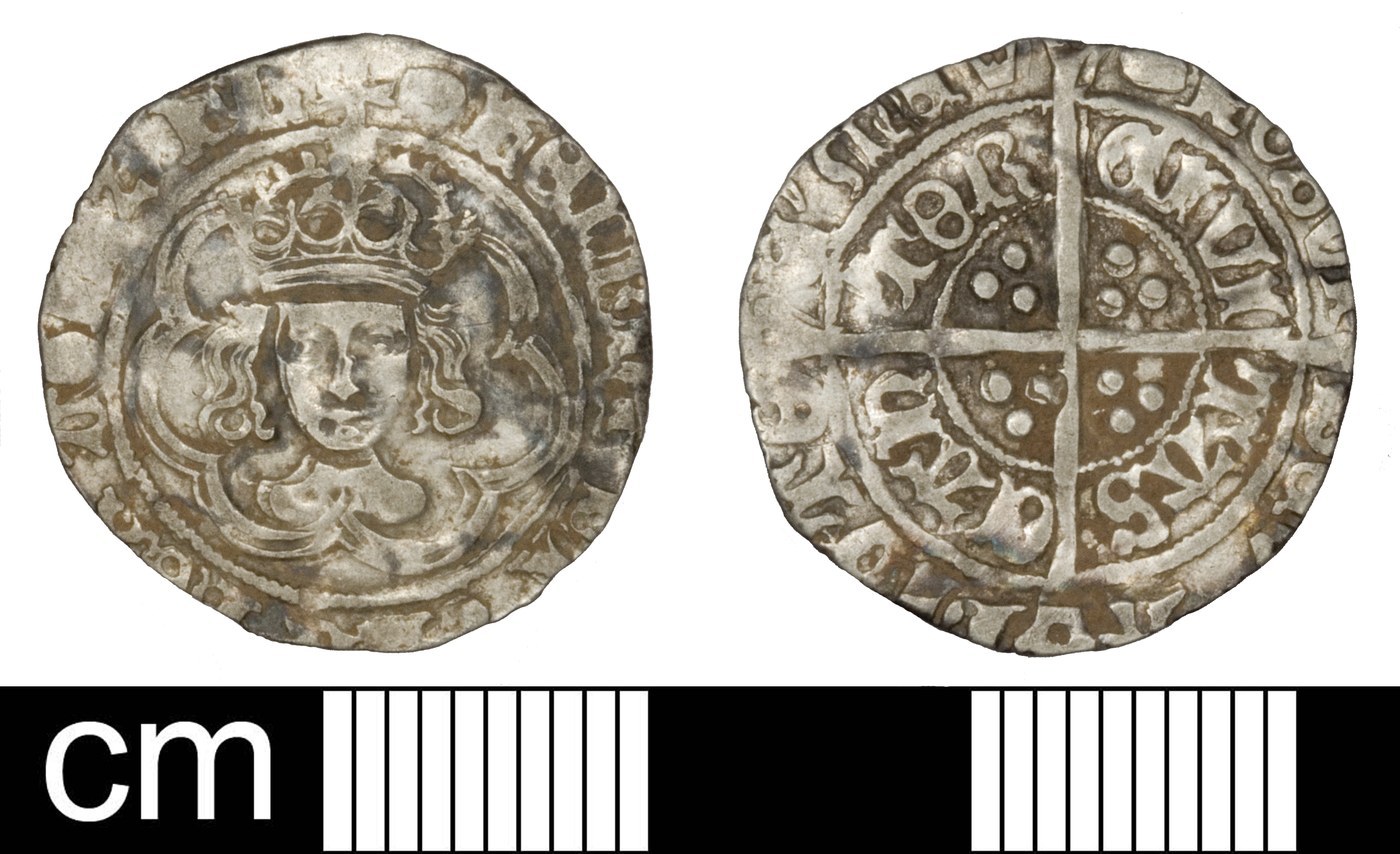
Medieval Halfgroat of Henry VII
Hammered silver twopence of England's first Tudor king, with a crowned royal portrait and a long-cross reverse over a shield.
- Country
- England
- Denomination
- Halfgroat
- Metal
- Silver
Got a coin like this?
Identify any coin from a photo, free.
Overview
The Halfgroat of Henry VII is a hammered silver coin worth two pence, struck during the reign of England's first Tudor king (1485-1509). The example shown here has a crowned royal bust facing left set within a beaded or ornamental border, the standard portrait format for the smaller silver denominations of the period.
The reverse carries a long cross dividing the legend, with pellets in the quarters and, in the field, the royal shield of arms characteristic of Tudor silver coinage. The design links the coin to the wider English silver series, where the same basic cross-and-shield reverse appears across pennies, halfgroats, and groats at different sizes.
As a small hammered piece, it is thin, roughly circular rather than perfectly round, and struck by hand, so no two examples are identical in centering or flan shape.
History & Background
Henry VII took the throne in 1485 after his victory at Bosworth ended the Wars of the Roses, founding the Tudor dynasty. His coinage continued the medieval English silver system of the penny, halfgroat (twopence), and groat (fourpence), all struck in hammered silver at royal and ecclesiastical mints.
The reign is important in coinage history because it bridges the old medieval style and the Renaissance. Early halfgroats keep the traditional open-crowned facing or profile bust in the long-standing medieval manner, while later in the reign Henry introduced the innovative profile portrait that pointed toward the more realistic Tudor coin portraits that followed. Ecclesiastical mints such as Canterbury and York also struck halfgroats under archiepiscopal authority, and their initials or marks can appear in the design.
Because these coins were produced by hand over roughly two decades, they exist in a range of bust styles, legends, and mint marks rather than as a single uniform issue.
How to Identify
Confirm the denomination by size and design. The halfgroat sits between the small penny and the larger groat: it shows a crowned bust on the obverse and a long cross with three pellets in each quarter over a shield on the reverse. The metal is silver, and the coin is a thin, hand-struck flan that is rarely perfectly round.
Look for a small mint mark (initial mark) at the start of the legend, which helps place the issue in the reign and identify the mint. Ecclesiastical issues from Canterbury or York may carry additional letters or symbols in the design tied to the archbishop. The obverse legend names Henry as king; the reverse legend typically cites the mint town.
Wear, uneven striking, and clipping are normal on hammered coins of this age. Weakly struck areas, off-centre flans, and slightly irregular edges are expected and do not by themselves indicate a fake.
Value & Collectibility
Value depends strongly on the specific type, mint, bust style, legibility, and overall condition. Worn but genuine and identifiable halfgroats of Henry VII are among the more affordable late-medieval English silver coins, while sharply struck, well-centred, or scarcer mint and portrait varieties command significant premiums.
Because hammered coins vary so much individually, published catalogue values are only a starting point. Full legends, a clear mint mark, an attractive portrait, and minimal clipping all raise desirability. A specialist reference such as Spink's Coins of England is the usual guide to the many sub-types.
Treat any figure as indicative only. For a specific coin, seek an opinion from a dealer or auction house that specialises in hammered English coinage before buying, selling, or insuring.
Frequently asked questions
What is a halfgroat worth in old money?
A halfgroat was two pence, half of a groat (fourpence). It was one of the everyday silver denominations of medieval and Tudor England.
Is the Henry VII halfgroat made of real silver?
Yes. Like other English silver coins of the period it was struck in hammered silver, though it is small and thin, so surviving examples are often worn or clipped.
Why isn't the coin perfectly round?
It was struck by hand between two dies onto a hand-cut flan. Irregular shape, off-centre designs, and uneven striking are normal features of hammered coinage, not signs of damage or forgery.
What do the pellets in the cross quarters mean?
The three pellets in each quarter of the long cross are a traditional element of the English silver reverse. Combined with the shield, they are typical of Tudor and late-medieval halfgroats.
How can I tell which mint struck my halfgroat?
Read the reverse legend, which usually names the mint town, and note the small initial mark in the legend. Ecclesiastical issues from Canterbury or York may carry extra letters tied to the archbishop.
Medieval Halfgroat of Henry VII guides
In-depth guides for identifying, valuing, and collecting Medieval Halfgroat of Henry VII.
Other coins you may enjoy
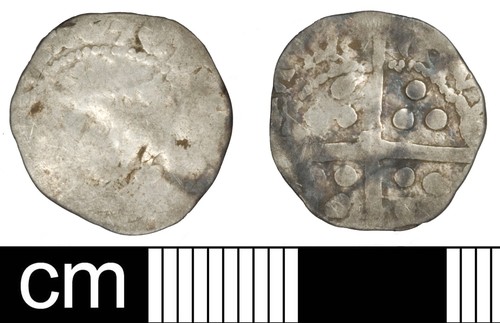
Medieval Penny of Edward III
1327–1377
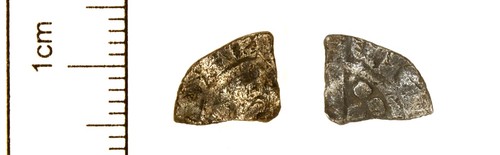
Medieval Silver Cut Farthing
1272-1509
Quarter Farthing
1839-1868
Godless Florin
1849
Victoria Maundy Twopence
1838–1901 (Young Head example shown: 1845)
British Silver Threepence
1838-1944
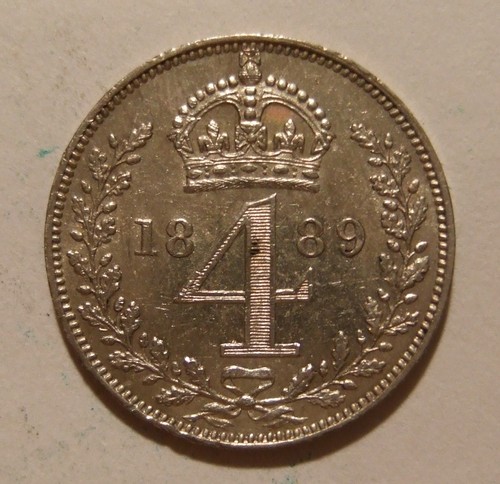
Victoria Maundy Fourpence
1838–1901 (Jubilee Head type shown: 1888–1892)
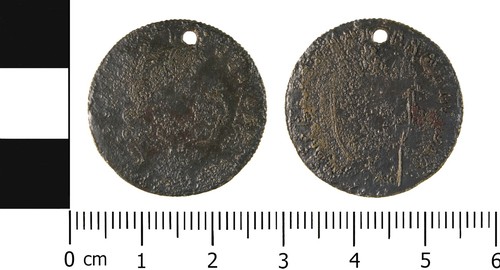
Imitation Guinea Gaming Piece
c. 1790-1900 (undated)
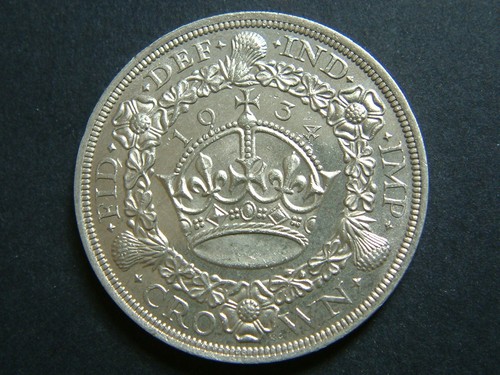
British Crown
1927–1936 (George V wreath crown; example dated 1934)
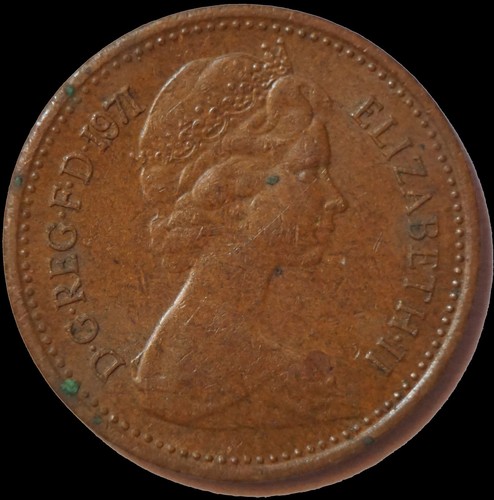
British Decimal Half Penny
1971–1984
British Brass Threepence
1937-1967
British Half Crown
1928 (George V type; series ran 1816–1946 in silver)