
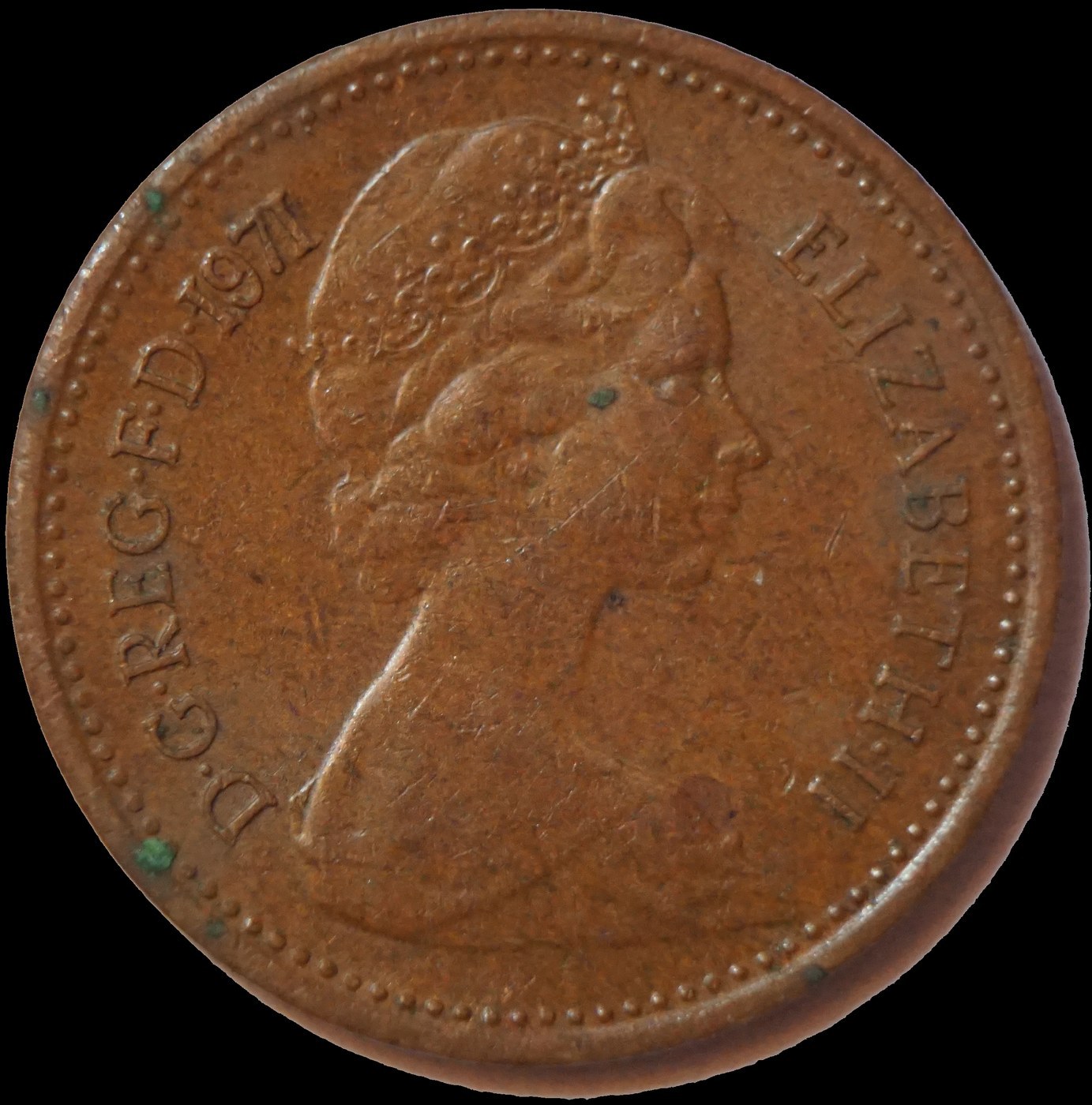
British Decimal Half Penny
The smallest UK decimal coin, a tiny bronze half-penny introduced with decimalisation in 1971, bearing a crown reverse and the Machin portrait of Elizabeth II.
- Country
- United Kingdom
- Denomination
- Half New Penny
- Metal
- Bronze
Got a coin like this?
Identify any coin from a photo, free.
Overview
The British decimal half penny is a small bronze coin issued by the Royal Mint from 1971. It was the lowest-value and physically smallest coin of the new decimal system, worth one two-hundredth of a pound (half of one new penny). The obverse carries the right-facing portrait of Queen Elizabeth II with the abbreviated Latin royal titles, while the reverse shows a crown above the denomination.
Because it was struck in enormous numbers for everyday change, the coin is extremely common and instantly recognisable to anyone who handled British money in the 1970s and early 1980s. Its diminutive size, roughly 17 mm across, made it the tiniest coin in circulation at the time.
Today the decimal half penny is a familiar entry-level collectible: cheap, plentiful, and historically interesting as a direct product of Britain's switch to decimal currency.
History & Background
The half new penny was introduced on Decimal Day, 15 February 1971, when the United Kingdom replaced the old system of pounds, shillings, and pence with a decimal currency of 100 pence to the pound. The coin was designed to help bridge the changeover, allowing prices to be expressed to the nearest half-penny during the transition from the old halfpenny and penny.
Early issues, including the 1971-dated pieces, carried the wording "NEW PENNY" to distinguish decimal coinage from the old money. From 1982 the word "NEW" was dropped and later strikes read "HALF PENNY." As inflation eroded its usefulness, the coin fell out of practical use, and it was withdrawn from circulation and demonetised at the end of 1984.
The portrait of Elizabeth II used on the coin is the second definitive effigy by sculptor Arnold Machin, introduced on UK coinage from 1968. The crown reverse was part of the family of decimal reverse designs prepared for the new coinage by Christopher Ironside.
How to Identify
The obverse shows Queen Elizabeth II facing right, wearing a tiara, encircled by an abbreviated Latin legend of the form "ELIZABETH II D.G.REG.F.D." with the date. The abbreviations stand for Dei Gratia Regina Fidei Defensor (By the Grace of God, Queen, Defender of the Faith); the letters D.G. and REG are the ones most readily made out on worn examples.
The reverse displays a single crown (a royal, arched crown) above the denomination. On coins dated 1971 through 1981 this reads "NEW PENNY" with the fraction ½; from 1982 onward it reads "HALF PENNY." The coin is bronze, giving it a warm brown to reddish tone, and is very small and light — about 17 mm in diameter and under 2 grams, noticeably tinier than the decimal one penny.
Key diagnostics are the crown reverse combined with the half-penny wording and the small module. The round, plain-edged bronze flan, the Machin portrait, and the "NEW PENNY"/"HALF PENNY" legend together confirm the type and separate it from the larger 1p and 2p bronze coins.
Value & Collectibility
The decimal half penny was minted in vast quantities for circulation, so ordinary worn or lightly circulated examples are worth little more than curiosity value and typically trade for a few pennies each. As a demonetised coin it no longer has spending value.
Premiums are modest and driven by condition and date. Uncirculated pieces pulled from Royal Mint sets, proof strikes, and coins with full original bronze lustre carry small collector premiums over common circulated survivors. Certain dates and the later "HALF PENNY" wording issues are sought by date collectors completing a run.
As with any common modern coin, top-grade certified examples and error or variety pieces can bring more than face-level prices, but the great majority of decimal half pennies are inexpensive and best viewed as an affordable historical keepsake of decimalisation rather than a high-value investment.
Frequently asked questions
What is a half new penny worth?
As a common demonetised coin it has no spending value; circulated examples are worth only a few pence, while uncirculated or proof pieces carry a small collector premium.
Why does the coin say "NEW PENNY"?
The word "NEW" was used from 1971 to distinguish decimal coinage from the old pre-decimal money. It was dropped in 1982, after which the coin reads "HALF PENNY."
What metal is the decimal half penny made of?
It is struck in bronze, an alloy that is mostly copper, giving the coin its warm brown to reddish colour.
When was the half penny withdrawn?
The decimal half penny was withdrawn from circulation and demonetised at the end of 1984, as inflation had made it largely useless.
Who designed the coin?
The portrait of Elizabeth II is Arnold Machin's second definitive effigy, and the decimal reverse designs, including the crown, were prepared by Christopher Ironside.
British Decimal Half Penny guides
In-depth guides for identifying, valuing, and collecting British Decimal Half Penny.
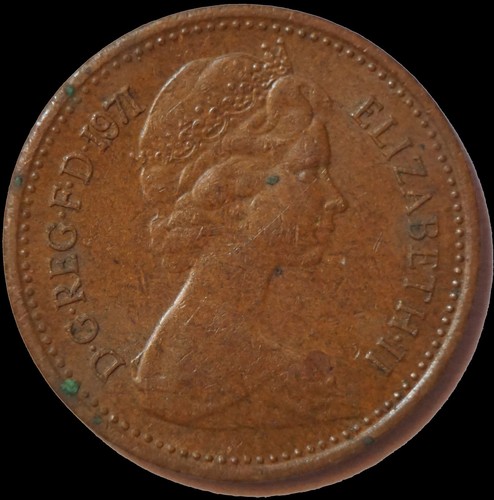
Other coins you may enjoy
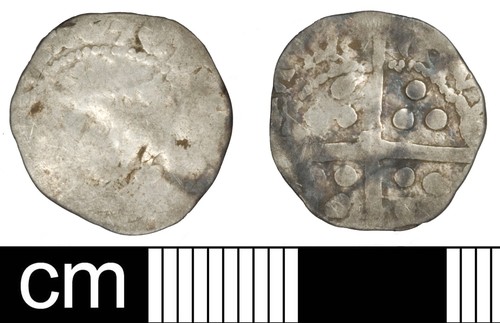
Medieval Penny of Edward III
1327–1377
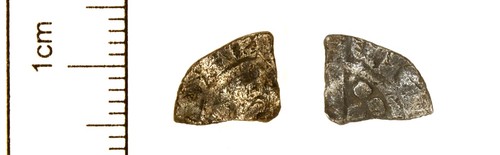
Medieval Silver Cut Farthing
1272-1509
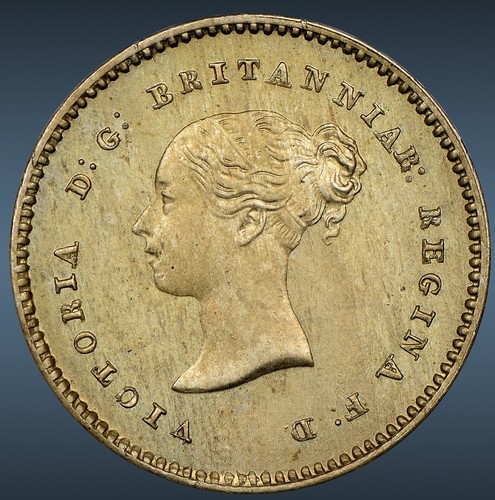
Quarter Farthing
1839-1868
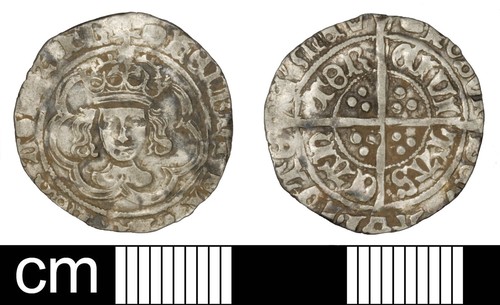
Medieval Halfgroat of Henry VII
1485-1509
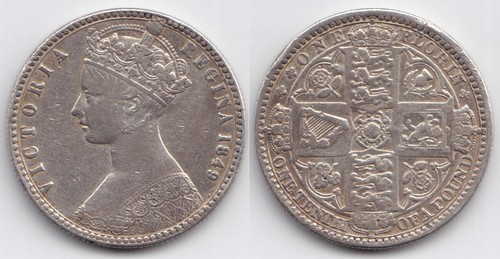
Godless Florin
1849
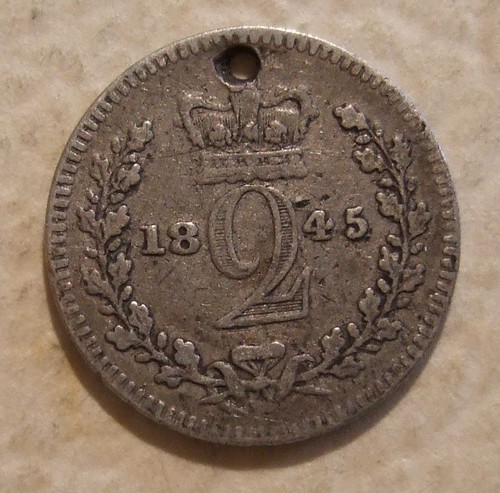
Victoria Maundy Twopence
1838–1901 (Young Head example shown: 1845)
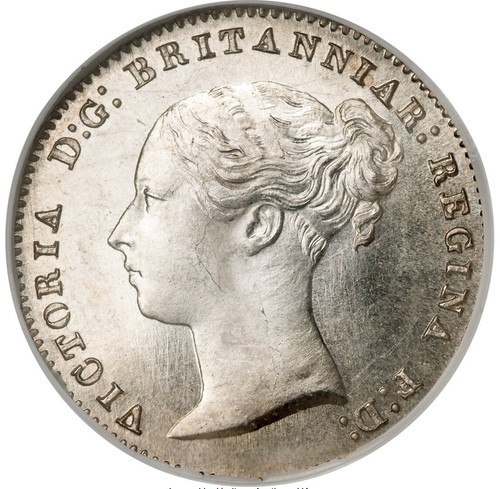
British Silver Threepence
1838-1944
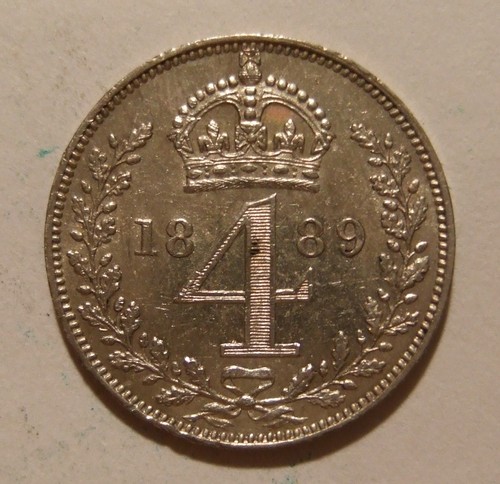
Victoria Maundy Fourpence
1838–1901 (Jubilee Head type shown: 1888–1892)
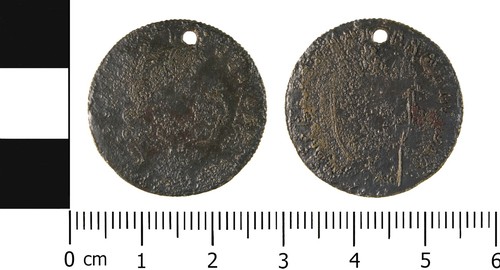
Imitation Guinea Gaming Piece
c. 1790-1900 (undated)
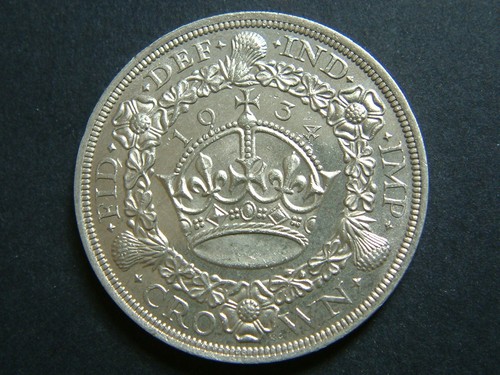
British Crown
1927–1936 (George V wreath crown; example dated 1934)
British Brass Threepence
1937-1967
British Half Crown
1928 (George V type; series ran 1816–1946 in silver)