
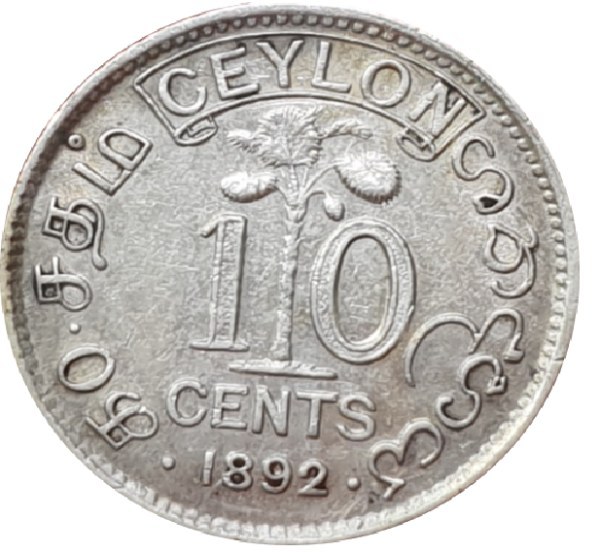
Ceylon 10 Cents (Cupronickel)
A wartime 1944 British Ceylon ten-cent piece in cupronickel, its obverse bearing the uniformed left-facing bust of King George VI and the legend GEORGE VI KING.
- Country
- Ceylon
- Denomination
- 10 Cents
- Metal
- Copper-nickel
Got a coin like this?
Identify any coin from a photo, free.
Overview
The Ceylon 10 Cents shown here is a small colonial coin issued for British Ceylon (present-day Sri Lanka) and dated 1944, during the reign of King George VI. The obverse in our photograph carries a left-facing profile bust of the King in military uniform with decorations across the chest, encircled by the legend "GEORGE VI KING." It is a base-metal minor coin of the island's cents-and-rupees system, in which 100 cents made one rupee.
This ten-cent denomination is struck in copper-nickel, giving it a pale silvery-grey appearance rather than the coppery tone of the smaller Ceylon fractional coins. The reverse is not visible in our image but on this type it carries the country name CEYLON, the value TEN CENTS, the date, and ornamental detailing; the coin is also noted for its distinctive scalloped (wavy-edged) outline.
As a wartime issue that circulated widely across Ceylon, the type is familiar to collectors of British Commonwealth and South Asian coinage and is commonly encountered today in worn but identifiable condition.
History & Background
Ceylon was a British Crown colony from 1815 until independence in 1948, and its coinage carried the effigy of the reigning British monarch. Under George VI (reigned 1936–1952) the island used a decimal system of cents and rupees, with the ten-cent piece sitting among the middle minor denominations.
The 1944 date places this coin firmly in the Second World War. During the war years the supply of coinage to colonial territories was adjusted for wartime conditions, and base-metal alloys such as copper-nickel were used for minor coins like this ten-cent piece. Ceylon held strategic importance in the Indian Ocean theatre, and everyday small change of this kind continued to circulate throughout the period.
George VI–era Ceylon coinage was superseded after independence, when the newly sovereign nation began issuing its own coins; Ceylon later became the Republic of Sri Lanka in 1972. The colonial ten-cent pieces bearing the King's portrait thus belong to the final decades of British coinage on the island.
How to Identify
The obverse is the key diagnostic face. It shows a left-facing bust of a bare-headed man in military uniform with decorations on the chest, surrounded by the legend "GEORGE VI KING." This uniformed portrait and wording identify the coin as a British colonial issue of the George VI reign; the accompanying date 1944 fixes the year.
The reverse, not shown in our photograph, carries the country name CEYLON, the denomination TEN CENTS spelled out, the date, and ornamental elements. A strong physical clue on this type is the shape: the coin has a scalloped or wavy edge rather than a plain round rim, which helps distinguish it at a glance from ordinary round minors.
In hand the coin is a small copper-nickel piece with a pale silver-grey color when clean; handled examples may tone darker or take on a dull grey patina. Because it is base metal, it should not be mistaken for silver despite its whitish alloy. The combination of the uniformed George VI portrait, the "GEORGE VI KING" legend, the CEYLON reverse and the scalloped outline is enough to attribute the type with confidence.
Value & Collectibility
The 1944 Ceylon ten-cent piece was produced for general circulation and is a common, affordable coin. Most well-circulated examples are worth only a modest sum, valued as inexpensive representatives of British colonial and South Asian coinage rather than as rarities.
Condition drives price. Coins retaining sharp detail in the King's portrait and full ornamental detail on the reverse, and especially uncirculated pieces with original luster, command more than worn examples. Some individual dates or die varieties within the George VI ten-cent series are scarcer than others, so specialists pay attention to the exact year.
Because values depend heavily on grade, eye appeal and collector demand, figures here are general context rather than fixed quotes. A clean, problem-free 1944 example is an easy and low-cost addition to a collection, while heavily worn or damaged coins trade for very little.
Frequently asked questions
Who is on this coin?
The portrait is King George VI, who reigned over Britain and its empire from 1936 to 1952. Ceylon was a British colony at the time, so its coins carried the King's effigy and the legend GEORGE VI KING.
Where is Ceylon?
Ceylon is the former name of the island now called Sri Lanka, off the southern tip of India. It was a British Crown colony until independence in 1948 and became the Republic of Sri Lanka in 1972.
Is this coin silver?
No. This ten-cent piece is copper-nickel, a base-metal alloy that has a pale silvery-grey color but contains no precious metal.
Why does the coin have a wavy edge?
The scalloped, wavy outline is a characteristic feature of this Ceylon ten-cent type. It made the denomination easy to tell apart from other coins by touch and sight.
Is the 1944 Ceylon 10 cents valuable?
It is common and usually modest in value, especially when worn. Uncirculated examples with full detail and original surfaces are more desirable to collectors.
Ceylon 10 Cents (Cupronickel) guides
In-depth guides for identifying, valuing, and collecting Ceylon 10 Cents (Cupronickel).
Other coins you may enjoy
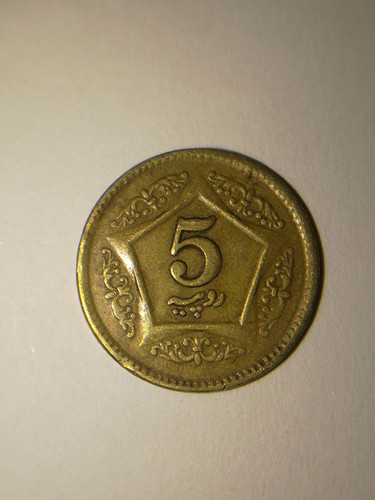
Pakistan 5 Rupees
20th century
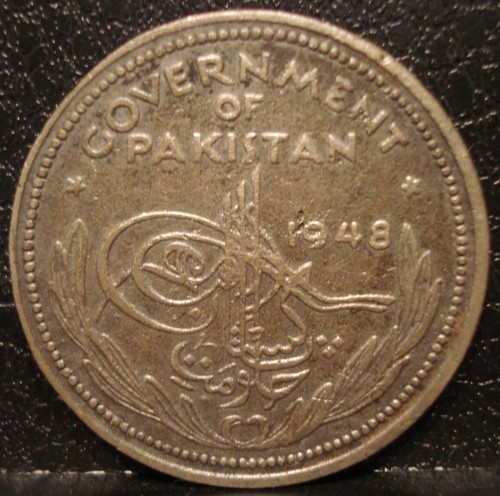
Pakistan One Rupee
1948
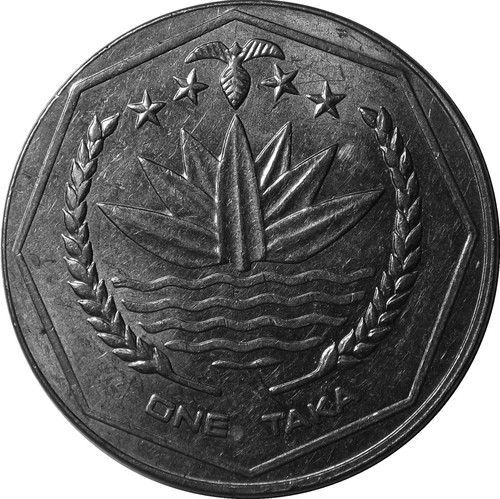
Bangladesh One Taka
Circulating type of the early 2000s; example dated 2002
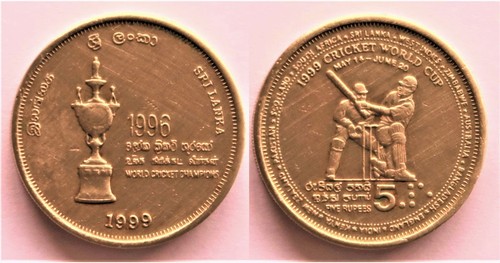
Sri Lanka 5 Rupees
Dated 1999, a commemorative Cricket World Cup issue
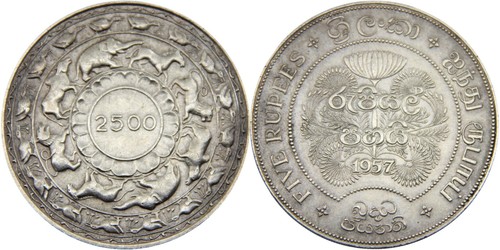
Ceylon 5 Rupees Buddhism Anniversary
Dated 1957, a single-year commemorative issue
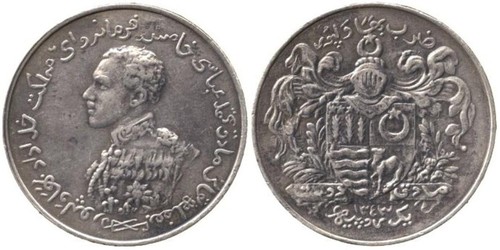
Bahawalpur Gold Coin
19th–20th century
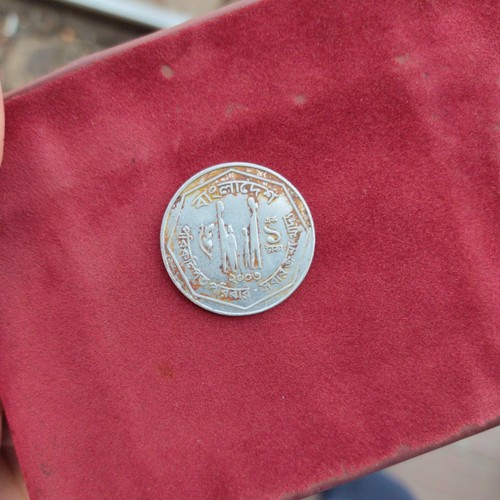
Bangladesh 5 Taka
Modern circulation issue of the People's Republic of Bangladesh; the higher-value Taka coins were introduced from the 1990s onward, with the steel-based 5 Taka belonging to the later composition.